Why Caterpillar's Massive Profit Spike Is A Warning Sign For The Concrete Industry
The Unstoppable Machine Behind The Numbers
You can hear it from miles away. That distinctive roar of diesel engines waking up the morning shift is usually a comforting sound for us in construction. It means work is happening. But this time, the volume feels different. Caterpillar just dropped their second-quarter earnings report and honestly, I stopped breathing for a second when I saw those numbers.
Their adjusted profit per share jumped from $4.72 to $8.17. That is not a bump. That is nearly double what they made just twelve months ago. Revenue hit an impressive $20.54 billion, up by twenty-four percent across the board. When I look at my own batching plant operations, those are numbers that feel almost detached from reality.
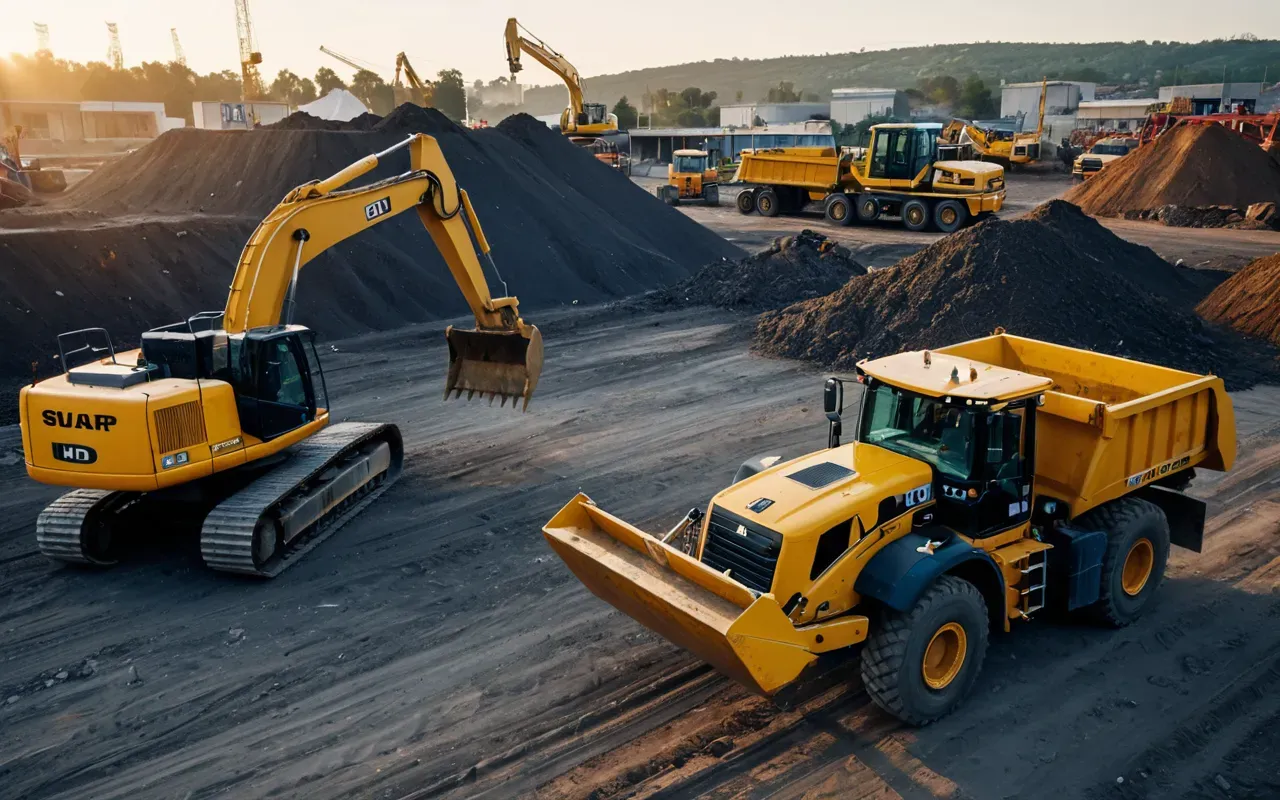
So what is actually driving this? It isn't just roads or bridges. The real story here lies in the surge of orders for construction equipment tied to data centers everywhere. These massive buildings need power and they need structure fast. And CAT is sitting right at the center of that storm.
Why The Core Segment Matters More Than You Think
Here is the thing that really caught my eye while digging through their report. The core construction segment didn't just grow; it exploded. We are talking about a thirty-five percent increase in revenue for that specific division alone. That outpaces their overall growth by eleven full percentage points.
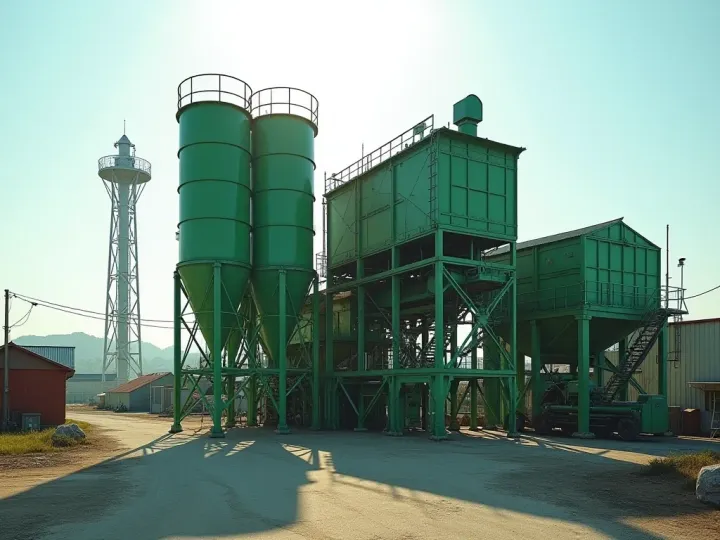
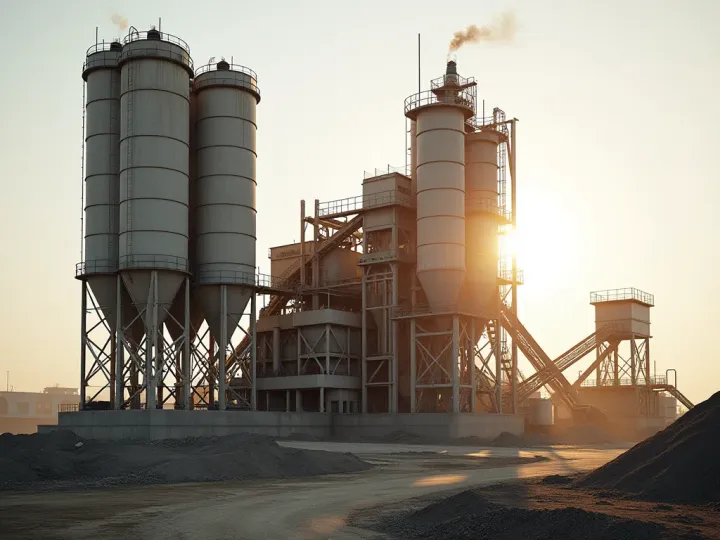
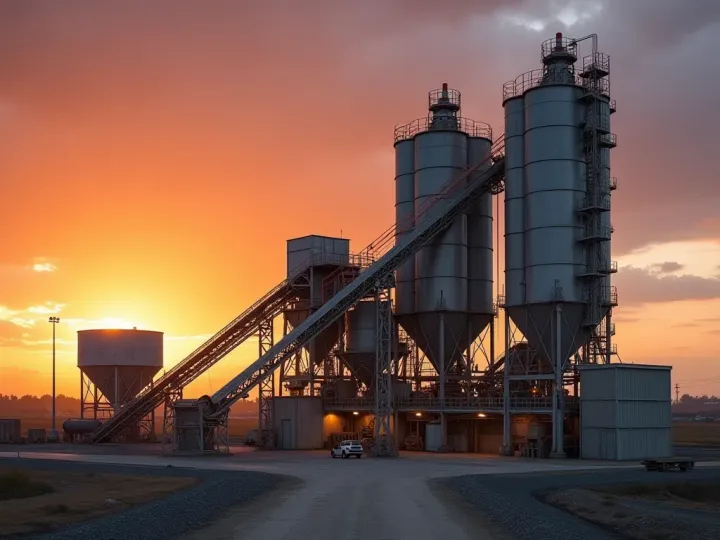
For operators of modern concrete batching plants, this signal is huge. More excavators and loaders on site means more foundations being poured. It means your mixers need to run hotter and longer than they did last year. I have been watching our daily output logs closely since early June.
And we are seeing it too. The demand for ready-mix concrete is spiking alongside these heavy machinery deployments. If you manage a plant right now, your dispatchers are probably stressed just keeping up with the volume coming from those new tech campuses being built across North America.
The Hidden Cost Of This Rapid Expansion
But let us be real for a moment. High demand sounds great until you look at the wear and tear on your assets. When machines run at maximum capacity quarter after quarter, maintenance windows shrink dangerously thin. I have seen too many crews skip oil changes because there was simply no downtime available.
This brings us back to why CAT reported such massive profits. They are selling the machines that handle this brutal workload. However, for those of us running concrete operations alongside them, efficiency becomes a survival tactic rather than just a nice-to-have metric.
If your batching system cannot keep pace with the excavation speed driven by this boom, you lose jobs. You fall behind schedule. And in today's market, falling behind usually means losing contracts permanently to competitors who upgraded their technology faster.
Technology Is No Longer Optional For Survival
Look at the image of that mini-excavator with its new AI assistant. That was shown back in January at CES. Now imagine applying that same level of intelligent integration to your concrete mixing controls. It is happening faster than most people realize.
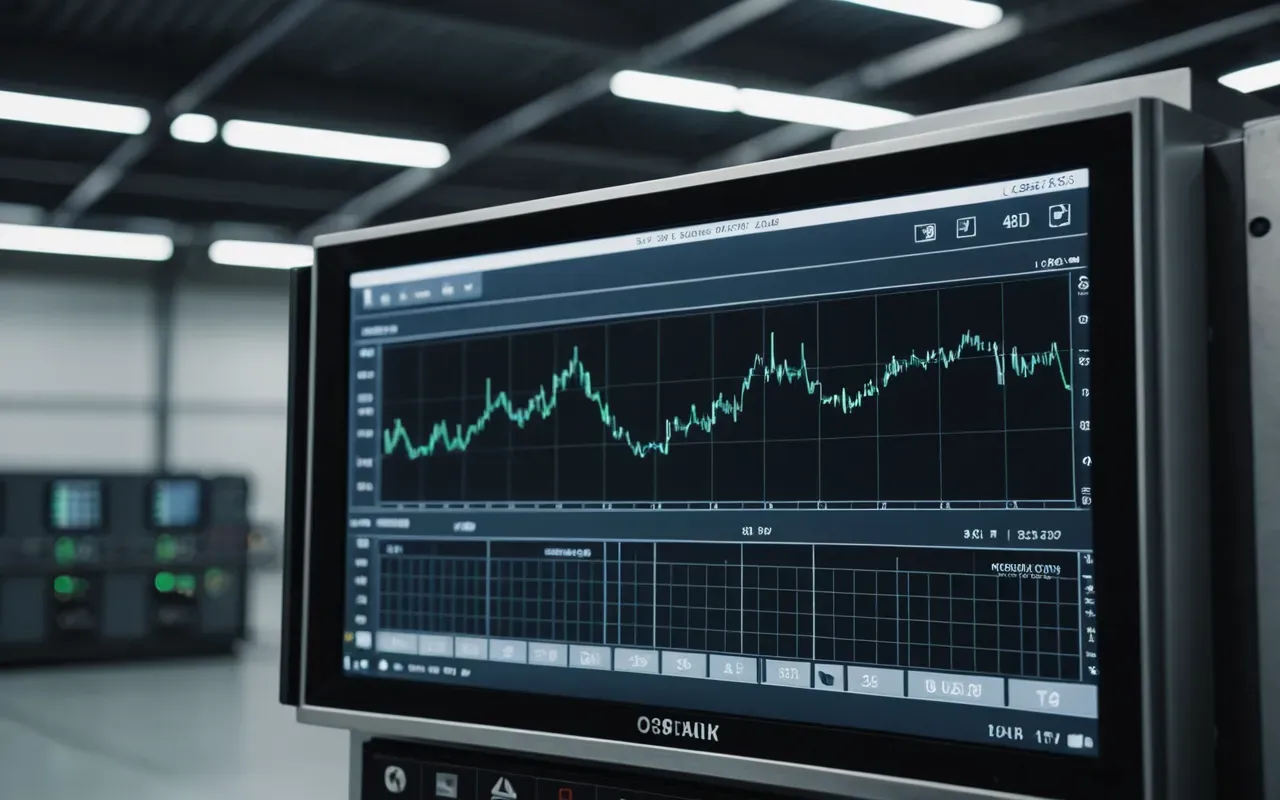
Older analog systems simply cannot handle the precision required for modern high-strength mixes used in these data centers. I remember struggling with batch variances last winter before we switched to a more advanced control system.
Now with better sensors and automated feedback loops, we waste far less material. Waste reduction is huge when you are operating under tight margins despite high volume sales.
What This Means For Your Bottom Line
So how do you capitalize on this trend without burning out your fleet? You start by auditing every process step in your production line. Is there a bottleneck slowing down the discharge rate?
Are your pumps calibrated correctly for current aggregate moisture levels? Small tweaks often yield big results during peak seasons. I found that optimizing our water-cement ratio tracking alone improved consistency by fifteen percent within a month.
Another angle worth considering involves energy consumption. With electricity costs rising globally, ensuring your plant runs efficiently matters more than ever. Smart meters and automated shutoffs can save thousands annually.
Planning Ahead For Sustained Growth
It is easy to get caught up in the immediate rush of orders. But smart operators know that sustainability comes from long-term planning. Do not just buy more trucks; upgrade your entire logistical framework.
Invest in training programs for your staff so they understand both the mechanical and digital aspects of modern equipment. Technology adoption fails without proper human adaptation.
Also think about environmental compliance. Regulations around emissions and waste disposal are tightening rapidly in many regions ahead of the twenty-twenty-seven deadlines.
Staying ahead means anticipating these shifts before they force your hand. Caterpillar thrived because they anticipated the shift toward electrification and automation in their own product lines.
We need to do the exact same thing within our concrete operations. Embrace automation where possible but maintain rigorous manual oversight of critical safety points.
There is an incredible resource available if you want to see how AI feeds are already transforming similar sectors. Reading about how Command Alkon uses data gives fascinating insights into predictive modeling.
Looking Beyond The Hype Cycle
Let us take a step back though. Is this boom permanent? History suggests industrial cycles always fluctuate. Real estate markets cool down eventually and tech spending slows occasionally.
However the infrastructure needs for supporting digital transformation seem deeply structural rather than temporary. We will need physical buildings housing servers regardless of quarterly earnings reports.
Therefore positioning yourself to deliver high-quality concrete efficiently remains a solid bet even if general construction slows slightly later this year.
Consider also checking out discussions regarding common technological flaws often overlooked during rapid expansion phases.
Adapting Strategies For Maximum Output
Efficiency boils down to one simple concept ultimately. Reduce friction between order receipt and final delivery. Every minute saved translates directly into additional capacity without buying new machinery.
I started implementing staggered shift schedules last month to ensure continuous coverage during peak hours. This small change eliminated those dreaded mid-afternoon lulls in production throughput.
Communication tools matter immensely too. Ensure dispatchers have direct lines to mixers and truck drivers via reliable radio networks or mobile apps.
Delay in information flow causes delays on site which ultimately costs you money and damages reputation with general contractors who rely heavily on timely deliveries.
Sustainability As A Competitive Advantage
Finally let us touch upon sustainability briefly. Many large developers now require green certification for their projects meaning they prefer suppliers using low-carbon cement blends.
Offering alternative mix designs could open doors to lucrative contracts previously inaccessible due to strict environmental policies enforced by major corporations.
Exploring innovations reshaping sustainability might give you ideas on transitioning your portfolio smoothly.
This dual focus on profitability and responsibility creates resilient business models capable of weathering whatever economic storms come next.
Remember that Caterpillar succeeded partly because they diversified across multiple sectors including energy generation alongside traditional construction.
We should adopt similar mindset regarding service offerings within our own niche markets.
Stay agile stay informed and most importantly keep pushing boundaries creatively within your operational limits.
The future belongs to those prepared today not just tomorrow. Let us make sure we are ready.