Why your neighbor is terrified of a concrete plant that might actually help the city
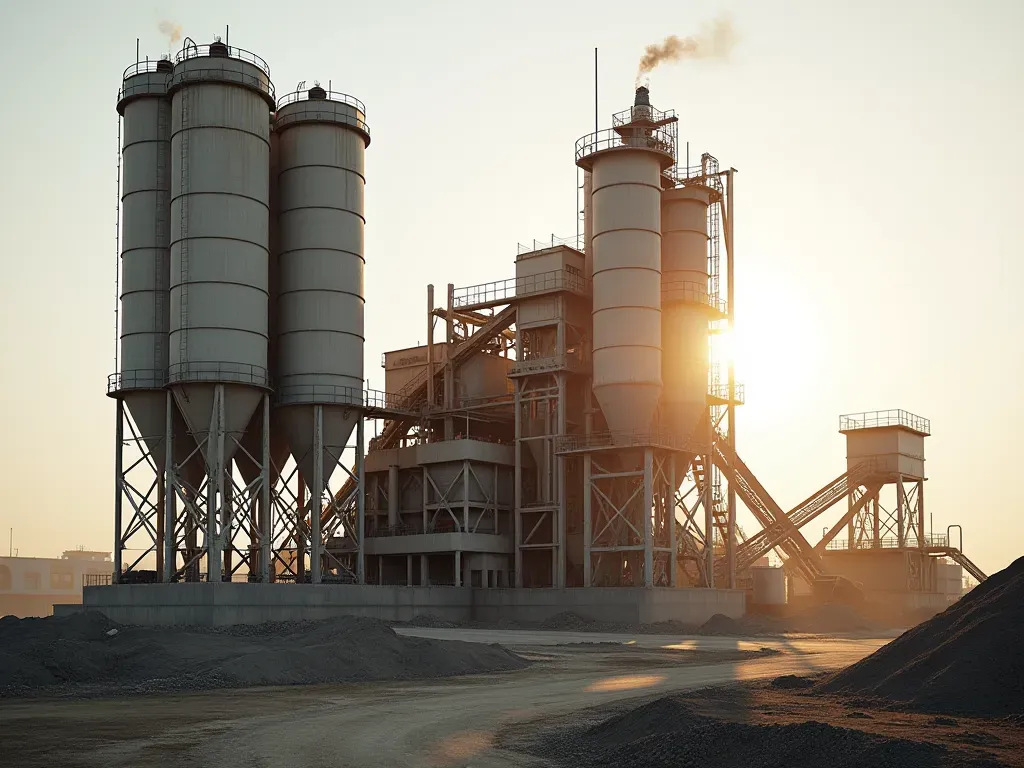
The Noise You Hear Is Not Just Dust
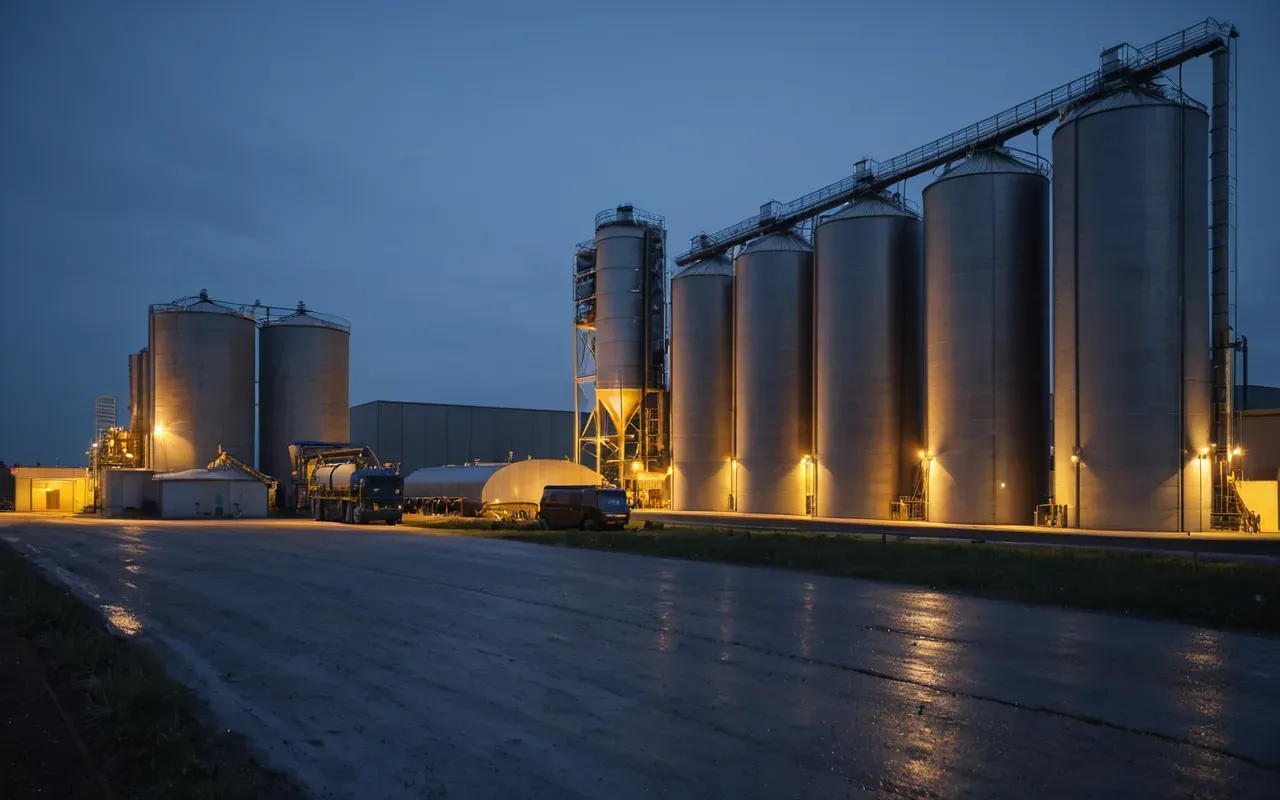
Look at the numbers and it feels like a trick. The city wants to raise taxes by nearly ten percent while residents scream about pollution from a single factory.
But there is a hidden engine driving this demand. It is not housing or roads. It is the invisible hunger for data storage.
I have covered industrial zones before. This is different because the scale of AI infrastructure changes everything about how we build.
The Budget Squeeze Behind the Public Outcry
On September first the council votes on a massive fiscal shift. They are asking for over two hundred eighty-eight million dollars.
That sum includes nearly one hundred million from property taxes. It is a steep hike for residents who already feel the pinch.
So why do people connect this to a concrete plant? Because industrial growth changes the local economic baseline forever.
To be fair the anger is not random. It is a reaction to rapid change that feels out of control for many families in the area.
Data Centers Are Eating The Concrete Supply Chain
Here is the thing nobody talks about at town halls. AI data centers require massive foundations.
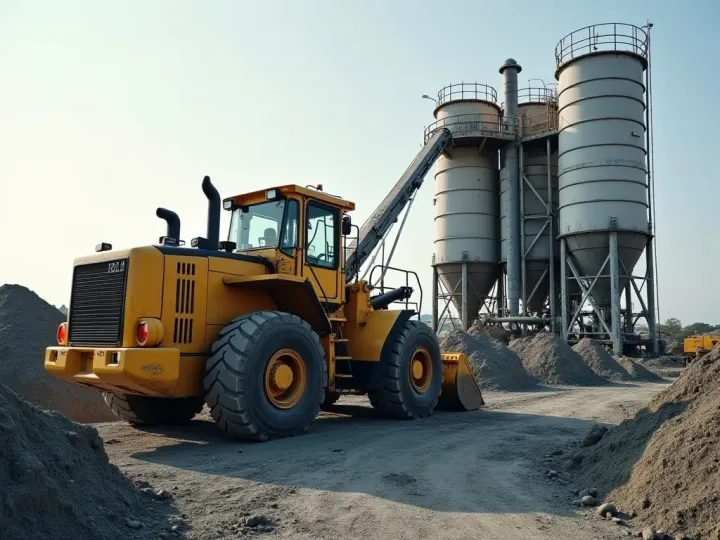
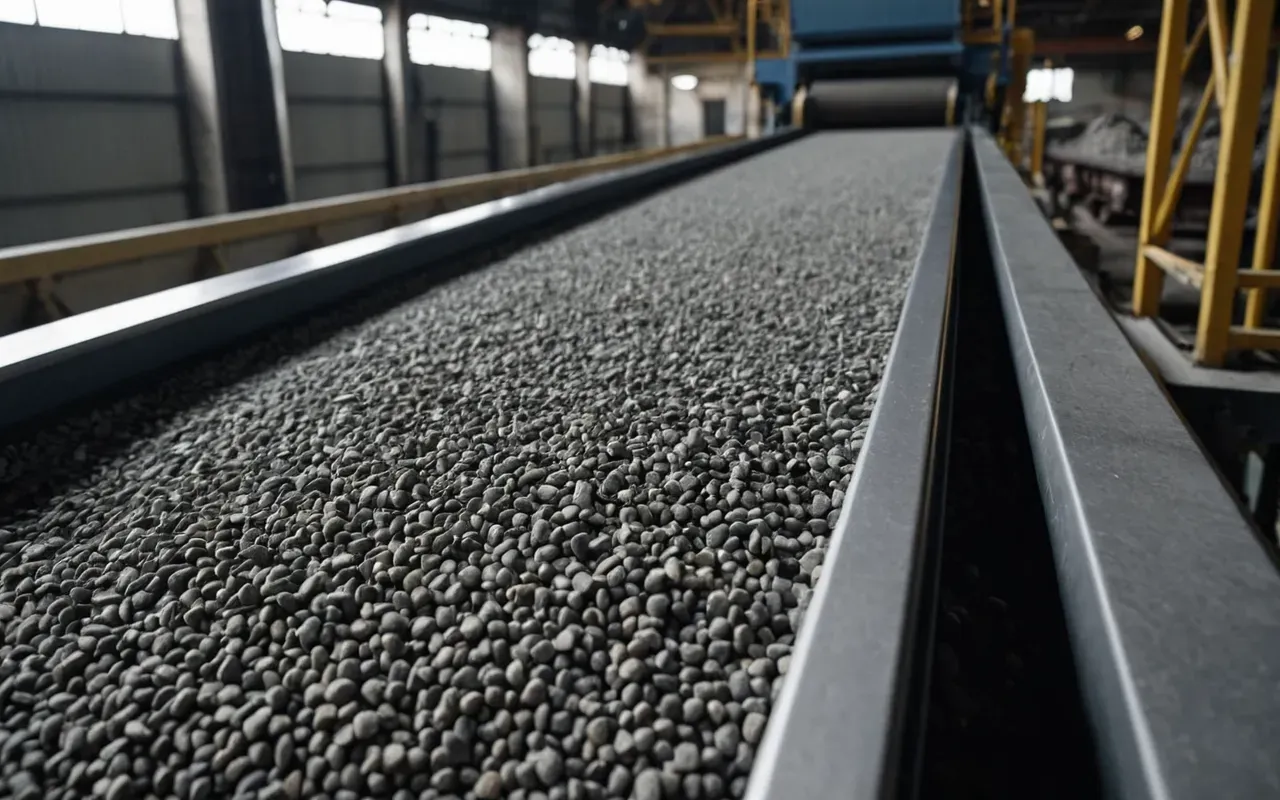
These structures are heavy and dense to support cooling systems and server racks. They consume ready mix concrete at an alarming rate.
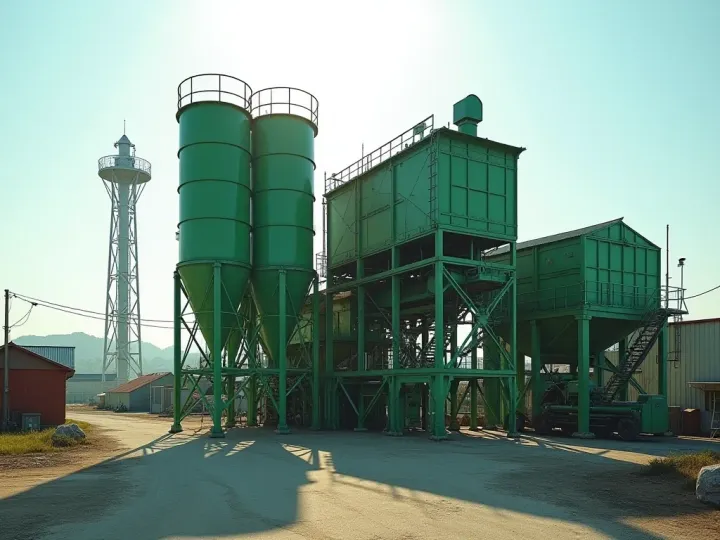
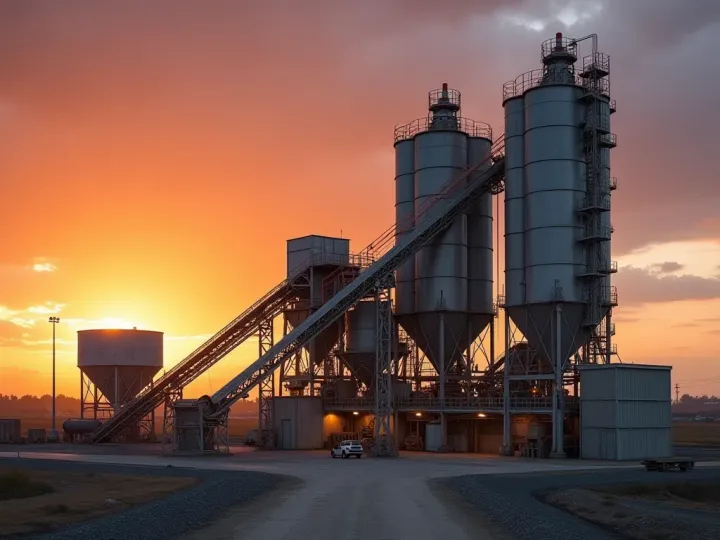
If you want to understand the technical side of how these plants work check out how modern batching systems operate.
The demand is so high that local plants are running twenty four seven. This creates a bottleneck in the regional supply chain.
Why Residents Feel Powerless Against Zoning Laws
Fabian Mata pointed his finger at the council in August. He was not alone. Many neighbors feel ignored by the regulatory process.
Texas zoning laws often favor industrial expansion over residential concerns. This creates a legal gap that frustrates communities.
I have seen similar battles elsewhere. The outcome is usually the same if the city needs tax revenue badly.
For a deeper look at this legal dynamic see the limits of local opposition.
The Technology Inside A Modern Batching Plant
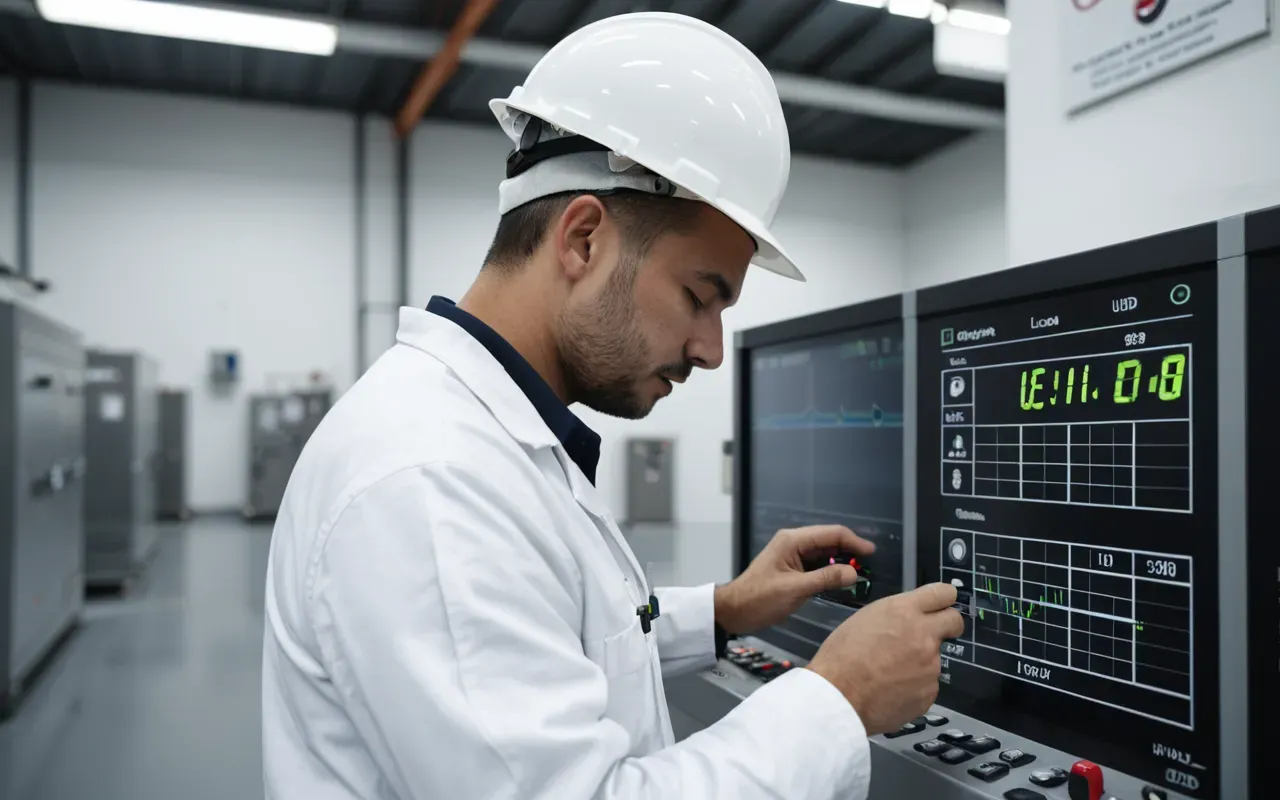
These are not dirty old factories anymore. They use automated dosing and real time quality control systems.
Precision matters. A single error in mix ratio can ruin a pour and cost thousands of dollars in waste.
The best plants use sensors to track moisture and temperature. This data ensures consistency for high stress structures like server farms.
If you are curious about the mechanical efficiency of these setups read how small losses add up.
Who Wins And Who Loses In This Shift
The city wins tax revenue. The data center developers win infrastructure speed. But local residents bear the social cost.
Property values in nearby zones may stabilize or drop depending on noise and traffic. It is a gamble for homeowners.
On the other hand jobs are created. Operators and drivers need steady work in a tight labor market.
It is not black and white. But the pressure on public services like police and fire will likely increase with the new budget.
What This Means For The Future Of Concrete Production
The trend is clear. Demand for high strength mixes will outpace traditional supply capabilities in many regions.
Plants that invest in efficiency and automation will survive. Those relying on manual processes will struggle to keep up.
We are seeing a shift toward smarter manufacturing. The concrete of the future is faster and more precise than ever before.
For industry players keeping up with these changes is not optional. It is the difference between profit and bankruptcy.