The Real Reason Houston Residents Are Fighting This Concrete Plant Has Nothing To Do With The Dust
The Invisible Threat Behind The Concrete Plant Fight
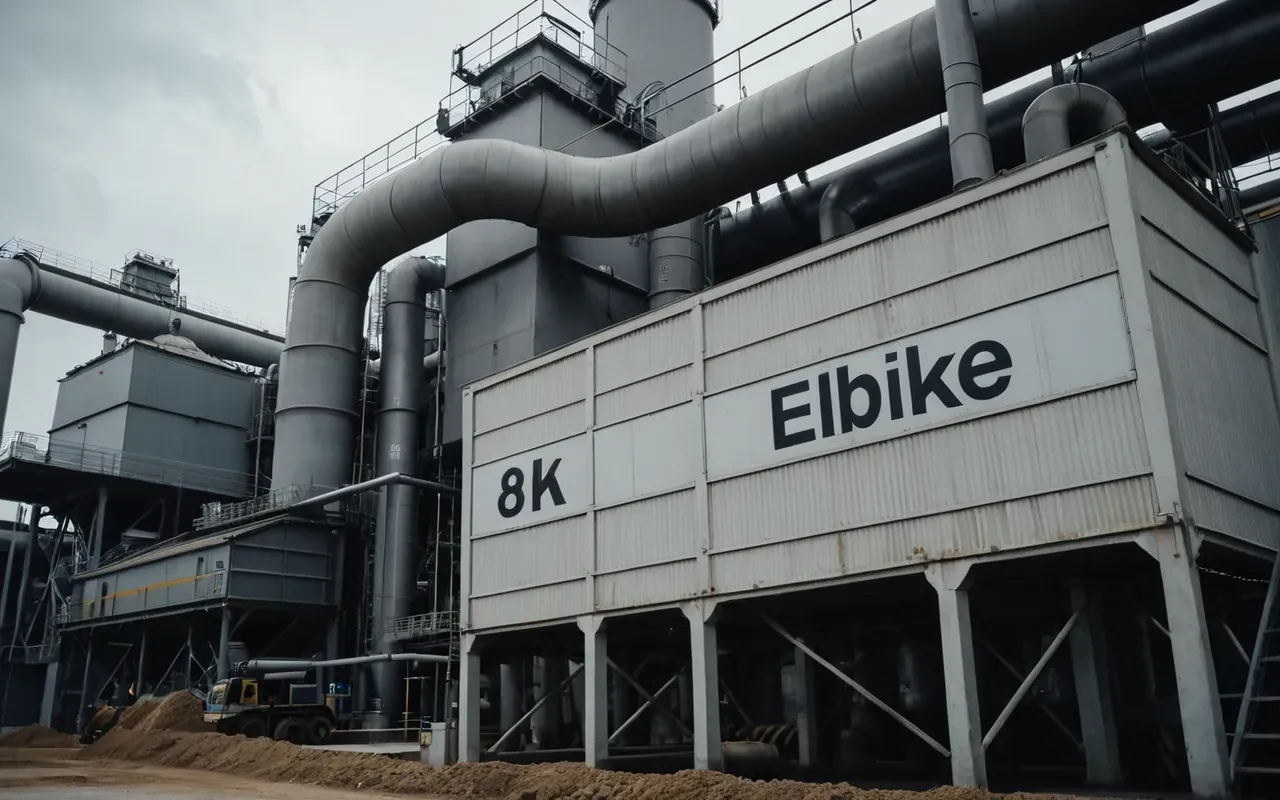
Most people assume the dust is the main problem. It is not. The real issue lies in continuous operation hours and proximity to sensitive receptors like schools and homes.
A proposed facility in Needville aims to operate twenty-four hours a day. This timeline creates a constant background of particulate matter that standard daytime monitoring misses entirely.
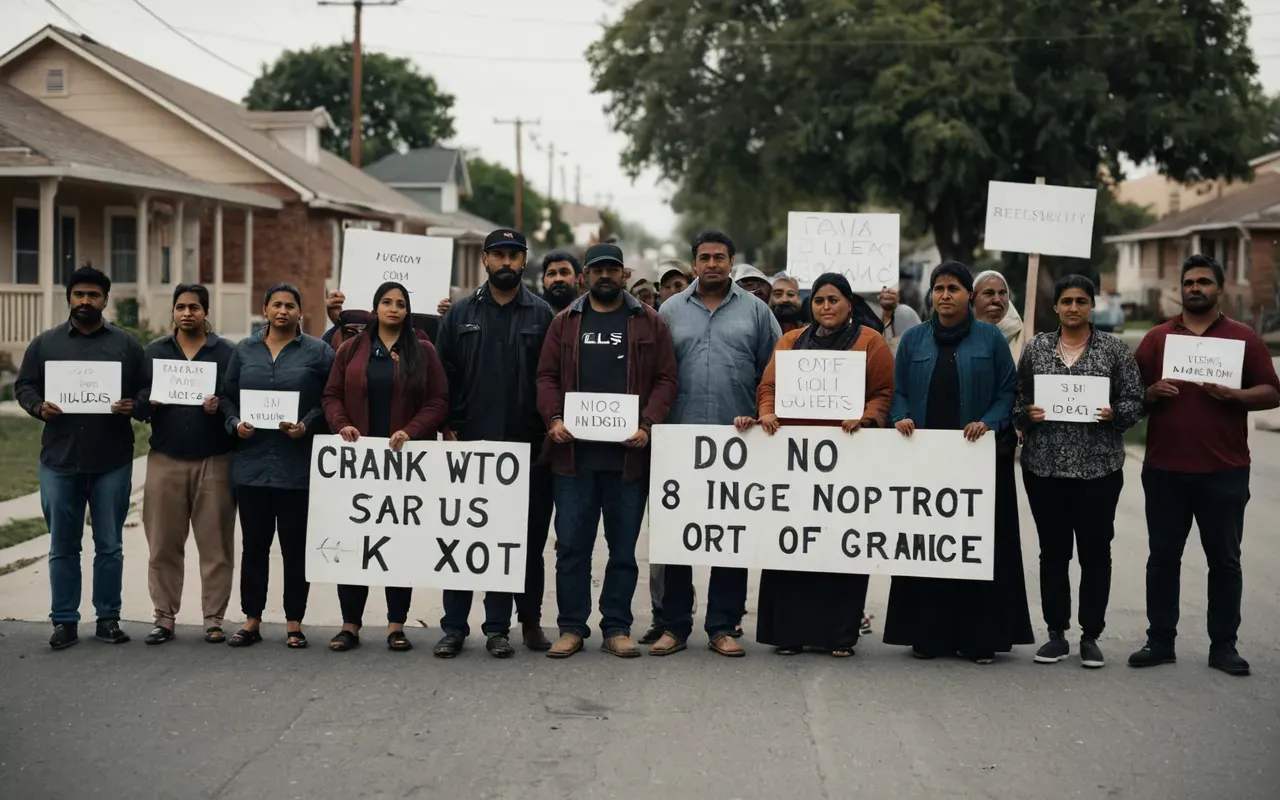
Residents like Fernando Carrion are not just worried about messy roofs. They are concerned about long-term respiratory health for children with pre-existing conditions.
Why Distance Matters More Than You Think
The proposed site is roughly two hundred yards from some houses. That distance feels safe until you realize wind patterns can carry fine particulates much further.
Air Alliance Houston notes nearly one hundred forty households fall within one mile. Ten homes are even closer than a quarter mile.
This density of sensitive receptors changes the risk profile entirely. It is not just one family affected but an entire community breathing the same air.
The Regulatory Gap That Lets Plants Slip Through
Here is the thing. The county does not decide if the plant gets an air permit. That power belongs to the Texas Commission on Environmental Quality.
Residents tried to speak at Commissioners Court but were often stopped before they could address the specific project. This creates a frustrating disconnect between local concern and state authority.
If you are interested in understanding how these legal boundaries work, check out this analysis on why a concrete plant next to your school might actually be legal in Texas.
What Happens When Monitoring Fails
Air Alliance Houston is pushing for fence-line air monitoring. Without this, how do you know when controls fail? The answer usually involves a complaint from a neighbor.
Reactive measures are too late for children with asthma. Proactive data collection is the only way to ensure safety in real-time conditions.
The Economic Argument Nobody Is Talking About
Supporters argue the plant brings jobs and revenue. Critics counter that property values drop when industrial noise becomes a permanent fixture.
Ruth Ann Hendrick has lived in the area for forty-eight years. She knows the local economy but worries about long-term livability for her livestock and pond.
The trade-off between short-term gains and long-term health is a classic dilemma. But when schools are involved the stakes become personal for every parent in the district.
How Truck Traffic Changes The Equation
Concrete delivery requires heavy trucks. These vehicles increase road wear and safety risks for students walking to Needville High School.
The superintendent has voiced environmental concerns. This is a rare instance where educational leaders are directly challenging industrial placement.
If you want to understand the logistical challenges of these operations see how the batching plant mistake that costs you more money every single day affects efficiency and safety.
The Path Forward For Affected Communities
Residents are waiting for a public meeting date. Until then the comment period remains open and every voice counts toward the final decision.
Contested case hearings are an option for those who meet specific criteria. This legal route offers a deeper scrutiny of the proposed operations.
The fight is not just about one plant. It sets a precedent for how industrial expansion will be managed in growing suburbs across the region.
Lessons From Other Industrial Conflicts
History shows that early opposition is often the most effective. Once construction begins it is too late to change the physical reality of the site.
The Texas example mirrors national trends where communities are increasingly using data and legal tools to challenge polluting industries.
For a broader perspective on regulatory battles check this article about Texas regulators approved a concrete plant you can challenge but probably cannot stop.
Why This Story Matters Beyond Fort Bend County
This is not just a Houston issue. It reflects a national tension between urban growth and environmental protection in suburban areas.
As concrete demand rises for infrastructure projects the pressure to build more plants near population centers will only increase.
Understanding the mechanics of these plants helps you ask better questions. How is air monitored? What happens when equipment fails?
If you are in the industry consider how innovation in concrete batching is reshaping sustainable construction to address these very concerns.
The Final Word On Concrete Plant Opposition
Residents are right to be concerned. The combination of proximity continuous operation and limited local control creates a perfect storm for health risks.
The outcome of this permit decision will shape how we view industrial expansion for years to come. Stay informed and engaged.
For more insights on the technical aspects of these facilities explore Mobile 60 S4 Concrete Batching Plant: Speed & Precision to understand modern capabilities.