Why Analog Toggles And Surge Free Pumps Are Actually Saving Contractors Thousands
The Quiet Rebellion Against Touchscreens
I watched a foreman wipe a thick slab of wet concrete off a digital remote last Tuesday. The touchscreen flickered, registered a phantom command, and nearly derailed a critical footing pour. We keep seeing manufacturers chase sleek glass interfaces for heavy machinery. The reality on the ground tells a completely different story. Operators actually prefer tactile feedback when managing massive hydraulic loads.
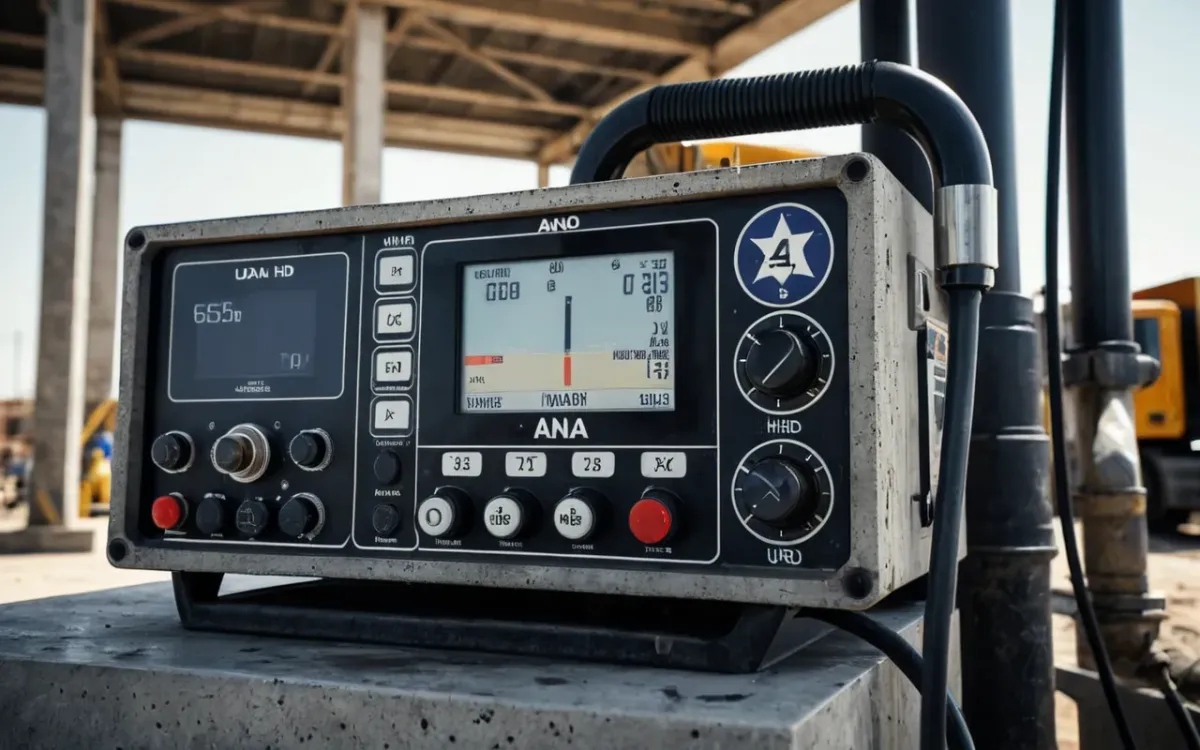
Mecbo America just flipped that script with the new Beton Cap Series. They deliberately installed physical toggles on the handheld radio control instead of following the current digital trend. To be fair, this design choice feels almost radical in an industry obsessed with app integration. I was struck by how quickly the test operators adapted to the mechanical switches. The toggles simply work better under heavy vibration and constant moisture exposure.
Digital malfunctions cost crews more than just frustration. A single false input can trigger an unintended pressure spike or halt the entire line. When you are pumping structural concrete, those split second errors translate directly into delayed schedules and wasted material. The toggle system eliminates that specific risk entirely. You press a physical switch, and the machine responds with predictable mechanical certainty.
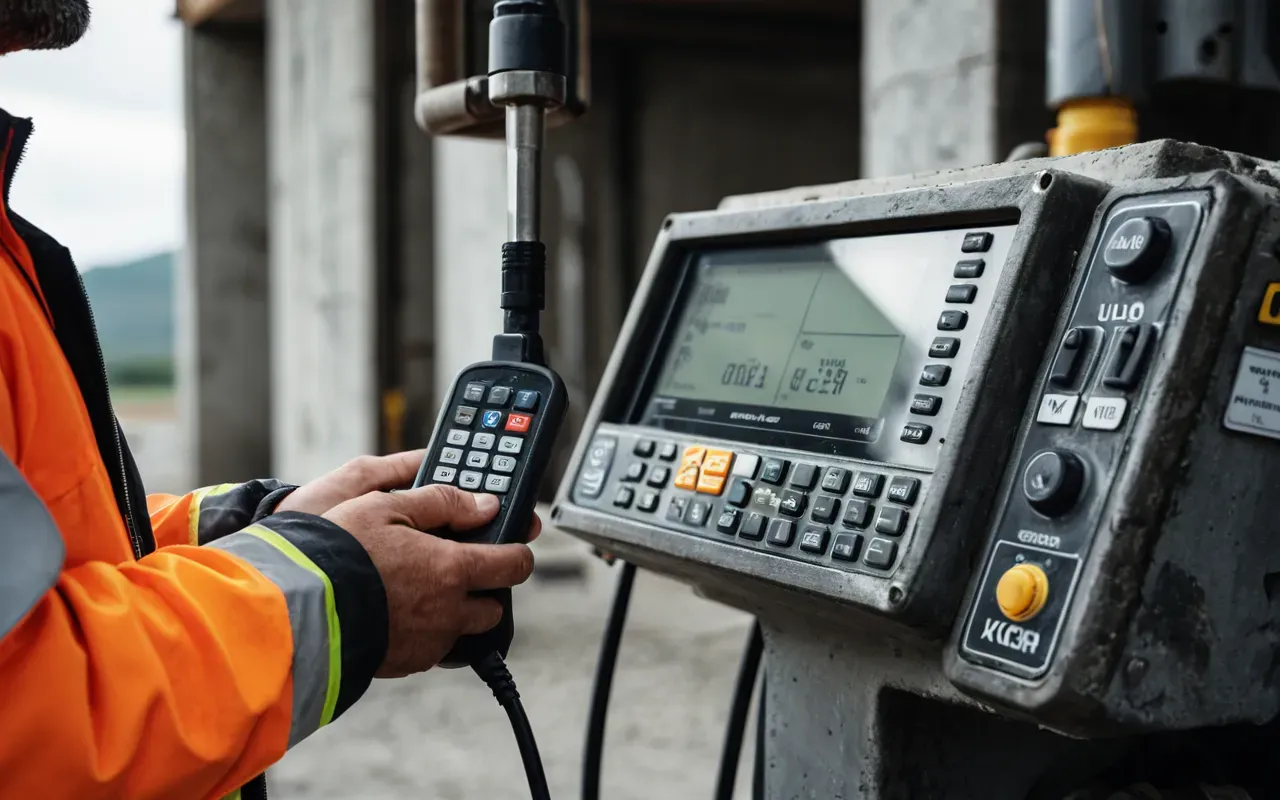
We should not dismiss this interface shift as mere nostalgia. Reliability drives profitability in the concrete sector. Contractors bid tight margins on commercial builds and cannot afford unexpected control system failures. The analog remote survives the harsh jobsite environment without requiring constant software updates or protective covers. It simply functions day after day under extreme conditions.
Look at the maintenance logs from similar equipment. Touchscreen replacements run into the hundreds of dollars per unit. They also require specialized technicians who understand embedded electronics rather than standard hydraulic systems. The toggle design keeps repairs straightforward and affordable. Crews can troubleshoot basic signal issues without pulling a diagnostic laptop from the trailer.
Why Contractors Are Ditching Digital Interfaces
The shift away from glass screens stems from practical field experience. I have spoken with several fleet managers who actively request mechanical controls for their next equipment purchases. They cite fewer warranty claims and dramatically reduced training time for new hires. Veteran operators recognize that tactile feedback provides immediate confirmation of command execution.
Modern construction sites generate constant electromagnetic interference from generators, welders, and radio communications. Digital signals occasionally degrade when multiple transmitters operate on overlapping frequencies. Physical toggle signals maintain clearer transmission paths through dedicated radio channels. This stability matters immensely when coordinating multiple pump lines across a sprawling development site.
Your mileage may vary depending on project scale, but the pattern holds true. Smaller residential pours rarely justify complex digital setups anyway. Large infrastructure projects demand absolute command reliability under pressure. The toggle system bridges that gap by offering industrial grade durability without sacrificing operational precision. It is a pragmatic solution to a recurring field problem.
The PULSAR Valve System That Actually Moves Concrete
The real breakthrough lives inside the hydraulic circuit. Mecbo engineered the patented PULSAR rack and pinion valve control to fundamentally change how concrete flows through the pipeline. Traditional pumps cycle rapidly, creating noticeable pressure waves that travel down the hose. Those waves cause the dreaded surging effect that frustrates finishers and compromises placement quality.
PULSAR operates on a completely different mechanical principle. The extended stroke length allows the system to push significantly more volume per cycle while drastically reducing mechanical movement frequency. Fewer cycles mean less vibration traveling through the delivery line. I noticed immediately how smoothly the test unit maintained a steady stream without the usual pulsing rhythm.
Energy consumption drops by thirty to forty percent compared to conventional reciprocating designs. That statistic alone should grab your attention during tight budget planning. Diesel engines idle more frequently and throttle down sooner when the hydraulic load remains consistent. The fuel savings accumulate rapidly across a multi week structural pour schedule.
Maintenance teams also benefit from the reduced mechanical cycling. Wear components like cutting rings and sector valves experience less frequent impact stress. Replacement intervals stretch considerably longer than industry averages. I was struck by how much quieter the entire assembly runs during extended operation. The absence of aggressive hammering sounds indicates significantly lower internal friction.
If you are curious about how overlooked equipment innovations impact daily output, this valve design perfectly illustrates the point. Small mechanical adjustments often yield massive operational dividends. The PULSAR system proves that engineering refinement frequently outperforms raw horsepower upgrades. Contractors consistently report smoother finishing conditions when using this technology.
How Surge Free Flow Changes Structural Pours
Concrete finishing crews hate unpredictable flow rates. A sudden surge can wash out carefully placed rebar cages or create honeycomb defects in formwork. The consistent delivery from the PULSAR design allows finishers to work at a steady pace. They know exactly how much material arrives at the end of the line every single minute.
Structural integrity depends heavily on uniform compaction and placement timing. Interruptions in flow often force crews to stop and restart, creating cold joints that compromise load bearing capacity. The steady stream eliminates those hazardous pauses. Engineers appreciate the predictable behavior because it aligns perfectly with modern quality control standards.
I have seen projects fall behind schedule simply because the pump could not maintain consistent pressure across multiple floors. The Beton Cap handles vertical delivery with remarkable stability. Higher pumping pressures reach seven hundred twenty five psi or one thousand fifteen psi depending on the configuration. That range covers virtually every commercial high rise requirement.
Bridging The American Support Gap
European contractors have relied on Mecbo technology for over two decades. North American operators missed out largely because of fragmented service networks and unavailable parts. Blastcrete Equipment LLC changed that dynamic entirely by establishing a dedicated domestic distribution structure. Customers now access genuine components without waiting weeks for overseas shipping.
Downtime costs run anywhere from two thousand to five thousand dollars per day on active commercial sites. Every hour a pump sits idle waiting for a simple seal or hydraulic hose drains profitability. Blastcrete maintains comprehensive inventory levels across major regional hubs. This strategy ensures rapid deployment of critical components when field failures occur.
Scott Knighton from Blastcrete emphasized the strategic importance of local application knowledge. European engineering standards sometimes clash with North American aggregate specifications and mix designs. The combined team bridges that technical divide effectively. Operators receive customized guidance tailored specifically to regional material characteristics and climate conditions.
Parts Availability And Real World Uptime
Predictive maintenance protocols rely heavily on accessible replacement components. The new American support framework enables proactive servicing rather than reactive breakdown repairs. Technicians can schedule filter changes and hydraulic flushes during planned downtime windows. This approach prevents catastrophic failures that typically halt entire construction phases.
If you want to understand why overlooked batching flaws risk project delays, consider how support structures directly impact equipment reliability. A machine is only as good as its maintenance ecosystem. Blastcrete integration transforms a purely European product into a fully localized investment. Contractors finally gain the peace of mind they need for long term fleet planning.
Training programs also receive immediate attention under this new partnership structure. Certified instructors travel directly to regional customer facilities to demonstrate proper operation techniques. Hands on education reduces operator error significantly. Proper handling extends component life and preserves warranty coverage across the entire equipment lifespan.
Diesel Versus Electric On The Modern Jobsite
Power configuration choices matter more than ever as environmental regulations tighten. The Beton Cap Series offers flexible engine options ranging from one hundred fifteen to two hundred ten horsepower. These diesel variants handle demanding remote locations where grid access remains unreliable or completely unavailable. Fuel tanks provide extended runtime without requiring constant refueling stops.
Urban development zones increasingly restrict diesel emissions within city limits. Municipal codes often mandate zero exhaust machinery for indoor or basement concrete work. The two hundred horsepower electric motor variant solves that compliance headache entirely. Operators connect directly to temporary job site power distribution networks without worrying about ventilation requirements.
Electric models also eliminate vibration transmission from engine combustion cycles. That reduction improves operator comfort during extended shifts. Maintenance schedules simplify considerably since oil changes and diesel particulate filter cleaning become unnecessary. The total cost of ownership often favors electric configurations in high volume urban contracts.
Matching Power To Project Demands
Selecting the correct horsepower rating requires careful project analysis. Smaller residential foundations rarely need maximum output capacity. Oversized equipment wastes fuel and increases transport costs unnecessarily. The modular approach allows contractors to match machinery specifications precisely to contract requirements. This flexibility prevents capital depreciation on underutilized assets.
Larger structural applications demand consistent high volume delivery. The top tier diesel configuration easily manages heavy aggregate mixes without stalling or losing pressure. Formwork schedules tighten on commercial towers, leaving zero margin for pumping delays. Having adequate power reserves ensures crews meet aggressive daily placement targets consistently.
Terrain adaptability remains another critical consideration during equipment selection. The durable tracked undercarriage handles soft soil and uneven grading without sinking. Operators can reposition the unit quickly as the pour progresses across the foundation footprint. Wheel installations provide alternative mobility options for paved access roads and stabilized staging areas.
What This Means For Your Next Bid
Bidding strategies must account for actual field efficiency rather than theoretical capacity. The combination of analog controls and surge reduction technology directly impacts daily output metrics. Faster placement cycles mean fewer labor hours spent waiting for material. Those savings compound rapidly across multi week commercial construction schedules.
I recommend reviewing your current equipment depreciation schedules carefully. Older reciprocating pumps often consume excessive fuel and require frequent component replacements. Upgrading to a system with extended stroke hydraulics reduces ongoing operational expenses. The initial capital outlay typically pays for itself within a single large project cycle.
Market feedback has been overwhelmingly positive since the North American launch. Contractors report noticeable improvements in finish quality and crew morale. The reduced mechanical vibration creates a noticeably calmer worksite environment. Operators appreciate having reliable tools that perform consistently without constant troubleshooting.
Your next project estimate should factor in these operational advantages. Lower fuel consumption directly improves gross margin percentages. Reduced downtime prevents costly schedule penalties from general contractors. Reliable equipment performance builds stronger client relationships and generates repeat referral business. The competitive edge belongs to those who prioritize proven mechanical reliability over flashy digital interfaces.
The concrete industry continues evolving toward smarter, more efficient production methods. This specific equipment launch demonstrates that innovation does not always require complicated technology. Sometimes the best solutions involve returning to fundamental mechanical principles. Contractors who adapt quickly will see immediate returns on their equipment investments.
Planning your fleet upgrades requires honest assessment of current operational bottlenecks. Identify where fuel costs drain profitability and where control failures cause schedule delays. The new mixer pump configuration addresses both issues simultaneously. Making informed purchasing decisions today protects your bottom line for years to come.