Transforming Concrete Production with Innovative Heavy Equipment and Modern Batching Technologies
The Evolution of Heavy Equipment in Concrete Construction
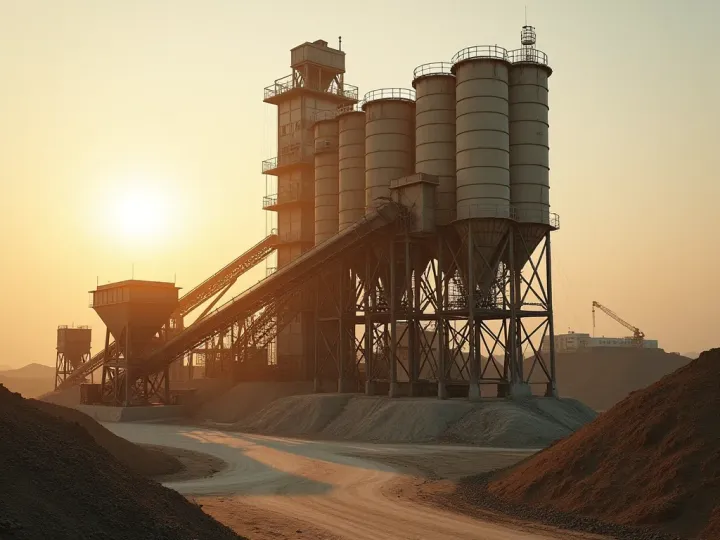
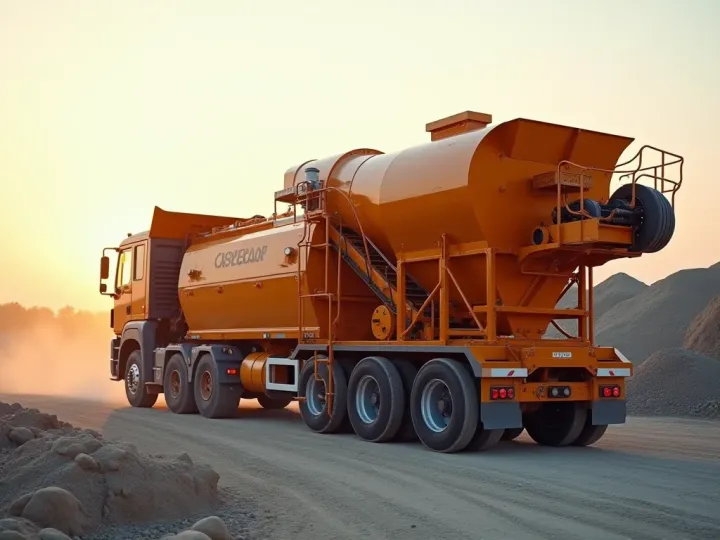
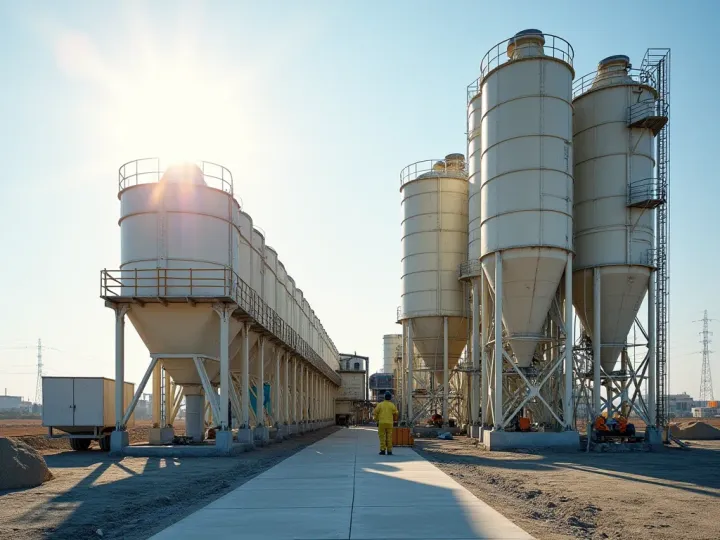
In recent years, the construction industry has experienced a significant transformation driven by advancements in heavy equipment specifically tailored for concrete production. Modern machinery such as automated batching plants, high-capacity mixers, and precision conveyor systems are reshaping how concrete is manufactured and delivered on-site. These innovations not only improve the quality and consistency of concrete mixes but also streamline workflows, reduce labor costs, and minimize environmental impact. For instance, automated batching systems utilize sophisticated sensors and real-time data integration to ensure precise ingredient measurements, avoiding the common issues of over- or under-dosing. Moreover, advances in crawler and wheel-mounted equipment enable easier mobility across large construction sites, adapting to complex project layouts. This evolution signifies a move towards more efficient, safer, and more environmentally friendly construction processes, with heavy equipment forming the backbone of these improvements. Industry leaders investing in such machinery recognize that staying ahead involves continuous technological upgrades and embracing digital integration, such as IoT-enabled machinery that offers remote monitoring and predictive maintenance capabilities. Therefore, understanding these developments is essential for contractors and project managers aiming to maximize productivity and cost-effectiveness while maintaining the highest standards of concrete quality.
Utilizing Cutting-Edge Technology to Enhance Efficiency
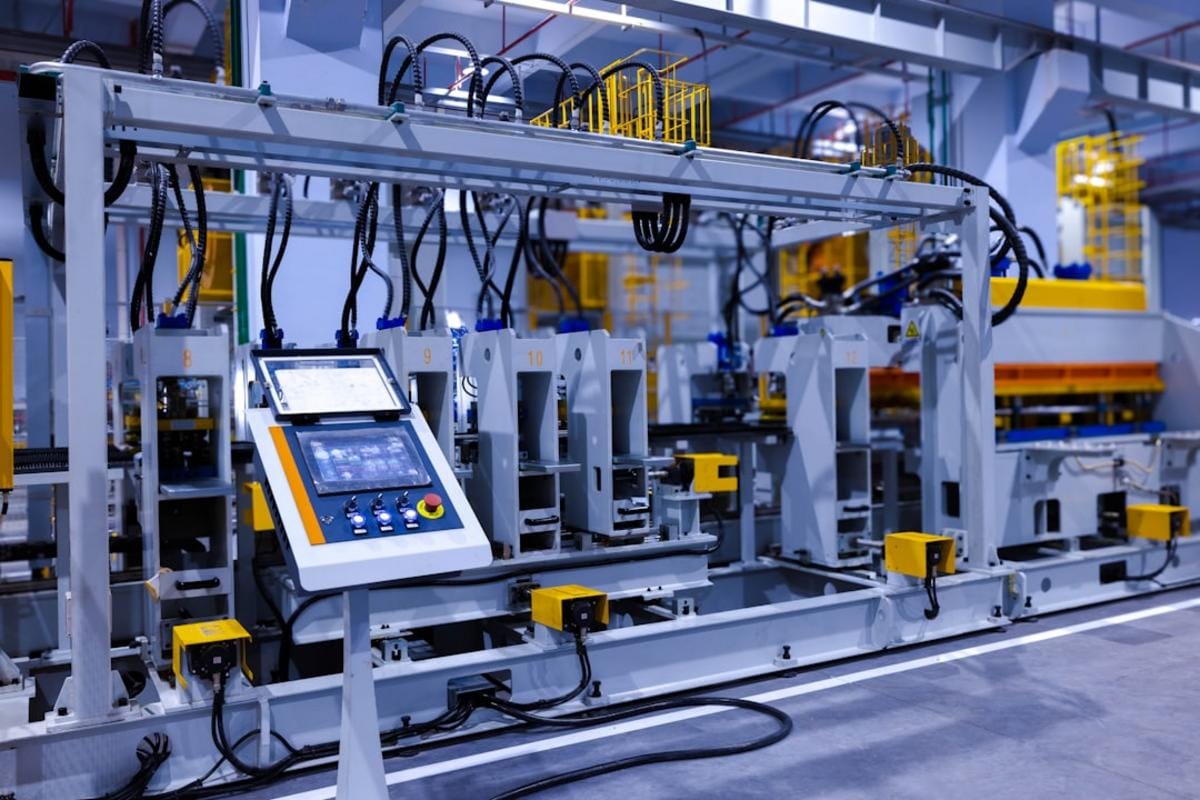
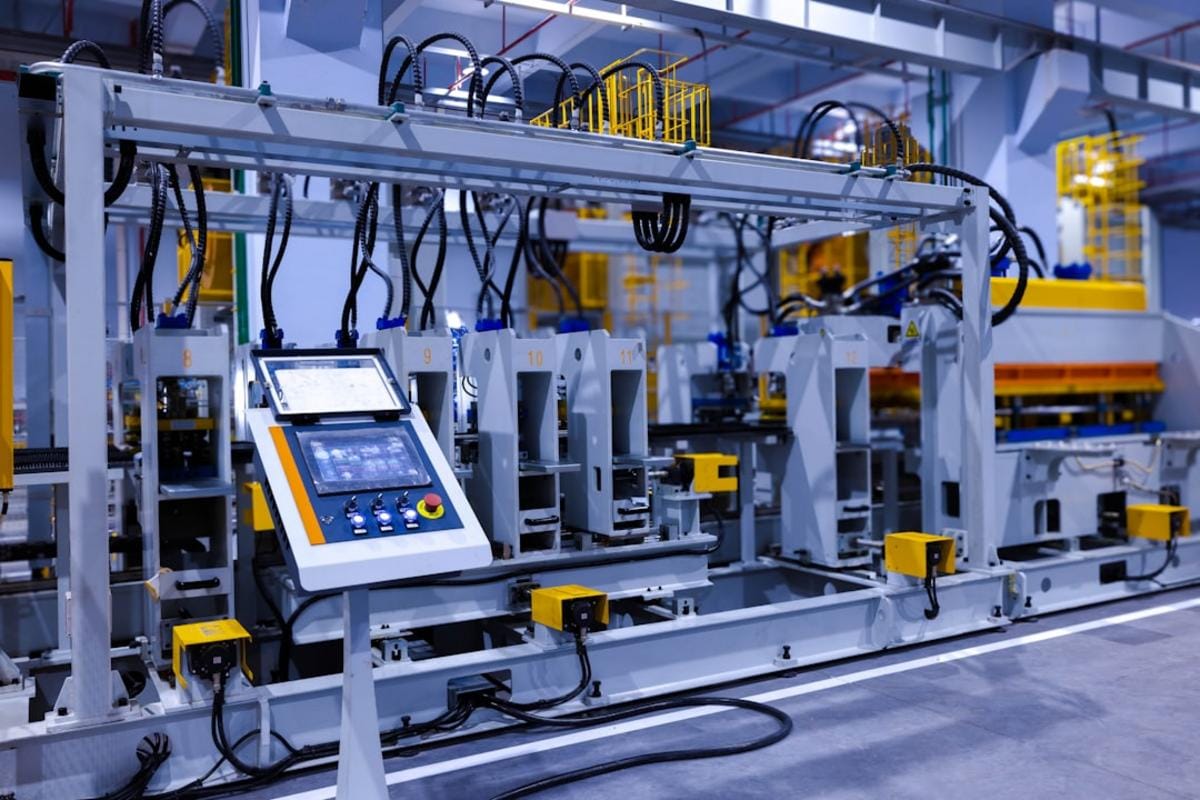
The adoption of cutting-edge technology in concrete production plays a pivotal role in elevating operational efficiency, ensuring higher quality outcomes, and reducing waste. Modern concrete batching plants are now equipped with advanced software that allows for real-time supervision and automated adjustments, significantly decreasing human error. For example, programmable logic controllers (PLCs) automate the entire batching process, allowing operators to pre-set recipes and monitor performance via user-friendly interfaces. These innovations enable synchronous operation of material feeding, mixing, and discharge, sharply increasing throughput while maintaining optimal mix consistency. Additionally, integrating IoT devices within these systems offers predictive insights into machine health, allowing maintenance crews to anticipate and address potential faults before they escalate into costly downtimes. Augmented reality (AR) and virtual reality (VR) are also being integrated into training modules, helping operators visualize complex procedures without the risk associated with real-world experimentation. With these developments, construction companies are not just increasing their output but also consolidating safety protocols and reducing environmental footprint by optimizing resource utilization. Therefore, aligning with these technological advances is crucial for companies aiming to remain competitive, productive, and sustainable in the demanding landscape of modern concrete construction.
Maintaining Equipment for Longevity and Performance
Reliable maintenance practices are fundamental to ensuring the longevity and peak performance of heavy equipment in concrete production. Regular inspection routines, lubrication schedules, and wear part replacements prevent unexpected breakdowns that could delay critical projects. Modern maintenance strategies are increasingly predictive, leveraging sensor data and machine learning algorithms to forecast impending failures before they affect operations. For example, vibration analysis and thermal imaging can detect imbalances, misalignments, or overheating issues early, enabling timely interventions. Additionally, establishing robust calibration protocols for batching equipment ensures measurement accuracy, directly impacting the quality of the delivered concrete. For contractors, partnering with equipment manufacturers that offer comprehensive service packages—including remote diagnostics and on-site support—can significantly enhance uptime and reduce long-term costs. Investment in operator training also plays a vital role, ensuring personnel can identify potential issues and perform routine maintenance tasks with confidence. Ultimately, a proactive approach to equipment maintenance not only preserves asset value but also sustains efficiency across all phases of concrete production, making it a critical component of modern construction operations.