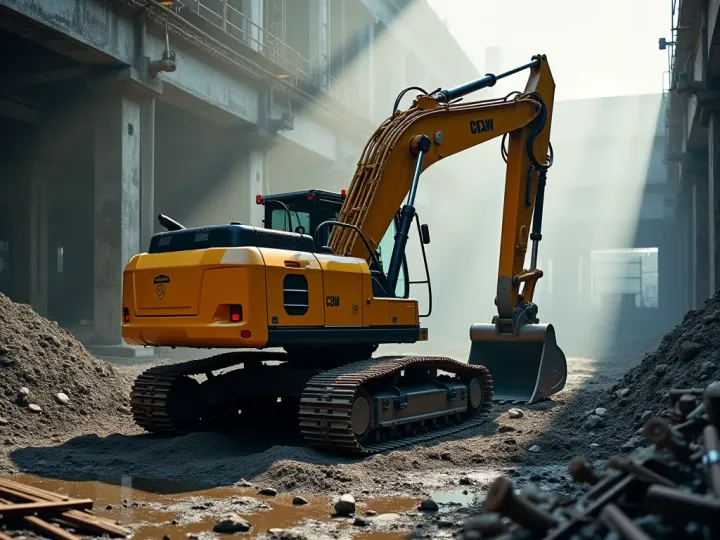
The 7-year trap hiding in your heavy equipment loan terms
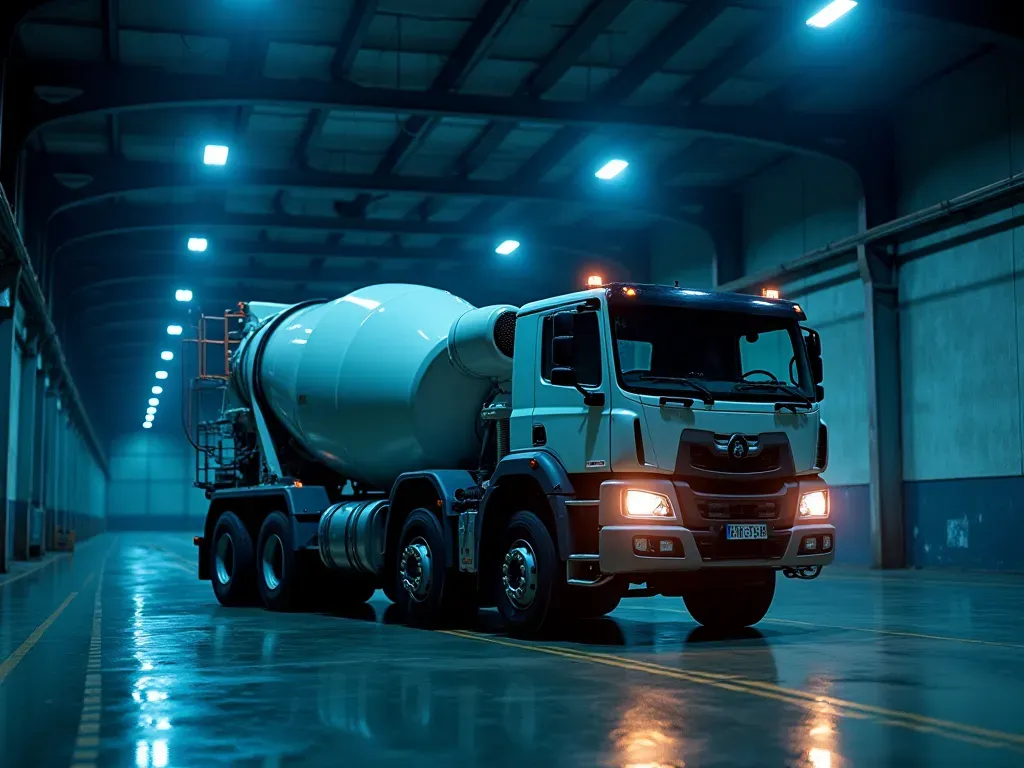
The Silent Bleed of Long-Term Machinery Debt
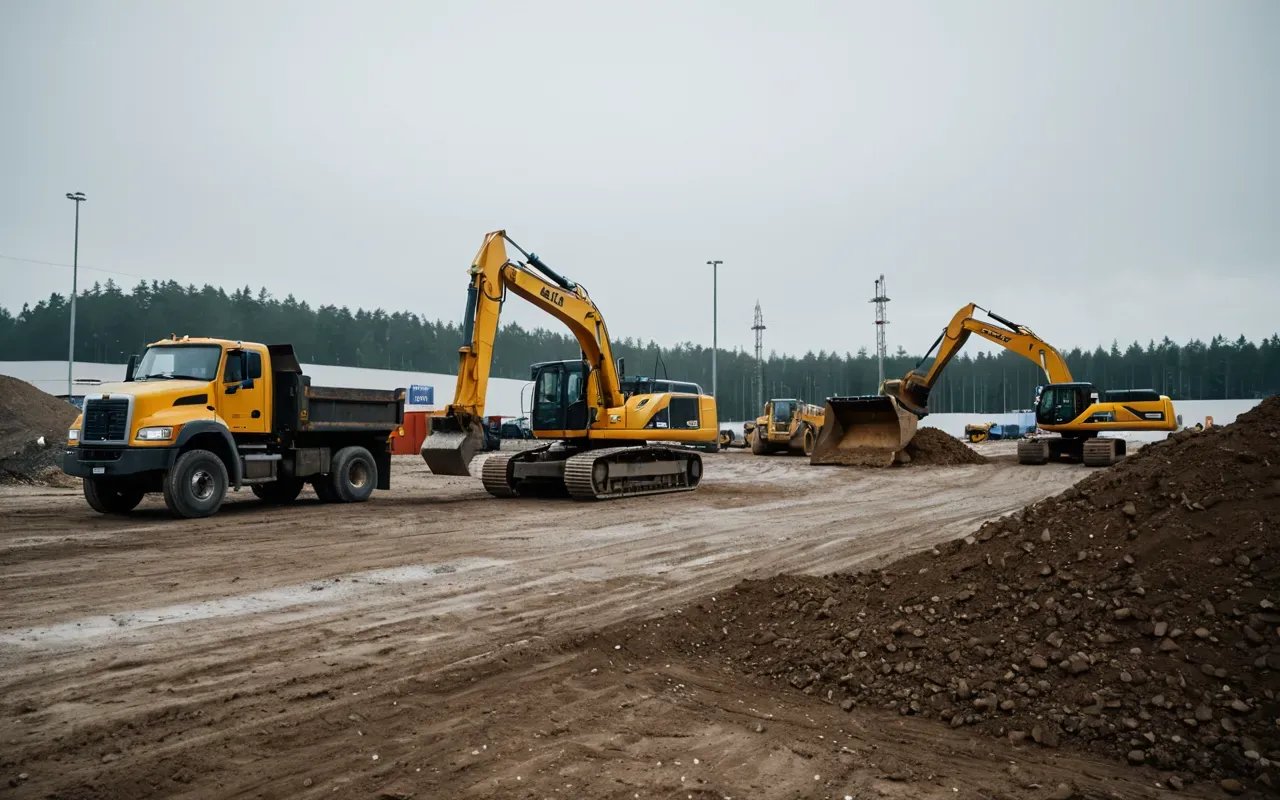
We keep seeing it in the industry. A contractor signs a deal for a new concrete batching plant or an excavator because the monthly payment looks manageable on paper. It fits the cash flow model perfectly — at least at first.
Then year three rolls around. Maintenance costs spike, because the machine turns out to be older than expected relative to its usage hours. And the interest portion of that loan payment starts eating into your profit margin in a way you never budgeted for.
That's the trap. It isn't about whether you can afford the machine today. It's about whether your business can survive the seven-year tail of that debt while you're competing against operators who bought used or leased their iron.
Why Speed of Funding Masks Real Costs
Lenders like Lendio advertise funding in as little as twenty-four hours. Powerful selling point, no question — especially for an owner who needs to secure equipment before the next bid deadline.
But fast approval usually comes with higher origination fees. These upfront costs can run from two to five percent of the total loan amount. Borrow fifty thousand dollars for a small loader and that's one to two and a half thousand dollars gone before the machine even leaves the dealer lot.
I've spoken to operators who only figured this out after closing. They assumed they'd landed a competitive rate because it was lower than their bank's offer. Then you add in the front-loaded fees, and the effective interest rate jumps significantly.
The Personal Guarantee Risk You Cannot Ignore
Most heavy equipment loans also require a personal guarantee. Meaning: if your company misses payments, you're personally liable. Your home, your car, your savings — all on the line.
In a downturn, when concrete orders dry up or material prices spike, that clause becomes your biggest nightmare. You're no longer just losing business assets. You're risking personal financial stability.
If you want to understand the deeper financial pitfalls that catch contractors off guard, we break down the silent financial trap in heavy equipment loans in our previous analysis. Worth a read before you sign anything.
Comparing the Top Lenders in the Current Market
The market is fragmented. Chase offers long repayment terms of up to seven years. Sounds great if you're financing a high-value asset like a tower crane or a large batching plant.
But longer terms mean more total interest over the life of the loan. If you can pay it off in three years, why commit to seven? Those extra four years could cost you tens of thousands in interest alone.
Specialized Lenders for Niche Needs
Fora Financial is a good option if your business is young. They accept companies with only six months of history, which lowers the barrier to entry for new startups in construction or logistics.
They do, however, require annual revenue of at least two hundred and forty thousand dollars. For a small crew just getting started, that threshold might be too high. Check whether your current cash flow qualifies.
Fundible is interesting because they accept credit scores as low as five hundred. That opens the door to operators who've been hurt by past debts but are running sound businesses now.
The SBA Advantage for Long-Term Stability
Small Business Administration loans get overlooked a lot, since approval is slower and more bureaucratic. But they offer terms up to twenty-five years.
For a massive concrete plant or heavy industrial machinery, those monthly payments are significantly lower. Which frees up cash flow for operations and hiring during the critical first few years.
Kapitus is a broker that specializes in these SBA loans. They can help you navigate the paperwork and find lenders willing to back your specific project size.
If you're weighing buying new versus maintaining older units, our article on stopping payments for new concrete plants when old ones still print money offers some counterintuitive insights.
Leasing Versus Financing A Critical Distinction
Plenty of contractors default to financing because they assume ownership is better. But for technology that changes fast — automated batching controls, telematics systems — leasing might be smarter.
When you lease, the depreciation risk sits with the lessor. If a new model lands in two years with better fuel efficiency or lower maintenance costs, you upgrade instead of being stuck with an obsolete asset.
Downside: leasing means you never build equity. After three or five years you've got nothing to show for it, unless you buy out the asset at fair market value.
Practical Steps to Secure Better Terms
Before you apply anywhere, nail down your exact needs. Don't let a salesperson upsell you on extra features or a bigger machine just because the loan covers it.
Calculate your monthly capacity. If your net profit is ten thousand dollars a month, don't take on debt that requires four thousand in payments. You need buffer for unexpected repairs.
Prequalify with multiple lenders. Do it within a short window and it won't hurt your credit score. You'll see the spread in offers — then use it to negotiate.
Gather your documents early. Bank statements, tax returns, equipment invoices, ready to go. Speed in the application process can sometimes earn you better rates, since lenders value certainty.
Unsure about the right questions to ask along the way? Check out our list of the 7 real questions to ask before buying a concrete batching plant. It covers both the technical and financial angles.
Final Thoughts on Protecting Your Balance Sheet
Financing is a tool, not a destination. It should support your growth strategy — never dictate it.
The best loan is the one that leaves you enough breathing room to adapt when markets shift or technology evolves.
Stay informed, and keep your eyes on the total cost of ownership, not just the sticker price.