The White Lumps in Roman Concrete That Engineers Spent Centuries Dismissing
The Flaw That Was Actually a Feature
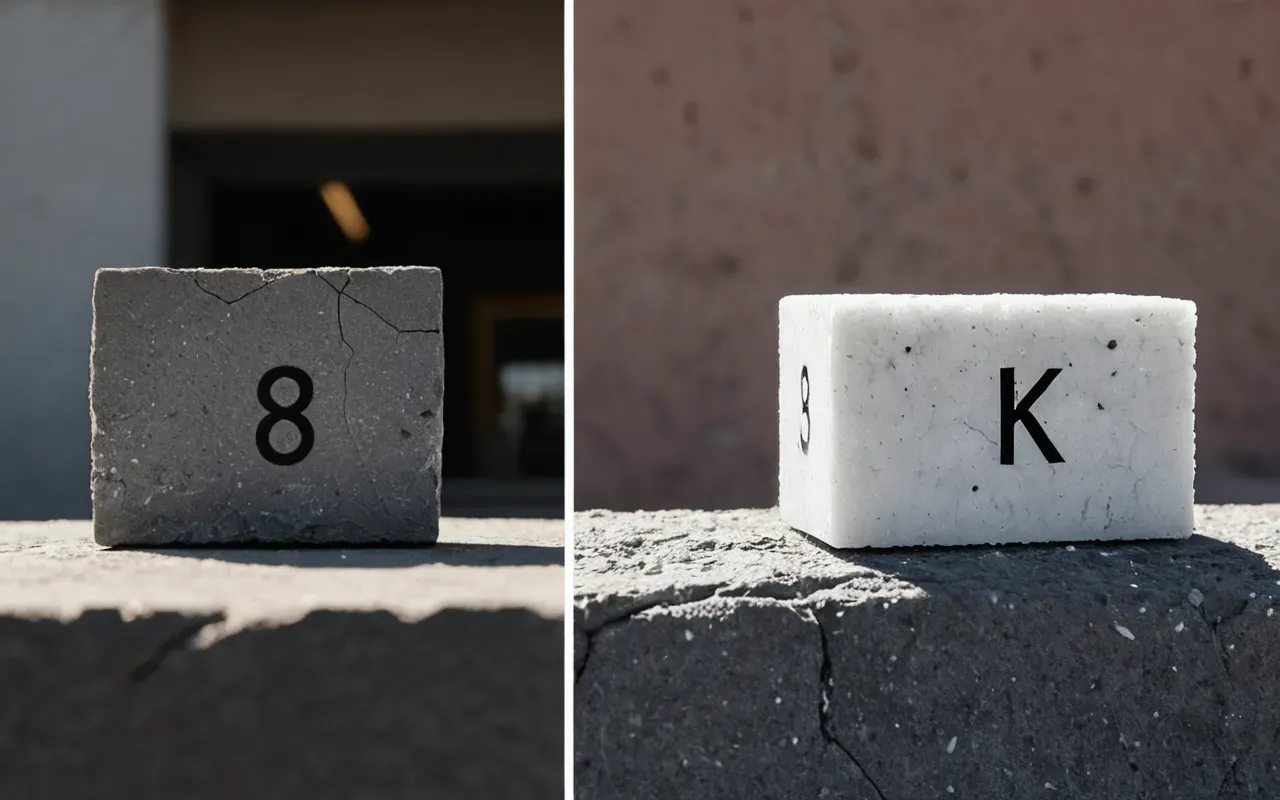
I was staring at a microscopic cross-section of a two-thousand-year-old harbor wall. To any modern QC inspector, the white specks scattered throughout the matrix would scream failure. They look like sloppy mixing. A batch control error that no plant manager wants on their record.
But here is the twist. Those specks are not mistakes. They are batteries of chemical potential waiting to be discharged. The Pantheon’s dome has stood for nearly two millennia without a single reinforcement bar holding it together.
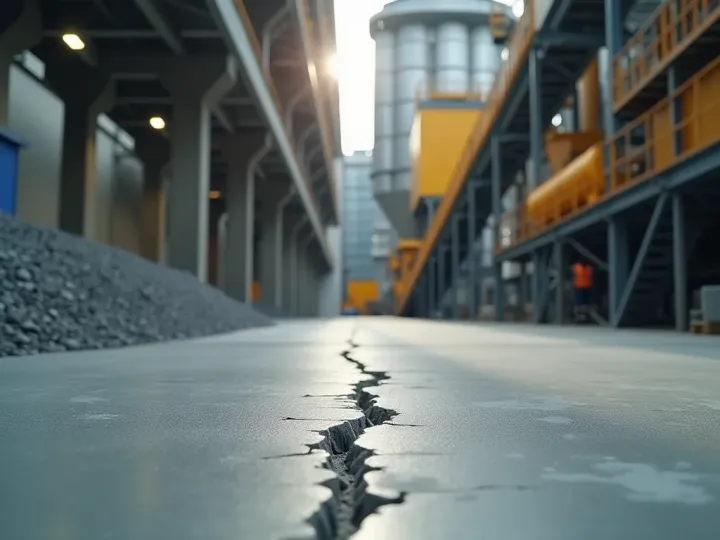
Modern structures built with high-grade Portland cement often show hairline cracks within a decade. We engineered for strength. The Romans engineered for resilience. That distinction is the entire story of why our bridges rust and their aqueducts don't.
We assume that because we can measure compressive strength in megapascals with digital sensors, we have mastered the material. We haven't. We just optimized for a different variable entirely.
How Hot Mixing Creates the Healing Agent
The mechanism is called hot mixing. It sounds like a cooking term but it involves temperatures that would make a foundry operator wince. The Romans didn't just mix lime and ash at room temperature.
They added quicklime directly to the wet mix. The reaction is violently exothermic. Temperatures spike toward several hundred degrees Celsius inside the batch drum.
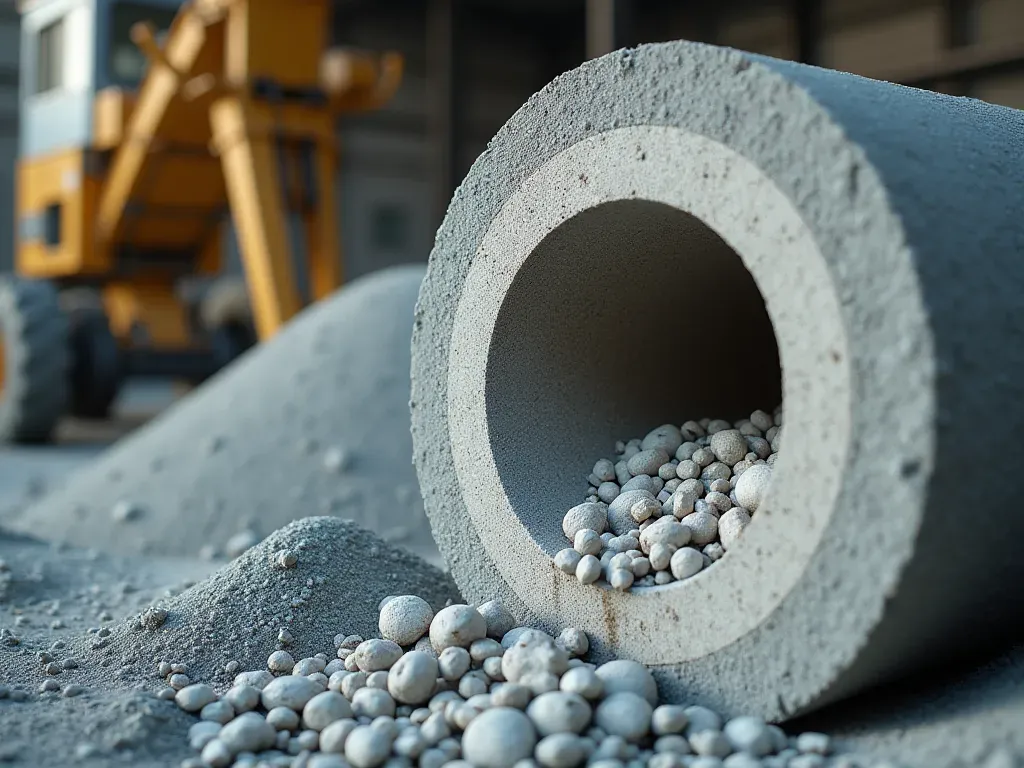
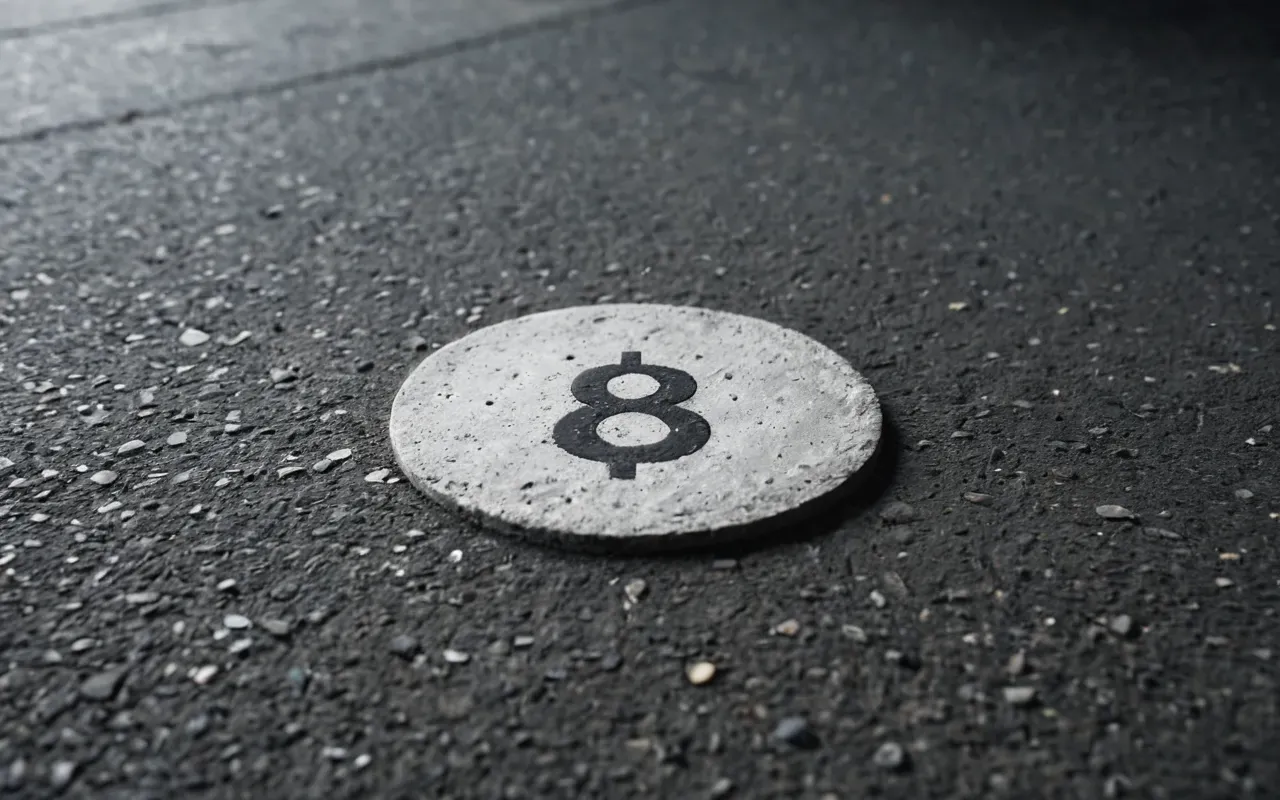
This thermal shock creates those distinctive lime clasts. They remain unreacted pockets of calcium oxide suspended in the setting matrix. Think of them as dormant seeds.
The Chemical Trigger
When a crack forms in modern concrete, water enters. It reacts with the cement paste and starts the corrosion cycle of steel reinforcement. The crack grows because nothing stops it.
In the Roman mix, the crack tends to propagate toward those brittle lime clasts. Water seeps in and dissolves the calcium inside them.
The resulting solution is supersaturated with ions. As it cools or evaporates slightly within the fracture plane, new calcium carbonate crystals precipitate.
These crystals act as mortar. They glue the two sides of the crack back together. The structure seals itself before moisture can reach the rebar.
What This Means for Batching Plants Today
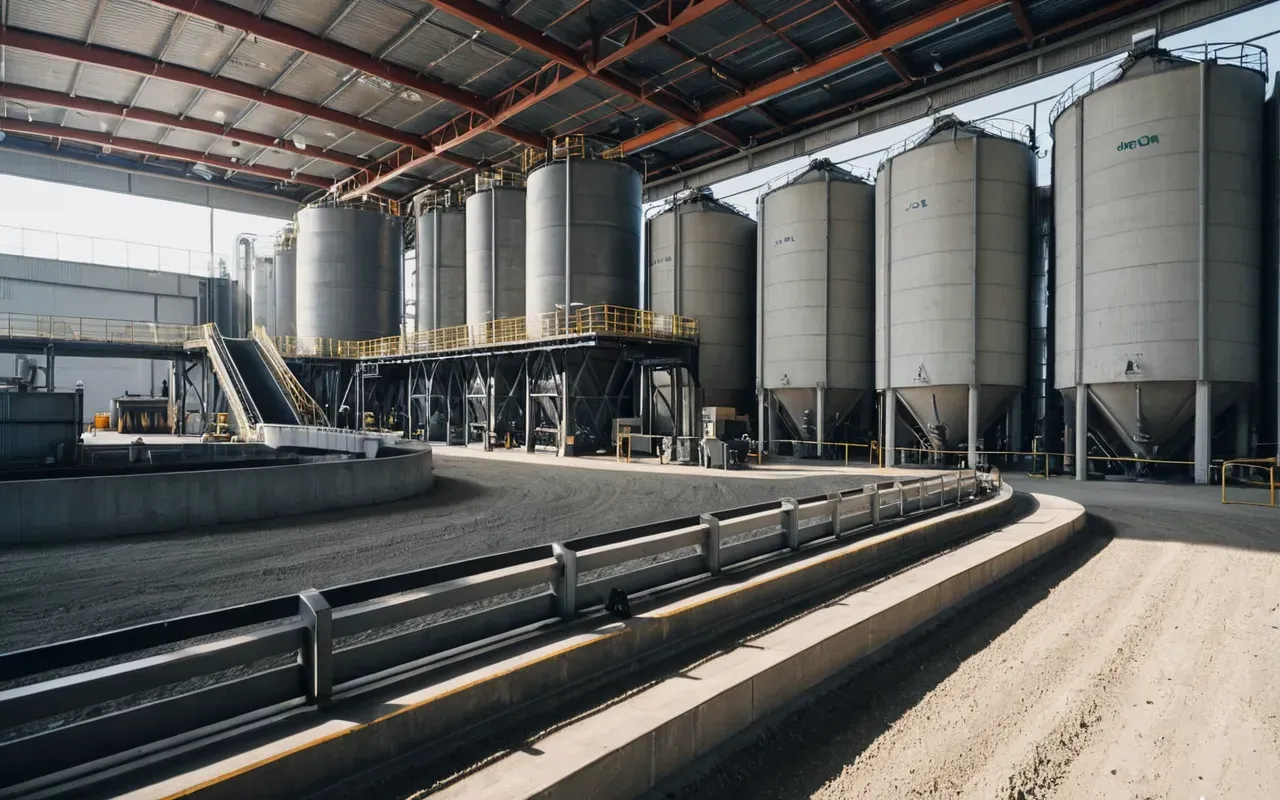
This is not just an archaeology curiosity. It is a direct challenge to how we operate concrete batching plants today.
Cement production accounts for roughly eight percent of global carbon dioxide emissions. Every ton we produce leaves a heavy environmental footprint.
If our structures lasted two centuries instead of fifty years, the total amount of cement needed over a century would drop dramatically. We are currently churning out material that dies young.
Operators looking to optimize their output might find inspiration in this. Reducing waste and extending service life are the holy grails of plant management.
There is a fascinating overlap with recent studies on emission reduction through ancient techniques that highlights how much we are still learning from the past.
The Industrial Scale Hurdle
Reproducing hot mixing in a modern plant is not trivial. We demand consistency. The Romans mixed by hand and eye.
Our batching systems rely on precise dosing of aggregates and cement. Introducing a variable that requires extreme thermal control adds complexity to the process.
However, the economic incentive is strong. If a bridge lasts twice as long, the owner saves millions in maintenance and replacement costs.
This aligns with broader trends in the industry where precision and efficiency are driving profitability more than raw volume ever did.
The Volcanic Ash Advantage in Marine Environments
Self-healing is only half the story. The other half involves volcanic ash and seawater.
Roman harbors were built directly into the sea. Modern reinforced concrete crumbles in saltwater within decades due to chloride attack.
But the pozzolanic reaction of ash and lime in seawater does something counterintuitive. It encourages the growth of rare interlocking mineral crystals.
The material gets stronger as it ages. The seawater acts as a curing agent rather than an corrosive element.
This is a material actively shaped by its surroundings. It heals cracks and hardens under conditions that destroy modern equivalents.
Why This Changes the Future of Construction
We are moving toward a world where buildings must be sustainable or they will not exist at all. Regulations are tightening on carbon emissions.
Concrete is the primary binder of civilization. If we can make it self-healing and low-carbon simultaneously, we solve two massive problems at once.
The technology is emerging. Additives that mimic the lime clast effect are entering commercial trials in various markets.
For operators of local batching plants, this represents a shift in what customers will demand. Durability is becoming the new strength metric.
We used to measure success by how fast we could pour. Now we must measure it by how long the structure stays intact.
The Romans didn't have sensors or digital controls. They had chemistry and patience. We need both now more than ever.
The white lumps were never sloppy mixing. They were the secret to survival. And now we are finally decoding that code.