The Romans solved a concrete crisis we still cannot fix
The crack that refuses to die
We built an entire world on a single assumption: concrete is dead. Once it sets, once it hardens, it simply waits for time to chew it apart.
But the Pantheon disagrees. It has stood in Rome since 126 AD, and its massive unreinforced dome has shrugged off two thousand years of weather without complaint.
Meanwhile, a bridge in your city is showing hairline fractures after just twenty years of trucks. Why the difference? No magic here.
It's chemistry. Specifically, a reaction that modern engineers dismissed as a flaw — until someone looked closer.
A startup called Dmat is now commercializing that insight. They aren't replacing cement. They're adding a secret ingredient.
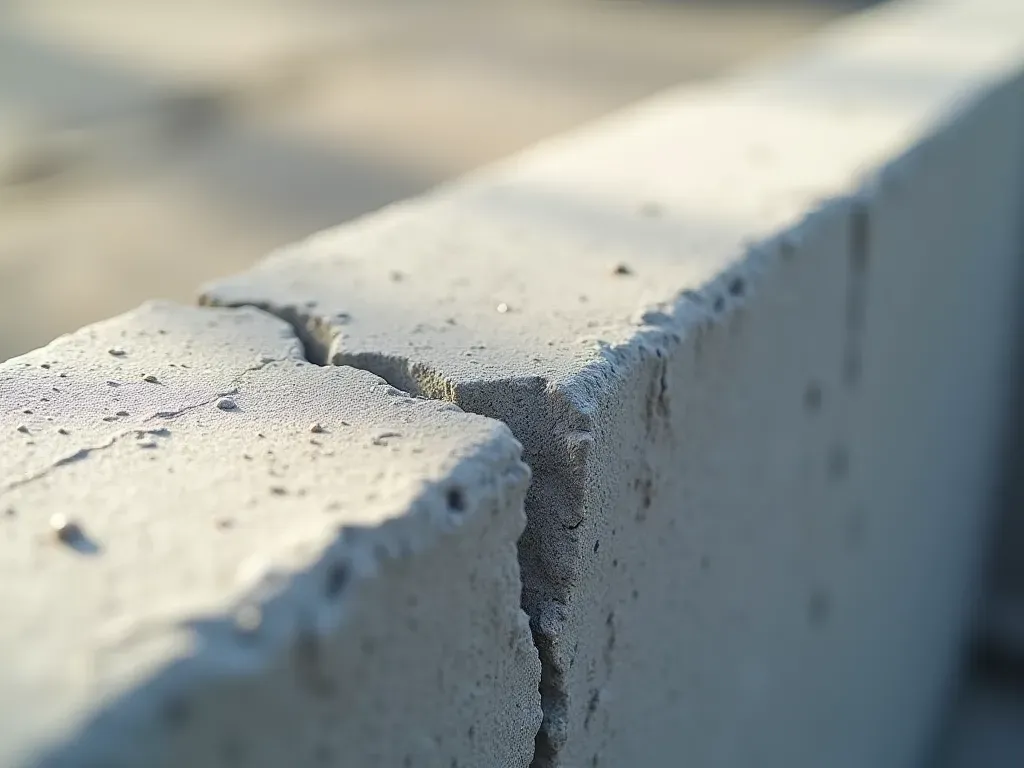
What the Romans knew that we forgot
Roman concrete wasn't just lime and rock. It included volcanic ash from specific local sources, and that changed everything.
That combination produced a material that could harden underwater. Standard cement, by contrast, dissolves within decades when exposed to seawater.
The key was a mineral phase called aluminous tobermorite. It forms a dense network that actively resists chemical attack.
But the real surprise sits in the lime clasts. These are irregular chunks of unreacted lime, trapped inside the matrix like fossils.
We used to assume they were mixing errors. Now we know they're the repair mechanism.
When water seeps into a crack and hits one of these clasts, a reaction begins. New mineral crystals grow and fill the gap from the inside out.
The carbon cost of modern durability
Here's the scale of the problem: cement accounts for eight percent of global carbon dioxide emissions. That's more than aviation and shipping combined.
But carbon isn't the only issue. We keep tearing down structures because they fail early — and then we rebuild them from scratch.
Every new bridge demands fresh cement. Every repair piles onto the total lifecycle carbon footprint.
Dmat claims their additive cuts emissions to forty percent of current levels. For this industry, that's a staggering drop.
How do they pull it off? By extending the lifespan of existing structures by fifty percent. If something lasts longer, you build less of it.
Who wins and who loses in this shift
The biggest winners are municipalities. Infrastructure repair budgets are tight, and they're shrinking every year.
If a bridge lasts one hundred fifty years instead of seventy-five, the city saves millions in repairs over its lifetime.
Contractors benefit too. Fewer callbacks for spalling concrete means stronger reputations and less liability.
But someone has to lose. Traditional cement producers could face real pressure to adopt this technology — or watch their market share slide.
There's also a quieter shift happening. Materials science now matters more than raw strength.
Engineers aren't just calculating load anymore. They're designing chemical reactions meant to last centuries.
The practical reality of adoption
This isn't a lab experiment anymore. Dmat is moving toward commercial scale production.
The additive works with existing batching plants. You don't need new machinery for basic adoption.
That lowers the barrier to entry. Contractors can test it on small projects without making a major capital bet.
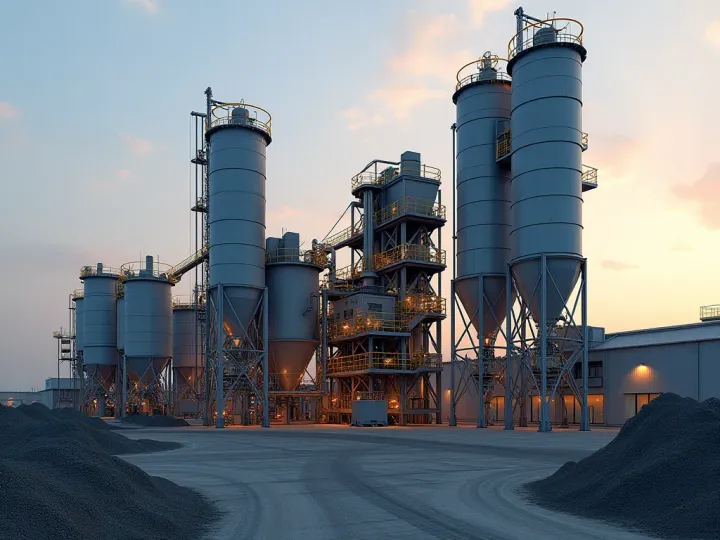
If you've ever managed a concrete batching plant before, you know that small changes in mix design can cause enormous problems.
Quality control is the real challenge. The additive has to perform consistently across different climates and aggregate types.
Regulatory approval will take time, too. Governments move cautiously when it comes to new structural materials.
Why this changes more than people think
We tend to view infrastructure as a static asset. Once it's built, it's done.
Self-healing concrete challenges that assumption. It suggests materials can be active participants in their own upkeep.
This could reshape how we design for failure. Instead of trying to prevent cracks entirely, we manage them chemically.
It also opens the door to other bio-inspired materials. Nature has spent millions of years solving durability problems.
The lesson from Rome isn't just about the past. It's a template for future innovation.
We have the data. We have the chemistry. Now we just need the will to build differently.