The hidden cost of concrete batching plants in Australia that nobody talks about
The silent leak in your profit margin
Last Tuesday, I watched an operator in Melbourne dump twelve tonnes of mixed concrete. On paper, that mix was perfect. Out in the yard, it failed every strength test they threw at it.
Why? Calibration drift. The scales had shifted by just two percent over three months. Nobody caught it until the customer rejected the load.
This isn't rare. In Australia alone, that one mistake drains millions from industry budgets every year. And it happens in plants of every size.
Here's the thing about heavy equipment management. We fixate on the big visible costs — fuel, labor. The small invisible ones slip right through our fingers.
Why calibration drift is the real enemy of efficiency
Calibration isn't a one-time setup task. It's an ongoing battle against wear and environmental factors that keep shifting your measurements.
Temperature changes affect sensor accuracy. Vibration from nearby machinery creates noise in the readings. Humidity even changes how materials flow through your system.
I've seen plants where a single uncalibrated hopper caused three weeks of quality complaints. The fix cost less than the revenue lost in that same period.
The problem is we treat calibration like a checkbox. We do it once during commissioning, then forget about it for months. Sometimes years.
The numbers that should scare you awake at night
A two percent error in aggregate dosing sounds negligible. Multiply it by hundreds of loads a month and you're looking at tens of thousands lost.
But the real cost isn't just wasted material. It's rework time, customer dissatisfaction, and liability issues that can wreck your reputation.
In one case I tracked in Perth, a plant spent $, on remedial work for failed structural elements. Every bit of it traced back to inconsistent batch proportions.
Building your defense against invisible losses
So how do you protect yourself? Start with a rigorous calibration schedule that goes beyond the minimum legal requirements.
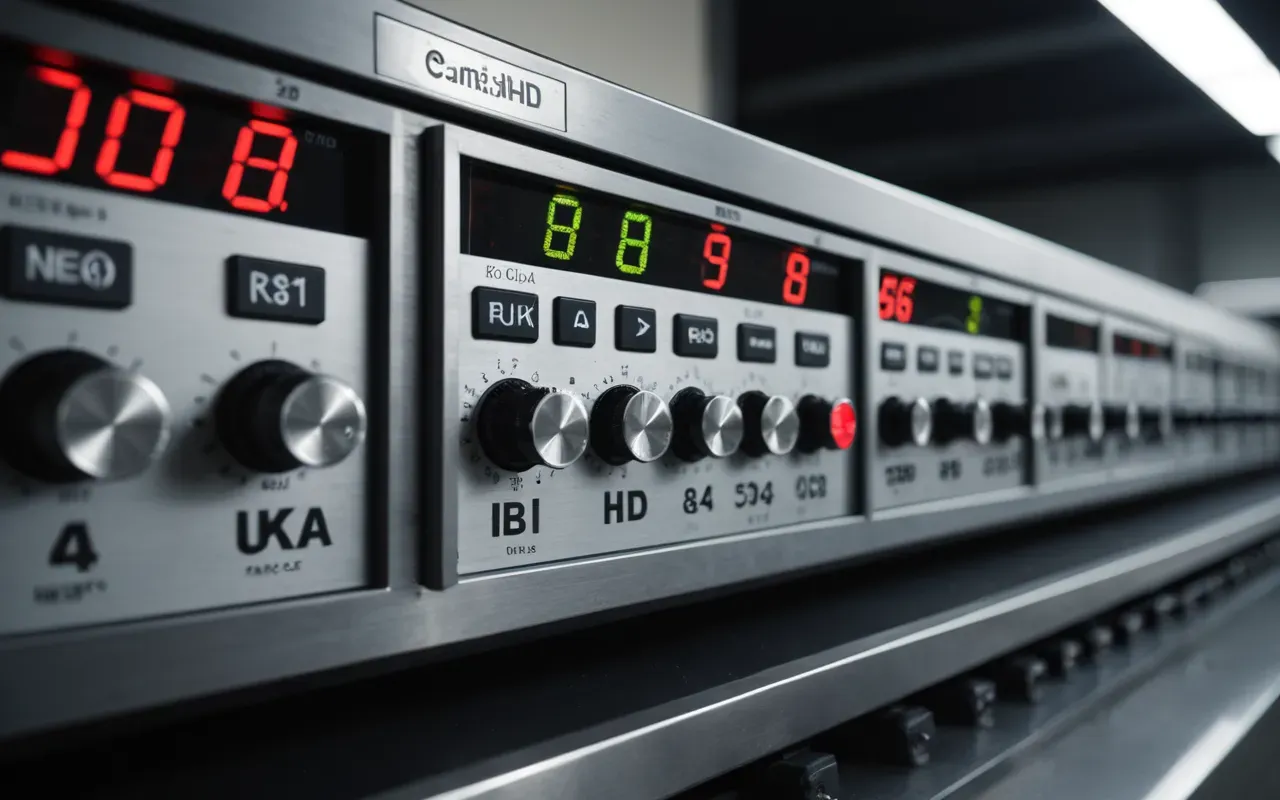
Implement daily verification checks. Use reference weights to validate your scales before each shift. Log every reading and trend the data over time.
Invest in automated systems that flag anomalies immediately. Modern technology can catch drift before it becomes a production problem.
The maintenance culture that separates winners from losers
Maintenance isn't just about fixing broken parts. It's about preventing failures before they happen and optimizing performance continuously.
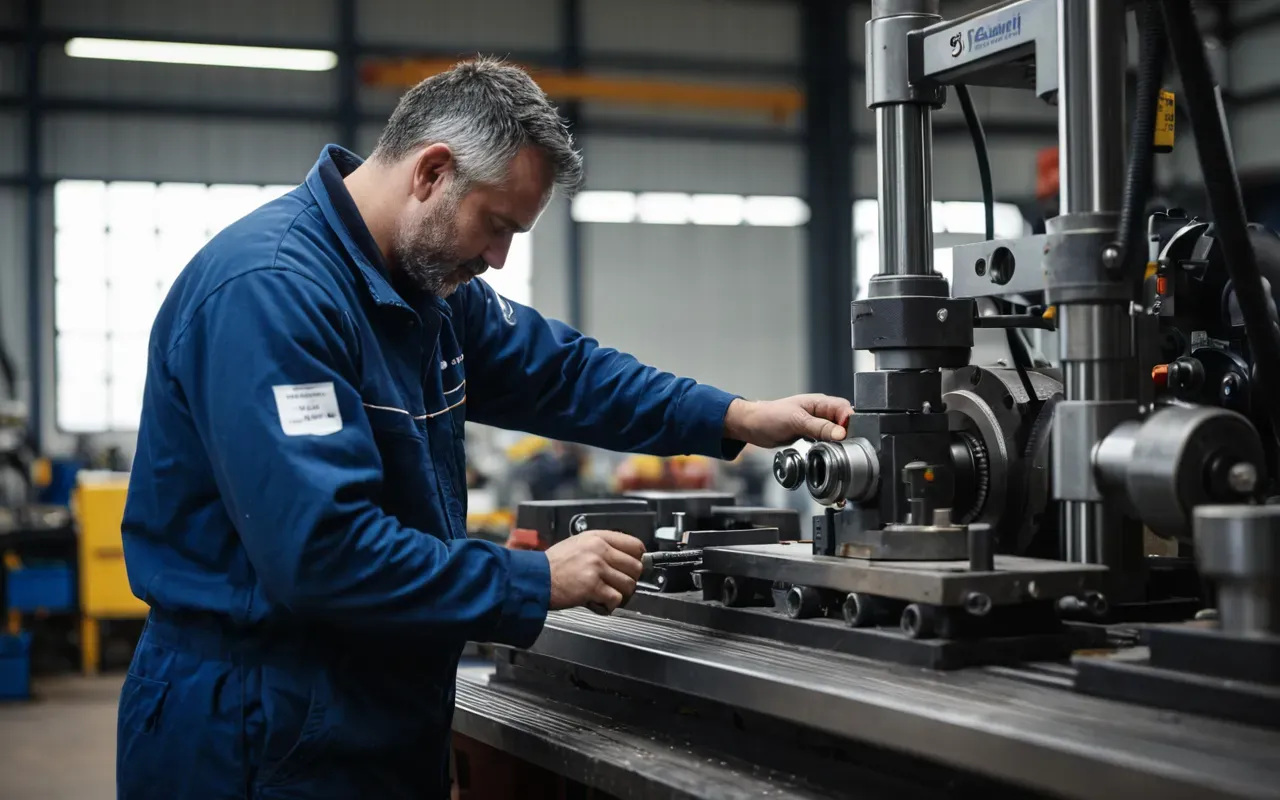
I've met operators who keep detailed logs of every adjustment, replacement, and calibration. Those records have saved their businesses from catastrophic failures.
Create a culture where reporting issues is rewarded, not punished. Your best maintenance insights come from the people running the equipment every day.
Technology as your invisible safety net
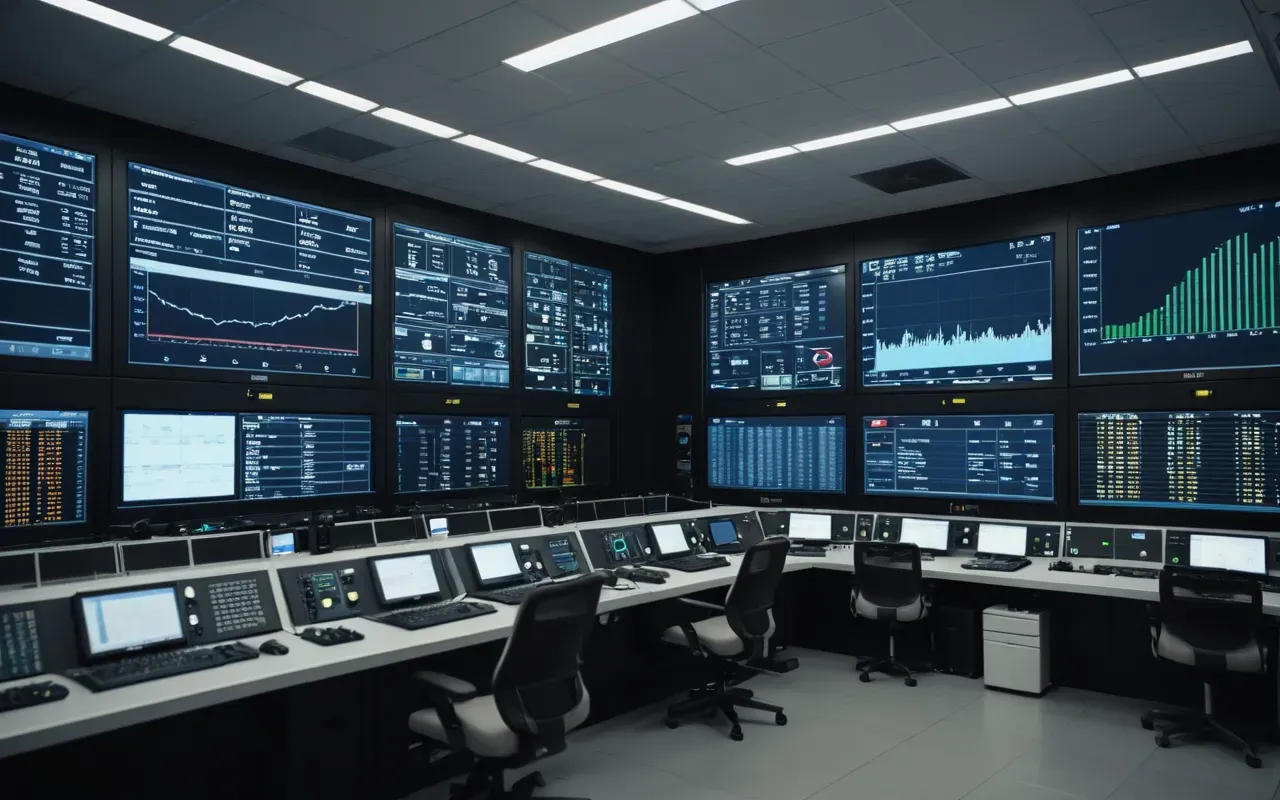
Modern batching plants ship with sophisticated monitoring systems. Most operators use a fraction of what those systems can do.
Real-time data analytics can predict equipment failures weeks in advance. Machine learning algorithms spot patterns that human operators would miss.
I recently visited a facility that implemented predictive maintenance software. Their unplanned downtime dropped by sixty percent within six months.
Making the case for smart investment in your operation
The upfront cost of advanced monitoring systems looks significant. But compare it to the ongoing losses from undetected calibration issues.
A $, investment in smart systems that prevents even one major quality failure pays for itself many times over.
Look at it this way. You're already spending millions on materials and labor. Why not invest in the systems that make every dollar work efficiently?
The human element that technology can't replace
Despite all the automation and smart systems, nothing beats experienced human judgment. Your operators see things sensors can't detect.
That subtle change in the sound of a conveyor belt. The slightly different texture of wet concrete as it flows from the chute.
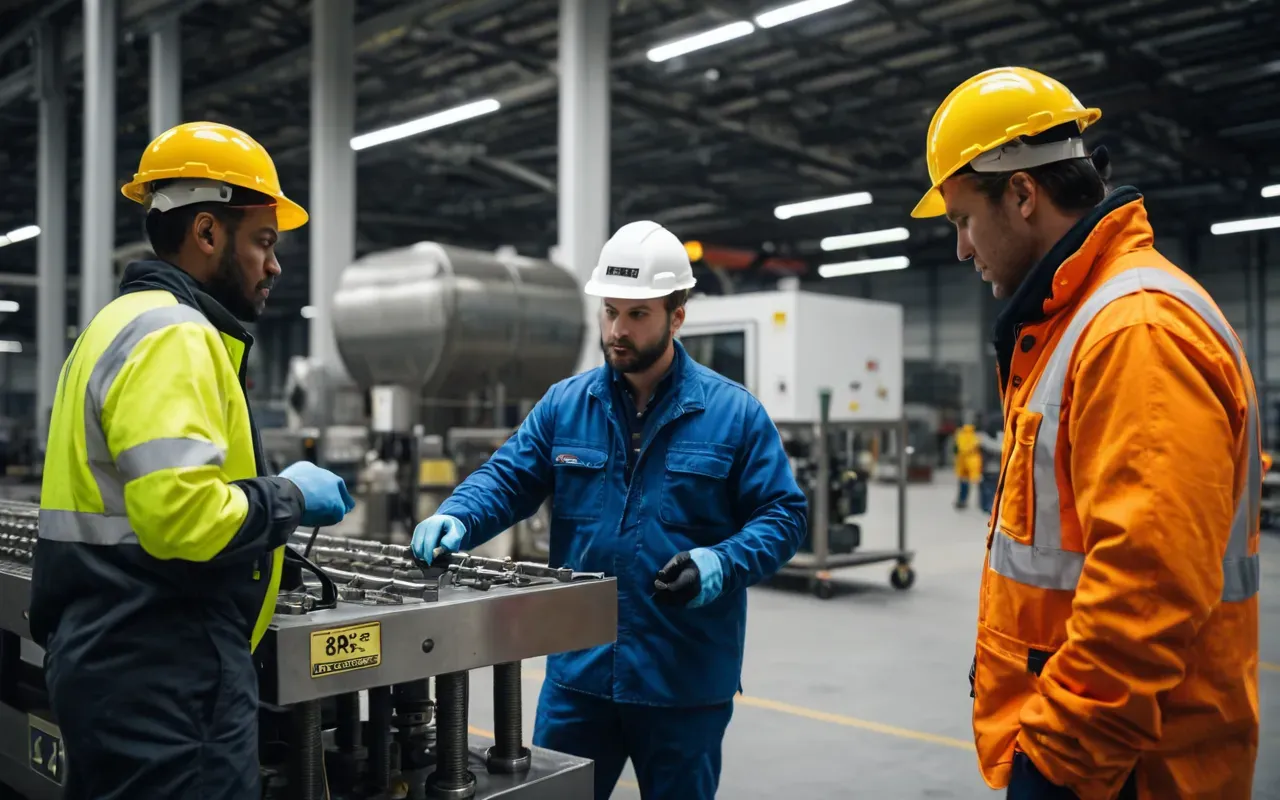
Invest in training your team to recognize these subtle cues. The best plants combine technology with deep human expertise.
Building a learning culture around your equipment
Set up regular knowledge-sharing sessions where operators discuss unusual events and the solutions they've discovered.
Document those insights in a central knowledge base. This institutional memory becomes invaluable when troubleshooting complex issues.
I've seen small plants outperform much larger operations because they understood their specific equipment better than the manufacturers did.
Sustainability as a driver of efficiency
Environmental responsibility and operational efficiency aren't opposites. They're two sides of the same coin.
Reducing waste through precise batching directly lowers your environmental footprint. Less material wasted means less extraction and transport.
Water recycling systems in modern plants can cut consumption by up to seventy percent. That's a significant operational and environmental benefit.
The economic case for green practices in concrete production
Customers increasingly prefer suppliers with strong sustainability credentials. This can open doors to premium contracts and new markets.
Regulatory pressure is also increasing across the region. Proactive sustainability measures position you ahead of future compliance requirements.
The plants that embrace efficiency and sustainability together are building the most resilient businesses for the future.