Texas just moved concrete plants further away but missed the real danger
The Setback Trap
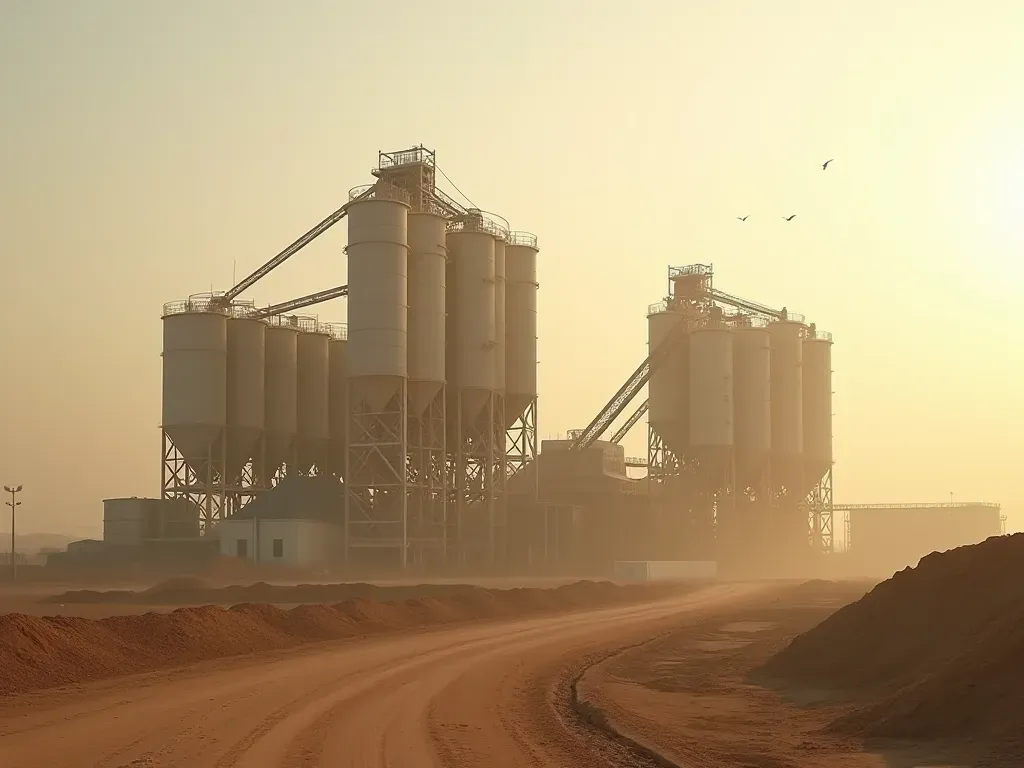
Look at the map. One concrete plant. Then another just down the road. Maybe three in a row. The new Texas rules say move them back by feet. That feels like progress. But it is not.
In Gunter, a small town near Dallas, residents breathe easy only on weekends. That is when the nearby plants stop running. Linda Hunter, a local farmer, says her blood pressure drops then. The machines are silent for two days.
The Texas Commission on Environmental Quality proposes production caps. They want to limit output to , cubic yards per year in many areas. This is a real change from previous unlimited permits.
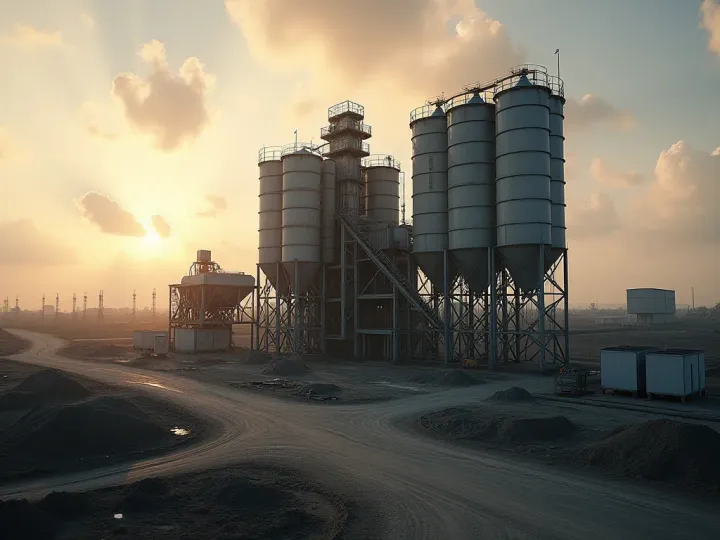
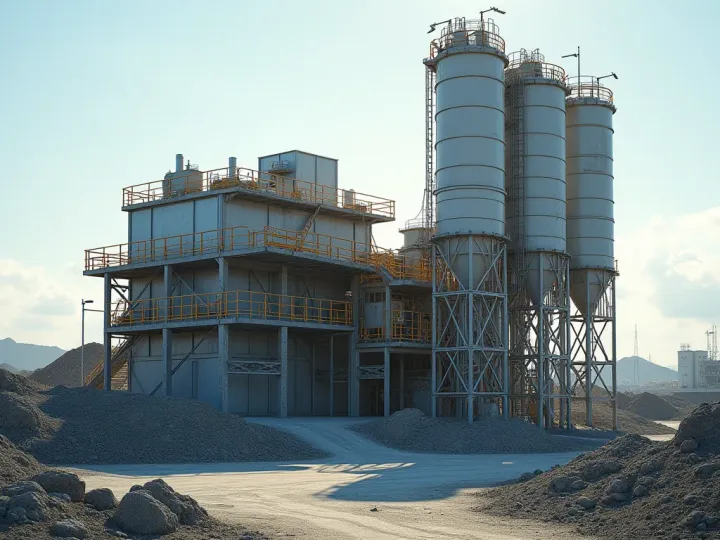
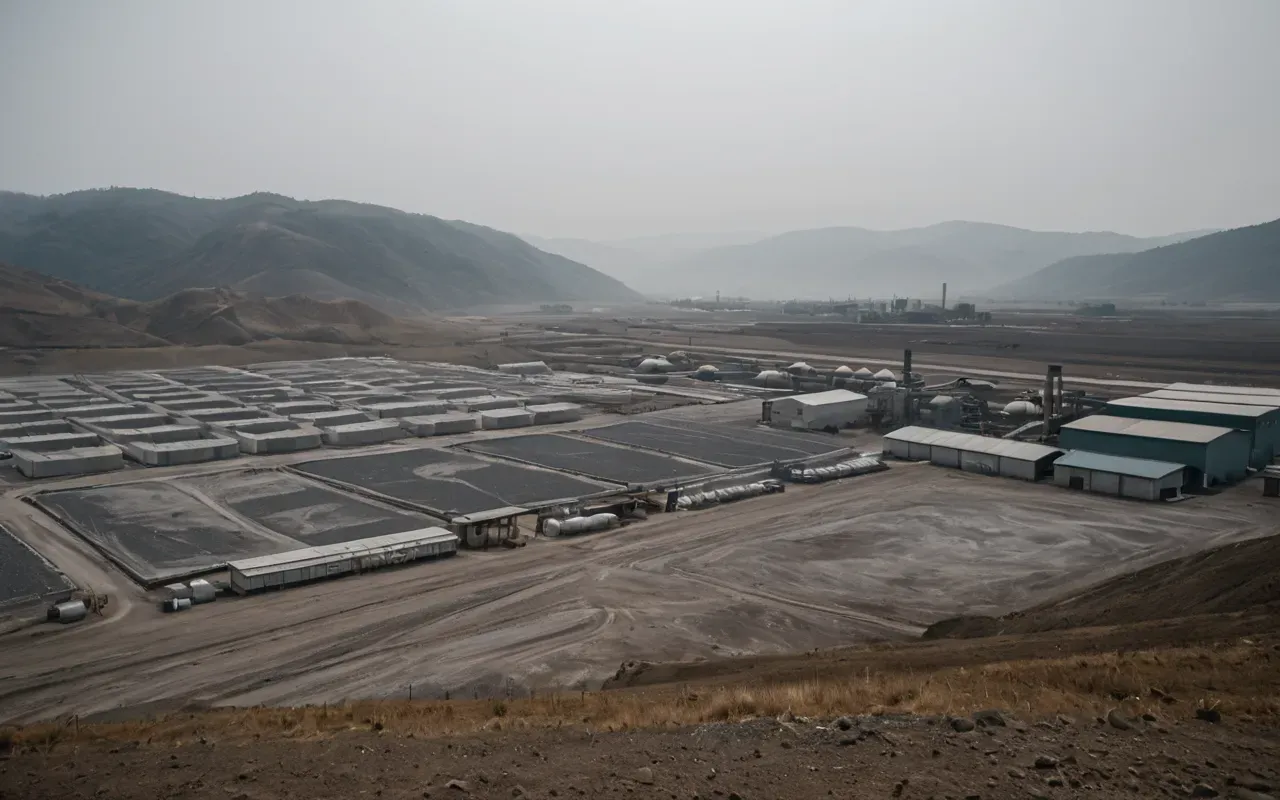
But here is the problem nobody talks about. Moving a plant further away does not fix cluster pollution. If you have five plants in one valley, the air stays thick with silica dust. Distance from one fence line means little when the next machine is right there.
Why Distance Is Not Safety
Regulators think increasing setback distances solves the issue. They raise the minimum from feet to or even feet in certain counties like Harris and Cameron. This sounds reasonable on paper.
But wind does not care about property lines. Particulate matter travels miles. In Joppa, a neighborhood in Dallas, researchers have long cited it as one of the most polluted spots in the city. Residents there fight plants that are technically "legal" but damaging their lungs daily.
I was struck by the disconnect. The rules focus on single-source emissions. They ignore the stack-up effect. When you live next to three plants, your exposure is tripled. The current permit system does not account for this cumulative burden.
The Enforcement Gap That Kills Compliance
Even if the rules are good on paper, they fail in practice. An independent review found that TCEQ relies heavily on self-reported data from plant operators. This is a massive red flag for public health.
Imagine relying on a factory to report its own pollution levels accurately. It is like asking a driver who ran a red light to fill out the accident report themselves. Incentives are misaligned, and enforcement becomes weak.
We keep seeing this pattern in the construction sector. Companies want to minimize costs for dust suppression and air filtration. Without strict third-party audits, these systems often go uncalibrated or broken.
A single sensor drift can hide significant emissions. I have read about a Texas plant that lost money because they ignored early warning signs from their monitoring equipment. That was a financial loss, but the health cost to neighbors is unquantifiable.

The Hidden Cost of Inaction
Critics argue that the state is not prioritizing human health. They point to respiratory diseases and cancer risks linked to crystalline silica dust. These are not abstract threats; they are daily realities for workers and residents.
The EPA is considering stricter national limits on particulate matter. If they adopt these, Texas rules will need a complete overhaul to stay compliant. Waiting for federal action creates a dangerous regulatory vacuum now.
So who wins in this scenario? The industry claims they can still build infrastructure. They say the $ billion annual economic impact justifies lenient rules. But at what cost to the communities breathing that dust?
What Operators Must Do Differently Now
If you run a batching plant, the landscape is shifting. New rules require water sweeping and cleaning of machinery to reduce dust at transfer points. This is not optional; it is becoming a permit condition.
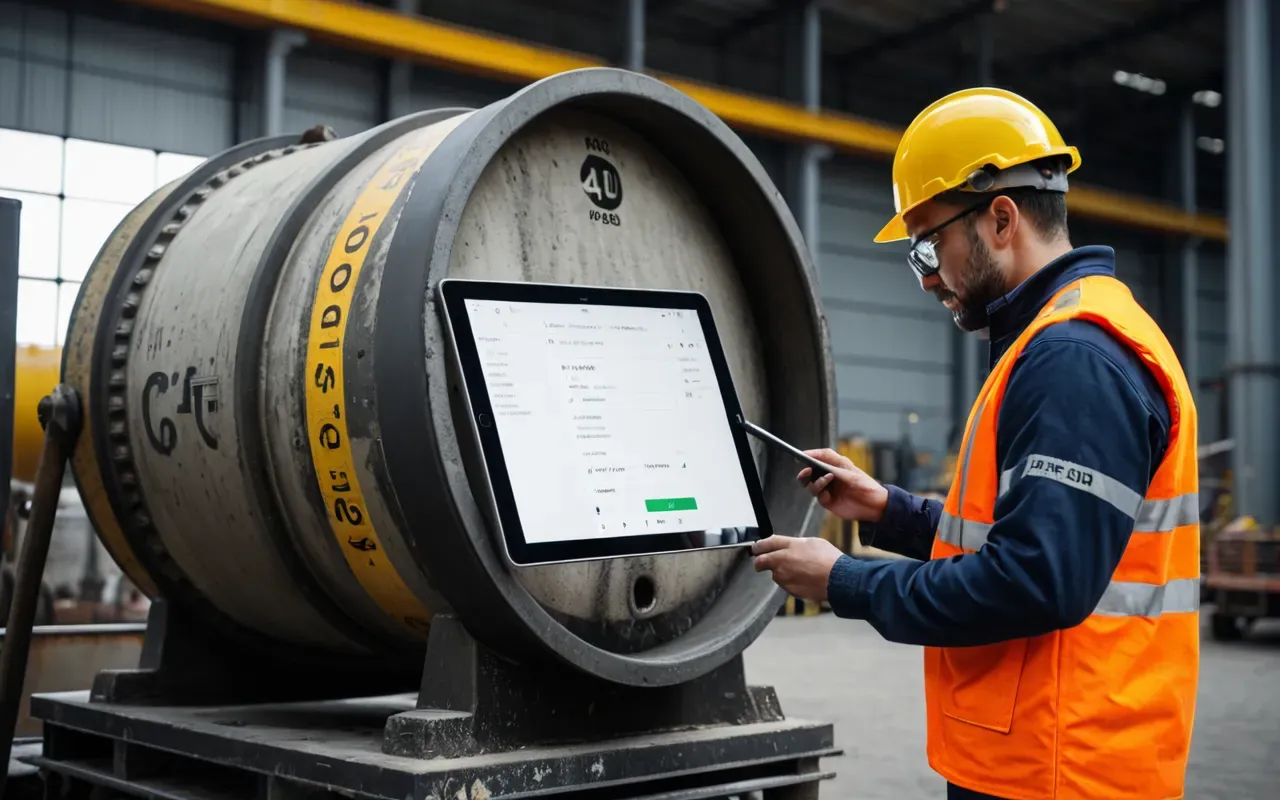
You need to upgrade your monitoring systems. Do not trust old analog gauges. Invest in digital sensors that provide real-time data logs. This protects you from regulatory fines and proves compliance during inspections.
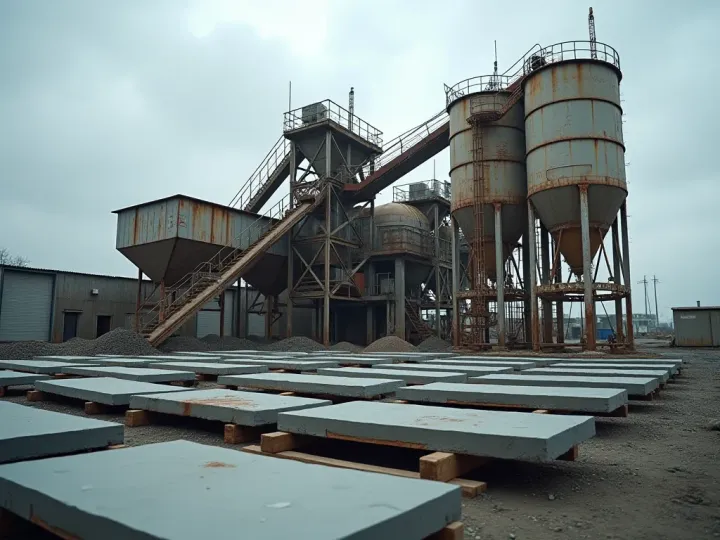
Maintenance is the key. A broken seal on a mixer can release massive amounts of particulates in seconds. Regular inspections catch these failures before they become environmental violations or public health emergencies.
Consider the long-term view. As cities grow and land becomes scarce, concrete plants will be closer to homes than ever before. Proactive environmental stewardship is not just ethical; it is a survival strategy for your business.
The Community Perspective Matters Most
Residents in Houston and Dallas have fought this battle for years. They want caps on the number of plants within a certain radius. This is a logical demand that current regulations completely ignore.
Without zoning restrictions, developers can open multiple plants in vulnerable neighborhoods. These areas often have limited political power to stop the construction or demand better standards.
The industry claims they are doing their best. They minimize noise and truck traffic. But best effort is not enough when the alternative is chronic illness for thousands of families living downwind.
The Road Ahead For Texas Concrete Production
The public comment period is open. This is your chance to weigh in. Whether you are a resident or an operator, your voice shapes the final rules that will govern this industry for years.
I believe we are missing the forest for the trees. Focusing on individual plant setbacks is a band-aid solution. We need systemic changes that address cumulative impacts and enforceable standards.
The concrete industry is essential. We build roads, bridges, and homes with it. But we cannot sacrifice human health for construction speed. It is time to demand better from the regulators and operators alike.
What do you think about these new rules? Have you experienced issues with nearby industrial plants? Share your thoughts in the comments below. Your experience might be exactly what needs to change.