Tensik's Quiet Manufacturing Shift Could Reshape Concrete Equipment Reliability
The Real Bottleneck Is Not the Machine Itself
Most buyers focus on mix capacity or hopper size. I watch how plants are built before they ever leave the shop floor. Tensik Industries recently marked twenty years of making concrete batch plants and heavy equipment across North America.
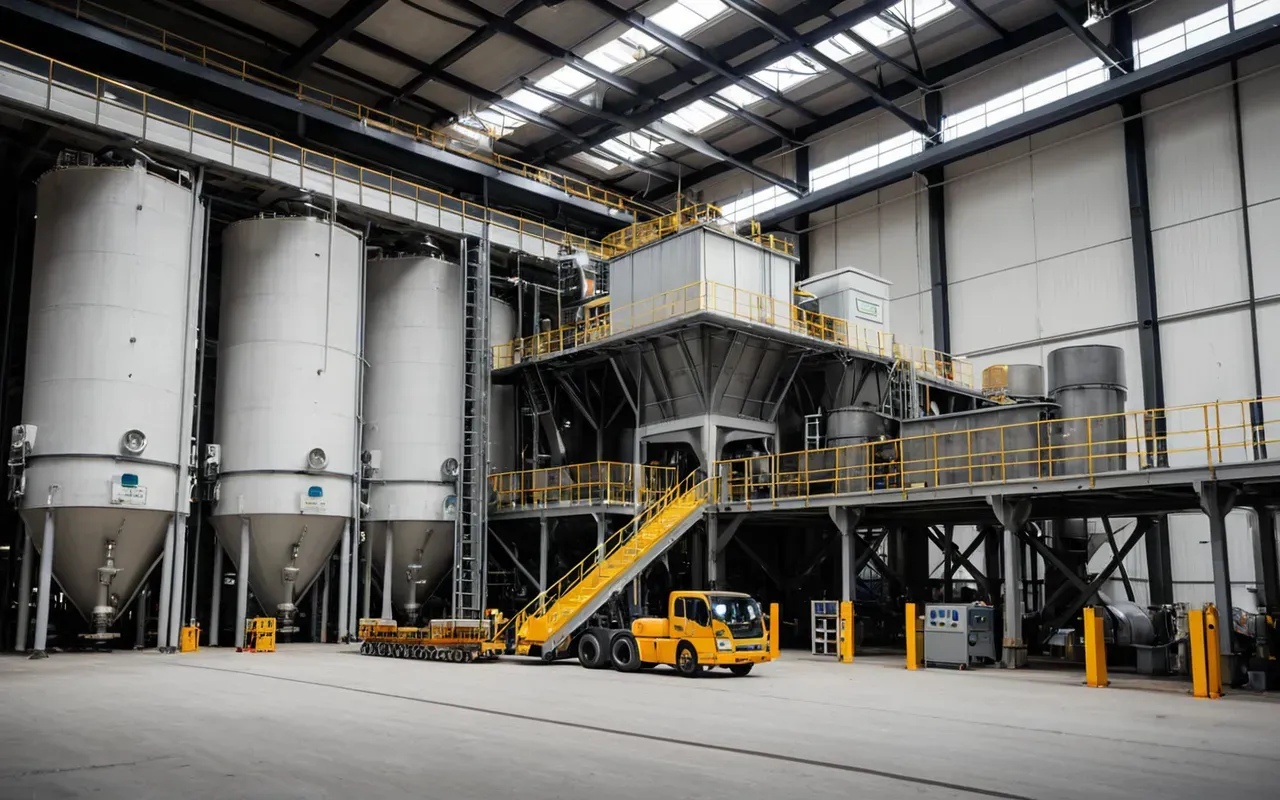
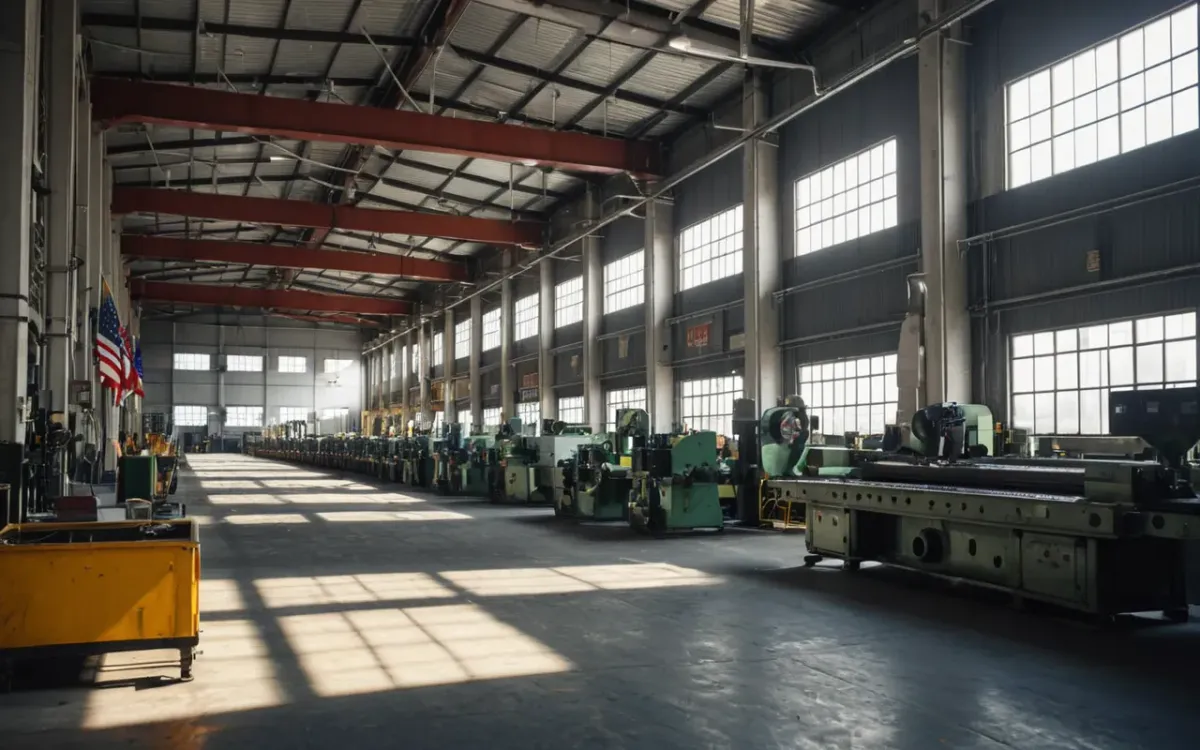
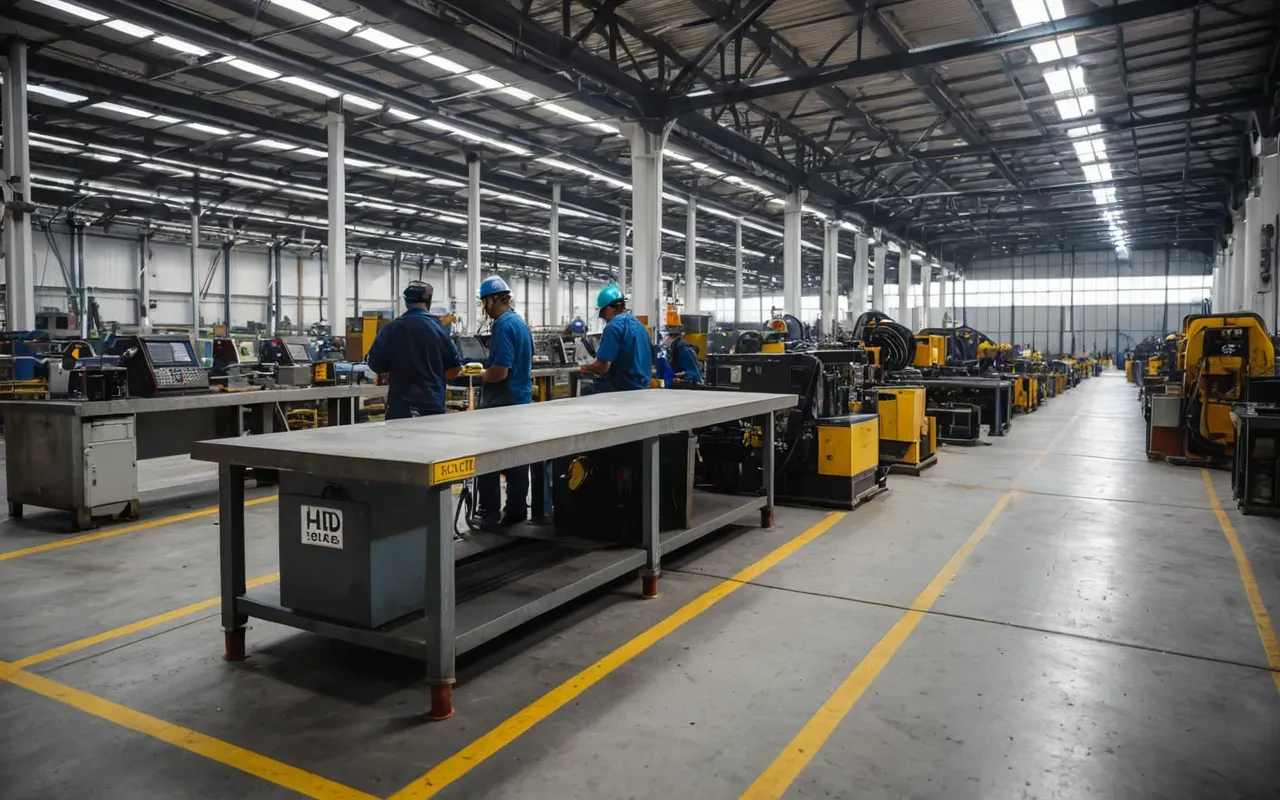
The company just opened a larger Orlando facility with about 50,000 square feet of manufacturing space and six acres for staging. That footprint matters because disciplined production execution depends on clear separation between welding zones, electrical integration areas, coating stations, and final inspection bays.
I have walked through smaller shops where materials pile up near assembly lines. And then I see delayed shipments blamed on weather or supply chain issues. The real problem is often inside the building.
Why Layout Drives Uptime More Than Specs Do
When you separate cutting from fitting and keep electrical verification away from high-heat zones, errors drop. Tensik emphasizes documented quality checkpoints at every stage.
Incoming material verification happens first. Then dimensional inspection. Welding controls follow surface preparation and coating checks before pneumatic systems get tested on the shop floor.
This sequence sounds routine. It is not common practice everywhere. I have seen rushed approvals that hide misaligned conveyors or unsecured aggregate handling equipment until the plant reaches a jobsite.
The Hidden Cost of Rushed Pre-Shipment Reviews
Every project has unique configuration needs. Tensik now insists on documented pre-shipment reviews that tie each component to a readiness checklist.
If you skip those steps the first field failure becomes expensive. Downtime stops pours and burns trust with contractors who need predictable output from their mobile 60 s4 concrete batching plant or stationary systems.
And here is the part most operators overlook. A batch plant that looks fine on delivery can fail within weeks if electrical integration was never fully verified under load inside the shop.
What Changes When Manufacturing Gets Honest About Delays
Transparency is not just a buzzword. Tensik plans to share clearer production milestones and shipment readiness updates with customers throughout the year.
I appreciate that approach because procurement teams need visibility. You cannot plan infrastructure timelines when equipment status stays locked behind vague promises.
The expanded Orlando yard supports better staging capacity. That means fewer delays caused by misplaced components or blocked loading paths during final assembly phases.
Who Wins When Factories Stop Hiding Problems
Ready-mix producers win. Precast manufacturers win. Infrastructure projects that depend on steady concrete supply also benefit from fewer stoppages.
Suppliers who refuse to adopt documented quality controls might struggle. They face pressure from buyers comparing lead times and field performance data across competitors.
To be fair your mileage may vary depending on how strictly a manufacturer follows its own rules. Some companies write procedures nobody reads after the first audit.
Maintenance Starts Before the Truck Leaves the Yard
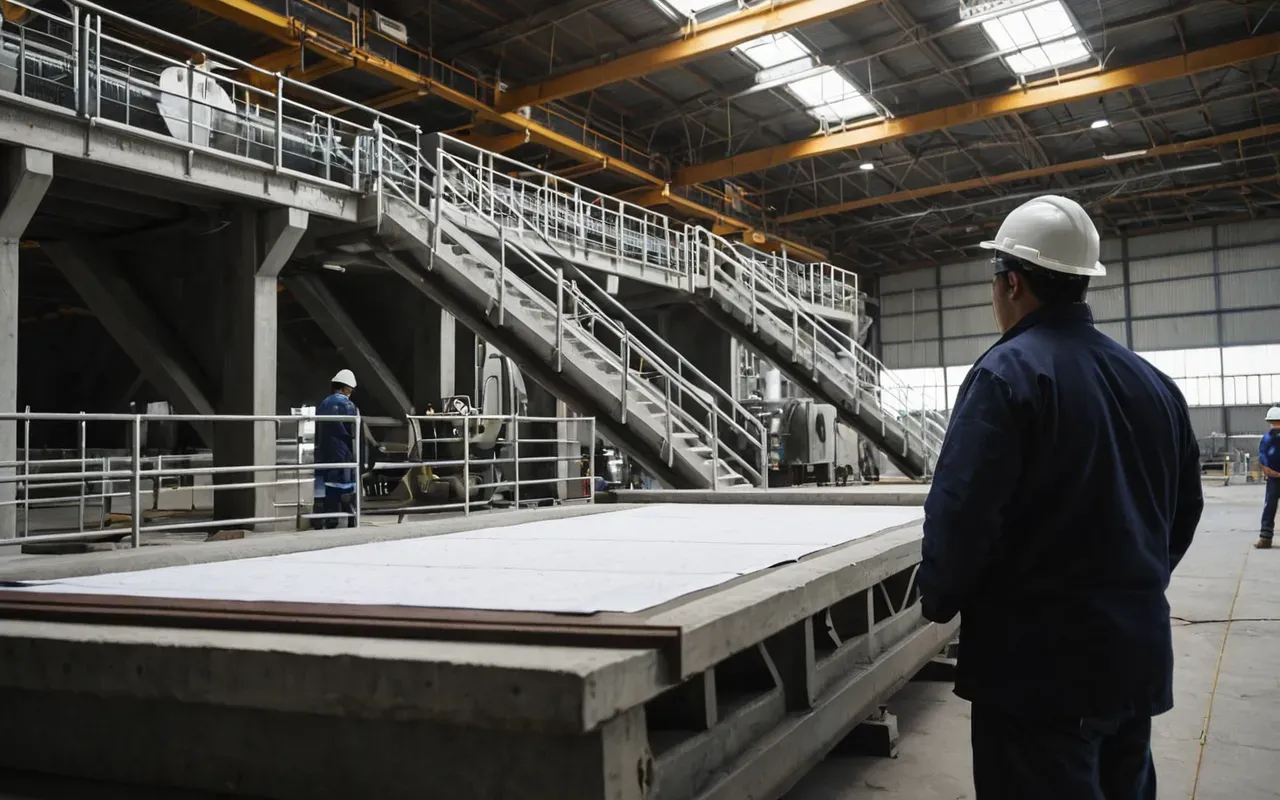
Most operators think maintenance begins after installation. Tensik argues that shop-floor discipline determines long-term uptime.
When welding controls and surface preparation are verified before coating inspection the resulting plant resists corrosion better. That extends service life on harsh sites.
And yes this affects your bottom line directly because fewer breakdowns mean less lost revenue during peak pour seasons. Look at the numbers over five years and the difference compounds quickly.
Why This Shift Could Change How Buyers Evaluate Plants
Purchasing teams used to prioritize capacity charts and price sheets. I expect that mindset to shift as uptime data becomes easier to track across fleets.
If you are evaluating a new system ask for documented pre-shipment review records. Check whether electrical verification happened under simulated load conditions before delivery.
Also request photos of dimensional inspection steps. These details reveal whether a manufacturer actually practices disciplined production or just writes it down for show.
The People Behind the Blueprint
Eduardo Fuenmayor led Tensik through two decades of heavy fabrication and system integration. His focus now is on turning experience into execution standards.
He emphasizes safer work practices and clearer milestones for customers. That philosophy aligns with modern heavy equipment trends where safety drives efficiency.
I have seen leaders talk about culture while ignoring shop-floor reality. This campaign seems different because it ties people to measurable production steps.
What Buyers Should Watch in the Coming Months
The industry will learn whether disciplined production scales across multiple projects. Tensik plans to publish facility updates and technical insights throughout the year.
If you want deeper context on how digital innovation is reshaping concrete construction review how innovation in concrete batching affects sustainability. The overlap matters because uptime depends on both hardware and data flow.
Keep an eye on pre-shipment testing reports. Those documents often reveal whether a manufacturer catches alignment issues before the plant hits rough terrain.
Final Thoughts on Manufacturing Discipline
I was struck by how much this story focuses on internal controls rather than flashy new features. That restraint makes sense because reliability beats novelty every time.
Your next purchase decision might hinge on a checklist nobody sees. Ask for it anyway because disciplined execution protects your schedule and budget.
For readers interested in how mixing systems influence overall plant efficiency check out how innovations in mixing systems enhance batching efficiency. The connection to manufacturing discipline is direct.
And remember that maintenance starts long before the first pour. Shop-floor habits determine whether your plant runs smoothly for years or struggles from day one.
I expect this shift toward transparency to spread across the sector. Buyers deserve better than vague promises about delivery dates and readiness status.
If you are tracking how overlooked batching technology flaws impact project timelines see why overlooked batching technology flaws could derail future projects. Those insights fit neatly with the reliability focus here.