Revolutionizing Construction with Advanced Heavy Equipment and Modern Concrete Batching Technologies
Transforming Construction with State-of-the-Art Heavy Equipment
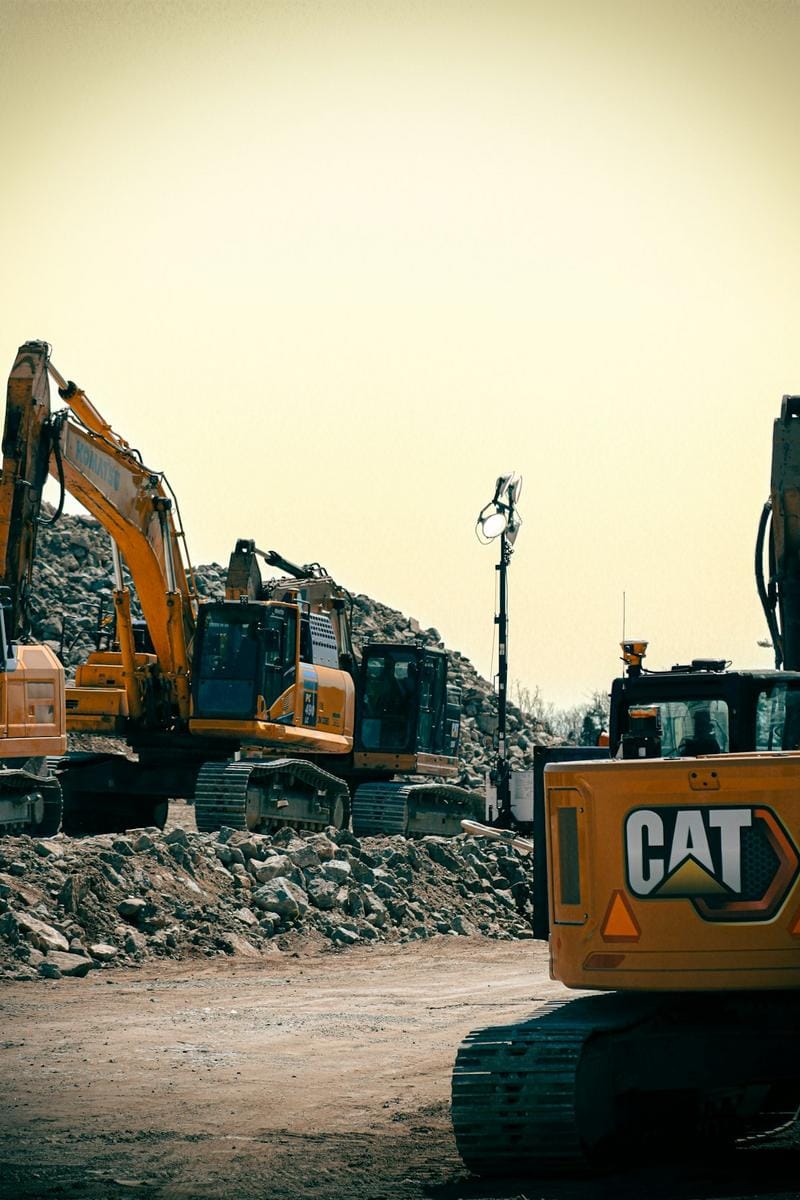
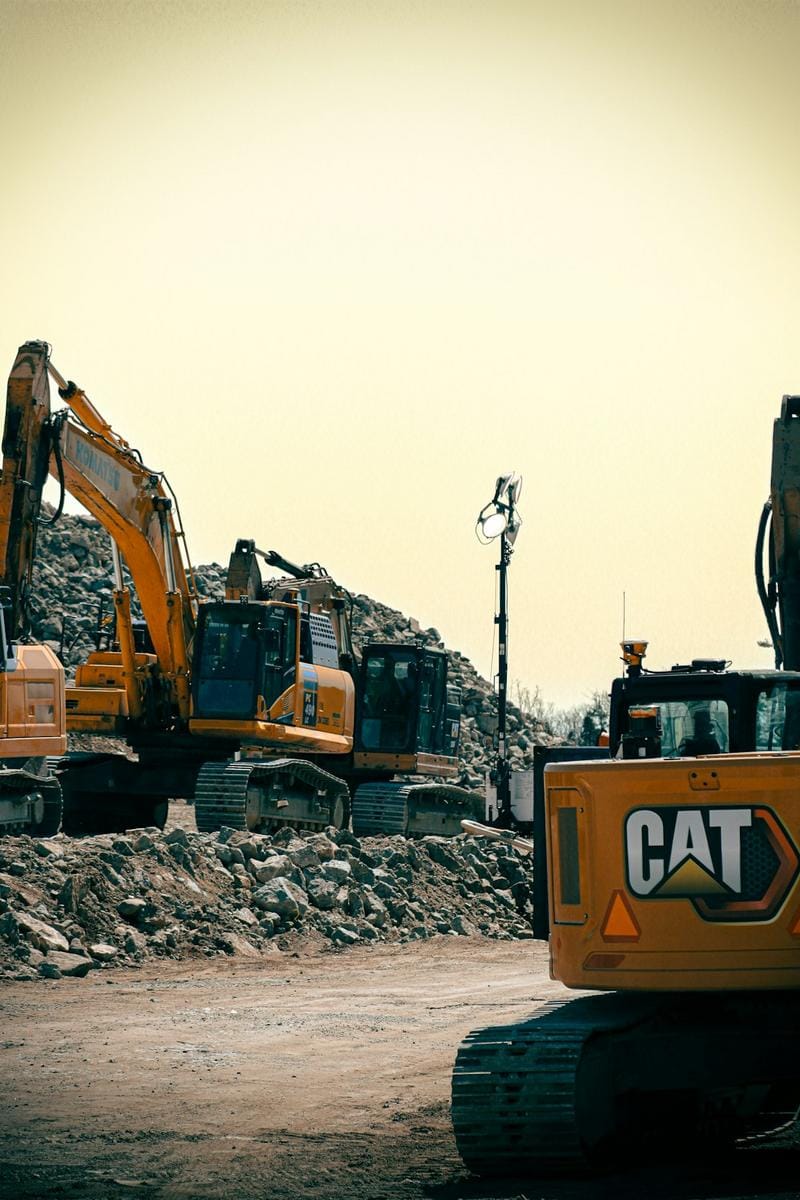
In the rapidly evolving landscape of construction, heavy equipment plays a pivotal role in shaping modern infrastructure projects. From excavators and bulldozers to cranes and loaders, these machines are not only essential for physical labor but have also become highly sophisticated with the integration of cutting-edge technology. Today's heavy equipment boasts features such as computerized controls, GPS tracking, telematics, and automation tools that enhance precision and productivity on site. For instance, the introduction of autonomous excavators and remotely operated machines reduces labor costs and improves safety standards, especially in hazardous environments. Moreover, advancements in hydraulic systems and engine efficiency allow these machines to operate longer with reduced fuel consumption, contributing to the sustainability goals of modern construction projects. As equipment manufacturers continue to innovate, the focus is shifting toward greener, smarter, and more connected machinery that aligns with the industry's need for high-performance yet environmentally responsible solutions. This technological evolution signifies a new era where heavy equipment not only boosts operational efficiency but also ensures safer and more sustainable construction practices, thereby transforming the entire construction landscape.
Modern Concrete Batching Plants and Their Impact on Construction Efficiency
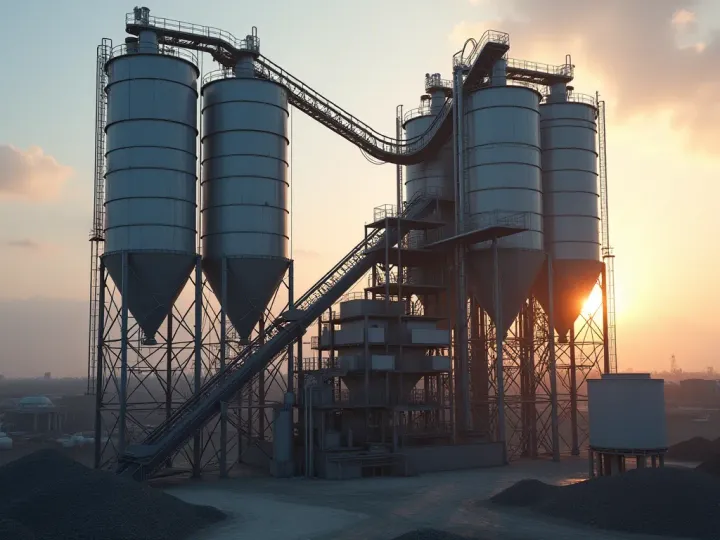
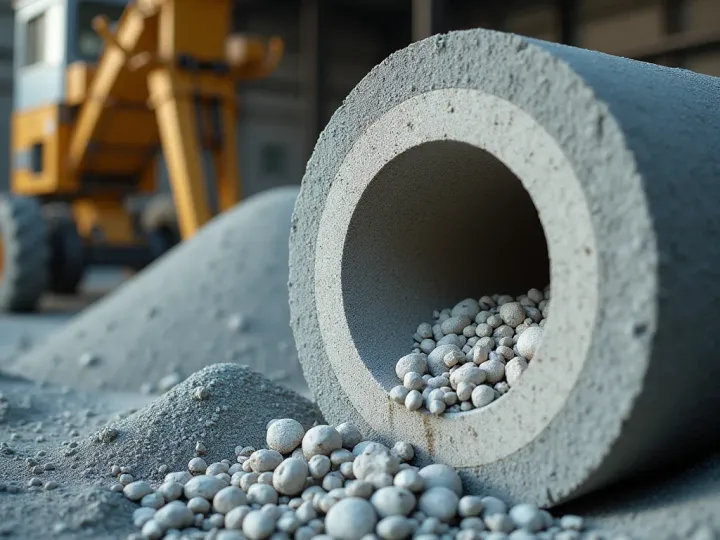
At the heart of any successful construction project lies the quality and efficiency of concrete production. Modern concrete batching plants are at the forefront of this technological revolution, enabling consistent quality, higher productivity, and greater flexibility in mix designs. These advanced plants incorporate automation controls that allow for precise measurement and mixing of raw materials such as cement, sand, aggregates, and water. Notably, the integration of digital control systems enables real-time monitoring and adjustments, reducing material waste and ensuring uniformity across batches. Additionally, portable and compact batching units now facilitate on-site concrete production, eliminating delays and transportation issues often associated with off-site mixing. Features such as advanced weighing systems, and automatic data logging empower operators to optimize performance and maintain quality standards. Some state-of-the-art plants are equipped with innovations like twin-shaft mixers for faster mixing times or eco-friendly dust collection systems, reducing environmental impact. These technological enhancements not only improve concrete quality but also significantly elevate the overall efficiency, safety, and cost-effectiveness of construction operations, making these plants an indispensable element for modern construction projects.
Essential Maintenance Practices for Extended Equipment Lifespan
While technological advancements dramatically improve construction equipment capabilities, consistent maintenance practices remain crucial for ensuring longevity, safety, and optimal performance. Routine inspections, lubrication, and part replacements help prevent unexpected breakdowns and costly repairs that can disrupt project timelines. Modern machinery is increasingly equipped with diagnostic systems that alert operators and maintenance teams to potential issues before they escalate, enabling predictive maintenance strategies. For example, sensors embedded within engines and hydraulics monitor operational parameters and alert teams to anomalies, allowing repairs to be scheduled proactively. It’s also essential to follow manufacturer-specific maintenance schedules and keep detailed records of service history for each piece of equipment. Proper training on operational and maintenance procedures ensures that operators are well-versed in the correct handling of sophisticated machinery, minimizing user-related damage. Sustainable maintenance practices reduce downtime, lower operational costs, and extend equipment lifespan, translating into a better return on investment for contractors. As construction projects become more complex and equipment more advanced, adopting a comprehensive maintenance regime is undoubtedly a wise strategy for long-term success.