The Real Cost Of Ignoring Your Concrete Batch Plant Maintenance Schedule
The Hidden Leak In Your Batch Plant Budget
Last month I met a plant manager up in the Hunter Valley who was bleeding forty thousand dollars a year. He had no idea. His load-out tickets looked flawless on paper.
The culprit? A two percent drift in his aggregate bin scales. Every truck rolled out with a touch too much sand and not enough cement. The mix strength still passed the tests.
But his margin evaporated. This isn't some rare edge case. It's the quiet killer of Australian batching plants still running on manual checks and hope.
Why Calibrations Fail And Nobody Notices
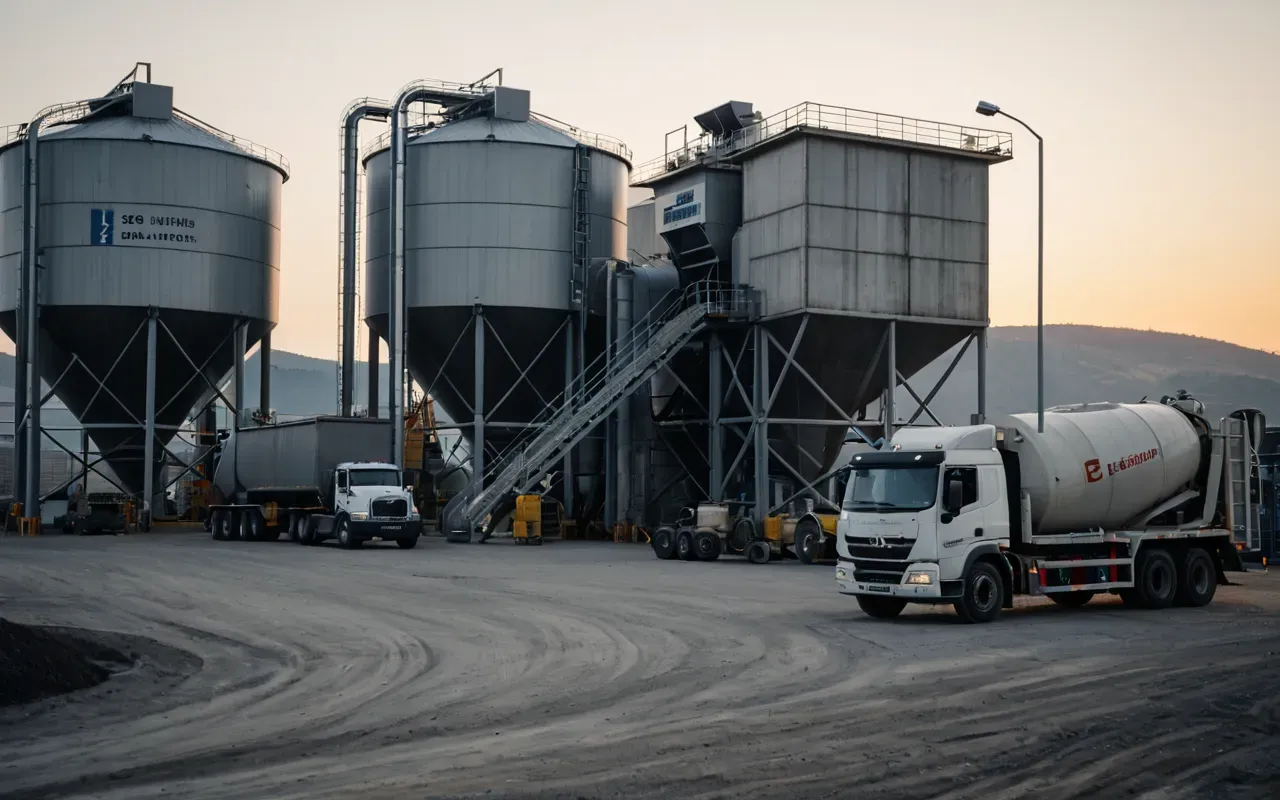
Sensors drift. That's physics, not malice. Summer heat here expands metal bins and nudges sensor baselines out of whack.
Most operators calibrate once a year, or whenever something breaks. That's backwards. You need continuous monitoring to catch the slow bleed long before it shows up in your quarterly report.
I've seen plants in New South Wales where a single bin drifted three percent over six weeks. Output looked normal. Cost per cubic meter climbed eighteen dollars.
The Technology Gap In Australian Plants
We throw the word "innovation" around like it means a shiny new piece of software. But right now, the biggest innovation is simply watching your data in real time.
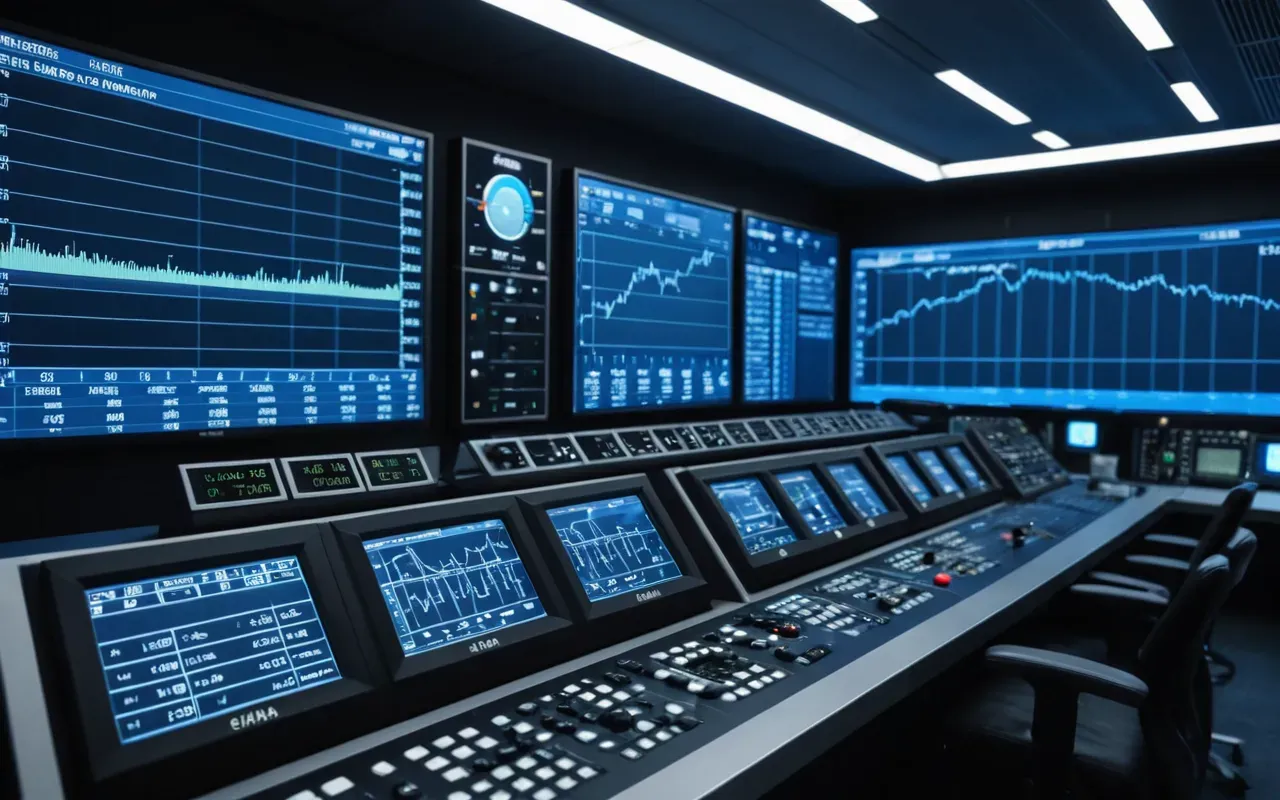
Old plants lean on basic PLCs that log numbers but never flag anomalies. Modern systems compare every batch against a baseline and alert you the moment the ratio slips beyond tolerance.
This isn't about ripping out your whole plant. It's about adding eyes where you had none.
What Smart Maintenance Actually Looks Like
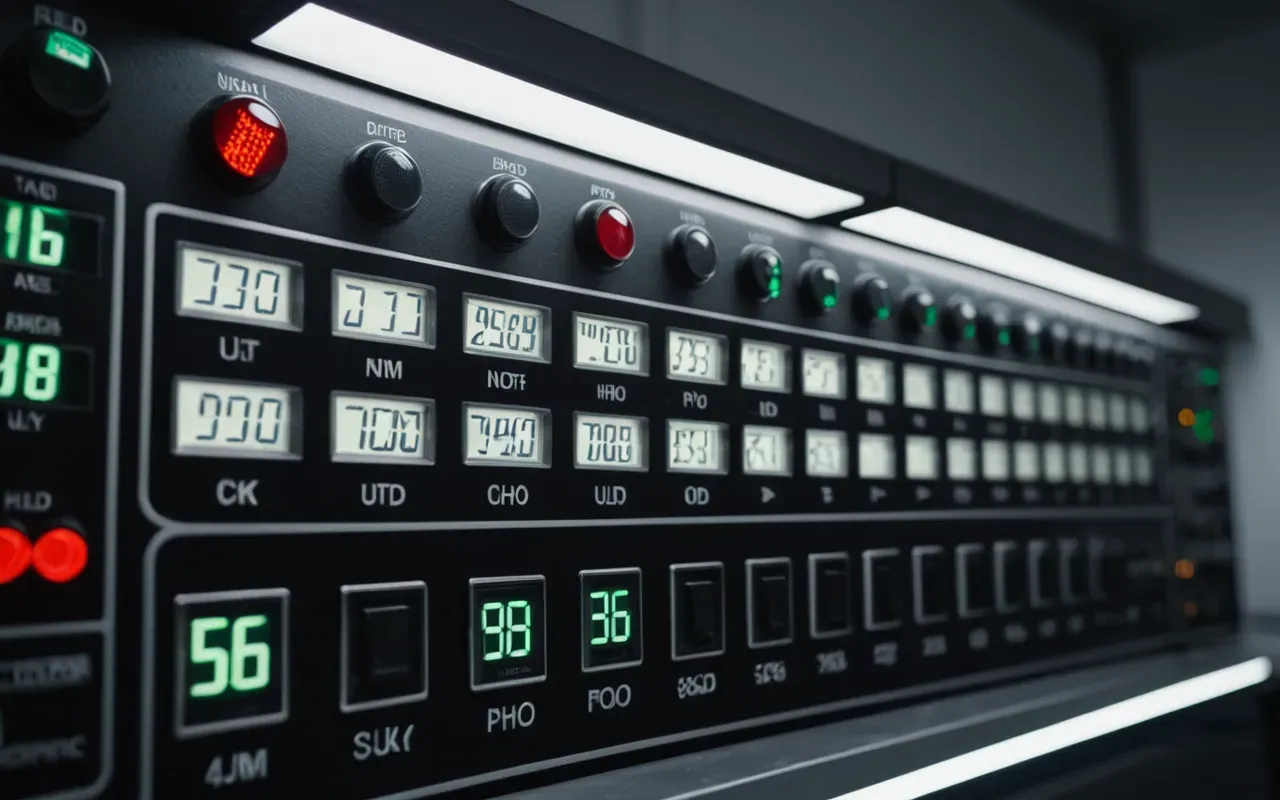
A smart plant doesn't guess. It verifies. Every batch gets checked against the recipe before it leaves the mixer.
Operators see a simple dashboard showing which bins are drifting and by how much. No spreadsheets. No manual logs. Just clear signals.
I spoke to a crew in Victoria who cut their maintenance downtime by forty percent after adopting this approach. They stopped fixing problems and started preventing them.
The Money You Are Losing Right Now
Let's do the math. If your plant produces fifty cubic meters a day and you're off by two percent on aggregates, that's one cubic meter of wasted material daily.
At current Australian prices, that small loss stacks up to thousands per month. Over a year, it's enough to buy a new mixer or cover staff training.
And that's just one bin. Most plants run four to six aggregate feeds plus a cement silo. The cumulative effect is massive.
How To Start Fixing It This Month
You don't need to overhaul everything tomorrow. Start with a baseline audit. Record your current mix ratios and output for two weeks.
Then compare it to your theoretical recipe. Look for gaps in aggregate usage versus cement. That's usually where the leak hides.
Once you see the numbers, the fix becomes obvious. Either recalibrate your sensors or add real-time monitoring to catch drift as it happens.
The Bigger Picture For Australian Construction
Australia is building more than ever. Housing booms, infrastructure projects, commercial developments — all demanding consistent concrete quality.
But supply chains are tight. Labor is expensive. Margins are thin. In this environment, efficiency isn't optional. It's survival.
Plants that master their maintenance and data will outperform the rest. Not because they have better equipment, but because they waste less.
Frequently Asked Questions
What is the most common cause of calibration drift in batch plants?
Temperature changes and material buildup on sensor surfaces are the top culprits. Heat expands metal bins while dust coats weigh sensors, shifting readings over time.
How often should a concrete batching plant be calibrated?
Ideally you need continuous monitoring to catch drift in real time. If using manual checks, calibrate every two weeks during high production periods and monthly otherwise.
Can older plants benefit from modern monitoring systems?
Yes. Most legacy controllers can be retrofitted with data loggers and alerting modules that feed into a dashboard without replacing the entire plant.
What is the typical cost savings from fixing calibration issues?
Operators typically recover three to eight percent of their material costs by correcting drift. For a mid-size plant, that's often twenty to fifty thousand dollars annually.
If you're still running your batch plant on guesswork and annual checks, it's time to look at the data. The money is there, hidden in plain sight.
Your Australian Batching Plant Is Bleeding Money Through Calibration Drift covers the technical side of this issue in more depth.
And if you're considering a new setup or upgrade, check out 5 Batching Plants For Sale That Actually Pay Off In Under Two Years for options that make financial sense.
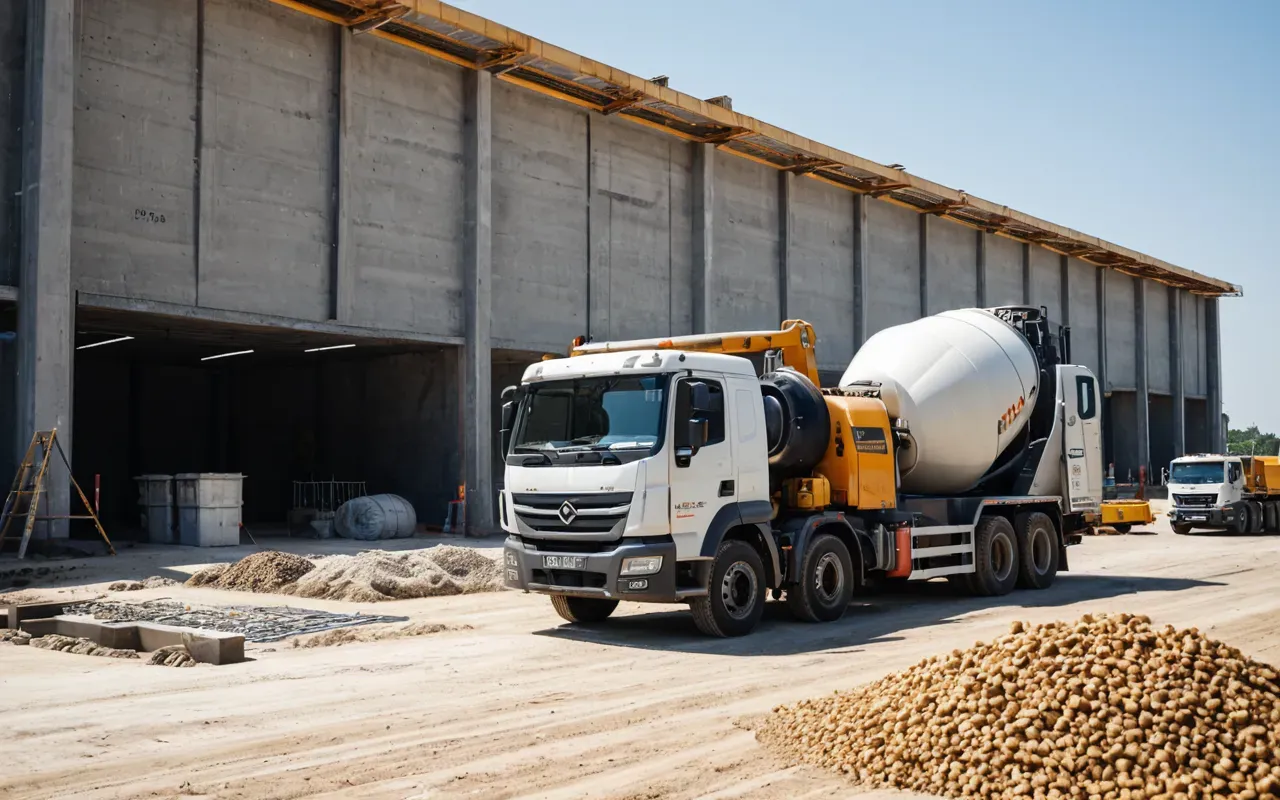
The bottom line is simple. Innovation in concrete production isn't about buying the biggest machine or the latest software. It's about seeing what you're already doing wrong and fixing it.
Your plant has the potential to be more efficient. You just need the right eyes on it.