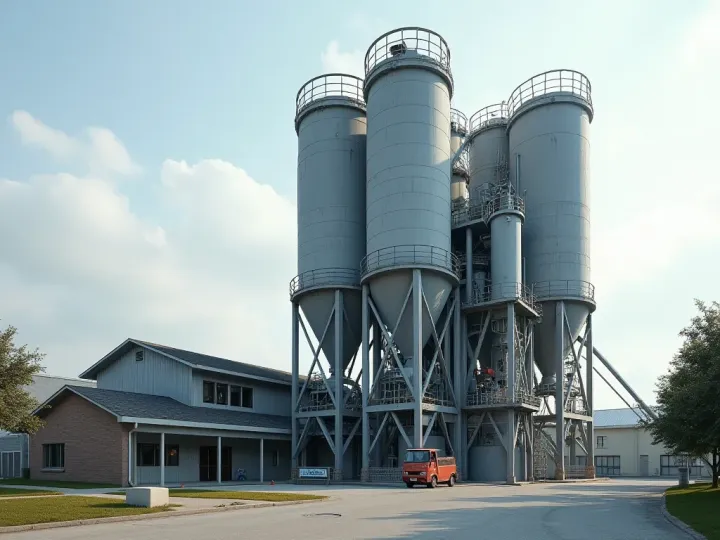
Why Overlooked Batching Technology Flaws Could Derail Future Construction Projects
The Silent Cracks in Modern Batching Systems That Could Collapse Entire Construction Timelines
While the surge in advanced batching systems and automated mixing technology has revolutionized the construction industry, a surprisingly overlooked issue lurks beneath the surface — the potential for hidden flaws in batching control algorithms and sensor calibration. Many engineers and operators assume that these high-tech systems are infallible, but subtle inaccuracies in sensor readings or software glitches can trigger cascading problems that may go unnoticed until they cause significant delays or compromised concrete quality. For example, a minor calibration drift in moisture sensors or inaccurate aggregate weight measurements can lead to inconsistent batching, resulting in structural weaknesses or increased waste. Industry insiders have found that these issues often stem from the assumption that ‘newer is always better,’ but in reality, every sophisticated batching plant requires meticulous calibration, regular software updates, and targeted maintenance to ensure flawless operation. Failing to recognize these hidden vulnerabilities puts project timelines at risk, as well as the durability of the finished product, especially in high-stakes infrastructure projects where precision truly matters. This silent flaw emphasizes the importance of not just acquiring cutting-edge equipment but maintaining a vigilant, detail-focused approach to batching system oversight, which often gets overlooked amid the enthusiasm for automation.
Unmasking the Myth: Automation Means Flawless Performance in Concrete Production
A common misconception in the industry is that the integration of highly automated batching plants automatically guarantees impeccable consistency and zero errors. The truth, however, is quite the opposite: automation can introduce its own set of vulnerabilities if not properly managed. For instance, reliance solely on automation without routine manual checks or calibration can cause unnoticed deviations, leading to batch inconsistencies that compromise concrete strength. Modern batching plants often include features like digital twin simulation and real-time quality control, but these tools are only as effective as their maintenance and human oversight allow. By practicing rigorous calibration routines, ensuring software health checks, and training operators to spot early signs of malfunction, companies can preempt many issues before they escalate. This approach underscores a crucial paradigm shift: automation complements, rather than replaces, meticulous oversight. It challenges the misconception that innovation alone solves quality issues, highlighting instead the necessity for an active maintenance culture.
The Critical Role of Regular Calibration and Predictive Maintenance in Securing Concrete Quality
Many industry players underestimate how vital diligent calibration and predictive maintenance are for batching systems. Even the most advanced plant can falter if sensors drift or mechanical parts degrade unnoticed. For example, moisture probes in aggregate hoppers or load cells measuring cement weighments require periodic recalibration, which many operators overlook due to tight schedules or complacency. This neglect can result in inconsistent water-cement ratios or improper material proportions, ultimately jeopardizing concrete integrity. Innovative solutions like IoT-enabled sensors and diagnostic algorithms are emerging to help predict failures before they occur, but these technologies need to be integrated into routine maintenance routines with disciplined precision. A proactive maintenance culture, driven by data analytics and trained personnel, is the backbone of sustained quality and operational safety. In essence, continual calibration and predictive diagnostics form the invisible shield guarding the structural reliability of projects ranging from residential buildings to massive infrastructure.
Future-Proofing Construction with Robust Batching Systems and Vigilant Oversight
In the rapidly evolving landscape of construction technology, future-proofing involves a dual strategy: investing in resilient batching systems designed with redundancy and modularity, and cultivating an organizational mindset that emphasizes vigilant oversight. Modern batching plants now incorporate features such as online calibration checks, self-diagnostic alerts, and redundancy in critical sensors, minimizing downtime and errors. However, technology alone isn’t enough. Construction companies need a culture of continuous training, regular operational audits, and responsiveness to early warning signs from their equipment. Often, overlooked issues like software obsolescence or mechanical wear may silently accumulate, threatening project schedules. Embedding predictive analytics and IoT-driven health monitoring into batching operations creates a systemic safeguard, ensuring reliability even amidst unpredictable field conditions. Such comprehensive approaches transform batching from a vulnerable process to a resilient backbone capable of meeting the demanding standards of modern construction projects.