Modern Heavy Equipment Advancements Transforming Concrete Production Processes

Innovations in Heavy Equipment Elevating Concrete Production Efficiency
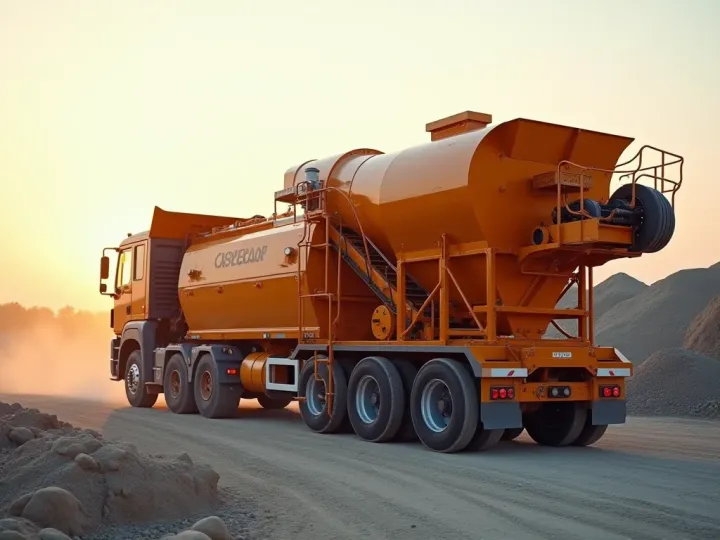
In recent years, the landscape of heavy equipment used in concrete production has experienced significant advancements driven by technological innovation and the pursuit of enhanced efficiency. Modern machinery now incorporates smart systems that allow for precise control over mixing ratios, dosing accuracy, and real-time monitoring, vastly improving the quality and consistency of the end product. These innovations not only reduce waste and minimize operational costs but also contribute to faster project timelines and higher safety standards on construction sites. As concrete remains a fundamental material in construction, the continuous evolution of heavy equipment—such as advanced batching plants, automated mixers, and telehandlers—ensures projects meet increasingly demanding specifications while promoting sustainability and operational efficiency. Exploring these developments reveals how industry leaders are leveraging technology to optimize performance across all phases of concrete production, from raw material handling to transportation and final placement.
Modern Concrete Batching Plants and Their Role in Construction Efficiency
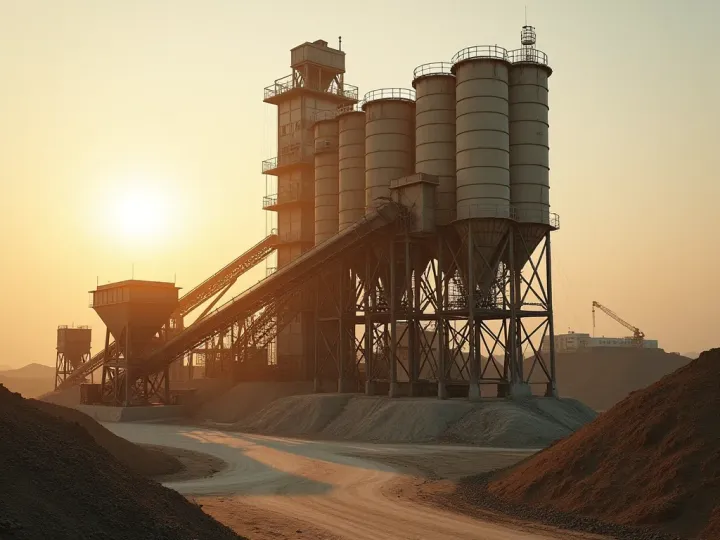
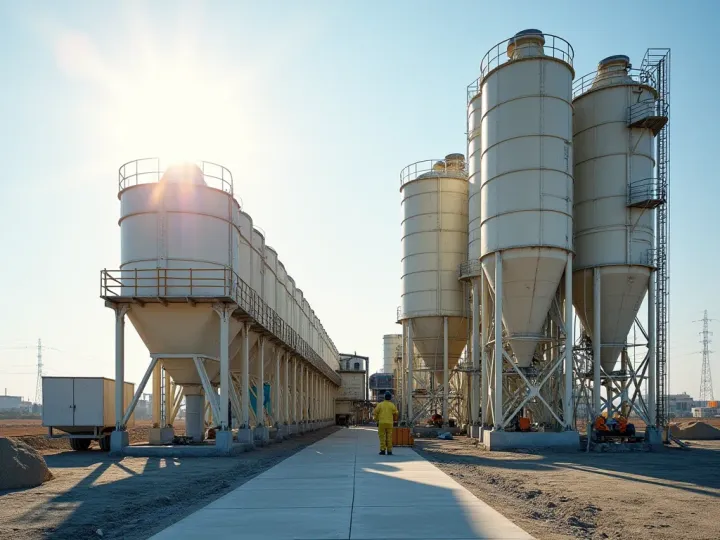
The advent of modern concrete batching plants stands as a cornerstone of efficiency in the construction industry. These facilities are now equipped with sophisticated automation technology that seamlessly integrates with digital control systems, allowing operators to fine-tune mixture ratios, monitor ingredient feed rates, and manage production schedules remotely. Features like real-time data analytics and predictive maintenance not only optimize performance but also extend equipment lifespan and reduce downtime. Additionally, modular and mobile batching plants provide flexibility—allowing construction teams to respond swiftly to project demands and site logistics. The integration of **Industry 4.0** concepts within batching plants fosters a proactive approach to maintenance, minimizing costly breakdowns and maximizing productivity. As a result, modern batching plants are pivotal in achieving sustainability goals by reducing material waste and energy consumption, all while maintaining the highest quality standards for concrete production.
Maintenance Strategies for Heavy Equipment in Concrete Manufacturing
Effective maintenance routines are critical to ensuring the longevity and optimal operation of heavy equipment used in concrete manufacturing, particularly as machinery grows more complex with technological integrations. Preventive maintenance plans involve regular inspections, lubrication, calibration, and part replacements based on manufacturer guidelines and usage metrics. The incorporation of condition monitoring tools—such as vibration analysis, thermal imaging, and IoT-based sensors—enables predictive maintenance, helping identify potential failures before they occur and reducing unplanned downtime. For instance, smart wear parts monitoring can alert operators when certain components approach their service life, thus enabling timely replacements. Moreover, training personnel on proper operation and routine checks is vital to prevent errors that could lead to equipment wear or damage. Establishing a comprehensive maintenance strategy not only prolongs machinery lifespan but also enhances safety and operational consistency across construction projects.