Innovative Trends Transforming the Future of Heavy Equipment in Construction

Emerging Technologies Reshaping Heavy Equipment Usage in Construction
The landscape of construction heavily relies on the continuous evolution of heavy equipment, driven by technological advancements that enhance productivity, safety, and environmental sustainability. modern construction innovations like autonomous machinery, IoT integration, and real-time data analytics are fundamentally altering how construction projects are executed. For example, autonomous excavators and bulldozers equipped with GPS and AI algorithms now can perform tasks with minimal human intervention, reducing the risk of accidents and increasing operational efficiency. This shift is not just about automation but also about precision and resource management, enabling builders to optimize material usage and reduce waste. The integration of IoT sensors into heavy machinery allows for continuous monitoring of equipment health, thus preempting breakdowns and minimizing downtime. This proactive approach to maintenance can save significant costs and extend the lifespan of expensive machinery. As construction projects become more complex, adopting these technological innovations allows companies to stay competitive in a rapidly changing industry. Investment in such sophisticated equipment and systems reflects a broader trend toward digital transformation that makes construction safer, more efficient, and more environmentally responsible.
The Rise of Modern Concrete Batching Plants in Construction Efficiency
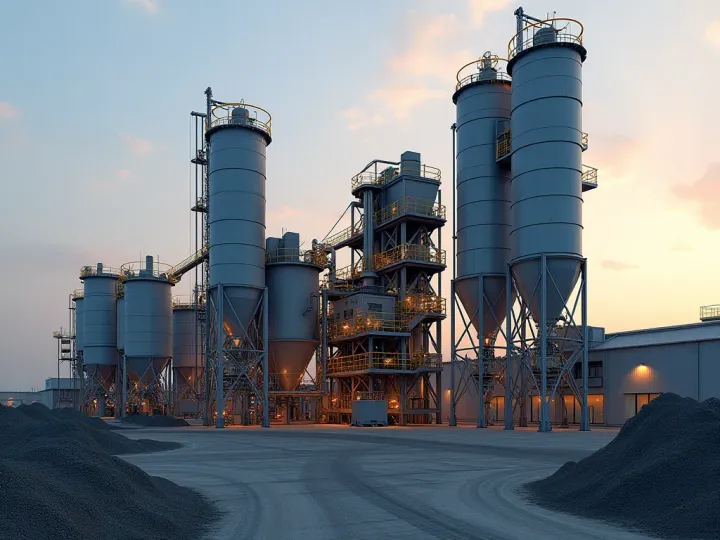
One of the most significant innovations in construction technology is the development of modern concrete batching plants, which are central to efficient and high-quality concrete production. These plants now incorporate advanced features such as computerized control systems, real-time quality monitoring, and automated material handling, drastically reducing manual labor and improving precision. Modern batching plants, such as those offered by leading brands like **Fabo**, are designed for quick setup, scalability, and ease of maintenance, making them suitable for large-scale projects as well as smaller construction sites. Automated batching processes ensure consistent mix ratios, crucial for structural integrity, while integrated sensors provide real-time data on material moisture content, temperature, and other vital parameters. These innovations have led to improved concrete quality, faster production cycles, and reduced wastage. Additionally, portable and modular concrete batching plants are gaining popularity for their deployment flexibility, allowing construction firms to adapt quickly to project demands and site constraints. As the construction industry continues to prioritize efficiency and sustainability, these sophisticated batching systems are playing an increasingly vital role in delivering high-performance concrete for diverse structural needs.

Maintenance and Sustainability Driven by Innovative Equipment Design
As construction technology advances, maintenance practices are also evolving to ensure longevity and sustainability of heavy equipment and batching plants. Modern machinery is now equipped with predictive maintenance features enabled by IoT sensors and machine learning algorithms. These systems analyze real-time data to predict component failures before they happen, scheduling maintenance during optimal windows and avoiding costly downtime. Innovations in materials and design, such as corrosion-resistant coatings and modular components, further extend the lifespan of heavy equipment. Moreover, the shift toward sustainable construction practices encourages the use of energy-efficient engines and environmentally friendly hydraulic systems, reducing carbon footprints and operational costs. Regular maintenance isn’t just about fixing broken parts anymore; it’s now a sophisticated process that leverages data analytics to optimize performance and sustainability. Construction firms investing in these intelligent maintenance strategies benefit from reduced operational costs, improved safety, and enhanced equipment reliability. Developers must recognize that ongoing investment in maintenance technology is critical for long-term success and environmental responsibility, ensuring that their heavy machinery remains robust and efficient for years to come.
Looking Ahead Building Smarter and More Sustainable Construction Equipment
The future of heavy equipment and construction innovations promises a landscape where smarter, more sustainable, and more integrated systems become standard. Advances in artificial intelligence and machine learning will give rise to fully autonomous construction machinery capable of managing complex tasks without human intervention. These systems will collaborate seamlessly through cloud-connected networks, sharing data and optimizing operations across multiple sites. Sustainability considerations will fuel the development of eco-friendly machinery that minimizes emissions and energy consumption, aligning with global efforts to combat climate change. The integration of virtual reality (VR) and augmented reality (AR) tools will also transform project planning, training, and maintenance, enabling operators to visualize and troubleshoot equipment with unprecedented accuracy. Ultimately, the continual evolution of construction technology will drive not only productivity but also safety and environmental stewardship. Companies that proactively adopt and adapt to these innovations will secure a competitive edge, delivering better projects with fewer delays and lower costs. As we look to the future, it’s clear that embracing technological advancements is essential for building smarter, greener, and more efficient infrastructure on a global scale.