Innovative Advances in Heavy Equipment Transforming Construction Efficiency
Revolutionizing Construction with Advanced Heavy Equipment Technologies
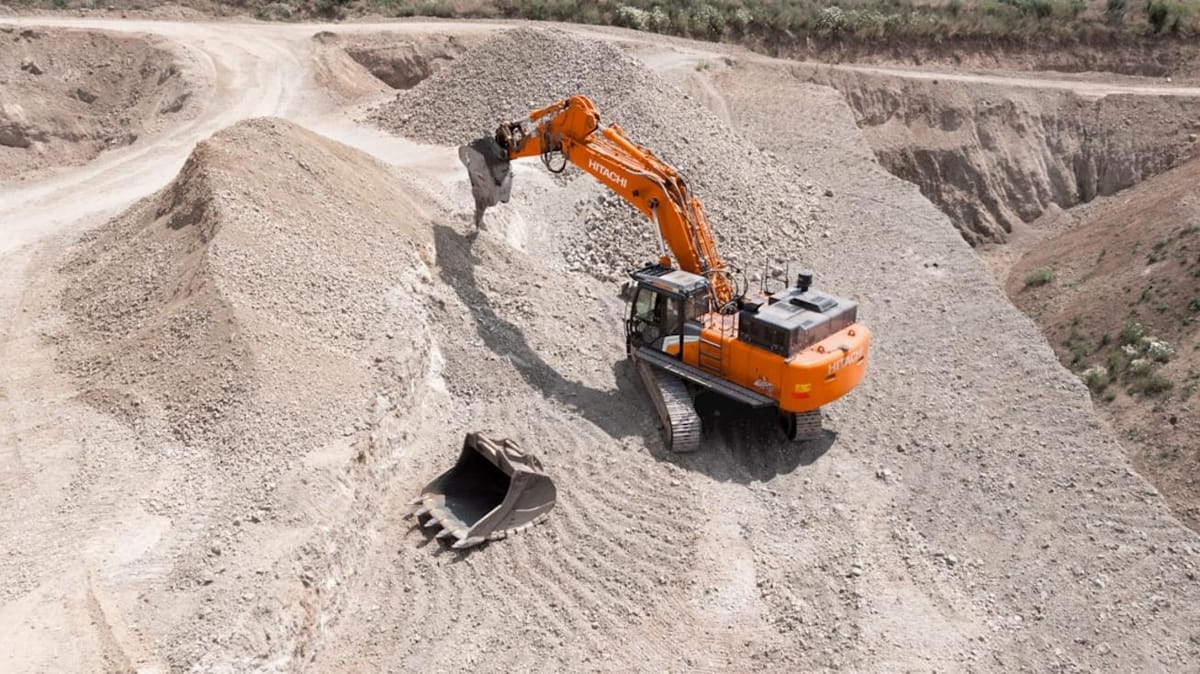
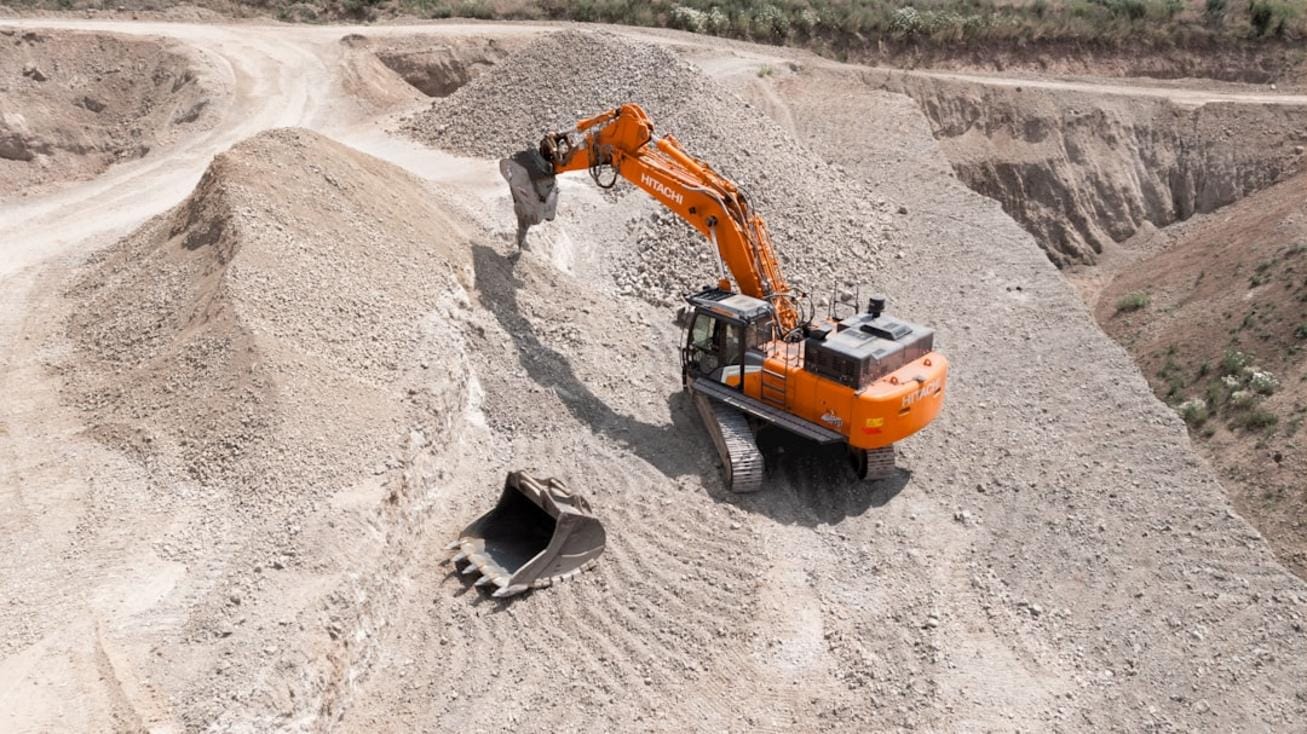
The construction industry is experiencing a technological revolution driven by innovative heavy equipment designed to increase efficiency, safety, and sustainability. Modern construction machinery now incorporates GPS, IoT connectivity, and automation systems that enable real-time monitoring and precise operation. These advancements allow project managers to optimize machine usage, reduce downtime, and enhance safety protocols on-site, ultimately leading to faster project completion times and significant cost savings. Equipment manufacturers are increasingly focusing on integrating smart technology into their products, such as autonomous excavators and teleoperated bulldozers, which reduce human error and physical strain on operators. For instance, companies like Caterpillar and Komatsu have developed intelligent machines that adjust operational parameters automatically based on terrain and material conditions, making construction processes smoother and more predictable. This shift towards smart machinery not only boosts productivity but also contributes positively to environmental sustainability by minimizing waste and reducing emissions through optimized fuel consumption and operational precision.
Modern Concrete Batching Plants and Their Role in Construction Efficiency
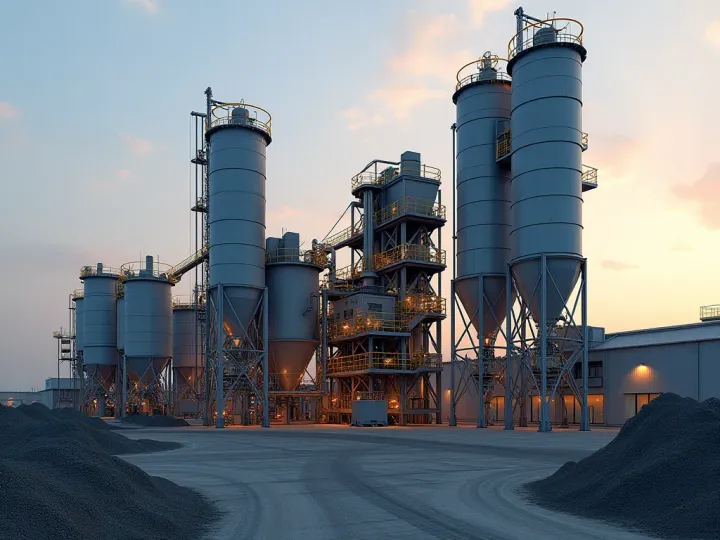
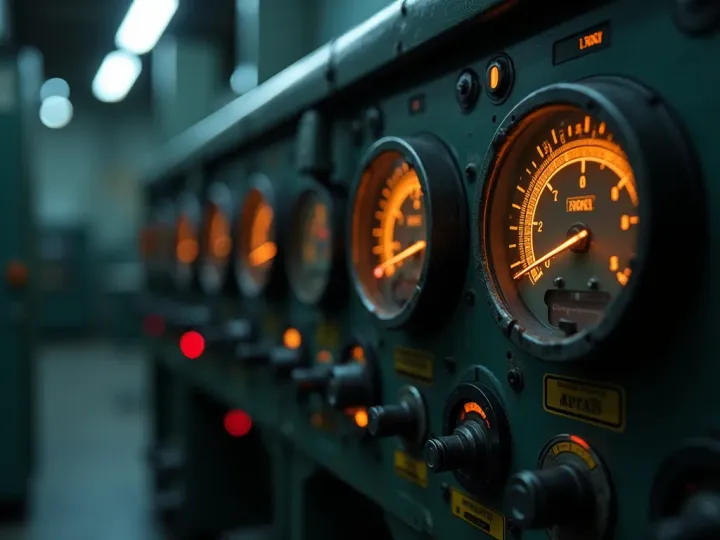
Central to achieving high-quality, consistent concrete in large-scale construction projects are modern concrete batching plants, which have undergone significant technological evolution in recent years. Unlike traditional setups, current batching plants leverage automation, advanced control systems, and innovative mixing technologies that ensure precise mixing ratios, uniform quality, and minimized material waste. These plants often feature real-time data processing, allowing operators to monitor production metrics remotely and adjust parameters instantly to meet project specifications. Additionally, modular and mobile batching units are now widely adopted, offering flexibility and rapid deployment across various sites. The integration of touchscreen interfaces, PLC (Programmable Logic Controllers), and IoT sensors enhances operational control and reduces manual labor, delivering faster cycle times and improved consistency. Maintenance of these sophisticated systems is crucial; thus, industry leaders are emphasizing predictive maintenance that uses sensor data to forecast component wear and prevent costly breakdowns before they happen. Overall, these advancements significantly contribute to optimized concrete production, ensuring that construction deadlines are met without compromising quality or safety.
The Future of Construction Equipment Maintenance and Sustainability Strategies
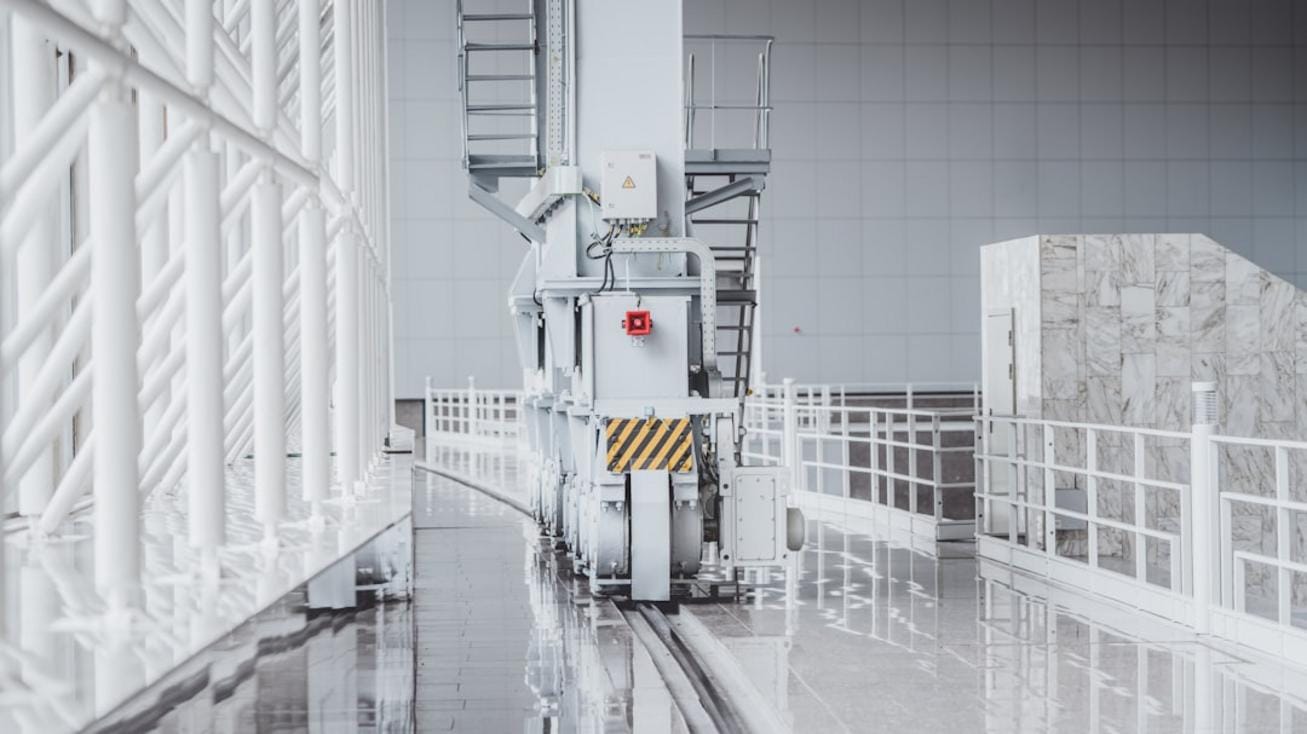
As construction machinery becomes more technologically advanced, maintenance practices are shifting towards predictive and preventive strategies that leverage data analytics and IoT connectivity. Implementing predictive maintenance involves continuous monitoring of equipment health through sensors that track vibration, temperature, and operational efficiency. These insights help in predicting potential failures before they manifest, reducing unexpected downtimes and repair costs. Sustainable maintenance practices are also gaining prominence, emphasizing the use of eco-friendly lubricants, recycled parts, and low-emission machinery to reduce the industry’s carbon footprint. Furthermore, manufacturers are providing comprehensive service packages that include routine diagnostics and software updates, ensuring machinery operates at peak performance while remaining compliant with evolving environmental regulations. This holistic approach not only prolongs equipment lifespan but also aligns with global sustainability goals, making construction projects more responsible and cost-effective in the long run. Encouraging the adoption of such innovative maintenance practices is vital for future-proofing construction operations and meeting the ever-growing demand for efficient and eco-conscious infrastructure development.