Innovations in Heavy Equipment Focused on Advanced Batching Technology for Modern Concrete Production
The Evolution of Heavy Equipment and Its Impact on Concrete Batching Processes
Heavy equipment has undergone a significant transformation over the past few decades, driven by advancements in technology and the increasing demand for efficiency and precision in construction projects. Traditionally, concrete batching was manual and labor-intensive, often leading to inconsistencies and delays. Today, modern heavy machinery encompasses sophisticated batching plants equipped with automation, smart sensors, and data analytics. These innovations enable precise control over the mix proportions, ingredient measurements, and mixing times, resulting in higher quality concrete with minimal waste. The integration of machinery such as cement silos, aggregate bins, and conveyor systems has created a seamless workflow from raw material intake to final concrete delivery. This evolution not only accelerates project timelines but also enhances safety, reduces manual labor, and improves consistency in output, which is critical for large-scale infrastructure projects worldwide. The shift towards automation and digital control systems signifies a new era in construction heavy equipment, emphasizing not just raw power but also intelligent operations designed for optimal performance with less human intervention.
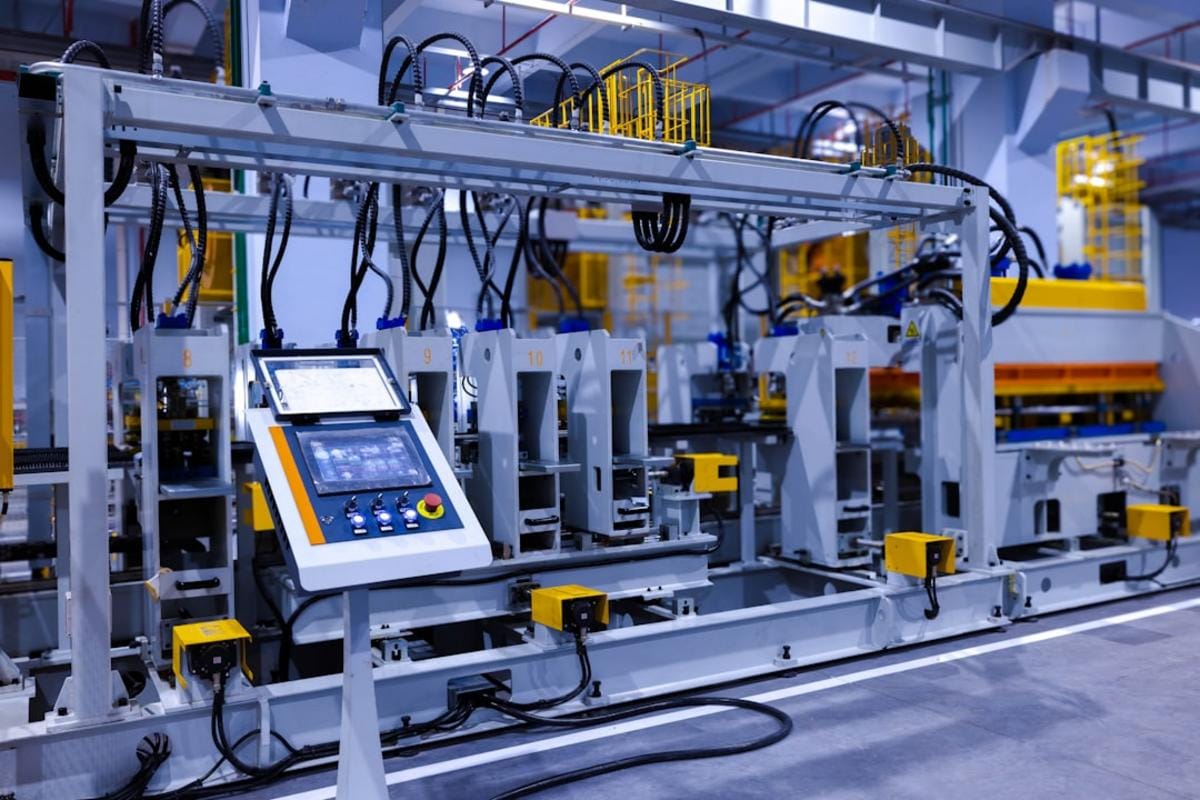
Modern Concrete Batching Plants and Their Technological Advantages
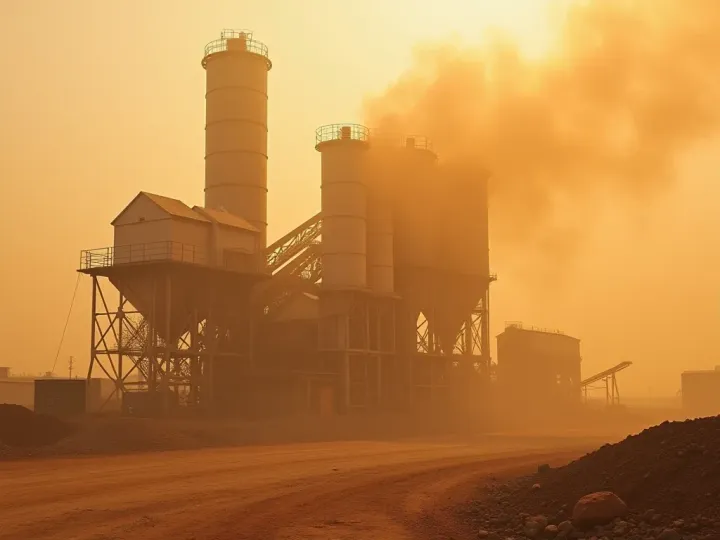
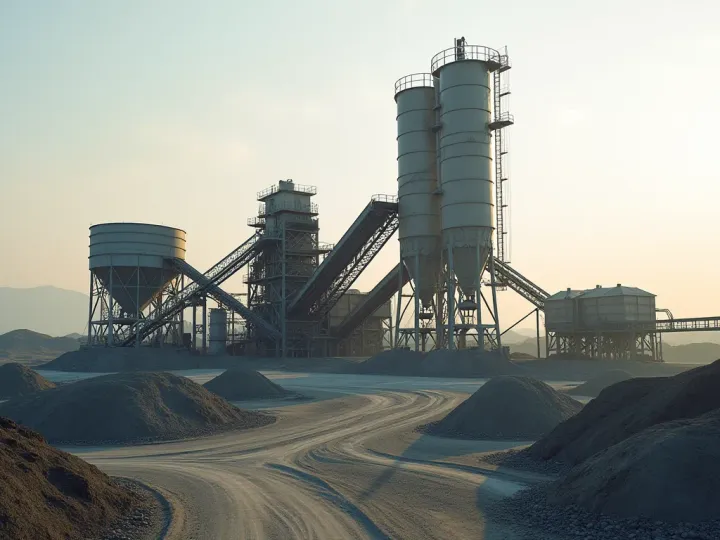
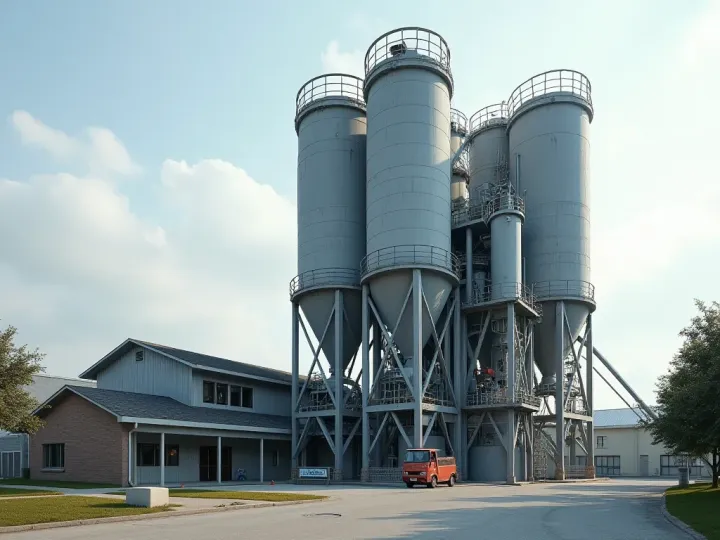
In today's construction industry, modern concrete batching plants are at the forefront of efficiency and quality assurance. These plants leverage state-of-the-art technology such as computer-controlled systems, real-time monitoring, and IoT connectivity to optimize production. For instance, automatic weighing and mixing systems ensure precise ingredient proportions, reducing human error and material wastage. Many plants now feature modular designs that can be easily expanded or customized according to project needs, enabling flexibility and scalability. Integration with digital platforms allows operators to oversee multiple batching lines remotely, analyze production data, and predict maintenance needs before faults occur. Continuous innovation also introduces environmentally friendly solutions such as dust collection systems and energy-efficient motors. Whether used for small residential developments or massive infrastructure projects, these plants exemplify how technology enhances productivity, minimizes downtime, and maintains strict quality standards, ultimately making concrete production more reliable and cost-effective.
Optimizing Efficiency Through Advanced Technology and Smart Maintenance
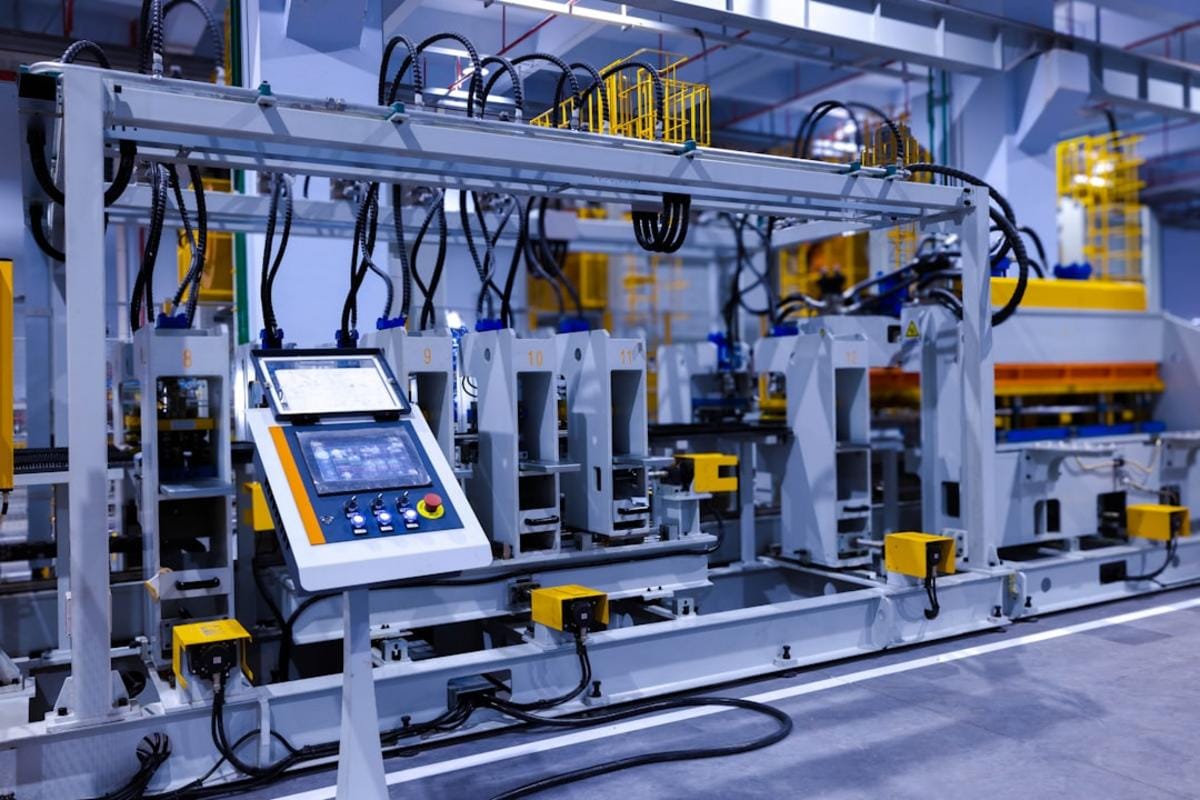
Efficiency is the cornerstone of successful construction projects, particularly in concrete batching where delays can cascade into significant budget overruns. Modern equipment incorporates advanced technology, including programmable logic controllers (PLCs), automatic feedback loops, and predictive maintenance algorithms to maximize operational uptime. Smart sensors continually monitor parameters like temperature, humidity, and vibration, alerting technicians to potential issues before they disrupt the workflow. Additionally, automation simplifies complicated batching routines, enabling faster cycle times and reduced labor costs. Maintenance strategies such as vibration analysis, oil particle counting, and remote diagnostics allow for predictive servicing, which minimizes unplanned downtime and prolongs equipment lifespan. Interoperability between different components in a plant ensures that adjustments in one area automatically adapt the entire system, maintaining synchronization and optimal performance. As construction projects grow more complex, the role of integrated technological solutions becomes even more crucial, translating into higher productivity, better resource management, and ultimately, more cost-effective concrete production.