Innovating Concrete Production with Advanced Batching Technologies and Modern Equipment
The Evolution of Batching Technology and Its Impact on Construction Efficiency
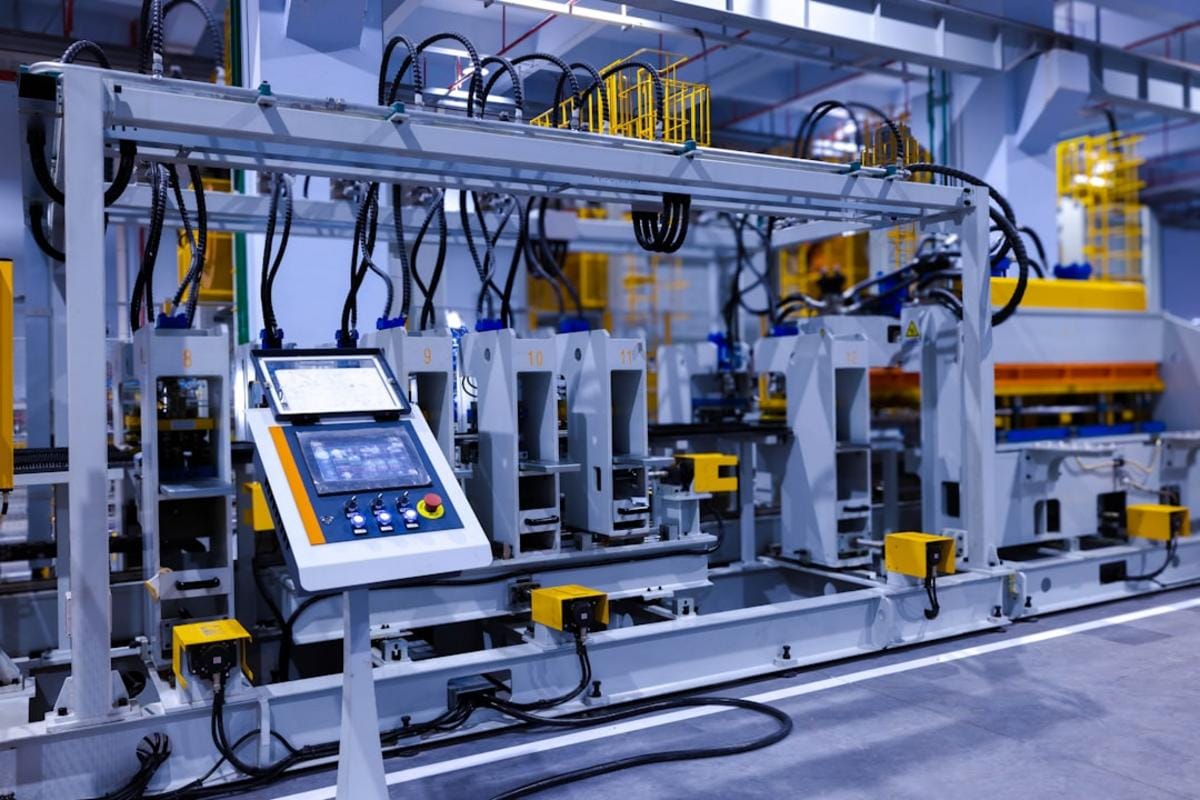
In recent years, the construction industry has seen a remarkable transformation driven by advancements in batching technology. Traditionally, concrete mixing involved manual measures and less precise methods, resulting in variability and potential quality issues. However, modern batching systems leverage cutting-edge automation, digital controls, and sensor technology to ensure high accuracy and consistency in concrete production. These innovations not only improve the overall quality of the concrete but also significantly enhance efficiency on construction sites by reducing waste, minimizing errors, and speeding up the workflow. Companies nowadays prefer integrated batching plants that are adaptable to various project sizes, from small residential developments to large infrastructure projects, showcasing the importance of flexible yet precise equipment. This evolution aligns with the rising demand for sustainability and resource efficiency, emphasizing the importance of technological integration in reducing environmental impact. The incorporation of innovative software solutions enables real-time monitoring, data collection, and predictive maintenance, empowering operators to optimize daily operations and foresee potential issues before they escalate. Overall, batching technology has become a cornerstone of modern construction, setting new standards for quality, speed, and environmental responsibility.
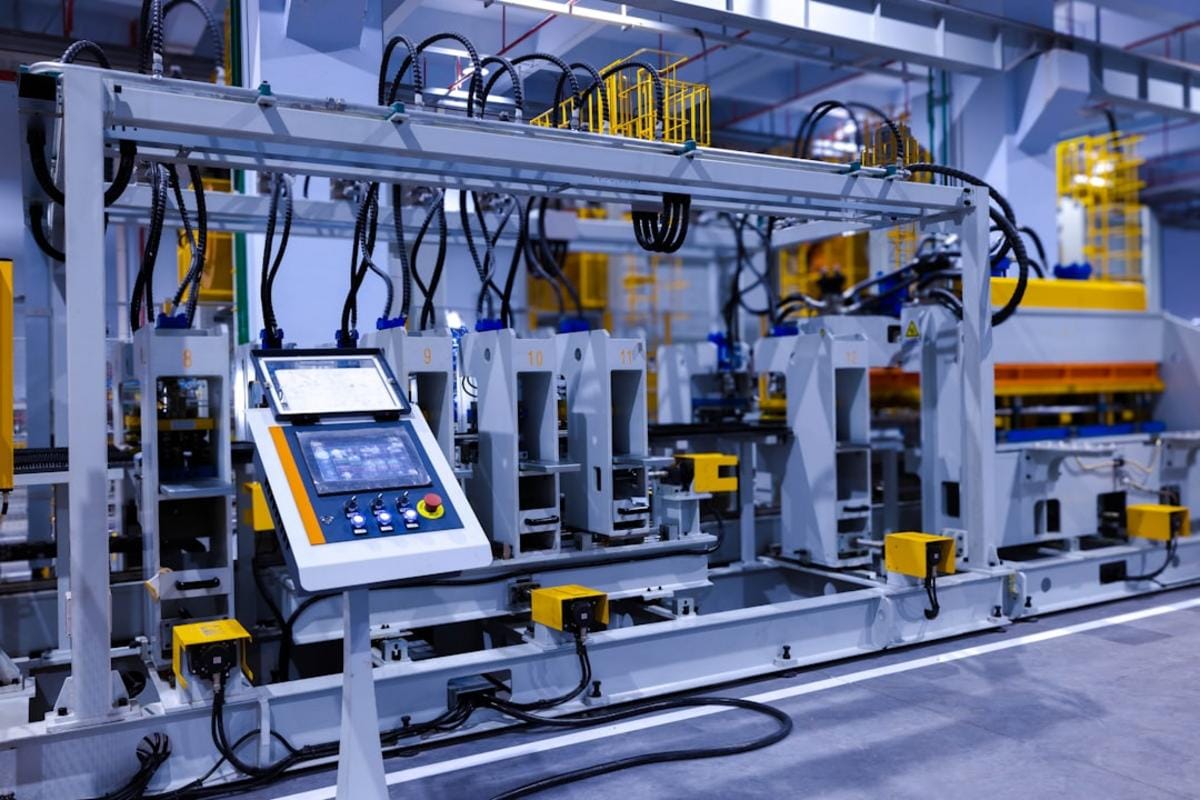
Advancements in Modern Concrete Batching Plants and Automated Systems
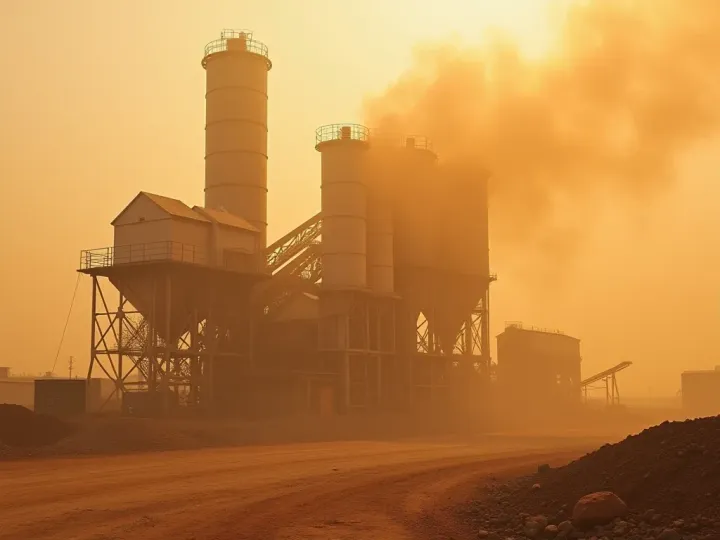
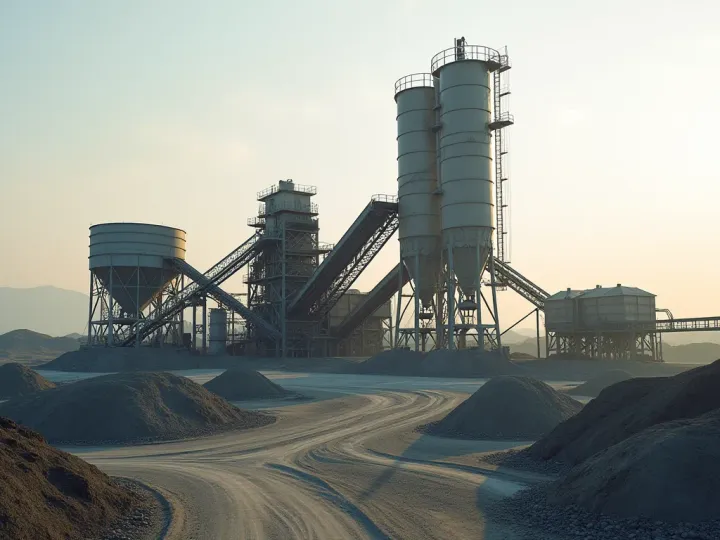
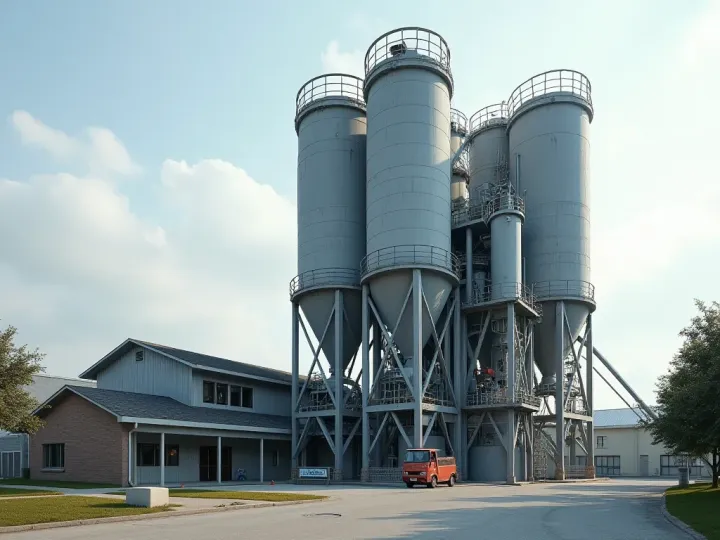
Modern concrete batching plants represent the pinnacle of construction equipment innovation, combining robustness with sophisticated automation capabilities. These plants are designed to handle diverse concrete mixes efficiently while maintaining superior quality standards. Key features include programmable logic controllers (PLCs), advanced weighing systems, and real-time data analytics, all working seamlessly to optimize batching accuracy. The inclusion of digital interfaces allows operators to easily manage multiple parameters, monitor live production metrics, and implement adjustments swiftly. Additionally, many plants now integrate with enterprise resource planning (ERP) systems to streamline supply chain management and inventory control. Mobile and compact batching units are also gaining popularity for their versatility and ease of deployment across different site locations. As the industry leans toward greener solutions, modern plants incorporate energy-efficient motors, dust collection systems, and water recycling units, contributing to more sustainable construction practices. Notably, the rise of remote operation capabilities has allowed companies to oversee batching processes from a distance, further improving safety and operational efficiency.
Maintenance Strategies for Ensuring Long-Term Performance of Batching Equipment
Maintaining the high performance and longevity of batching equipment is crucial for continuous, worry-free concrete production. Modern batching plants require proactive maintenance strategies that leverage predictive analytics and condition monitoring tools to identify potential failures early. Regular inspections of critical components such as weigh hoppers, mixing drums, and loading conveyors help detect wear and tear before they impact operation. Employing smart lubrication systems and utilizing high-quality replacement parts can significantly reduce downtime and repair costs. Additionally, establishing maintenance schedules aligned with the manufacturer's recommendations ensures that all equipment functions optimally, while minimizing unexpected breakdowns. Companies increasingly adopt comprehensive training programs for operators and maintenance personnel, emphasizing best practices and safety protocols. Investments in remote diagnostics and IoT-enabled sensors have revolutionized maintenance routines, allowing for real-time alerts and data-driven decisions. Ultimately, these advances in maintenance not only sustain equipment performance but also contribute to reducing environmental impact and operational costs, aligning with the broader goals of sustainable construction.