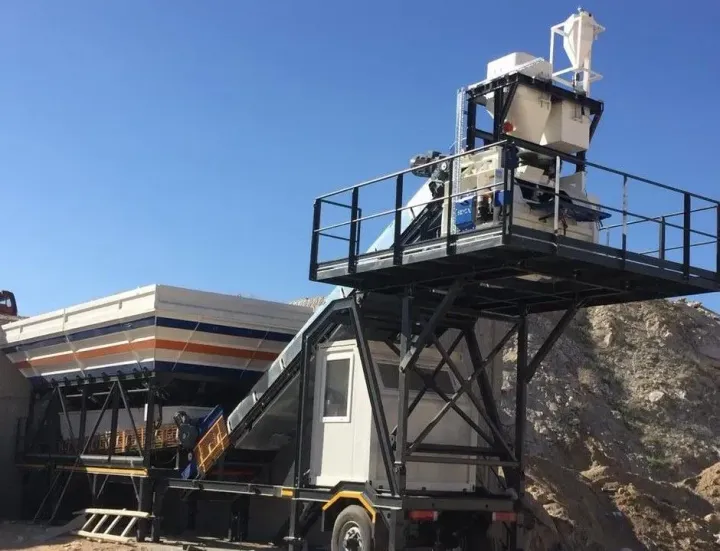
The Hidden Critical Flaw in Modern Concrete Batching Plants That Could Halt Construction Projects

Reevaluating Assumptions About Modern Batching Technology and Its Reliability
In the rapidly advancing realm of construction, modern concrete batching plants are often praised for their efficiency, automation, and precision. However, beneath this shiny veneer lies a largely overlooked yet critical flaw: the reliance on sensor-based automation systems that can silently compromise concrete quality over time. While technological innovation has transformed batching processes into finely tuned operations, the industry’s assumption that these systems are infallible can lead to severe consequences. Recent studies and field reports reveal that sensor drift, calibration errors, and delayed maintenance can cause serious deviations in mix proportions, ultimately affecting durability, strength, and water-cement ratios. This hidden flaw manifests not in obvious failures but as subtle quality declines that only emerge after substantial structural issues or performance setbacks. Ironically, many operators trust automated systems without implementing rigorous manual checks, leading to a dangerous complacency. In this context, it’s essential for industry professionals to understand that automation is a tool, not a substitute for vigilant oversight. The best approach combines technological sophistication with disciplined maintenance routines and periodic manual sampling, especially for critical projects. For example, some leading plants are starting to integrate advanced digital twins to monitor real-time batch performance, but this requires ongoing calibration and expert oversight. Without these measures, even the most modern batching plants risk delivering inconsistent concrete, risking costly repairs, delays, and safety concerns. To rectify this, companies must prioritize comprehensive training and regular calibration protocols, recognizing that reliance on technology alone can be a trap. This insight is a wake-up call: precision in concrete production depends as much on human diligence as on advanced machinery. For detailed insights on equipment maintenance and optimization, consider exploring the powerful role of precise maintenance in batching systems. As the construction sector braces for the future, it’s time to challenge the assumption that automation guarantees perfection—because in reality, human oversight remains the bedrock of consistency and safety in concrete production.

Why Overdependence on Automation Can Mask Critical Quality Issues
Automation in batching plants has undeniably improved production speed and consistency, but it carries an implicit danger: operators often place excessive trust in sensor readings and automated controls, ignoring the necessity for manual checks. This overreliance can significantly mask underlying issues such as sensor degradation or calibration drift that develop gradually and silently. For example, a calibration drift of just 2-3% in moisture sensors or weighing systems might seem negligible; however, when compounded over multiple batches, it results in inconsistent water-cement ratios which compromise concrete strength and durability. Many plant managers assume that automation systems self-correct or stay accurate indefinitely, but in reality, sensors are subject to environmental influences, wear, and ageing. The result is a false sense of assurance that production runs are flawless, which is far from the truth. This misconception can lead to large-scale production errors, impairing project timelines and increasing costs due to rework or structural failures. It’s vital for the industry to adopt a balanced approach—leveraging digital sensors and automation while maintaining rigorous manual sampling, periodic calibration, and staff training. The best practices involve integrating real-time data analysis with experienced technician oversight, creating a hybrid system resistant to the pitfalls of complacency. Proactively addressing these hidden vulnerabilities can save companies millions by preventing catastrophic quality failures. For comprehensive guidance on optimizing equipment performance, visit the overlooked innovations in heavy equipment for concrete efficiency. Ensuring that automation supports, rather than replaces, skilled human intervention is the secret to sustainable, high-quality concrete production.

Solutions to Safeguard Concrete Quality in the Age of Automation
To mitigate the risks introduced by over-dependence on automated systems, industry leaders are emphasizing the importance of rigorous maintenance programs, staff training, and integrative quality checks. Implementing routine manual sampling—such as checking slump consistency, air content, and final mix proportions—remains vital. Advanced digital tools like real-time monitoring dashboards and predictive analytics can forecast potential sensor failures before they impact the batch quality. Moreover, establishing a culture of continuous improvement, where technicians are encouraged to review sensor data critically and calibrate equipment regularly, can substantially reduce errors. Some companies are adopting automated calibration routines that run at scheduled intervals, coupled with manual verification, creating a healthy redundancy. The incorporation of remote diagnostics reduces downtime and enhances the accuracy of sensor systems, but it doesn't diminish the need for skilled oversight. The combination of automation with human expertise creates a resilient production environment capable of catching subtle deviations before they escalate into major issues. For developers and managers keen on staying ahead, exploring modern solutions like innovative mixing systems that elevate quality control provides actionable insights. Ultimately, proactive maintenance, continuous staff training, and a combined human-technical approach are cornerstone strategies for future-proofing concrete batching operations—ensuring that quality is maintained, costs are controlled, and project schedules stay intact.

Looking Ahead: The Industry’s Path to More Resilient and Accurate Batching
As construction projects become more ambitious and standards for durability more stringent, the industry must recognize that complacency with automation can endanger project integrity. Developing a comprehensive maintenance and quality assurance framework that combines digital innovations with rigorous manual checks will be crucial. Technologies like predictive maintenance, sensor recalibration algorithms, and real-time performance analytics offer promising avenues to pre-empt and correct deviations. Moreover, ongoing training programs for operators and technicians ensure that human expertise remains sharp and proactive rather than reactive. The industry’s future depends not solely on faster, automated batching but on smarter, integrated systems that harmonize machine precision with human judgment. Companies that acknowledge and address these hidden vulnerabilities now will not only preserve their reputation but also push the boundaries of what’s possible in construction quality and efficiency. For those interested in how digital innovations are reshaping concrete infrastructure, check out this overview of digital innovation in construction. Ultimately, the key to resilient concrete production lies in balancing cutting-edge technology with rigorous human oversight—ensuring that every batch delivers strength, durability, and safety for generations to come.