A fourth-generation paving crew just broke a rule nobody talks about on airport jobs
The clock is the real boss on any major pour
You have exactly thirty minutes. That is the hard limit set for the time of batch to the time of placement on a major international airport project.
Most people hear that and picture a ticking clock in a movie. But on the actual jobsite, it feels like holding your breath while running a marathon.
The concrete starts setting the second it leaves the mixer. You are racing against physics and a very strict contract.
Atlantic Contracting faced this exact reality when they took on two massive airport projects at the same time.
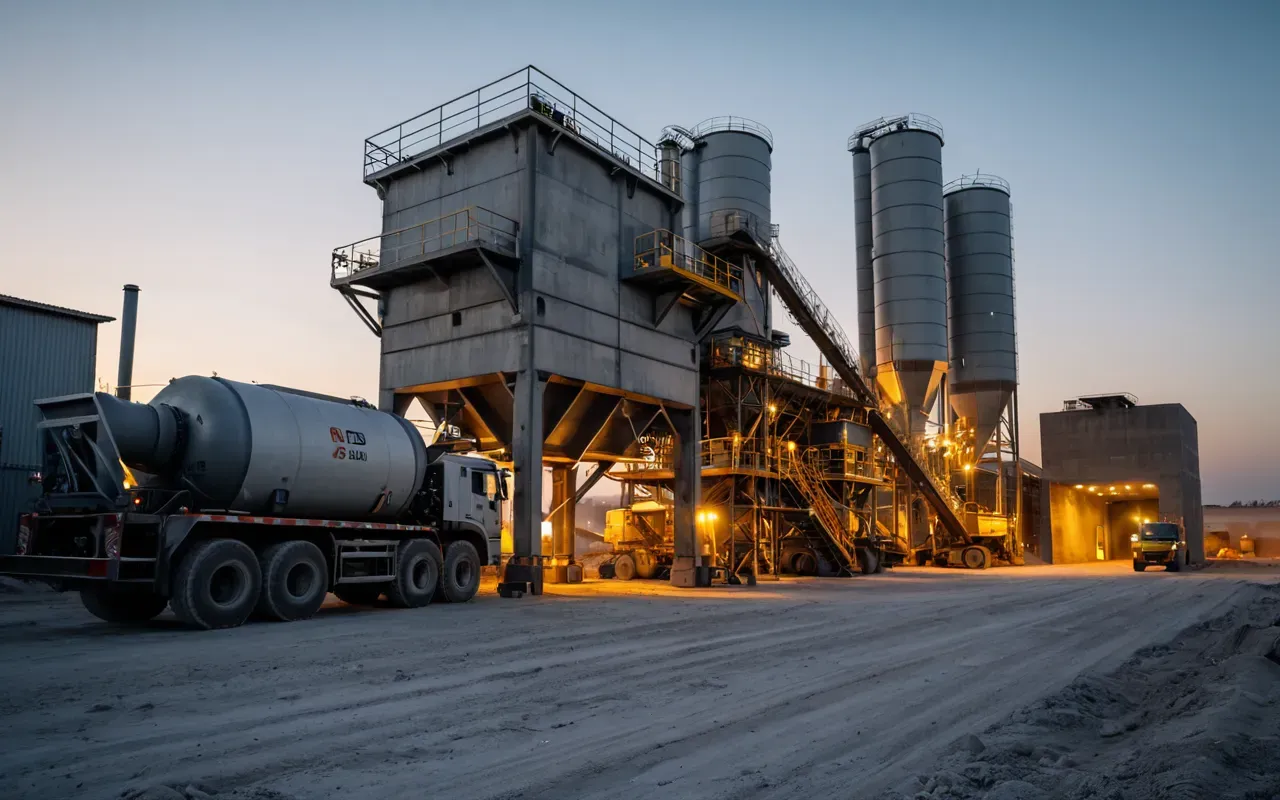
They did not just buy more trucks. They bought a fourth mobile concrete plant to solve the problem at its source.
Why speed is a trap for big concrete jobs
I have seen plenty of crews chase production numbers. They push the mixers to their absolute limit just to keep up with a paver.
But here is the thing. Pushing too hard usually breaks something down later in the shift.
When a critical part fails on an airport runway project you do not just pause the work.
You are paying for idle labor and wasted materials while you wait for a replacement part to arrive.
A consistent output of three hundred cubic yards per hour sounds like a lot. It is actually the sweet spot.
The secret weapon was a machine that moved in one day
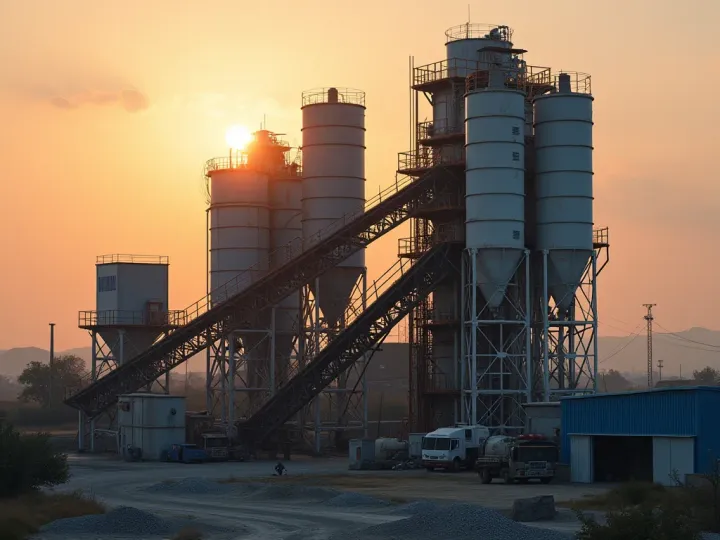
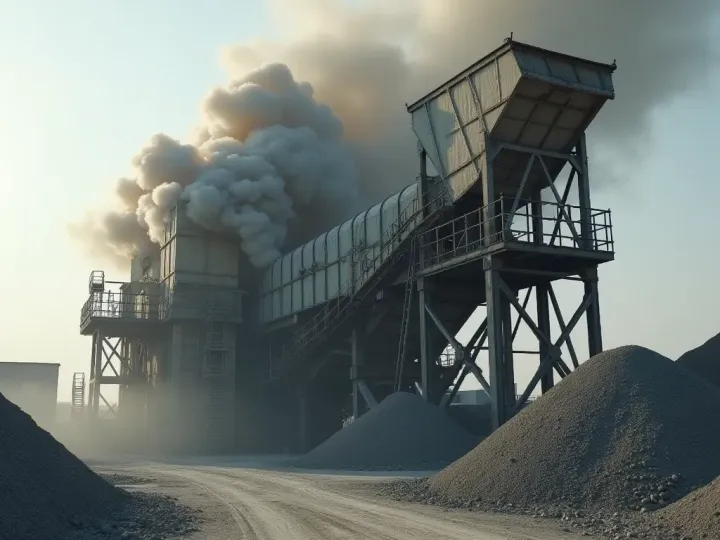
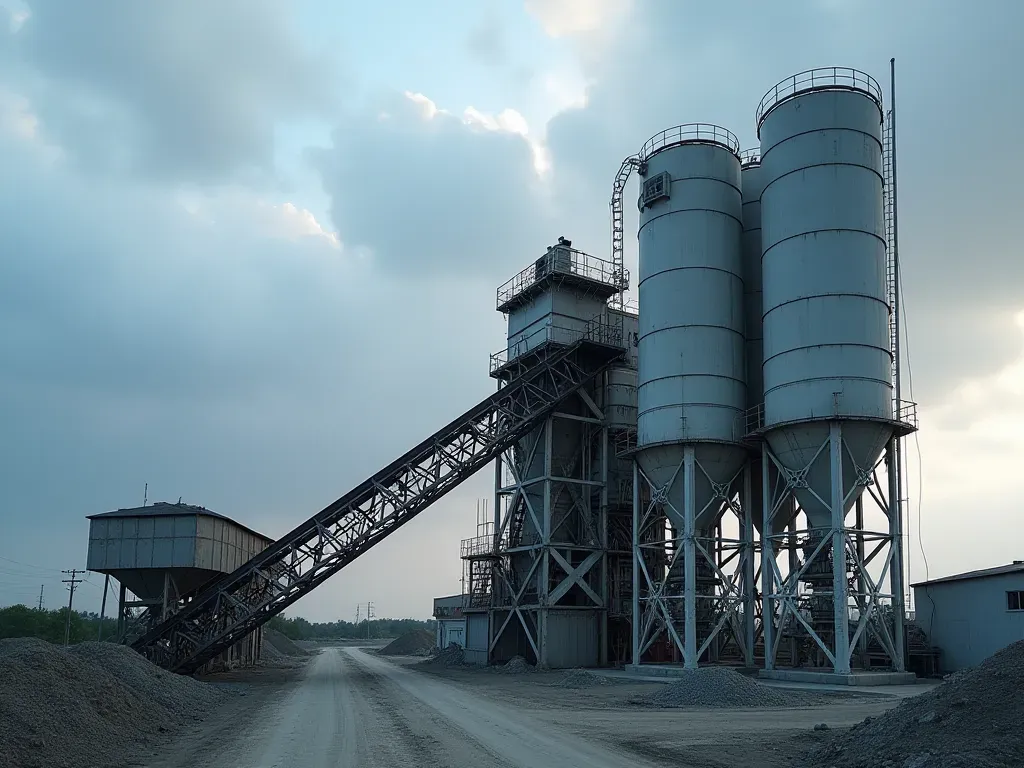
Mobility is the quiet hero of this story. The RexCon Model S plants they used can be fully set up in a single day.
And they are producing mix within three days of arriving on site.
That speed matters when you are working on two different airports at once. You need the mix production as close to the paver as possible.
Placing a plant on each side of the runway eliminated long haul times and kept the concrete fresh.
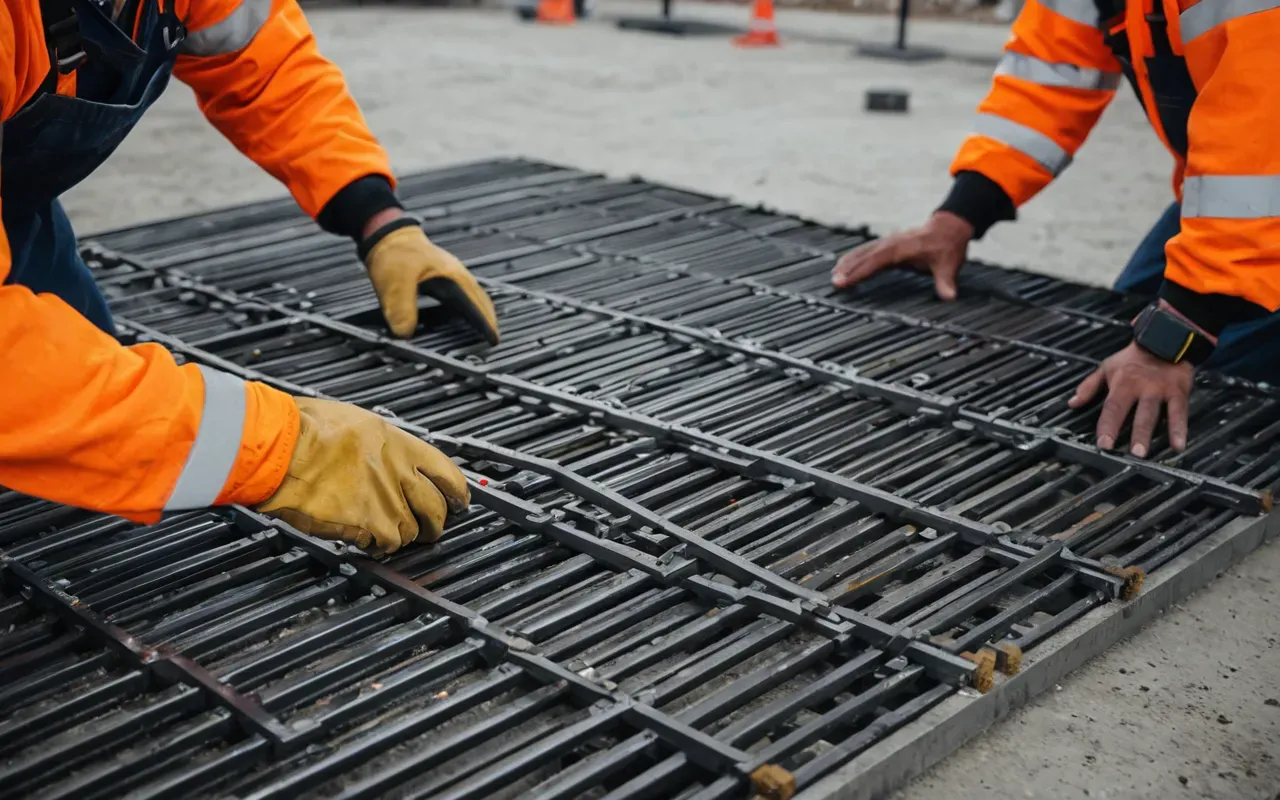
The crew used a Guntert and Zimmerman S850 Quadra slipform paver to place the concrete.
These machines move at a steady pace and they need an endless supply of fresh mix to stay moving.
If the trucks run out or the plant slows down the whole operation grinds to a halt.
Why modular design beats heavy fixed infrastructure
Fixed plants are great for one location but they cost a fortune to move.
Modular sections change the math entirely. You can break down and rebuild without losing your place in the market.
Atlantic Contracting has been using these specific plants since the 1970s. That is a huge span of reliability.
They currently operate models from 2008 through 2016 and all of them run the exact same way.
That standardization is a massive hidden benefit that most buyers never think about until they need it.
How the crew kept the pavers fed all day long
They deployed between six and twenty off-road trucks to keep the flow constant.
It takes a lot of concrete in a short amount of time to keep these heavy pavers happy.
The pours ranged from twelve to twenty two inches deep depending on the exact section of the runway.
Fueling aprons and runways have different structural demands that require precise mix control.
The hidden cost of ignoring calibration drift in your plant
Consistency is not just about speed. It is about hitting the exact mix design every single time.
If your scales drift or your water injection varies you are pouring a different product than what the engineer specified.
This can lead to cracks and failure down the road. It also creates massive liability for your company.
I have seen a single missed calibration cost one plant twenty five thousand dollars in rework and delays.
If you want to see how this affects real world budgets check out how one missed calibration can drain your profits right now.
Who actually wins when you bet on reliability
The contractor obviously saves money. But the real winner is often the client who gets a durable surface.
Airports cannot afford downtime. A failed runway closure costs millions in lost revenue and passenger anger.
By delivering a consistent product Atlantic Contracting became the go to team for these high stakes projects.
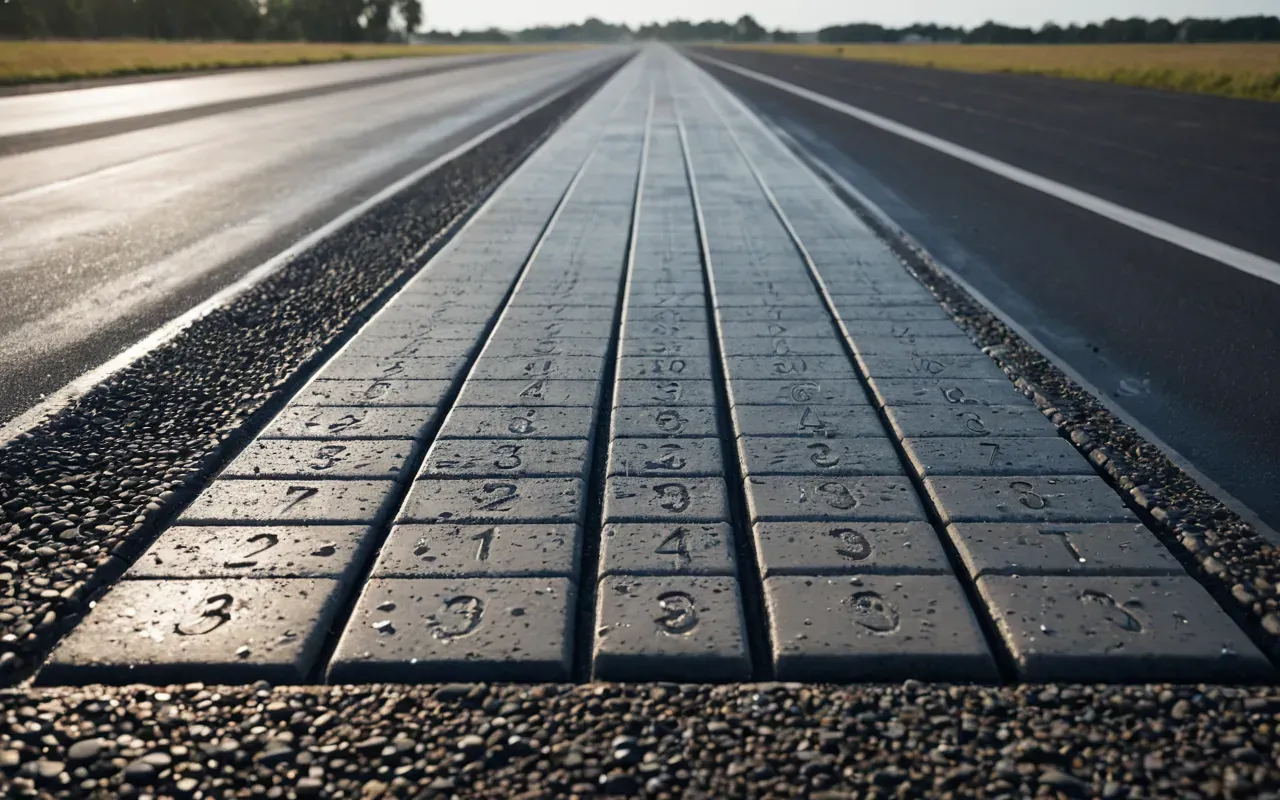
They completed five thousand feet of runway at Dulles and turned it back over on schedule in November.
That track record is hard to buy. It is built one consistent batch at a time.
And it does not matter if you are pouring for the military or a private developer. The physics of concrete do not care about your budget.
What this means for your next equipment purchase
Stop looking only at the price tag per hour. Look at the total cost of ownership over three years.
A cheaper plant that takes two weeks to set up will lose you more money than a premium model that is ready in one day.
Think about the labor costs for your crew during that setup period. It adds up fast.
Also consider the training curve for your operators. If they have to learn a new interface on every job you lose productivity.
Standardization across your fleet is a hidden asset that pays dividends in every project.
The future of consistent concrete production is here now
Technology is getting better but the basic design principles are holding steady.
We keep seeing that operators trust what they know. It is a powerful force in the construction industry.
When Astec Industries purchased RexCon in 2017 the transition was smooth for crews like Atlantic.
Parts availability and support networks remained intact. That continuity is rare in this market.
It shows that the best equipment strategy is not always about buying the newest thing on the lot.
It is about finding a system that fits your specific workflow and sticking with it.