The EPA Is Silencing Your Neighborhood Over Concrete Plants And Data Centers
The Quiet Threat to Your Air Quality
Look, we all know that construction is noisy. It's dusty. It's a bit of a hassle when a new high-rise goes up next door. But here's the thing that nobody is talking about. The dust might be the least of your worries. A proposed change to a federal rule could completely eliminate your right to weigh in on permits for facilities considered 'minor' air polluters. And this includes small industrial operations like concrete batch plants and the diesel generators powering the booming AI data center industry.
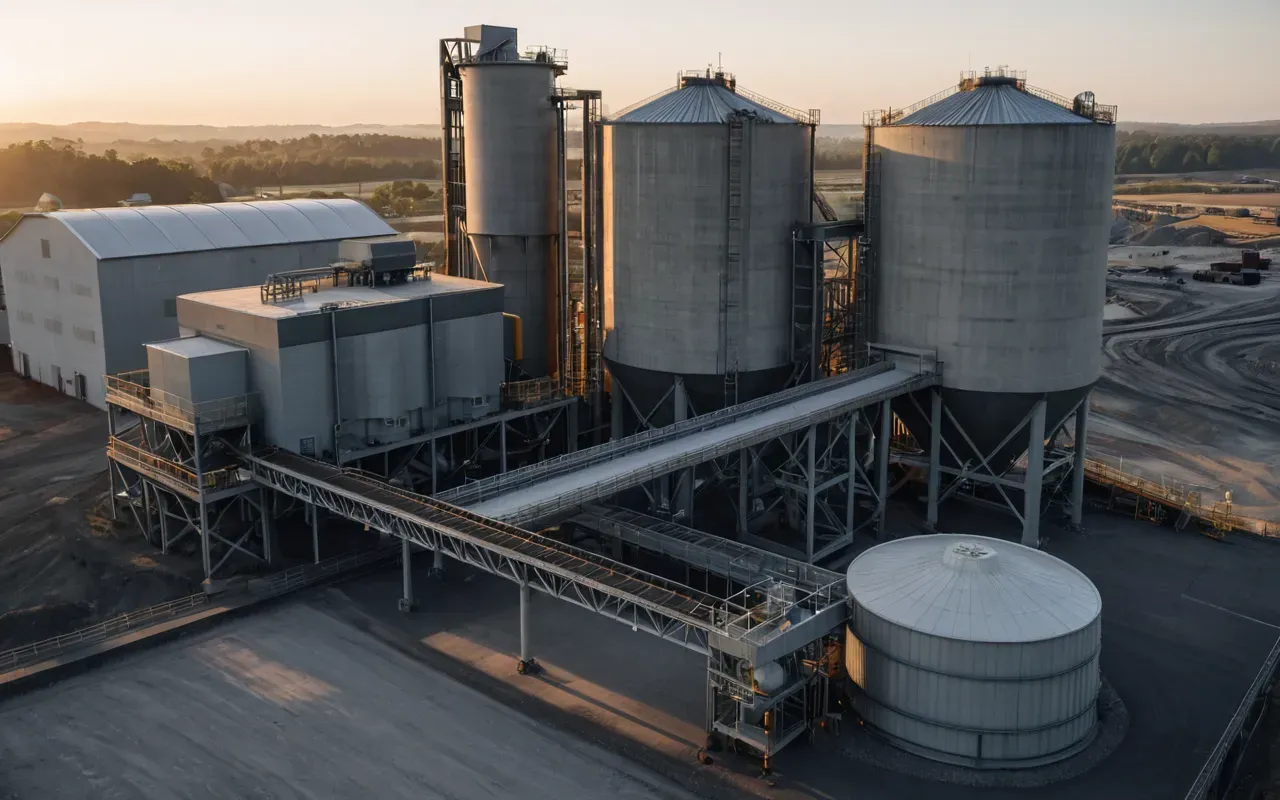
I was struck by the sheer speed at which this is moving. The EPA has emphasized that it is not proposing to weaken environmental protections. They claim they are just cutting red tape. But let's be real for a second. If you live in a neighborhood like Settegast in East Houston, you already know that red tape might be the only thing standing between you and toxic air. The area is home to a regulatory air monitor with the worst readings in the city for fine particulate pollution. Five Star Ready Mix operates right there. The stakes couldn't be higher.
Who Wins and Who Loses in This Regulatory Shift
So who actually benefits from this? The EPA Administrator, Lee Zeldin, said this proposal streamlines processes to apply common sense. He argues that federal agencies should follow the law and cut unnecessary burdens. On paper, that sounds reasonable. Who doesn't want efficiency? But efficiency for whom? Critics say this shift hands the keys entirely to states like Texas, where the Texas Commission on Environmental Quality (TCEQ) has a documented history of limiting public transparency. The Sunset Advisory Commission even faulted the TCEQ in 2023 for breaking its public participation promises. Do you really trust them to self-regulate?
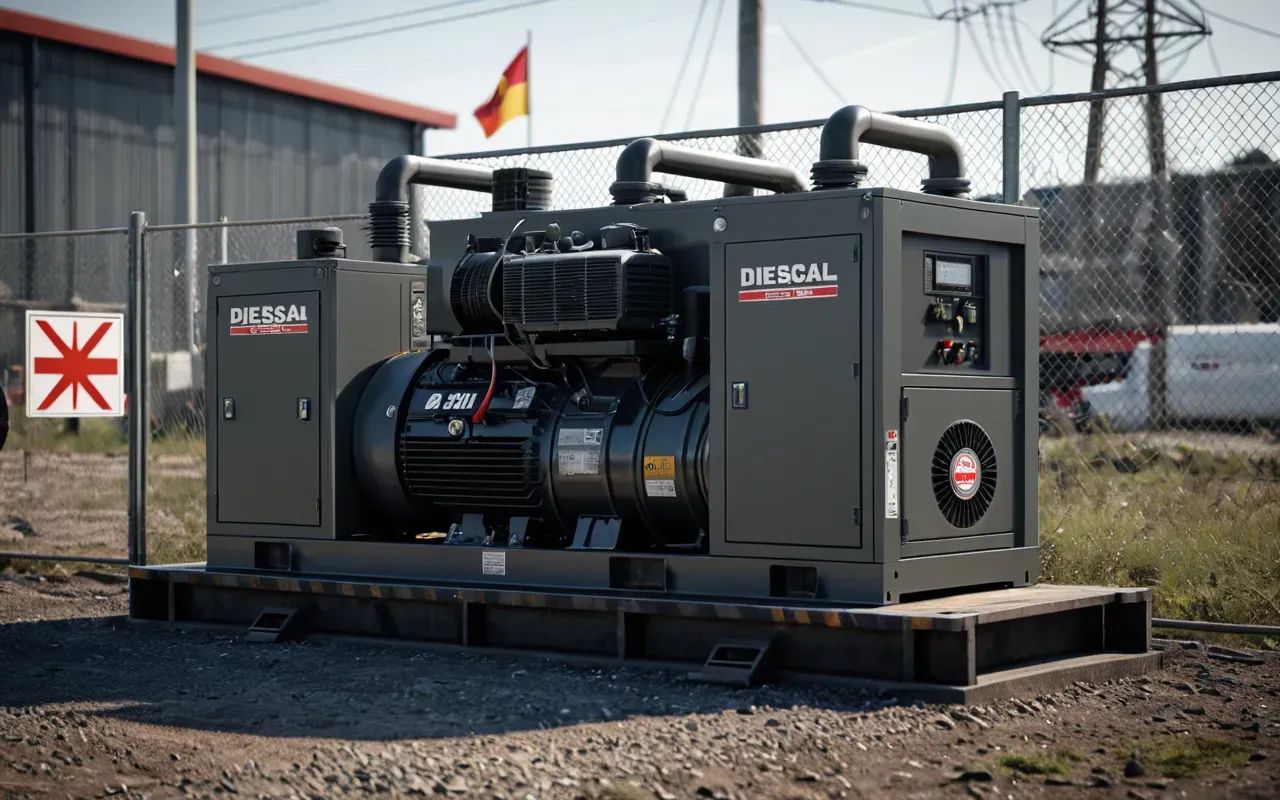
And then there's the data center angle. It's huge. Texas is exploding with AI data centers. Many of these facilities have used minor emissions applications to permit diesel generators and gas turbines. If the public notice requirement goes away, these massive energy hogs could expand or operate with less scrutiny from the people breathing the air. Cyrus Reed from the Sierra Club put it bluntly. He said removing the public from the permitting process would be especially detrimental to Texans who rely on federal agencies to do what the state government won't. That's a heavy claim. But it rings true.
The Loophole That Powers the AI Boom
Here's the detail that really bothers me. You might think concrete plants are the main issue. They are, certainly. But the proposed rule also affects the energy infrastructure supporting the digital age. AI data centers are energy-intensive. They need backup power. And that backup power often comes from diesel generators. Under the current federal rule, communities are required to be notified with enough time to submit comments or request hearings. If the new rule passes, that notification could vanish for 'minor' sources. The TCEQ has not responded to repeated requests for comment on this specific concern. Silence is rarely a good sign.
Think about the geography. These facilities aren't just appearing in industrial wastelands. They are invading neighborhoods. They are drinking our water. They are polluting our air. Kathryn Guerra, a former regulator at both TCEQ and EPA, said the TCEQ consistently demonstrates its inability to consider the needs of communities across Texas. She works with Public Citizen, a nonprofit that is sounding the alarm. They argue this change allows the state to eliminate its public notice processes entirely for smaller-scale polluters. It's a slippery slope, and it's already sliding.
Why Concrete Batching Plants Are at the Center of the Storm
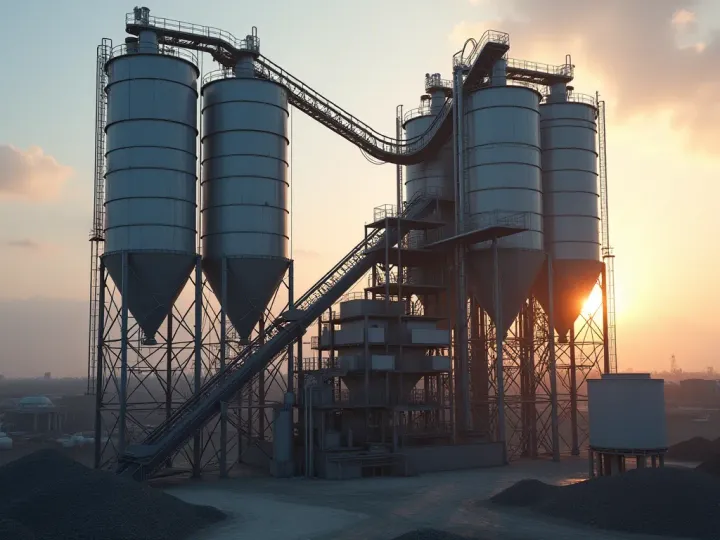
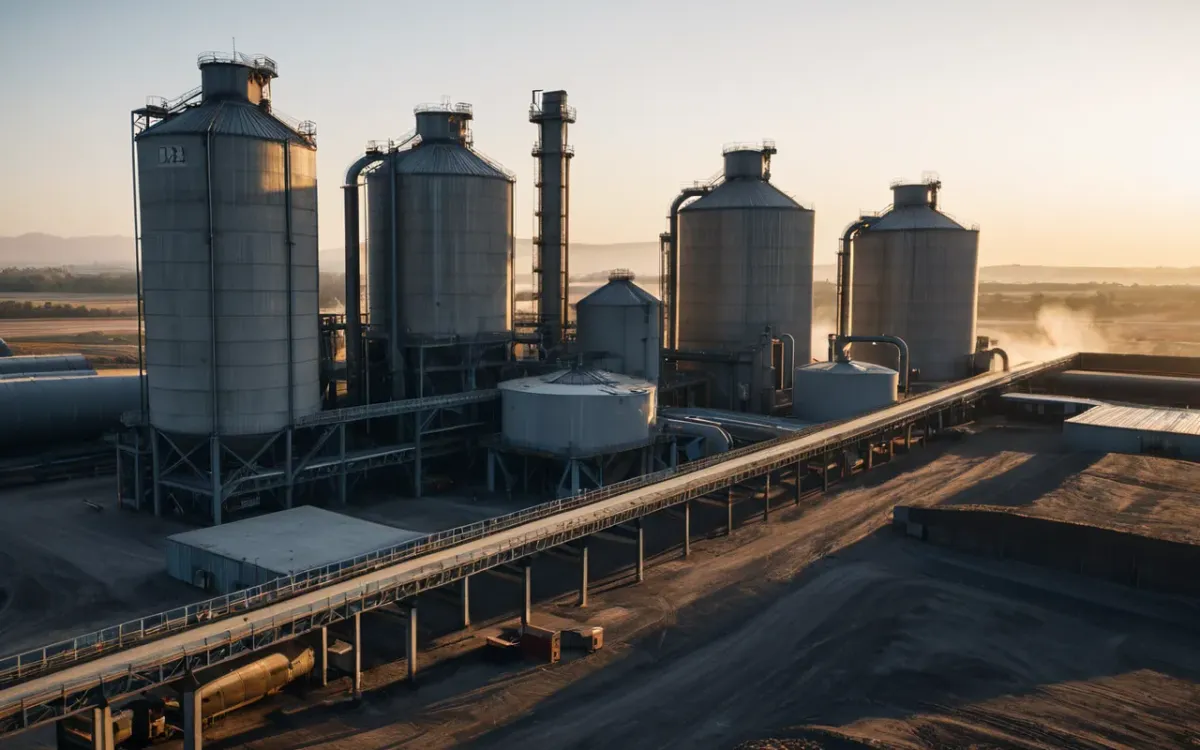
Let's talk about the equipment itself. Concrete batching plants are essential for construction. They mix the raw materials to create the building blocks of our cities. But they are also significant sources of particulate matter. Dust. Silica. These aren't just annoyances. They are health hazards. When you operate a
The technology in these plants has advanced. We see innovations in mixing systems that enhance efficiency. We see digital innovation reshaping concrete construction. But technology isn't a silver bullet for environmental justice. If the permit process is stripped of public input, even the most advanced
I've seen how overlooked flaws in batching technology can derail projects. A clogged sensor here, a miscalibrated scale there. Now imagine the regulatory oversight failing in the same way. Without the community watching, who ensures the filters are clean? Who verifies the emissions data? The EPA claims states can keep or strengthen their own public input processes. But history shows that when federal teeth are pulled, state-level protections often follow. The Sunset Commission already noted the TCEQ's failures. Why assume they'll get better without pressure?
The Local Impact in Houston and Beyond
In Houston, the story is personal. Residents in East Houston have long complained about the air quality. The Five Star Ready Mix plant is a flashpoint. But it's not an isolated incident. Rock crushers and other minor industrial operations are scattered across the region. They fall below 'major emissions' thresholds, which is exactly why they are vulnerable to this rule change. The federal threshold is the gatekeeper. Once you're labeled 'minor,' the public's voice gets quieter. And if the state doesn't step in, the public's voice disappears entirely.
We keep seeing this pattern in environmental law. Big polluters get scrutinized. Small ones slip through. But 'small' is relative. A concrete plant isn't a gas station. It's a heavy industrial facility. It moves tons of material daily. It generates dust that drifts into homes. It affects children's lungs. The EPA's proposal treats these sources as administrative afterthoughts. Critics argue this is a fundamental misunderstanding of how pollution accumulates. It's not just the major sources. It's the cumulative impact of hundreds of minor sources in one community. That's what this rule ignores.
What You Can Do Before the Deadline
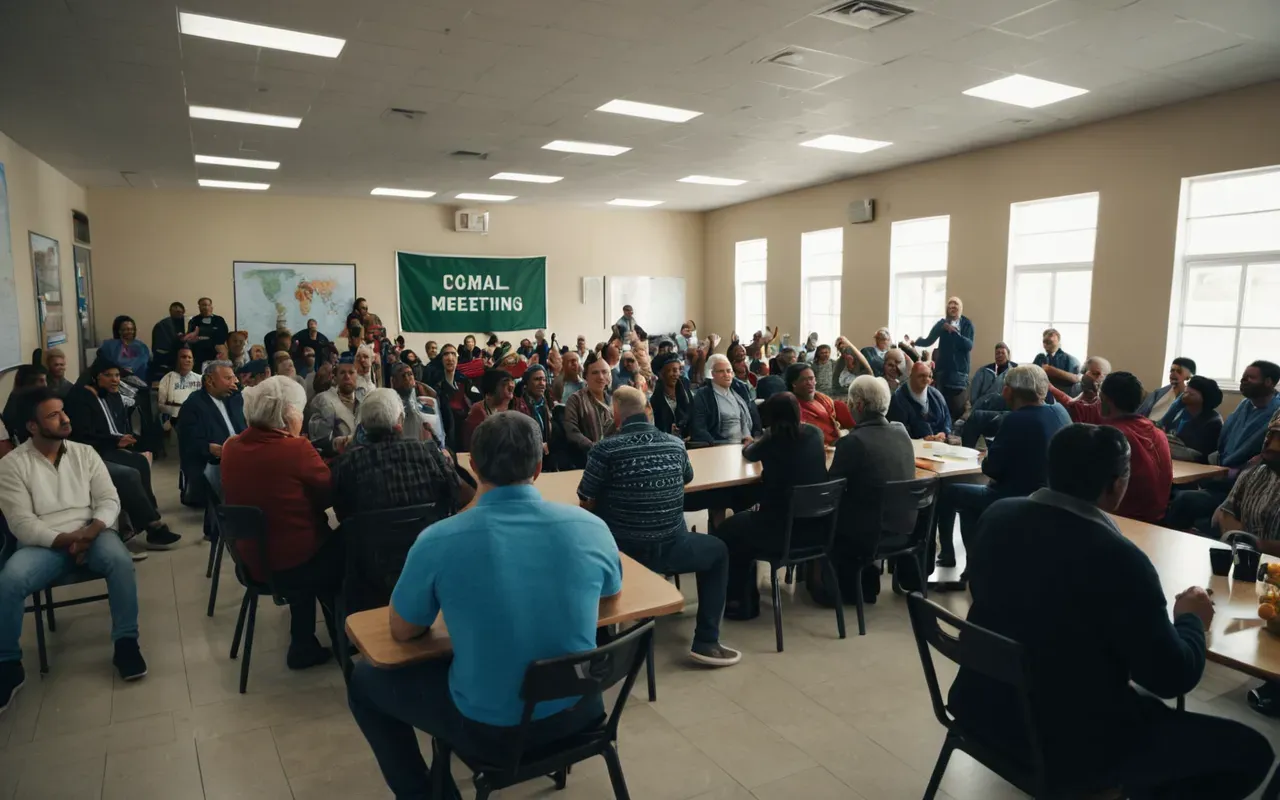
Here's the urgent part. The EPA will hold a virtual hearing on the proposed rule change on July 22. Public comments are accepted until August 21. That's not a lot of time. If you live near a construction site, a concrete plant, or a new data center, this matters to you. The nonprofit Public Citizen is mobilizing. So is the Sierra Club. They are urging people to submit comments and request hearings. This is your chance to put your input on the record. Don't wait. The window is closing.
I know it feels overwhelming. Regulatory changes seem distant. They seem like paperwork for lawyers and bureaucrats. But this is about your neighborhood. It's about your right to know what's being built next door. It's about your right to say 'no' or 'not here' or 'do it better.' The EPA says it's cutting red tape. I say they're cutting lifelines. For communities already burdened by poor air quality, this rule change could be devastating. We need to speak up. We need to demand transparency. The technology exists to produce concrete cleanly. The question is whether we'll have the political will to enforce it.
The Bigger Picture for Construction and Technology
Let's step back for a moment. The construction industry is evolving. We're seeing a shift toward sustainable practices. There's innovation in
But innovation requires oversight. You can't have green technology without green policy. If we allow the regulatory framework to crumble, the incentives for clean production vanish. Companies will cut corners. They'll rely on loopholes. And the communities downwind will pay the price. This isn't just about Texas. It's a national precedent. If the EPA rolls back public participation for minor sources, other states will follow. The ripple effect will be massive. We need to protect the right to participate. It's the foundation of environmental democracy.
I've spent a lot of time looking at heavy equipment. I admire the engineering. The precision. The power. But machines don't care about health. They don't care about equity. That's our job. We have to ensure that the tools we use to build our world don't destroy the world we live in. This EPA proposal is a test. It's a test of our commitment to transparency. It's a test of our respect for local voices. And right now, the system is failing that test. We can't let it slide. The deadline is August 21. Make your voice heard.
Why This Changes More Than People Think
Most people think of pollution as smokestacks. Big, visible plumes. But the real danger is often invisible. Particulate matter. Nitrogen oxides. These come from 'minor' sources. They come from concrete plants. They come from backup generators. They come from the everyday machinery of modern life. By deregulating these sources, the EPA is ignoring the cumulative reality of urban pollution. It's a scientific error. And it's a political one. The communities most affected are often the least powerful. This rule change would cement that inequality. We have to stop it.
So, what's the takeaway? Don't ignore the paperwork. Don't assume it doesn't affect you. It does. If you live near construction, check your local permits. If you see dust, report it. If you see a new generator, ask questions. Use the public comment process. Submit your concerns. Join organizations like Public Citizen and the Sierra Club. They are fighting this battle. But they need numbers. They need voices. The EPA wants to streamline. We want to survive. Those two goals might not align. And that's okay. We should demand better. We deserve better air. We deserve a say in what happens to our neighborhoods. Now is the time to act.