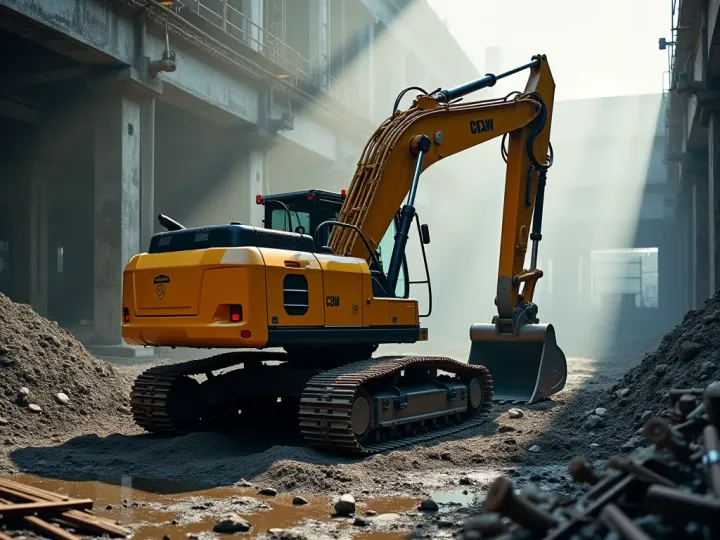
The concrete plant next to your school might actually be legal in Texas
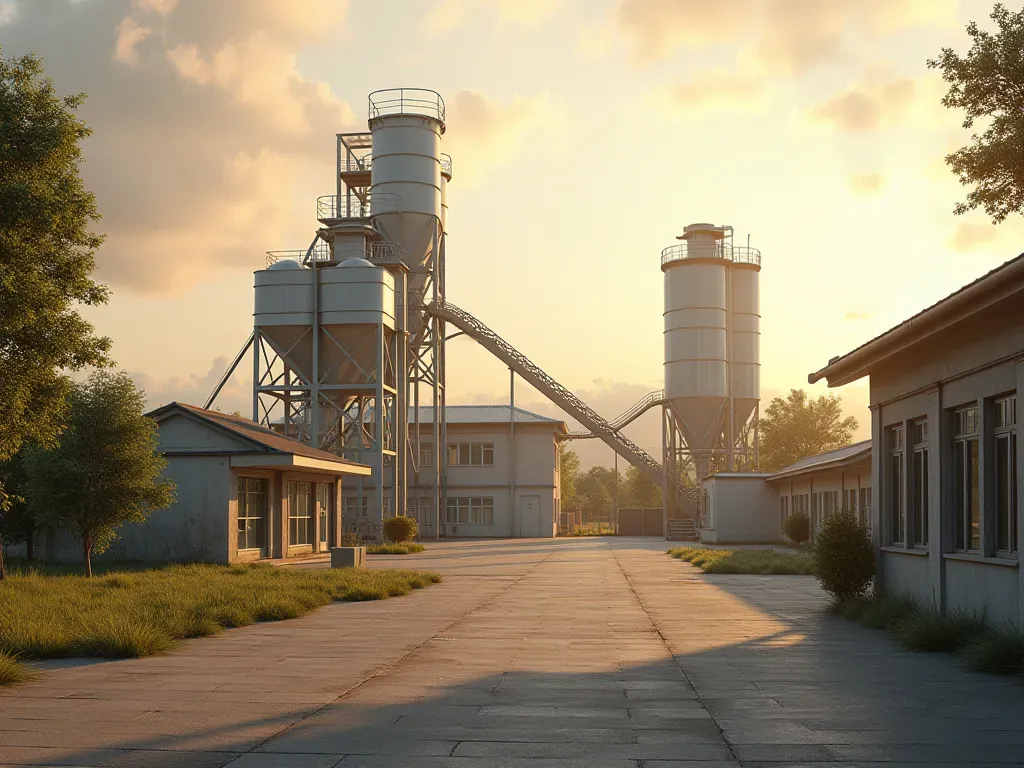
The Silent Legal Loophole in Concrete Plant Placement
It is thirty feet from the playground. The air smells like wet dust and diesel fumes. Parents are furious.
But here is the twist nobody talks about. The plant might be completely legal. Yes. Legal.
In Texas, the distance between a batching facility and a school is not always a regulatory trigger. It depends on specific permit conditions.
This creates a dangerous gap. What feels like an environmental crisis to parents often looks like a technical compliance issue to regulators.
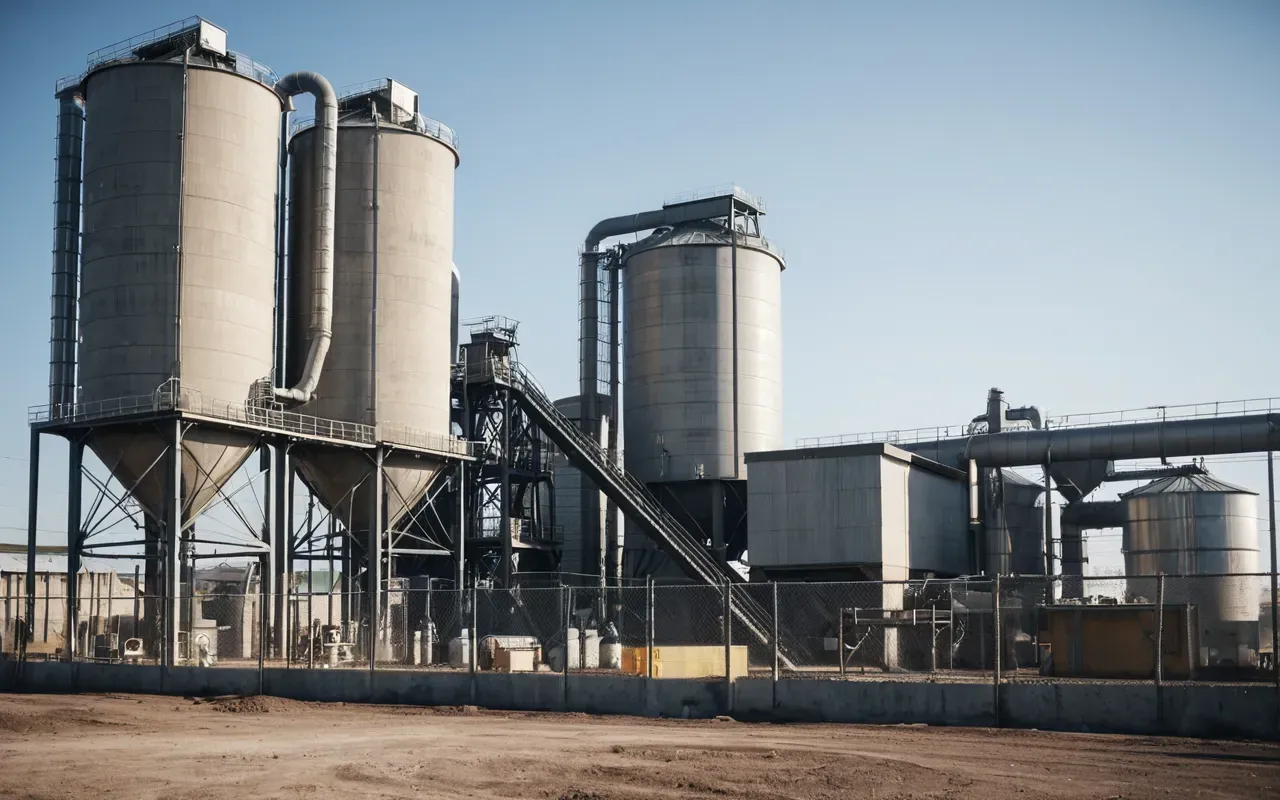
Why Proximity Does Not Equal Illegality
I was struck by how specific the regulations are. They focus on emission limits per hour, not total daily exposure for nearby residents.
If the plant stays under its permitted particulate matter threshold during testing hours, it passes. Even if it runs for twelve months straight.
This is a critical distinction. Compliance measures instantaneous output. It does not measure cumulative impact on developing lungs.
The Health Reality Check for Local Children
Let’s be blunt. Fine particulate matter is not a minor irritant. It penetrates deep into the respiratory system.
For a five-year-old playing on a blacktop playground nearby, the risk is tangible. Asthma triggers are real and documented.
Yet the legal framework does not prioritize developmental vulnerability. It prioritizes industrial throughput and permit efficiency.
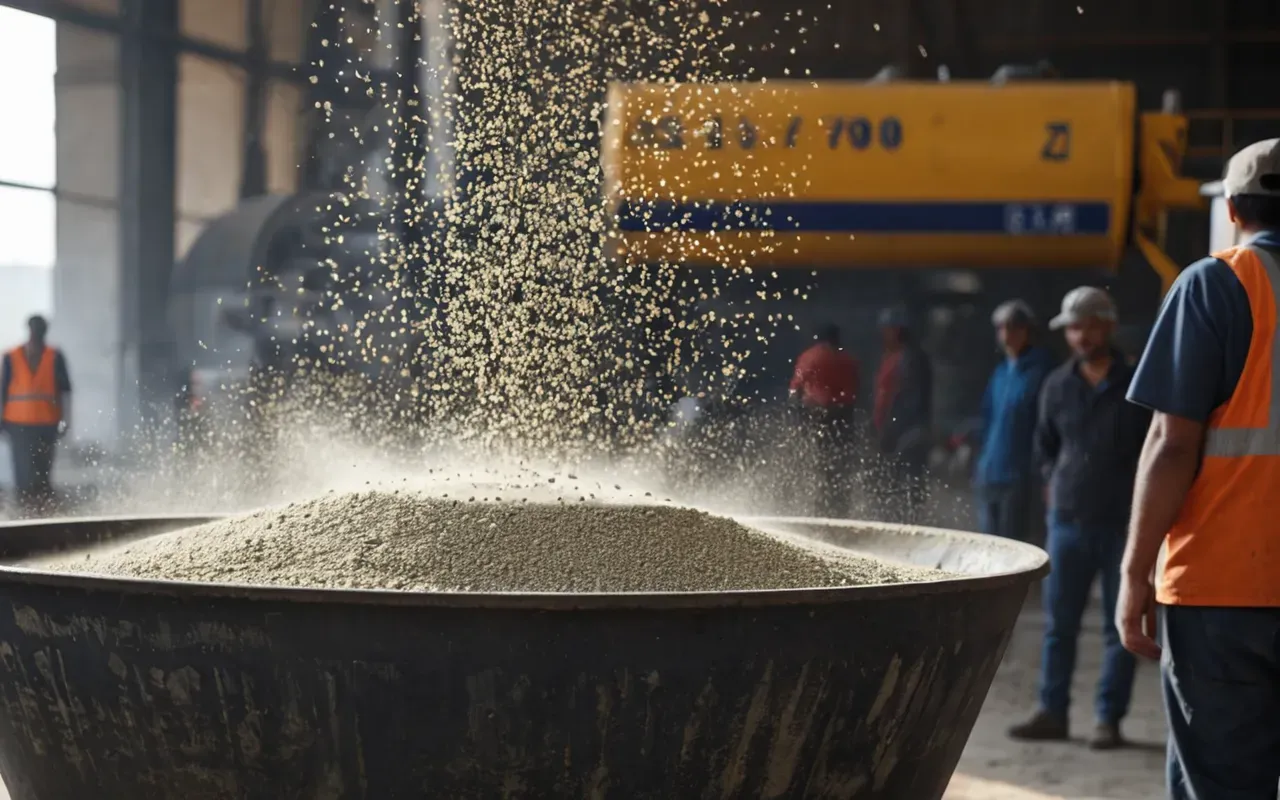
What Parents Are Doing About It Now
Protests are the visible symptom. But the real battle is happening in permit reviews and compliance investigations.
Local groups are gathering data. They want continuous monitoring stations, not just periodic checks by state officials.
This is where the power dynamic shifts. Data beats rhetoric in regulatory hearings every single time.
The Bigger Picture for Construction Efficiency
We need to talk about the equipment itself. Modern batching plants are highly efficient machines when operated correctly.
However, location is a variable that affects operational stability. Wind patterns and proximity to populated areas change the equation.
If you are interested in how location impacts output, consider that wind can drastically reduce effective concrete production rates.
Efficiency Versus Community Tolerance
There is a trade-off. Placing plants in remote industrial zones increases transport costs and carbon footprint from trucks.
Placing them near demand centers reduces logistics but increases local exposure. It is a classic urban planning dilemma.
Currently, the system favors speed and cost. Community health is an afterthought in many permit approvals.
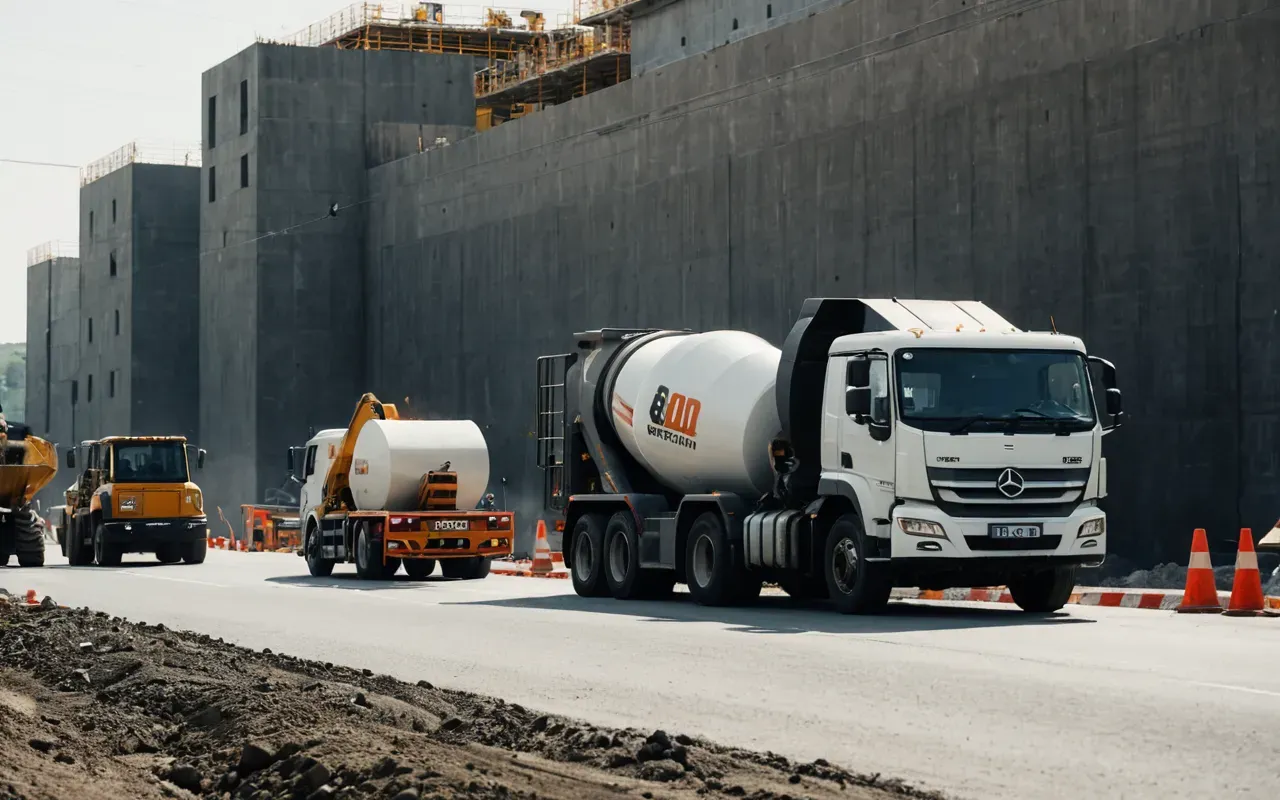
The Role of Technology in Reducing Emissions
Newer plants use enclosed mixers and advanced filtration. This reduces dust significantly compared to older open systems.
But technology is not a free pass. It still requires rigorous maintenance and consistent monitoring to stay effective.
One missed calibration can lead to inconsistent mixes. This affects both quality and emission control simultaneously.
What You Can Do If a Plant Is Near Your Home
First, document everything. Keep records of air quality complaints and any health issues reported by family members.
Second, engage with local officials. Attend public meetings where permit renewals are discussed.
Third, consider joining environmental groups. They have the legal expertise to challenge permits if procedures were flawed.
You might also explore how challenging a concrete plant is often legally limited despite strong community opposition.
The Emotional Toll on Families
It is not just about statistics. It is about a mother worrying every time her child comes home with a cough.
That fear is valid. But the legal system often requires objective proof of harm to act.
This disconnect is frustrating. It leaves communities feeling powerless against corporate interests.
The Future of Concrete Production in Urban Areas
We are seeing a shift. Some cities are mandating buffer zones for new industrial facilities near schools and hospitals.
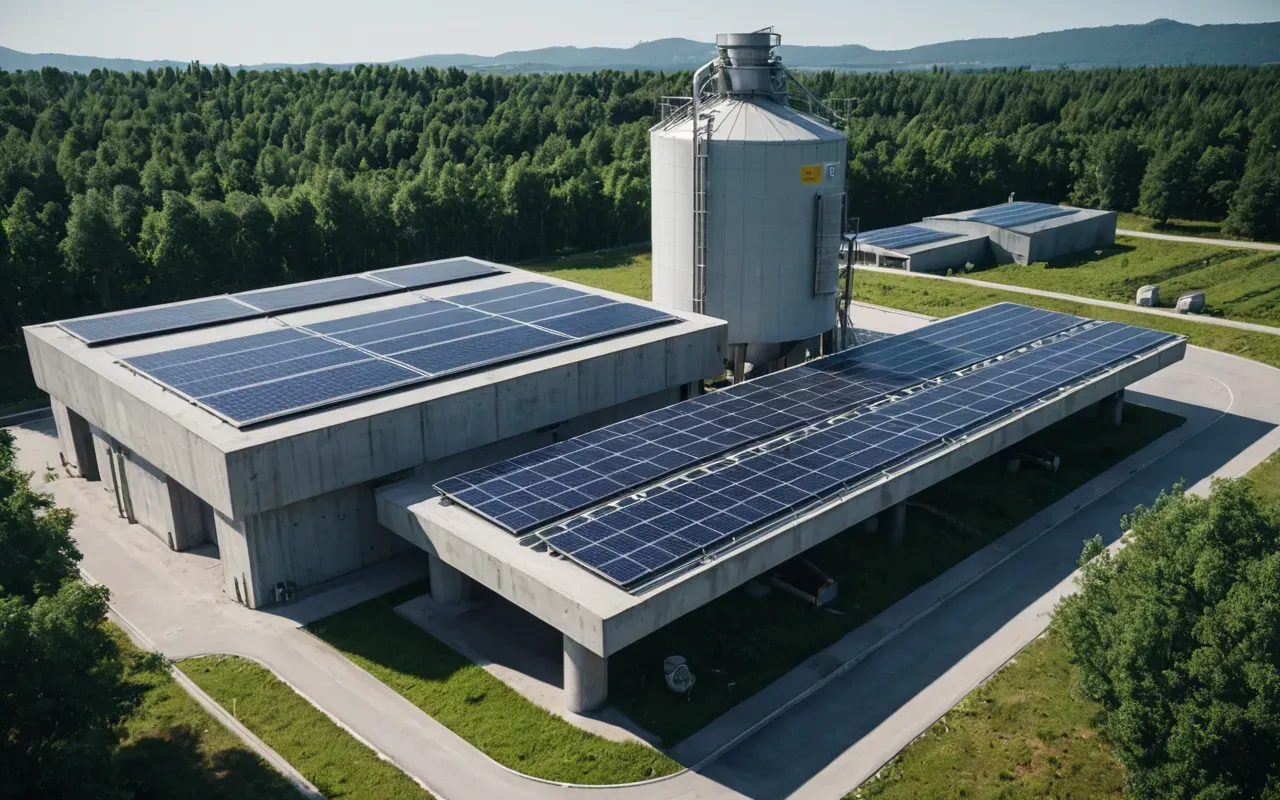
Others are investing in cleaner technologies that allow plants to operate closer to residential areas without health risks.
The industry is not standing still. But the pace of change is slower than community demands.
Lessons from Other Industrial Disputes
History shows that sustained pressure often leads to policy changes. It took decades for stricter vehicle emission standards.
Concrete plants are part of that same story. The fight is long but not hopeless.
Each case builds precedent. What happens in one school district can influence regulations statewide.
The Importance of Local Data Collection
Citizen science is becoming a powerful tool. Low-cost air quality sensors can provide independent evidence.
This data is harder for companies to dismiss than anecdotal complaints. It adds scientific weight to community claims.
If you are considering installing a sensor near your home, check local regulations first. Some jurisdictions have specific rules about private monitoring equipment.
Final Thoughts on Safety and Compliance
The bottom line is simple. Legal does not always mean safe. And compliant does not always mean responsible.
We need a system that prioritizes human health over industrial convenience. It is time for regulators to listen.
Until then, stay informed. Stay engaged. And never underestimate the power of a community that refuses to look away.