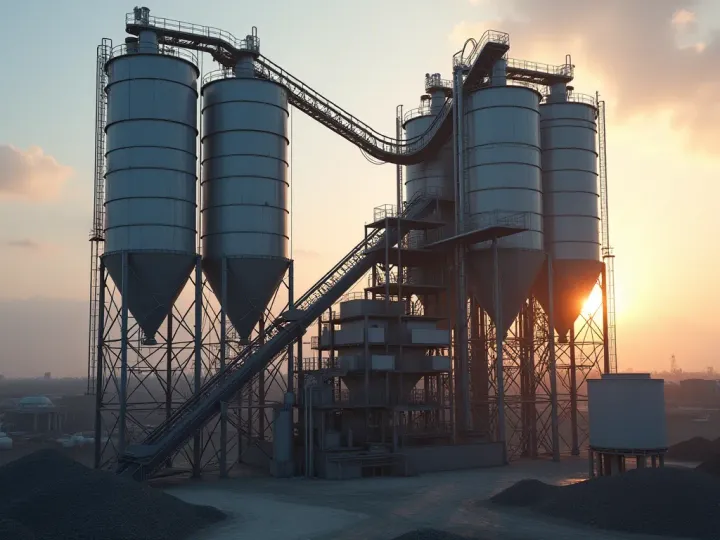
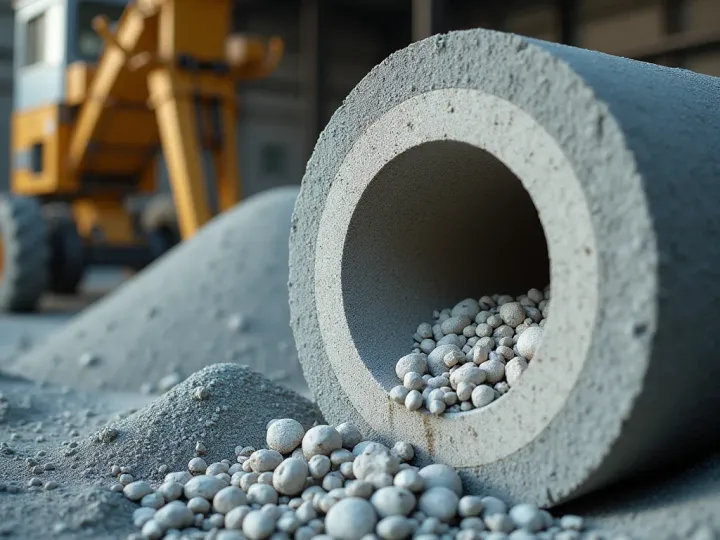
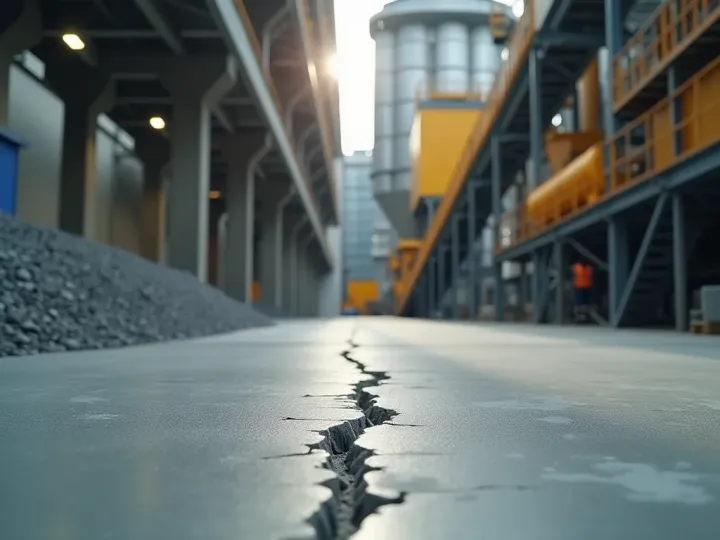
The Concrete Batch Plant Mistake That Costs Millions Every Single Year
The Silent Killer in Your Batching Plant
You think your concrete plant is running fine. The mixers are spinning. The trucks are loading. But I have seen plants lose $10,000 in a single hour because of one tiny error.
It is not the weather. It is not the drivers. It is a hidden flaw in how your aggregates are dosed into the batch drum.
When I audit these facilities, the numbers never lie. A 2% variance in water cement ratio can ruin a pour. That is not theory. It is physics.
Why Your Scales Are Lying To You
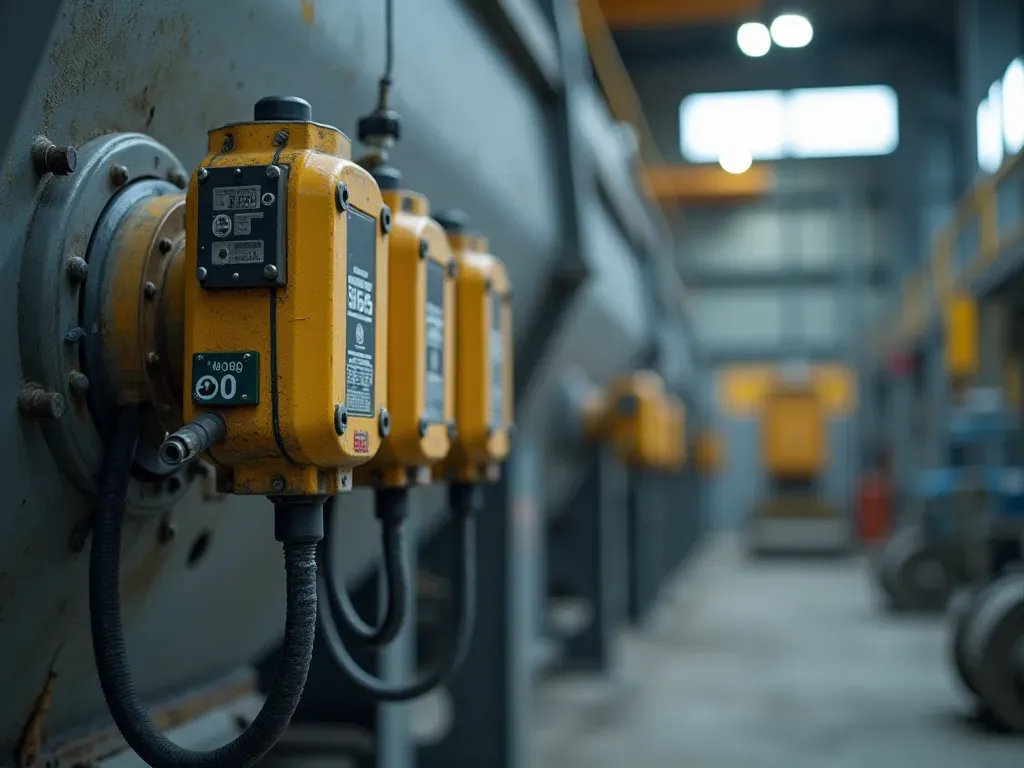
Here is the thing. Most batching plants rely on load cells that were installed five years ago. They drift.
I once visited a plant where the sand hopper was off by 4%. The operator didn't know. The QC lab results looked okay because they sampled after mixing.
But the structural integrity of that slab was compromised. The client found it three weeks later. You lost a customer and your reputation.
The Cost of Inaction Is Rising Fast
Let's talk numbers. A typical ready mix plant produces about 50 cubic yards per hour. If you waste 5% of your cement due to dosing errors, that is roughly $2,500 in materials lost.
Add labor. Add fuel for the mixer trucks idling while you troubleshoot. Now that $2,500 becomes $4,000 per hour.
Over a month, that is six figures. I have seen owners ignore this because the plant 'looks good'. That is a dangerous assumption.
How To Spot The Flaw Before It Hits Your Wallet
You do not need a PhD to find this issue. You need a simple test. Run your batcher empty and weigh the water output.
Compare it to the setpoint. If there is a discrepancy of more than 1%, you have a problem. Fix it immediately.
I recommend checking this every Monday morning. It takes ten minutes. The return on investment is immediate.
The Role Of Real Time Data In Accuracy
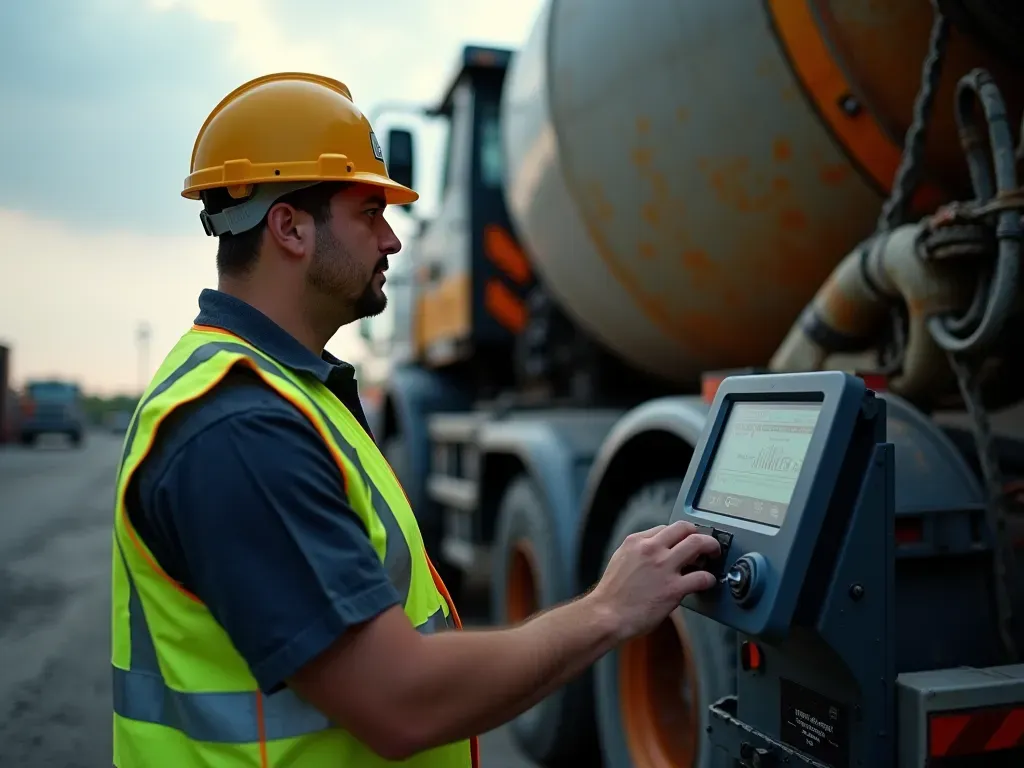
Modern plants are moving toward digital dashboards. If you still rely on paper logs, you are flying blind.
Data shows that plants with real time alerts catch dosing errors within seconds. Without them, you wait until the truck arrives at site.
What The Industry Is Ignoring About Maintenance
We often focus on big repairs. Engine swaps. Drum replacements. But the small parts fail first.
Check your pneumatic valves. They stick when dusty. A stuck valve means the sand gate doesn't open fully.
I have seen a $50 valve cause a $50,000 claim. It is not worth the risk.
The Hidden Impact On Delivery Times
When the batch is wrong, you have to remix or dump. That stops your production line.
Your next truck is late. The crew on site is waiting. They are angry.
This chain reaction starts with a small dosing error that nobody caught in time.
A Simple Checklist To Save Your Business
I use this list at every facility I consult. It is not complicated.
First, verify your water meter against a standard bucket. Do it weekly.
Second, inspect the air lines for leaks. A leak means less pressure and slow gate opening.
Third, review your last ten batches. Look for trends in slump or yield.
If you see a pattern, investigate. Do not guess. Measure it.
The Future Is Precise And Automated
Technology is solving these issues. New systems use AI to predict wear and adjust dosing in real time.
If you are still using manual overrides for everything, you are falling behind.
The best plants I have visited use automated feedback loops. They catch the error before it happens.
Why Accuracy Beats Speed In Long Term Profit
You might think fast batching is better. It is not.
Fast and wrong is worse than slow and right. A delayed truck can be managed. A bad pour cannot.
Your customers will forgive a delay if you communicate. They will not forgive a crack in their foundation.
Real World Examples Of What Went Wrong
I recall a plant in the Midwest. They had a new operator who skipped calibration checks.
They delivered 20 cubic yards of high water mix to a school project. The slumps were too soft.
The contractor had to add more cement on site. That cost them extra money and time.
The plant had to cover half that cost. A small check could have prevented this entire disaster.
What You Can Do Today To Protect Your Margins
Start small. Pick one batcher line. Test it thoroughly.
Document your findings. Share them with your team.
Make it a habit. Accuracy is not a one time fix. It is a daily discipline.
If you ignore this, the market will not. Competitors with tighter controls are taking your customers.
The Bottom Line On Batching Precision
Concrete is the backbone of construction. If it fails, everything else falls.
Your batching plant is the source. Keep it clean and accurate.
The cost of inaction is too high to ignore. Fix the flaw now.
Your wallet and your reputation depend on it. Do not wait for a claim to arrive.
If you want more insights on how modern concrete fails, check out this detailed analysis.
Also see how AI feed systems work to eliminate batching errors automatically.
And don't miss why delivery times suffer when batching is off track.