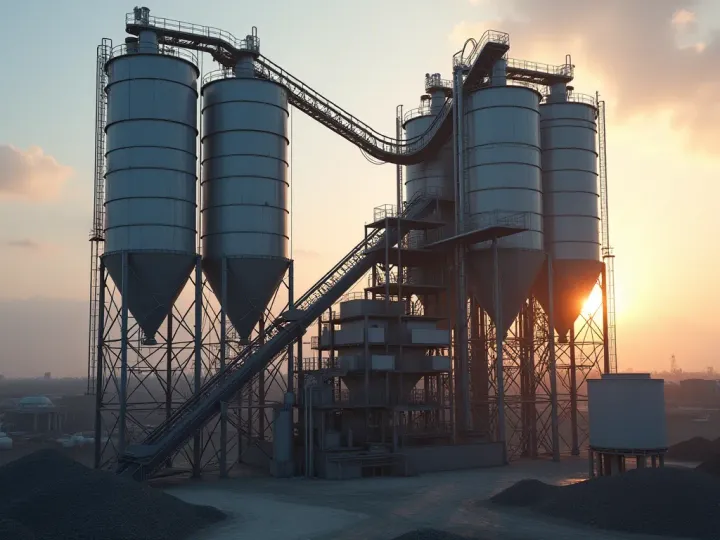
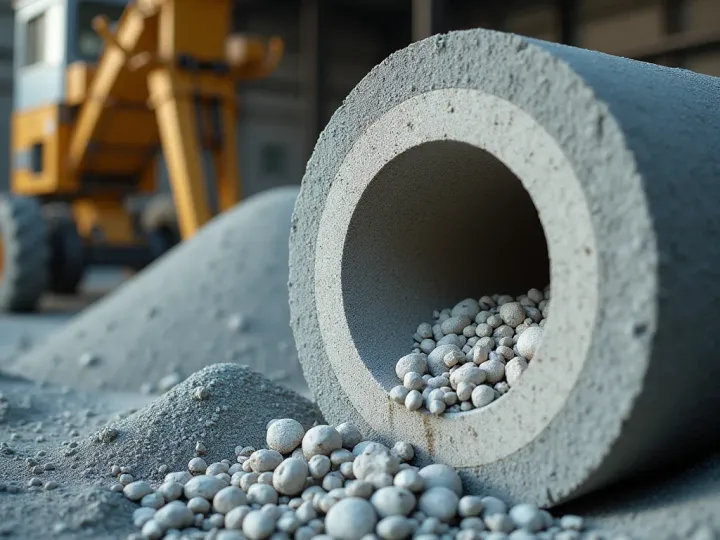
Why Modern Concrete Fails While Ancient Roman Mixes Secretly Repair Themselves
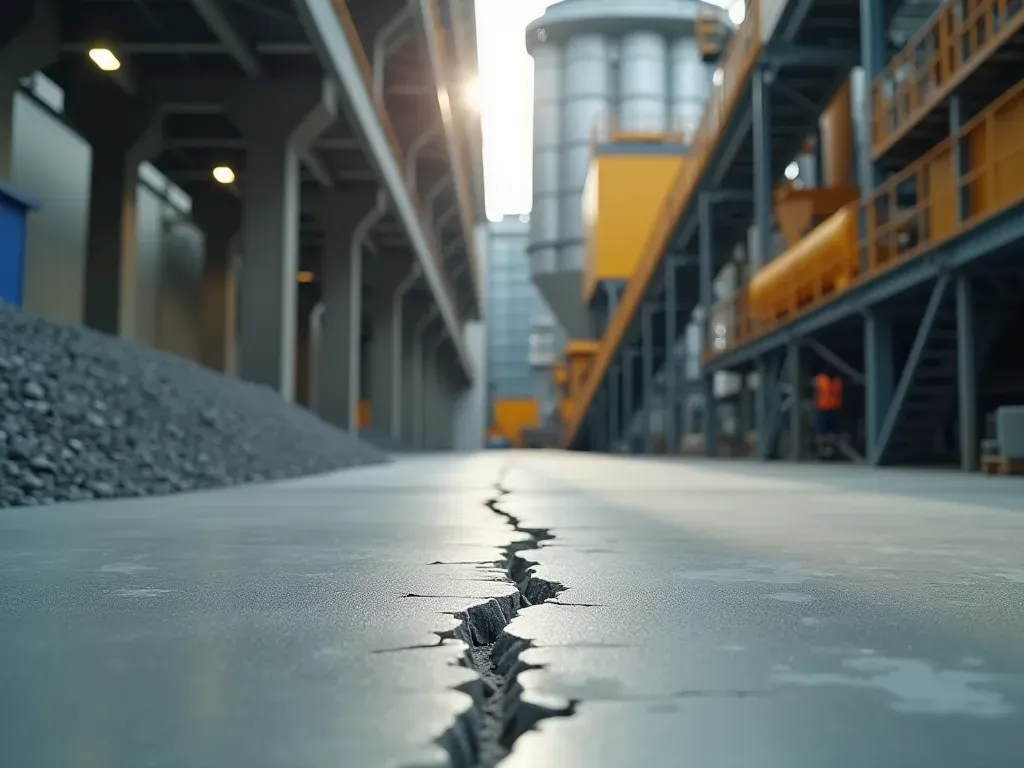
The White Specks Everyone Ignored
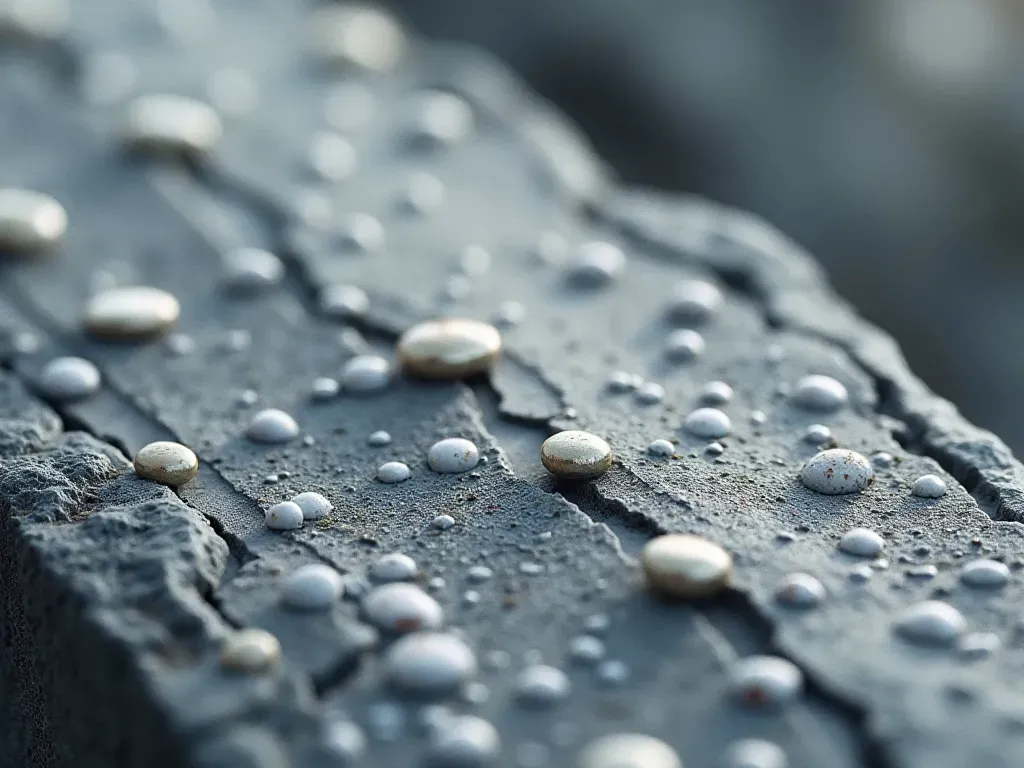
The tiny bright lumps in ancient concrete samples get dismissed all the time. Engineers look at them and shrug — "mixing errors," they say. That's completely wrong. Researchers at MIT finally proved those lime clasts are actually a brilliant design feature. They're tiny repair kits, waiting dormant inside the material. This changes everything we thought we knew about two thousand years of construction history.
Modern concrete cracks and crumbles within a few decades. We just accept that decay as normal. Ancient harbor walls tell a completely different story. They actually grow tougher after centuries of ocean pounding. The difference comes down to chemistry and temperature control during the initial mixing process. Builders back then knew something we forgot.
We assumed Roman builders simply forgot to mix their materials thoroughly. That assumption guided every textbook for decades. High-resolution imaging finally shattered that narrative. The bright specks formed at extremely high temperatures. They were deliberately baked into the matrix during production. The Romans engineered a self-repairing system without understanding the exact molecular science.
Look at how quickly we judge old techniques as primitive. We rush to replace them with faster industrial methods. Speed rarely equals longevity. The Pantheon dome still stands because of those overlooked specks. Modern infrastructure constantly demands replacement cycles that drain budgets. We are repeating the same durability mistakes over and over again.
The MIT team mapped the chemical composition carefully. They tracked how calcium moves through the mixture. The results showed a highly reactive reservoir. Water triggers a chain reaction when it reaches those clasts. The material literally heals its own fractures. This behavior turns weakness into a structural advantage.
I was struck by how simple the mechanism actually is. Nature handles the repair work once the initial setup is correct. We overcomplicate maintenance schedules today. Contractors spend millions patching cracks that should never form. The Romans solved this by baking the solution directly into the mix. Their empirical methods outperformed our laboratory standards.
Hot Mixing Changes Everything
Conventional wisdom claimed Roman builders slaked their lime with water first. That process cools the mixture down completely. The new research proves they used quicklime instead. Dropping calcium oxide directly into the batch creates intense heat. That thermal spike transforms the entire chemical structure. The reaction happens before the material even sets.
Those high temperatures leave behind the distinctive clasts we finally understand. They distribute evenly throughout the final product. Each lump acts as a dormant repair station. The mixture sets incredibly fast under those conditions. Construction crews could pour massive sections in a single day. Speed and durability actually worked together back then.
Modern batching plants prioritize uniform consistency above all else. We filter out every irregularity to meet strict standards. That obsession with perfection accidentally removed the healing mechanism. We treat variations as defects instead of features. The result is a brittle material that fights its own environment. We lost the recipe by chasing textbook purity.
The thermal dynamics during Roman mixing remain fascinating. Heat drives off excess moisture while binding volcanic ash tightly. The process creates a dense interlocking network. Water penetration becomes nearly impossible for long periods. When moisture finally enters, it triggers the calcium release. The cycle repeats indefinitely without external intervention.
Why Speed Killed Durability
We measure success by how fast we can pour a foundation. Project timelines dictate every purchasing decision. That pressure forces contractors to skip proper curing times. The material never develops its full potential strength. We rush the process and then wonder why replacements arrive so quickly. Short term gains destroy long term value.
Equipment calibration focuses on eliminating temperature fluctuations. We view heat as a dangerous variable. That mindset completely ignores the Roman advantage. Controlled thermal spikes actually strengthen the final product. Modern sensors would flag those ancient batches as failures. We engineered the resilience right out of our own mixtures.
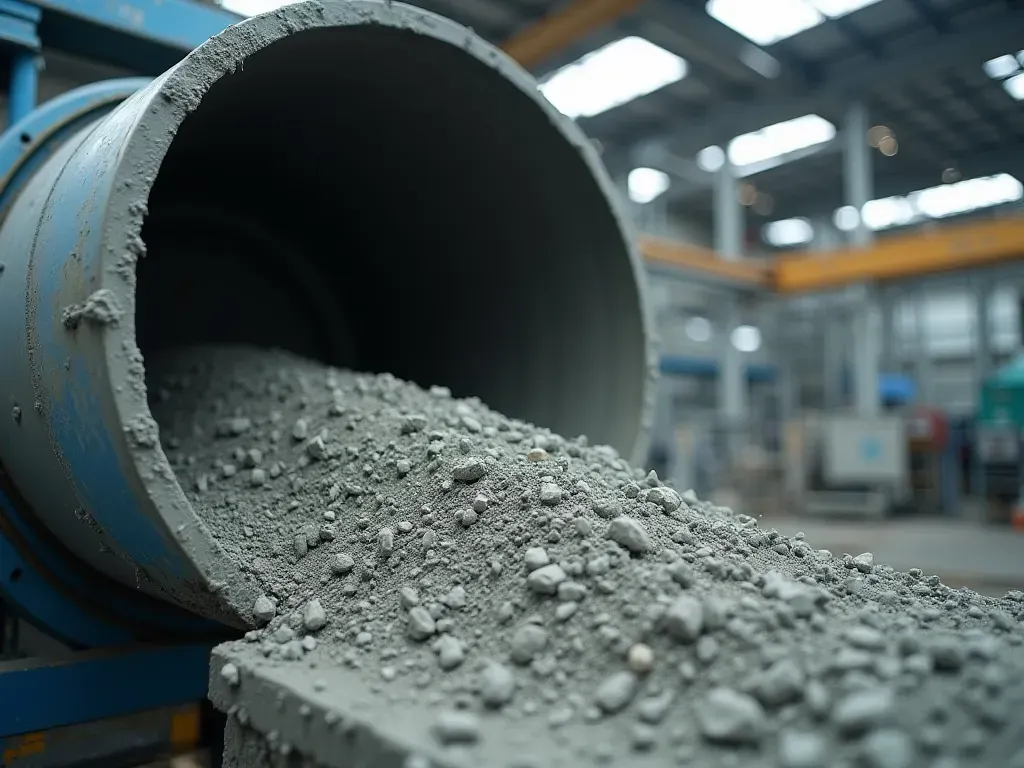
Modern Batching Plants Are Fighting Nature
Current equipment fights against natural chemical reactions. We add stabilizers to prevent unwanted crystallization. Those additives actually block the self repair pathways. The material becomes inert after the initial set. Cracks widen because nothing inside the matrix responds to stress. We built a system that resists its own environment.
Seawater used to be the ultimate test for marine structures. Ancient harbor installations thrived in those harsh conditions. The salt water drove beneficial mineral reactions. Modern reinforced concrete rots rapidly under the same exposure. Steel bars corrode and expand from the inside. The internal framework literally tears the material apart.
I find it honestly frustrating how we keep adding more steel. Reinforcement creates hidden failure points that take decades to appear. The Romans avoided that trap entirely. Their mixture consolidated into a solid monolithic block. No internal weak points meant no catastrophic expansion fractures. Simplicity actually won against complex engineering.
Manufacturing cement generates massive carbon emissions every year. Extending structure lifespans would drastically cut that footprint. We replace roads and bridges far too frequently. The environmental toll mounts with every demolition cycle. Adopting hot mixing principles could slow the replacement rate. Durability directly translates into lower carbon output.
The Chemistry Nobody Talks About
The reactive calcium reservoirs stay dormant until needed. Moisture penetration activates the healing sequence immediately. Dissolved calcium recrystallizes as pure carbonate. That new crystal structure fills the fracture completely. The surrounding matrix gains additional density over time. The process strengthens the entire section rather than just patching it.
Volcanic ash plays a crucial role in this reaction. The pozzolanic material bonds tightly with the released calcium. Together they form a highly resistant composite layer. Modern fly ash substitutes rarely match that reactivity. We sacrifice chemical potential for cheaper regional alternatives. The substitution quietly undermines long term performance.
The MIT experiments proved the concept beyond doubt. Deliberate fractures healed within weeks under controlled testing. Water flow stopped completely once the crystals formed. Comparison samples without clasts stayed permanently damaged. The data leaves zero room for skepticism. Ancient builders engineered a living material that actively defends itself.
If you are curious about how biofiber self healing concrete works, the Roman approach offers a fascinating historical parallel. Both methods rely on embedded repair triggers. One uses organic fibers while the other uses mineral clasts. The underlying principle remains exactly the same. Nature prefers materials that adapt rather than resist.
Repairing Cracks Before They Spread
Micro fractures usually start as invisible hairline splits. Water and freeze thaw cycles widen them rapidly. The lime clasts intervene before visible damage occurs. The healing reaction happens at the microscopic level. Structural integrity remains intact for centuries instead of decades. Prevention beats repair every single time.
Maintenance crews spend countless hours chasing those early cracks. Epoxy injections and sealants only buy temporary relief. The underlying material stays vulnerable to future stress. A self repairing mixture eliminates that endless cycle. Contractors would save massive labor costs automatically. The investment pays for itself during the first decade.
What This Means for Today Construction Sites
Batching facilities currently run on strict automation protocols. Sensors reject any mixture that deviates from the target. Those rejection criteria accidentally filter out the healing agents. We need to recalibrate the tolerance thresholds carefully. Allowing controlled thermal variance could restore durability. The machines just need updated parameters.
Site managers constantly pressure suppliers for faster delivery. That rush compromises proper hydration and bonding. The material never reaches its theoretical strength limits. We accept premature weakness as an unavoidable industry standard. Changing that culture requires demonstrating actual cost savings. Data from pilot projects will force the shift.
I honestly believe the transition will start with marine projects. Harbor walls and coastal barriers face the harshest conditions. Those structures desperately need longer service lives. Early adopters will see immediate returns on investment. The proof will spread to highways and bridges quickly. Durability wins against cheap shortcuts eventually.
Equipment manufacturers already monitor these chemical shifts. They know the industry is heading toward smarter formulations. Why overlooked batching technology flaws risk construction becomes obvious when we ignore historical data. Modern sensors can actually track the healing process. We just need to program them to value resilience over uniformity.
Training programs must update their core curriculum immediately. Operators learn to fear temperature spikes and clast formation. Those lessons actively sabotage long term performance. Instructors need to teach the new tolerance standards. Understanding the chemistry changes how crews handle every pour. Education drives equipment optimization.
Project budgets will look completely different in a few years. Replacement cycles extend from twenty to eighty years. Maintenance line items shrink dramatically. The upfront mixing costs increase slightly. That minor premium vanishes against the savings. Smart investors already see the math clearly.
Rethinking Equipment Calibration
Mixers need to handle higher peak temperatures safely. Current steel drums struggle with extreme thermal spikes. Upgraded refractory linings would solve that problem. The equipment lasts longer under those conditions too. Manufacturers should prioritize heat resistant materials. Durability starts inside the mixing drum itself.
Sensors must distinguish between dangerous overheating and beneficial spikes. The difference matters for final structural quality. Software updates can program those new thresholds. Real time monitoring prevents accidental scorching. Operators gain confidence when the system guides them. Technology bridges the ancient modern gap.
Quality control labs will need revised testing protocols. Compressive strength tests ignore chemical reactivity completely. We must measure healing capacity alongside traditional metrics. That dual approach gives a complete performance picture. Standards organizations will eventually adopt the change. Science always catches up to reality.
Supply chains must secure reliable quicklime sources. Slaked lime dominates current inventory systems. Switching requires careful vendor negotiations. Stock management adapts to the new requirements. The transition creates temporary logistical friction. Long term stability rewards the effort hands down.
The Real Cost of Perfect Uniformity
We chased absolute consistency for over a century. Every batch must match the previous one exactly. That goal ignores how materials actually age. Uniformity creates predictable failure patterns across entire regions. Bridges collapse on similar schedules nationwide. Variation would actually improve overall network resilience.
Regulatory bodies enforce strict mixing tolerances today. Those rules protect against gross contamination errors. They also crush beneficial chemical diversity. Updating the code requires careful legislative work. Engineers must present irrefutable durability data. Policy shifts slowly but inevitably follows evidence.
I see the writing on the wall clearly. Infrastructure budgets cannot support endless replacement cycles. Taxpayers demand longer lasting public works. Politicians will eventually push for durable solutions. The Roman recipe offers a proven path forward. History provides the blueprint we desperately need.
Carbon reduction targets make this shift urgent. Cement production accounts for a massive share of emissions. Extending structure lifespans directly cuts that output. Environmental agencies will soon mandate longer warranties. The market responds to compliance deadlines quickly. Sustainability drives innovation forward.
Contractors worry about liability during the transition period. New mixtures require different curing and inspection methods. Insurance companies will adjust their risk models. Clear guidelines protect everyone involved. The industry adapts faster than critics assume. Change happens once the economics align properly.
How Batching Tech Could Actually Adapt
Smart mixing systems can track thermal profiles automatically. Data logs prove each batch hit the right spike. Digital records replace manual guesswork completely. Quality assurance becomes transparent and verifiable. Clients trust measurable performance metrics immediately. Technology removes the fear of controlled variance.
Remote monitoring allows engineers to verify conditions. They can adjust water content dynamically during transport. The mixture stays within optimal parameters until pour. Delays no longer ruin the chemical balance. Real time control preserves the healing potential. Precision management replaces rigid scheduling.
If you want to understand how modern heavy equipment transforms concrete production, focus on the control panels. Those interfaces dictate every chemical outcome. Upgrading software unlocks the ancient durability secrets. The hardware already exists inside today plants.
Training simulations prepare crews for the new standards. Virtual reality environments practice thermal management safely. Mistakes happen in the simulator instead of on site. Operator confidence grows through repetition. Skilled teams deliver consistent high performance results. Education bridges the technical gap effectively.
A Shift in Industry Standards
Building codes will eventually require durability testing. Structures must prove long term resilience before approval. That mandate forces manufacturers to innovate. Competition drives rapid adoption of healing mixtures. The market rewards companies that solve maintenance headaches. Standards evolve to match actual performance needs.
We stopped treating ancient techniques as primitive guesses. The Romans engineered a sophisticated materials science. Their empirical methods outlasted modern laboratory recipes. Reclaiming that knowledge saves billions in repairs. The future of construction looks surprisingly old. Wisdom beats speed every single time.
I believe the transition starts with pilot bridge projects. Those structures face heavy daily stress loads. Proving durability in harsh conditions builds public trust. Success stories spread across regional networks quickly. Engineers share data openly once results appear. Collaboration accelerates the industry shift.
The white specks finally got the recognition they deserve. They were never mixing errors or sloppy work. They represent a brilliant self repair mechanism. Modern batching plants can easily replicate the process. We just need to update our tolerance settings. Durability returns to the foundation of our buildings.