Centralized vs Decentralized: Choosing the Right Plant Layout
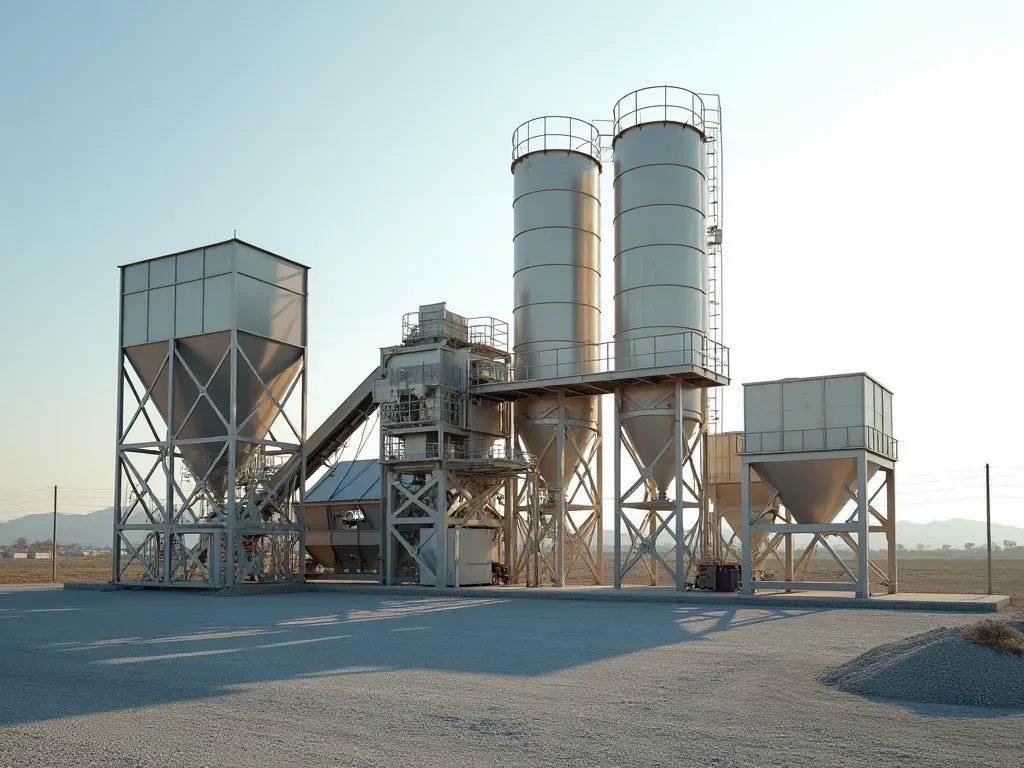
A centralized concrete batching plant completes the entire blending process on-site before loading trucks. This central mix model discharges ready-to-haul wet concrete, minimizing drum wear and maximizing daily delivery frequency. In contrast, decentralized systems use a dry batch approach where aggregate and cement are weighed and blended without water.
The critical distinction lies in when moisture enters the equation. In a dry batch setup, water is added during transportation via transit mixers as the concrete travels to the construction site. This method offers logistical flexibility for remote or shifting job sites but introduces variables that centralized operations avoid by controlling the final state at the source.
Mechanically, these two architectures rely on different mixing technologies to achieve their respective goals. Centralized systems typically utilize twin-shaft or planetary mixers to guarantee homogenous wet mix consistency. These robust mechanisms ensure that every cubic meter leaving the plant has identical density and workability, reducing quality variances at the pour.
The decentralized model swaps mechanical intensity for logistical adaptability. Because the drum does not carry fully wet concrete from the start, it can handle longer hauls without immediate slump loss concerns that plague shorter centralized routes. However, this flexibility comes with the trade-off of managing water injection timing and mixing duration during transit.
Understanding this architectural split is essential before evaluating costs. A central mix plant prioritizes product consistency and reduced truck turnaround time by finishing the job at the facility. A dry batch plant prioritizes range and site accessibility by deferring the final hydration step until the last moment of delivery.
The Economics of Truck Wear and Turnaround Time
Transit mix operations place a heavy mechanical load on the delivery vehicle. The drum must agitate continuously during transport to prevent segregation and set, which accelerates wear on bearings, seals, and gears. Central mix systems eliminate this in-transit agitation because the concrete is fully mixed at the plant before loading. This static state significantly reduces the cumulative stress placed on rotating components compared to a system where the truck acts as both mixer and transporter.
Maintenance intervals extend when drum wear decreases, reducing downtime for part replacements and lubrication checks. Operators often notice that central mix trucks require less frequent internal cleaning due to the absence of prolonged mixing cycles during transit. The streamlined process allows crews to perform quick cleanouts between loads without waiting for long agitation periods to conclude.
Faster turnarounds translate directly into higher daily throughput per vehicle. A truck that spends more time delivering and less time being agitated or cleaned can complete multiple additional trips within a standard shift. This increased frequency means fleets do not need to expand their size to meet the same production targets, avoiding associated hiring and fuel costs.
Fuel consumption drops as a direct result of this operational efficiency. Shorter loading times and reduced engine idling during the mixing phase lower overall energy use per cubic meter delivered. The simplified logistics loop removes unnecessary variable loads on the powertrain that occur when a truck is actively mixing while moving.
Central mix plants reduce wear on truck drums compared to transit mix systems, a specific metric that compounds over time for high-volume operations. While initial capital costs may differ, this reduction in drum wear and the associated operational efficiency often outweighs the flexibility benefits of decentralized systems in fixed-location scenarios.
Analyzing Capacity Ranges and Mobility Constraints
Stationary Capacity Benchmarks
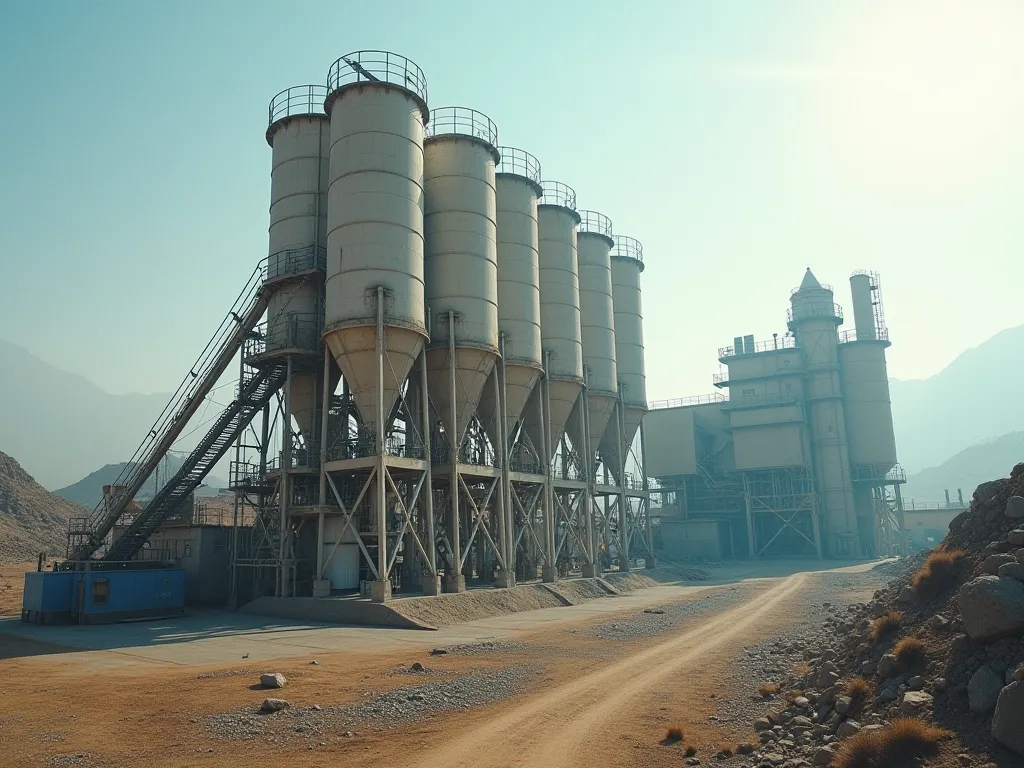
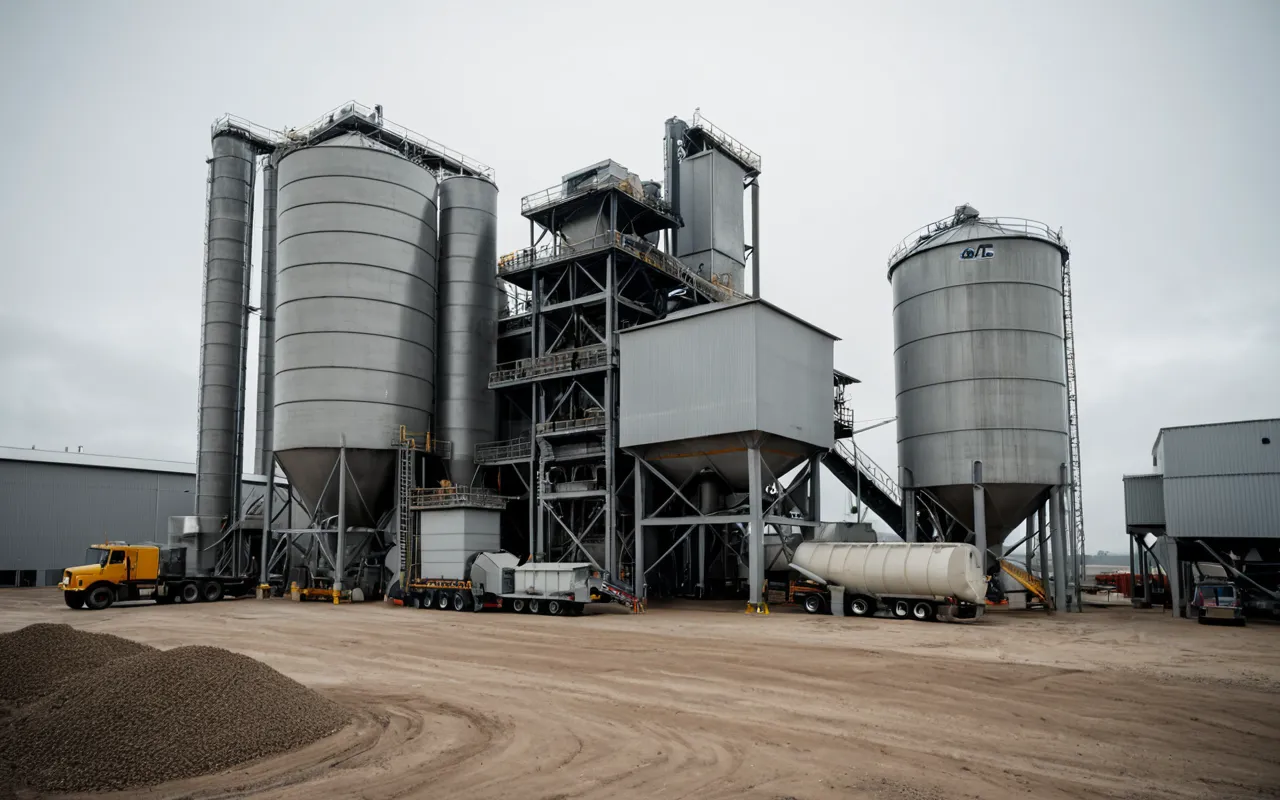
Fixed infrastructure anchors high-volume production with substantial throughput capabilities. Stationary plants typically support capacities of 201-300 yd/hr or higher to handle Central and Transit mix types. This scale allows operators to meet large-scale ready mix demands without the logistical friction associated with frequent relocations.
The commitment to stationary placement enables deeper integration with site-specific infrastructure like aggregate silos and dust collection systems. These permanent installations reduce mechanical stress on moving parts over long operational lifecycles. Operators gain stability in output consistency, which is critical for projects requiring tight tolerances over extended durations.
Mobile Central Mix Middle Ground
For contractors who need wet mixing benefits without the immobility of fixed plants, mobile configurations offer a strategic compromise. Mobile central mix systems deliver capacity ranges between 201-300 yd/hr and 301+ yd/hr while retaining the ability to relocate between sites. This flexibility allows teams to capture short-duration high-volume jobs without incurring the full capital cost of permanent foundations.
Relocation logistics remain a significant operational consideration for these units. Moving heavy machinery requires careful planning and specialized transport resources that add time to project schedules. However, the ability to pivot operations toward new opportunities often outweighs the downtime associated with setup at each location.
Decentralized Units in Remote Terrain
Remote job sites present unique logistical challenges where centralized production becomes impractical. Decentralized dry batch units are frequently selected for these locations because they eliminate the need to transport large volumes of water across difficult terrain. This configuration allows mixing to occur closer to the point of use, reducing transit times and potential quality degradation.
The absence of on-site water storage requirements simplifies infrastructure needs in arid or isolated environments. Operators can leverage local aggregate sources without building extensive pipework systems. While this approach sacrifices some control over final mix consistency compared to central wet mixing, it solves critical supply chain bottlenecks that would otherwise halt production entirely.
Control Systems and Quality Assurance Protocols
Centralized facilities operate under the supervision of integrated PLC control systems that synchronize weighing, mixing, and discharge sequences. This automation eliminates the variable delays inherent in manual loading processes by enforcing a strict temporal order for every operational step. The system continuously monitors feed rates to ensure each component enters the mixer at the precise moment required for optimal hydration.
Core batching equipment, including aggregate bins, cement silos, and weigh hoppers, functions as a tightly coordinated network. Conveyors or screw conveyors transport materials between these units while the control system calculates real-time adjustments based on sensor feedback. This interconnectivity minimizes variance in each batch by correcting drift before it affects the final product density.
While finished concrete remains chemically identical whether produced through central mix or transit mix systems, the production environment dictates consistency levels. Centralized control reduces human error during loading because operators rely on automated verification rather than visual estimation. This shift from manual oversight to algorithmic precision ensures that every truck receives a uniform charge despite fluctuations in raw material moisture content.
Quality assurance protocols in decentralized setups often depend on driver training and post-delivery testing, which can introduce lag between error detection and correction. In contrast, centralized plants detect anomalies during the mixing phase when immediate remediation is possible without compromising structural integrity. This proactive approach protects against costly rework or material waste that typically accompanies inconsistent transit mix outputs.
The technological infrastructure supports rigorous data logging for every production cycle, creating an audit trail that decentralized methods rarely match. These records facilitate long-term analysis of wear patterns on critical components like screw conveyors and weighing mechanisms. By correlating operational logs with maintenance schedules, facilities can predict equipment fatigue before it compromises batch accuracy or system uptime.
Selecting the Right Configuration for Your Volume
High-volume urban operations typically favor centralized plants because they minimize the friction of truck turnaround times. By keeping production close to high-density pour sites, operators reduce idle fuel costs and lower maintenance burdens on heavy equipment fleets. This configuration allows for continuous batch cycles that maximize plant utilization without requiring complex transit logistics.
Conversely, projects involving long haul distances or inconsistent water supply often benefit from decentralized dry batch systems. These setups simplify logistics by allowing mixing to occur closer to the final placement point, reducing the risk of concrete segregation during transport. Operators gain logistical flexibility when local infrastructure cannot support a large-scale stationary facility.
Matching capacity needs to plant class is essential for operational efficiency. Manufacturers like Astec offer systems with capacities ranging from less than 100 yd/hr up to the 201-300 yd/hr range, as seen in their ALL-PRO and LO-PRO series. Selecting a unit that aligns precisely with peak demand prevents over-engineering costs while ensuring sufficient throughput for critical deadlines.
Mobility options further influence the decision framework. The CON-E-CO LO-PRO Series supports both Central and Transit mix types, offering configurations that range from Mobile to Stationary setups. This versatility allows operators to adapt their infrastructure as project requirements evolve over time.
Evaluate specific volume thresholds against site proximity before committing to a layout. If daily output exceeds 300 yd/hr and sites are clustered, centralized production minimizes wear on transport vehicles. For scattered or remote locations with lower volumes, decentralized units provide the necessary agility without excessive capital investment.
Consider how water availability impacts your operational model in arid regions. Dry batch systems can utilize local aggregate moisture more effectively than central mix plants that require consistent fresh water input for hydration control. This factor often dictates the technical feasibility of a centralized approach.
Review your fleet maintenance records to identify where truck wear is most pronounced. If turnaround times dominate operational costs, shifting to a central mix model can yield significant savings through reduced idle time and optimized loading sequences. Data-driven decisions based on actual usage patterns outperform generic industry averages.
Finalize your configuration by balancing initial capital expenditure against long-term operational expenses. A stationary plant offers stability for permanent operations but lacks the adaptability of mobile units that can relocate between phases. The right choice depends on whether volume consistency or site flexibility drives your business model.
Frequently Asked Questions
Does a central mix plant require more water infrastructure at the site?
Central mix plants generally demand robust on-site water supply systems to facilitate immediate mixing. Unlike dry batch operations where water is added later, centralized facilities need consistent flow for homogenous wet mixes. This requirement ensures the twin-shaft or planetary mixers function correctly during production.
Can I convert an existing transit mix truck to handle central mix concrete?
Yes, standard transit mix trucks can transport central mix concrete without significant modifications. Finished concrete remains identical regardless of the mixing method used at the plant. The primary difference lies in reduced drum wear and faster cleanouts rather than requiring specialized vehicle hardware.
What is the typical lifespan difference between twin-shaft and planetary mixers in centralized plants?
Lifespan depends heavily on maintenance protocols rather than mixer type alone. Both twin-shaft and planetary configurations are utilized in central mix plants to guarantee homogenous wet concrete mixes.
How does dust collection differ between centralized wet plants and decentralized dry batch systems?
Dry batch plants require more filtration at the loading point because they handle dry materials before water is added during transportation. Central mix plants focus on producing homogenous wet mixes using advanced control systems, which changes where dust collection infrastructure is needed compared to these operations.
For the full overview, see concrete batching plants.