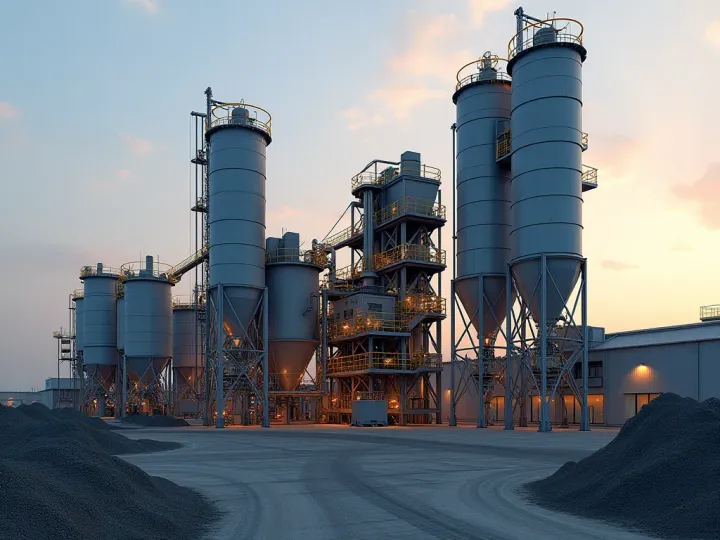
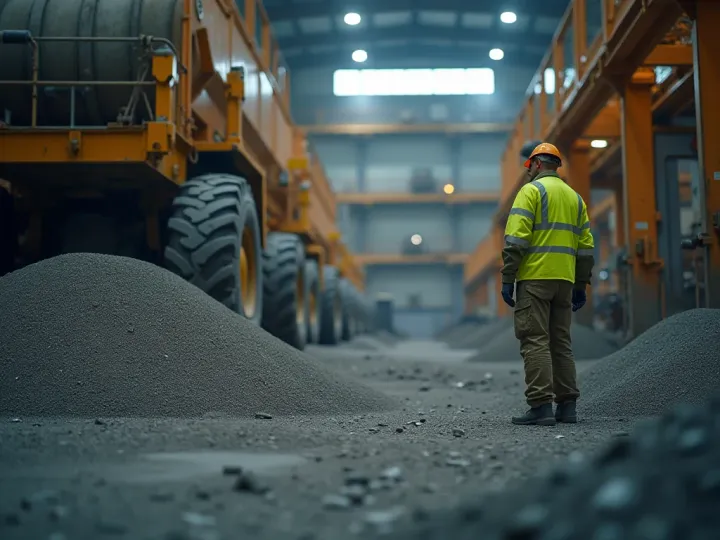
The Silent Revolution in Concrete Healing That Could Reshape Construction Forever

Reimagining Concrete Durability Through Living Materials
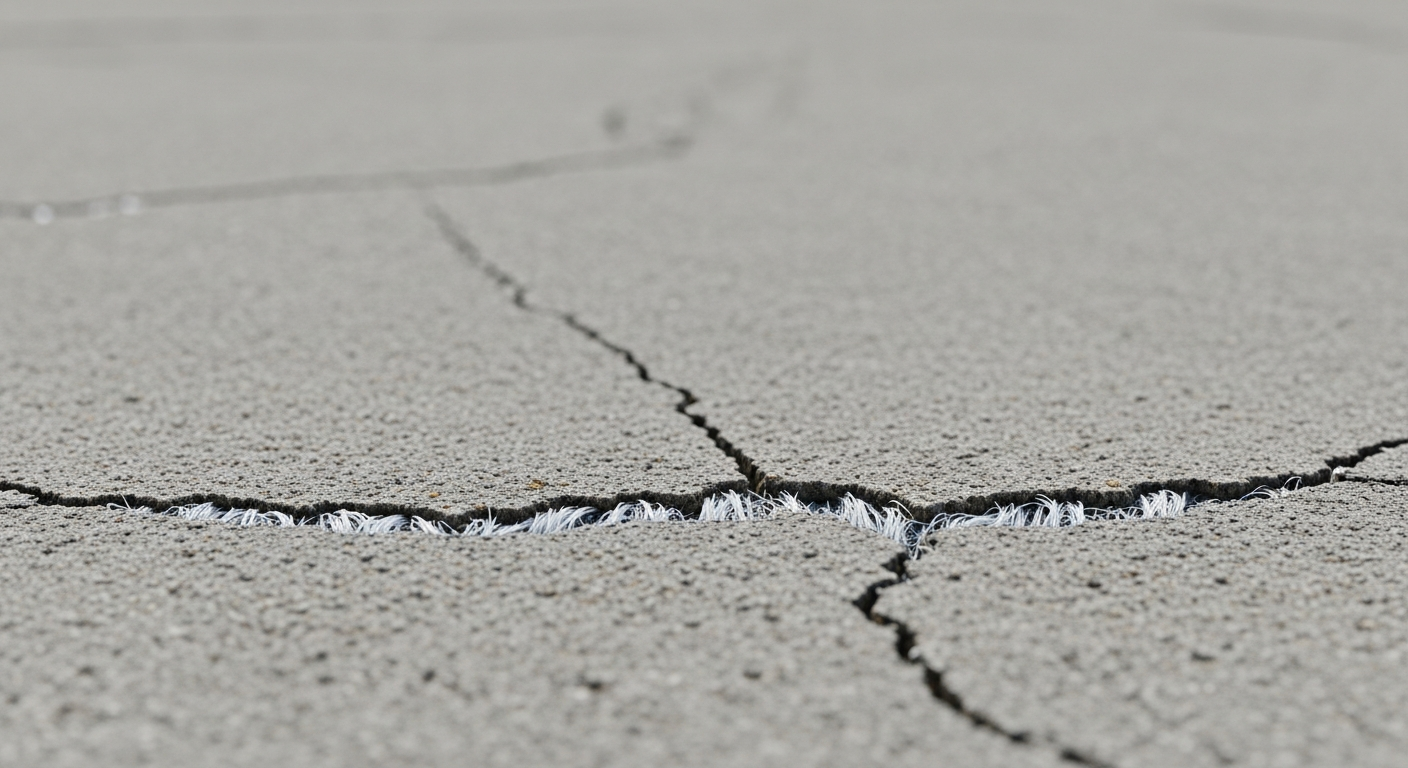
Imagine driving past a highway crack that mysteriously begins to close up on its own, or a bridge that self-repairs minor damages without the need for costly human intervention. This is no longer science fiction but an emerging reality powered by breakthrough research into biofibers embedded within concrete structures. Drexel University’s recent innovation harnesses bacteria capable of producing calcium carbonate, effectively turning concrete into a living, self-healing material. The implications extend far beyond mere repair; they threaten to revolutionize infrastructure maintenance practices globally, especially as aging structures become increasingly expensive and environmentally costly to replace. This technology addresses the core issue of concrete degradation—one of the most significant challenges in construction—by leveraging nature’s own repair mechanisms, signaling a fundamental shift toward sustainable, long-lasting infrastructure.
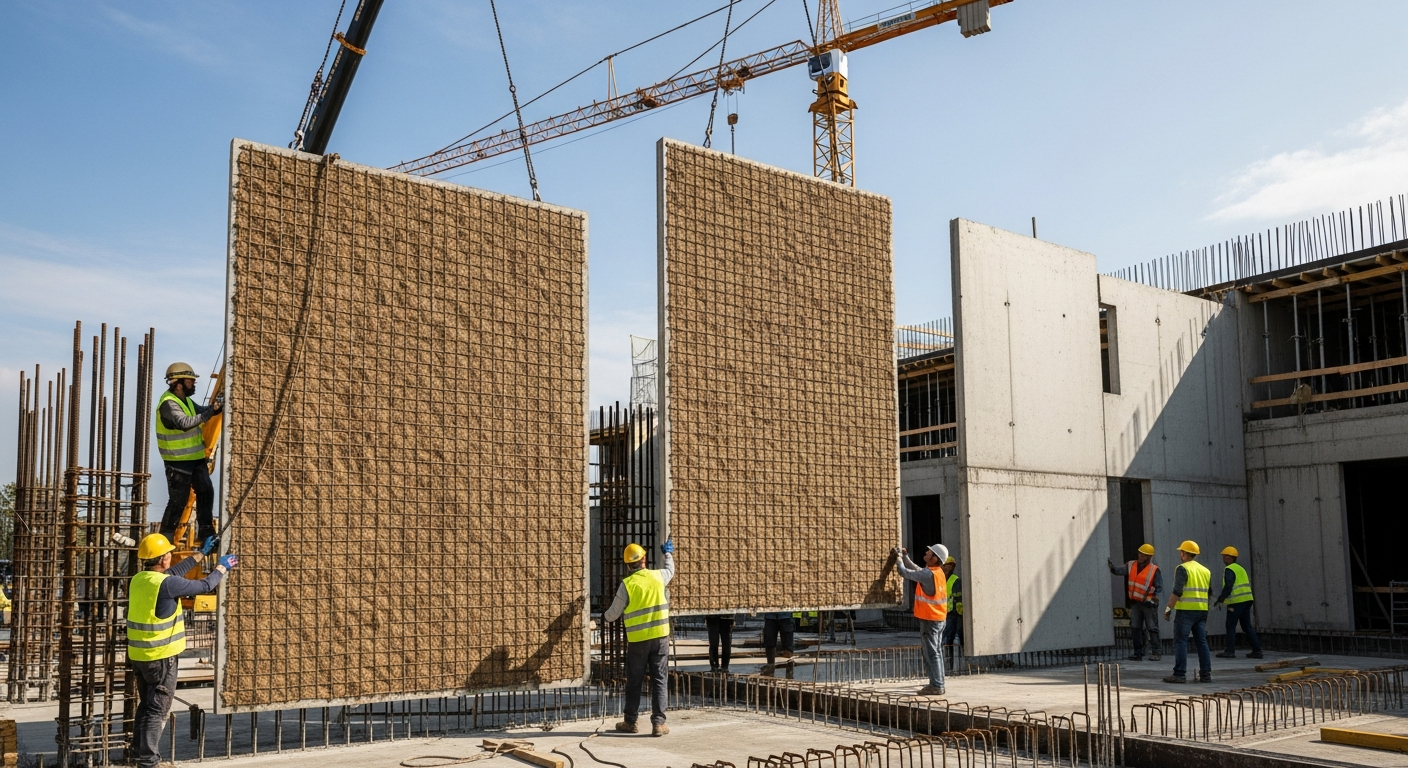
The Underreported Power of BioFibers in Shaping a Greener Future
While the concept of self-healing materials has intrigued researchers for decades, the recent development of biofibers—tiny polymer fibers encasing bacteria that react to cracks—represents a paradigm leap. What’s truly transformative is how this innovation could drastically reduce the environmental footprint of concrete, which accounts for a sizable slice of global greenhouse gases due to its manufacturing process. Longer-lasting structures mean fewer replacements, less mining, and reduced emissions—aligning perfectly with international efforts to combat climate change. Yet, this isn’t just about environmental sustainability; it’s about economic resilience. Infrastructure projects that incorporate biofiber technology could significantly cut long-term repair costs, shifting the economic calculus of construction investments. As countries race to build more durable cities, the silent shift toward living, adaptive materials might be the most important innovation the industry has seen in decades.
Who Benefits and Who Could Be Left Behind in This Concrete Revolution
As with many technological advancements, the adoption of biofiber self-healing concrete raises questions about industry winners and losers. Construction firms and government agencies poised to implement this durable technology stand to save millions in maintenance costs over the life of structures, not to mention potential environmental credits. Conversely, traditional concrete manufacturers and repair contractors could face obsolescence or significant upheaval if the shift becomes widespread. Moreover, regulatory frameworks must adapt quickly to accommodate this biological approach, which introduces new safety considerations and standards. While early research shows promising results, the path to mainstream adoption requires overcoming both technical hurdles and entrenched industry habits. Still, the potential for a quieter, more sustainable infrastructure future might outweigh the risks of disruption, especially as global investments shift toward resilient, eco-friendly building practices.
Beyond Repair How BioFibers Could Redefine Infrastructure as We Know It
The story of biofibers in concrete reflects a broader trend: using biological systems to enhance, or even replace, traditional materials. This shift aligns with a growing movement toward bioinspired engineering, where nature’s efficient designs inform human technology. If fully realized, buildings and roads could function as living entities, capable of adapting to environmental stressors in real time, repairing their own cracks, and extending their functional lifespans in ways previously impossible. Such innovations might lead to smart infrastructure equipped with sensors, embedded with living elements that communicate and respond to changes—blurring the lines between biology and technology. The potential to fundamentally rethink what infrastructure can be—forcing us to see concrete not as a static material but as a living, dynamic entity—represents a profound evolution in the field. This perspective challenges long-held assumptions about durability, maintenance costs, and the environmental costs of construction itself.