5 Concrete Batching Plants For Sale That Actually Save You Money
The Hidden Cost of Buying the Wrong Plant
You think you're just buying a machine. You're not. You're signing a contract with the next five years of your operating costs.
I've watched too many contractors pick a unit on sticker price alone. They skipped right past the hopper geometry. Never asked a single question about the control system logic.
The result is a nightmare. The plant runs slow, mixes inconsistently, and demands constant attention from your technicians.
So let's look at what actually matters when you browse concrete batching plants for sale. It isn't the headline output number.
Understanding The Core Components That Matter
The mixer is the heart of the operation. But it can't do its job without a reliable aggregate feed system.
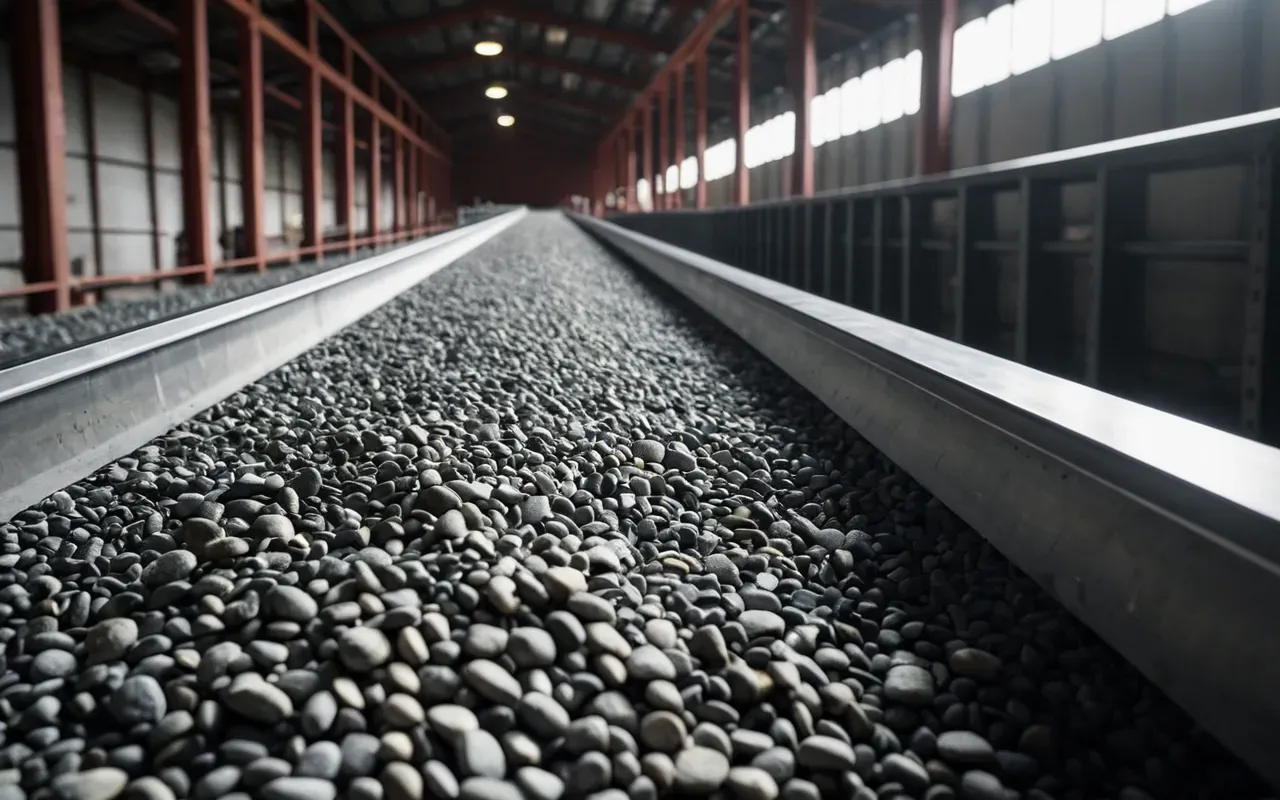
Look at the belt conveyors. Wide enough for your largest aggregate size? A narrow belt causes bottlenecks.
Then check the water dosing accuracy. A drift of even two percent can ruin a high-performance mix.
Top Five Options For Your Next Purchase
Based on current market listings and performance reviews, these five models stand out for reliability.
The High Output Stationary Workhorse
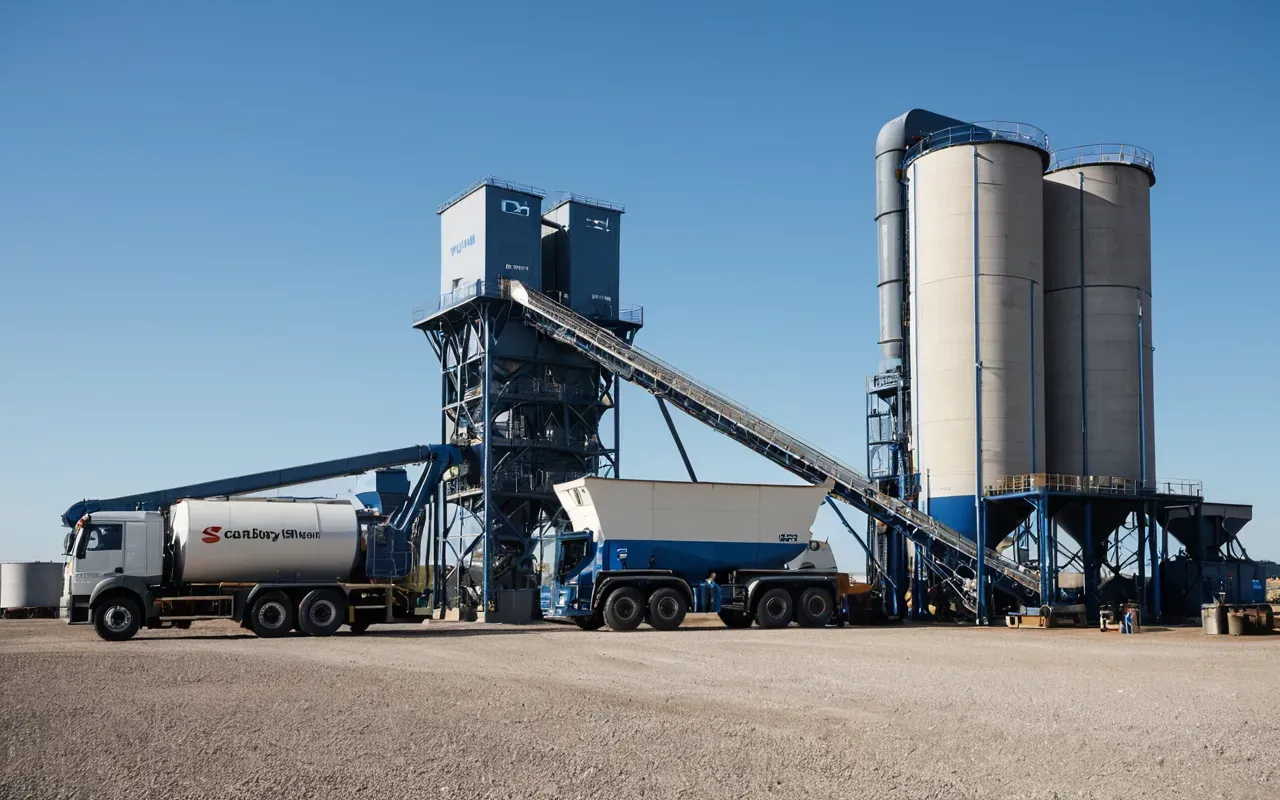
This type of plant is designed for high-volume commercial sites. It features a large hopper and dual mixers.
The advantage is speed. You can produce hundreds of cubic meters per day without downtime.
But it's expensive to move. You need a dedicated site and significant civil works.
The Mobile Unit For Remote Jobsites
This is the choice for contractors who move frequently. It mounts on a trailer chassis.
Setup takes hours rather than weeks. You can be mixing concrete within a day of arrival.
The tradeoff is capacity. It can't match the throughput of a fixed installation.
The Compact Model For Small Batches
Ideal for specialized mixes or small residential projects. It uses a smaller mixer drum.
Energy consumption is low here. You save on electricity and fuel costs significantly.
It's perfect for sites with limited space. You do not need a massive footprint.
The Twin Shaft Precision Mixer Option
This design ensures uniform mixing. The twin shafts create a vortex that folds material perfectly.
Wear parts last longer compared to single shaft models. Maintenance intervals are extended.
It costs more upfront but reduces long-term repair bills. Think of it as an investment.
The Eco Friendly Low Emission Model
Modern units feature dust recovery systems and water recycling loops. This cuts waste dramatically.
Regulations are tightening in many regions. Having this tech now saves you compliance headaches later.
It also improves worker safety. Less dust means healthier conditions for your crew.
Maintenance Is Where The Money Really Goes
A plant is only as good as its maintenance schedule. Neglect leads to catastrophic failures.
Check the seals on your hoppers every week. A small leak can ruin a batch and contaminate aggregates.
Lubricate the mixing shafts daily. Friction is the enemy of consistent output and motor life.
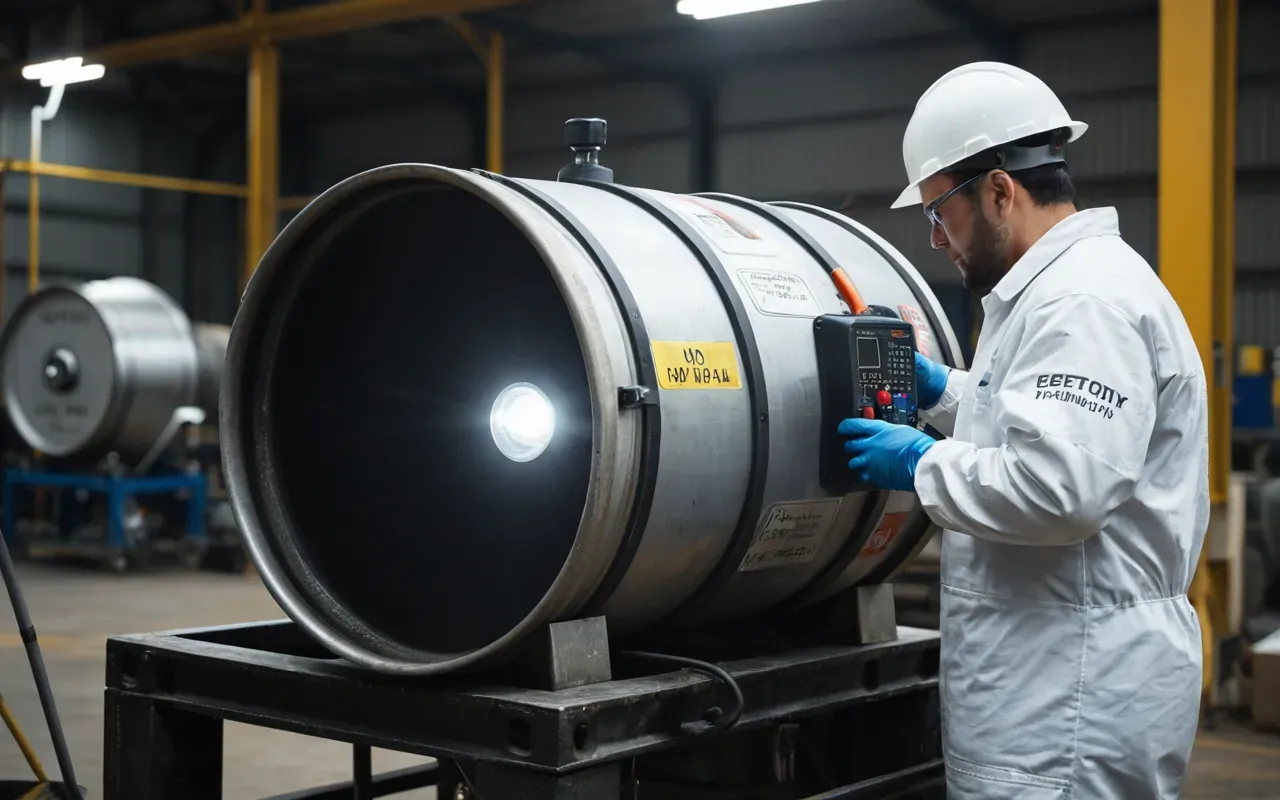
Calibrate your load cells monthly. Drift in weight sensors is a common source of mix errors.
Keep spare parts on site. Waiting for a delivery can cost you thousands in lost production time.
Efficiency Tips For Maximizing Output
Optimize your aggregate storage. Keep hoppers full but not overflowing to reduce bridging.
Monitor your power draw. Sudden spikes indicate mechanical issues before they become failures.
Train your operators properly. Human error is the leading cause of mix variability and waste.
Use data logs. Modern controllers record every batch. Review trends to spot inefficiencies early.
Frequently Asked Questions
What is the average lifespan of a concrete plant?
A well-maintained stationary plant lasts to years. Mobile units often last to years due to transport stress.
How much does a mobile batching plant cost?
Prices range from $, to over $,. The variance depends on output capacity and automation features.
Why is calibration drift a problem in batching?
Drift causes incorrect material weights. This leads to non-compliant concrete mixes and potential structural failures.