Your Australian batching plant is likely bleeding money through calibration drift
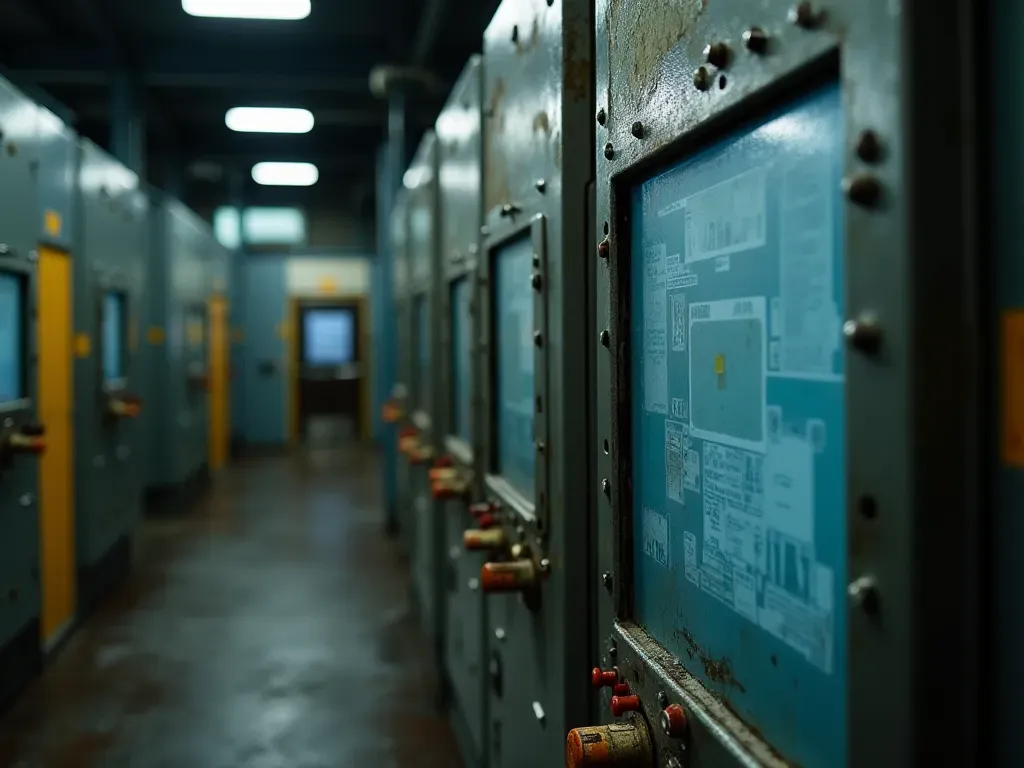
The invisible leak inside your hopper
I watched a plant in Brisbane lose thirty thousand dollars last month. Not from a breakdown. Not from fuel costs. From drift.
The scales were off by just two percent. The operator had no idea. The concrete came out slightly dry. The customer complained.
That tiny variance compounds over thousands of batches a year. It's a silent killer for margins in our region, and honestly, most operators never see it coming.

Why modern hardware fails silently
We buy machines that promise precision. But sensors age. Load cells get dirty. Moisture builds up inside the electronics.
A load cell covered in dried slurry doesn't work. It just guesses. And it guesses wrong.
I've seen plants running brand new control systems fail because the basic physical inputs were neglected. The brain is smart, sure. But it's blind without clean hands and eyes on the equipment.
The cost of ignoring calibration data
Calibration isn't a one-time setup. It's a living process that degrades daily with dust, vibration, and the general grind of production.
If you check your records from six months ago and compare them to today, the numbers will differ slightly. They always do.
That difference is money. It's the aggregate over-delivery you're giving away for free just to hit a target weight.

How drift affects slump consistency
Concrete that's too dry crumbles. Too wet, and it separates in the truck. Both fail on site, and both cost you the same: the job.
Operators often add extra water to fix dry batches. That destroys the chemical balance and weakens the final structure. Now you've got a bigger problem than a slight variance.
So you end up with a product that doesn't meet the spec. The customer rejects it. You lose. Simple as that.
The hidden maintenance trap in wet conditions
Rain is common here, no question. But it's not just the weather that causes problems. It's how we handle the wet machinery afterward.
Water seeps into electrical junctions. Corrosion starts on the moving parts of the screw conveyor. You won't see it for weeks.
Then one day the motor draws too much current. The breaker trips. Production stops for a full shift, and you're scrambling.
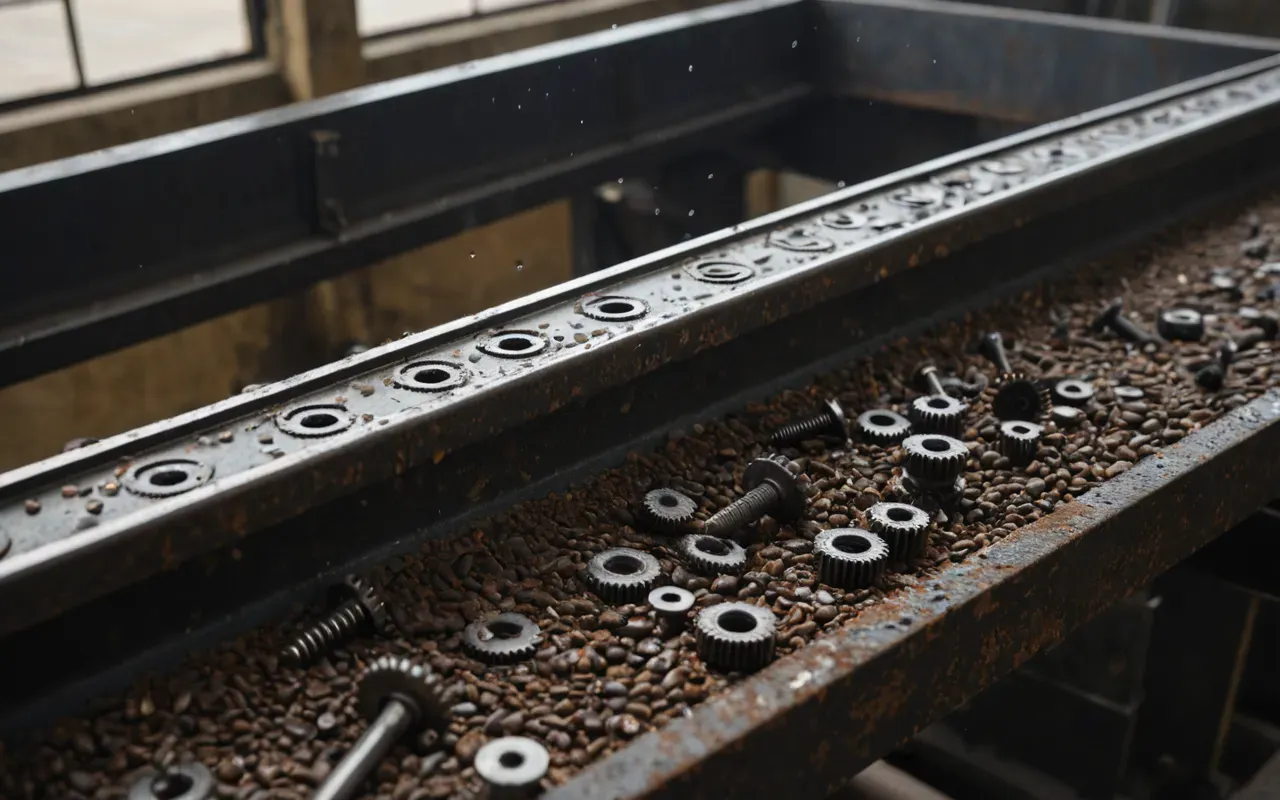
Preventing corrosion in critical components
I recommend a strict weekly inspection of all electrical connections. Dry them out if needed.
Use dielectric grease on the terminals. It's cheap insurance against a catastrophic failure during peak hours.
Don't wait for the smell of burning insulation. Check it before you need to.
Why automation alone does not fix poor input data
We love to talk about smart plants. AI and IoT are great buzzwords in our industry right now.
But an algorithm cannot fix a broken scale. It'll just calculate the wrong answer faster.
Garbage in means garbage out. No amount of software can save a plant with dirty physical sensors. Period.

The role of data logging in quality control
Keep a log of every calibration check. Timestamp it. Note the ambient temperature and humidity.
This data helps you spot trends before they become failures. Honestly, it's the best diagnostic tool you have.
If your logs show a slow drift over three days, investigate immediately. Don't wait for next month.
Practical steps to reclaim your lost output
Start with a full mechanical inspection. Check the bearings on the mixer shafts.
Next, verify all weight sensors with certified test weights. Don't use random bricks or sandbags — that's not testing anything.
Finally, review your mix designs. Are they optimized for the current local aggregate quality? Adjust if necessary.
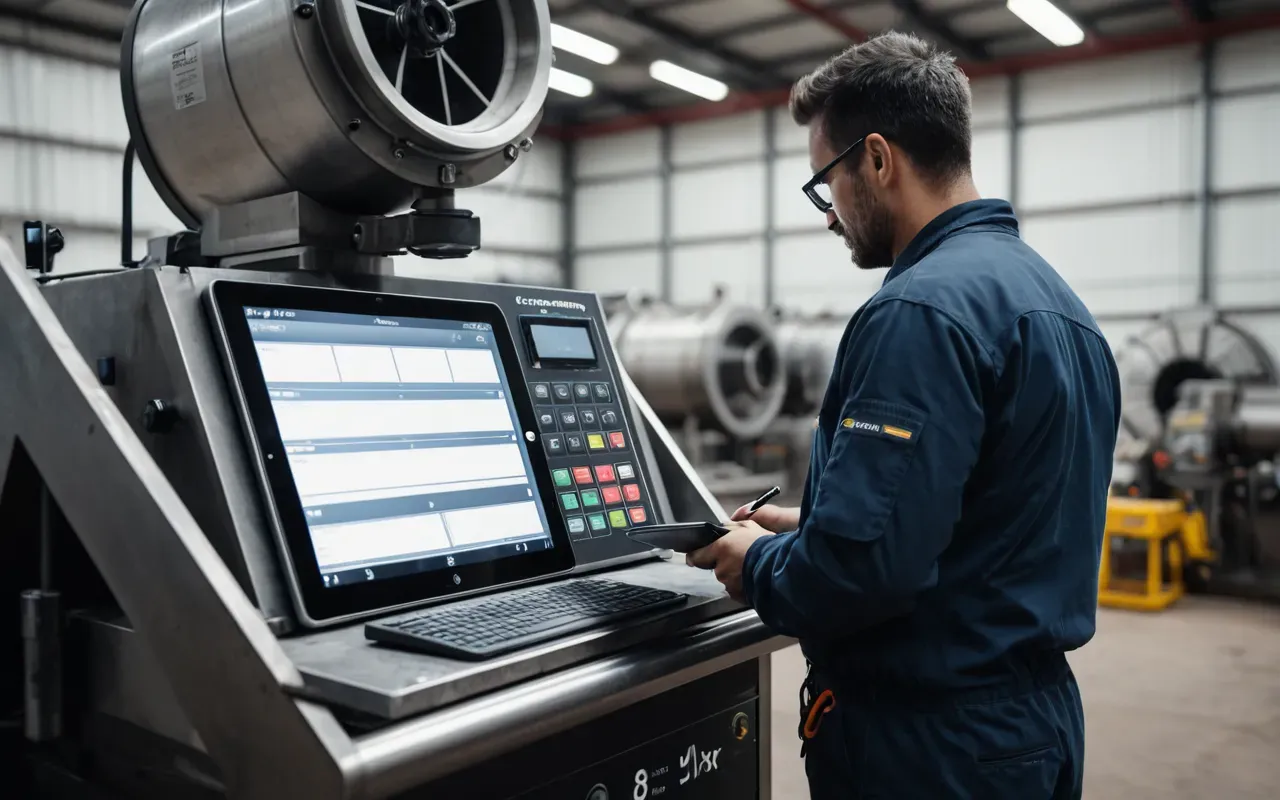
Checking for subtle mechanical wear
Listen to the mixer during operation. A grinding noise means a bearing is about to fail.
Feeling for vibration on the frame can also reveal imbalance. These are free diagnostic tools.
Use them daily. Your ears and hands can detect issues before expensive sensors do.
Optimizing material flow rates
Ensure the aggregate bins are filled evenly. Uneven loading causes uneven discharge times.
Adjust the gate openings to ensure a consistent flow. This improves batching accuracy significantly.
Monitor the discharge time for each material type. Record it and compare against your standard.
The economic impact of precision batching
Every tonne of concrete is a significant cost. Saving one percent on materials adds up fast.
I once calculated that a two percent improvement in accuracy saved over fifty thousand dollars annually.
That money went back into maintenance and upgrades. It was a virtuous cycle of improvement.

Reducing waste in the mixing process
Wet concrete left in the mixer is pure waste. It hardens and clogs the system.
Ensure the discharge is complete before starting the next batch. A simple check that saves big money.
Scrape down the mixer regularly. Remove any buildup that can affect future mix consistency.
Improving delivery window accuracy
If the batch takes too long to mix, you miss the delivery window. The truck sits idle.
Optimize your mixing duration based on the specific mix design. Don't over-mix.
Over-mixing wastes energy and can break down the aggregate structure unnecessarily.
Future proofing your plant with better data habits
The future of this industry is in the details. Not just big machines, but smart processes.
Start building a culture of data literacy among your staff. Teach them why the numbers matter.
When operators understand the cost of drift, they take ownership of the equipment. That's key.

Training operators for precision control
Run regular workshops on calibration procedures. Make it a standard part of the shift.
Certify your best operators as calibration technicians. Give them extra responsibility and pay.
This creates a dedicated team focused on accuracy. It's a direct investment in quality.
Integrating weather data into mix planning
High humidity affects the moisture content of your aggregates. Adjust the water input accordingly.
Cold weather slows down the setting process. You may need to adjust curing times on site.
Use local weather forecasts as a guide for daily production planning. It's simple and effective.
Common mistakes that undermine efficiency gains
One big mistake is assuming the machine knows best. It doesn't if you don't check it.
Another is ignoring the supplier data. Ask your aggregate provider about their moisture levels today.
And never skip the pre-start checks. They take ten minutes and can save hours of downtime.
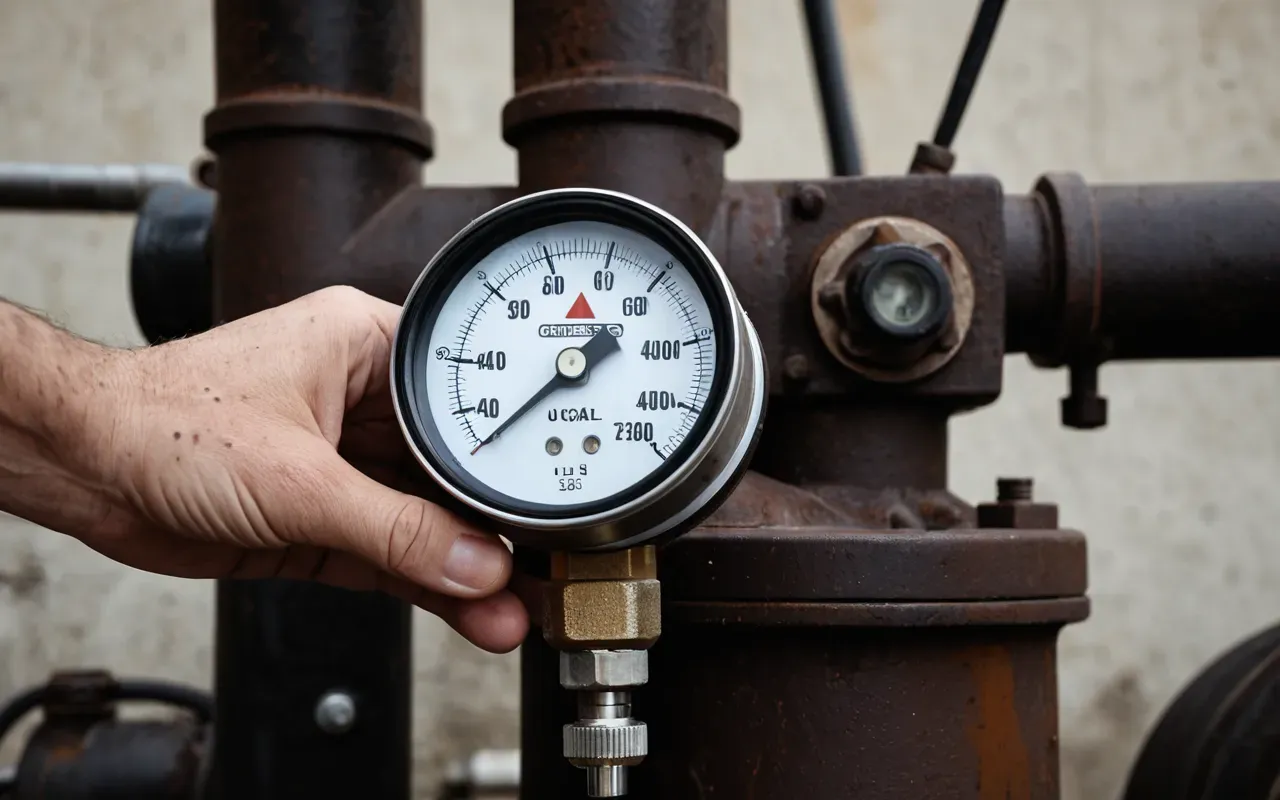
Ignoring early warning signs of failure
A slight change in sound is a warning. Don't ignore it because production is busy.
A small leak near the seal will become a major flood in two days. Catch it early.
Small problems are cheap to fix. Big ones cost thousands and days of lost production.
Failing to update software patches regularly
Control systems have updates. These often fix bugs that cause erratic behavior.
Read the release notes from your manufacturer. They tell you exactly what was fixed.
Apply updates during planned downtime to avoid disrupting active production runs.
The bottom line for Australian operators
You are in control of your output. The machines are tools, not masters.
Take responsibility for the data and the physical condition of your plant.
Do it today. Check your scales. Clean your sensors. Review your logs.
Your profit margin depends on it more than you think. It really is that simple.
Building a culture of precision and care
Reward employees who catch errors. Create an environment where accuracy is valued.
Share success stories of how a small fix saved the company significant money.
This builds pride and engagement. Your team will work harder for the common goal.
Staying ahead of regulatory changes
Environmental rules are tightening. Ensure your plant meets the new emission standards.