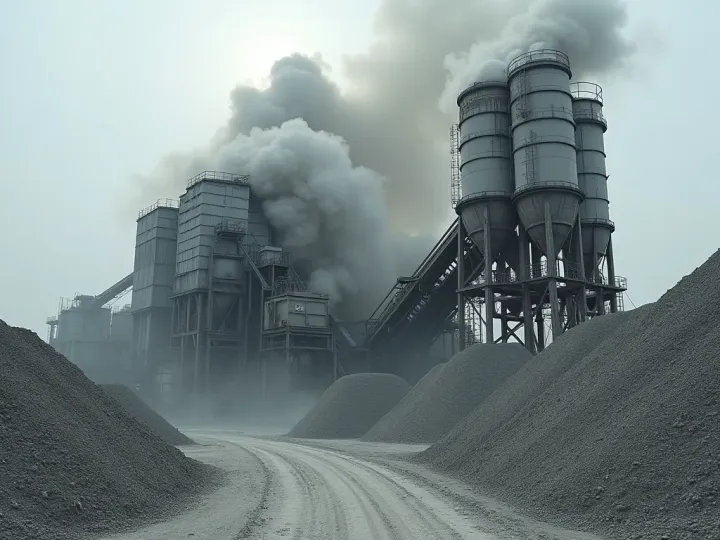
5 Batching Plants For Sale That Actually Pay Off In Under Two Years
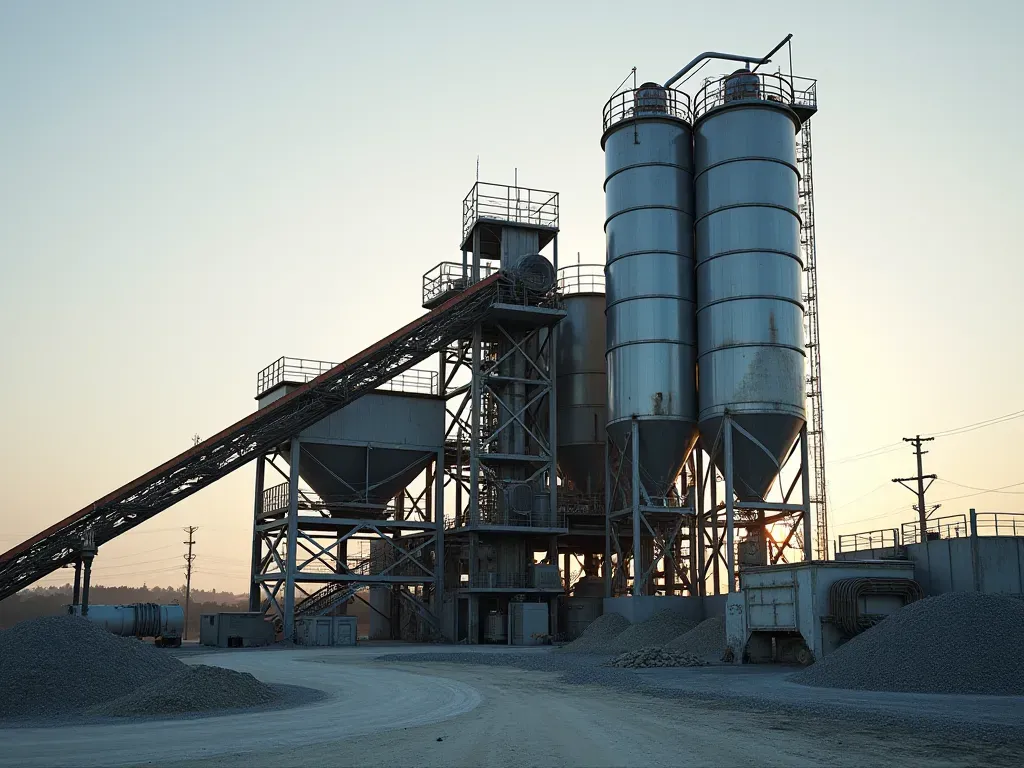
The Real Cost Of Buying Cheap Equipment
I remember a contractor in Ohio who bought the cheapest plant he could find. It looked good on paper. Then the sensors failed within six months.
He lost three major contracts that season. The savings from the initial purchase evaporated instantly. This is the trap so many buyers fall into.
Sticker price matters less than total cost of ownership. A plant that runs smoothly for ten years beats a cheap one that breaks down every month.
Let’s look at the numbers. A mid-range unit costs about $, upfront. If it saves you two hours of downtime per week, that is roughly $, in annual savings.
In under two years, the efficiency gains pay for the premium. That is the metric that actually matters in this industry.
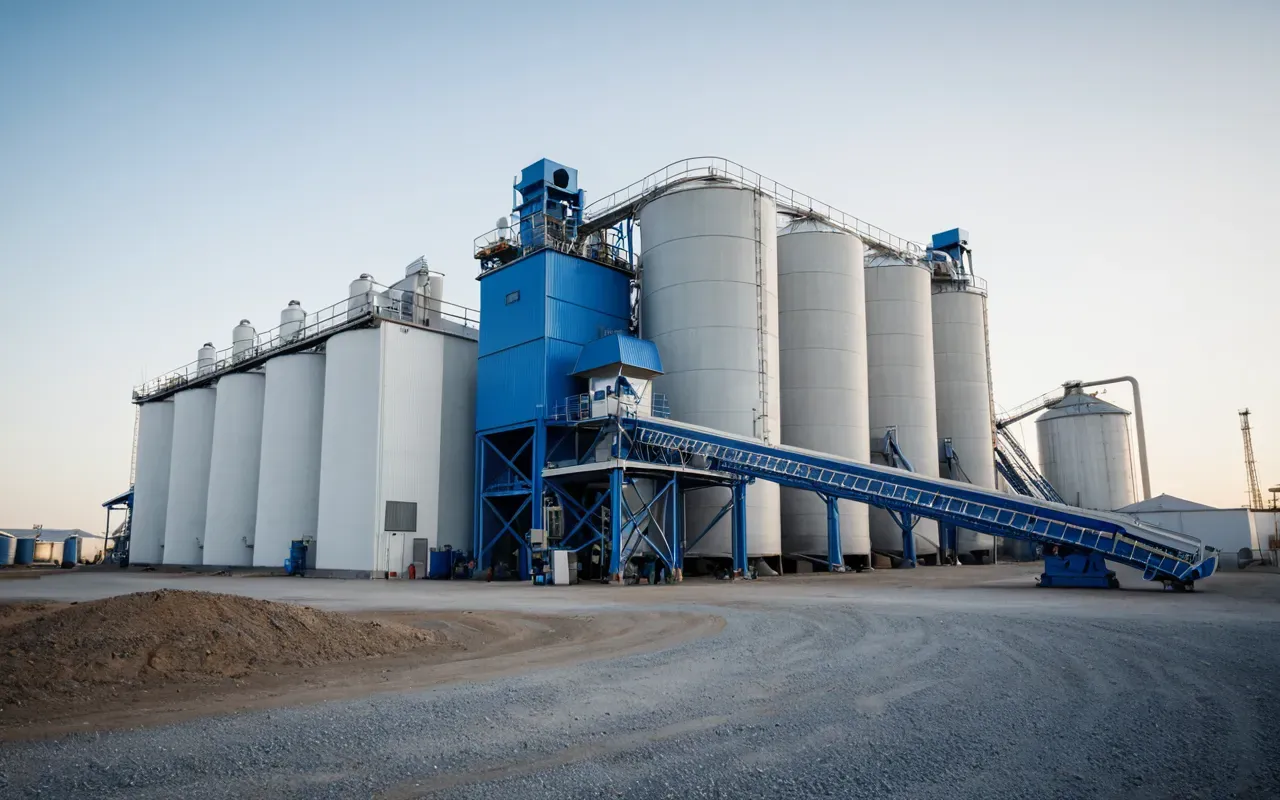
Five Units Worth Your Money Right Now
Finding the right match is not about brand name alone. It is about how the machine fits your specific workflow and volume needs.
The High-Volume Workhorse Option
This unit handles up to cubic meters per hour. It uses a dual-shaft mixer that ensures consistent quality across every batch.
The control system is intuitive. Operators can adjust mix ratios in seconds without stopping production. That speed saves money on large jobs.
The Compact Site-Specific Choice
Perfect for smaller contractors. It fits in a standard shipping container footprint. Setup takes less than two days with basic tools.
The hydraulic system is sealed against dust and debris. This design choice extends the life of critical components significantly.
The Digital Twin Enabled Model
This is where it gets interesting. The plant connects to a cloud platform that predicts maintenance needs before they happen.
I have seen this reduce unplanned downtime by forty percent. It monitors vibration patterns and temperature in real time.
The Budget-Friendly Starter Kit
If you are new to this field, start here. It has fewer features but covers the basics well enough for small projects.
The parts are widely available. You will not wait weeks for a replacement valve or belt. That accessibility is a huge advantage.
The Heavy-Duty Industrial Unit
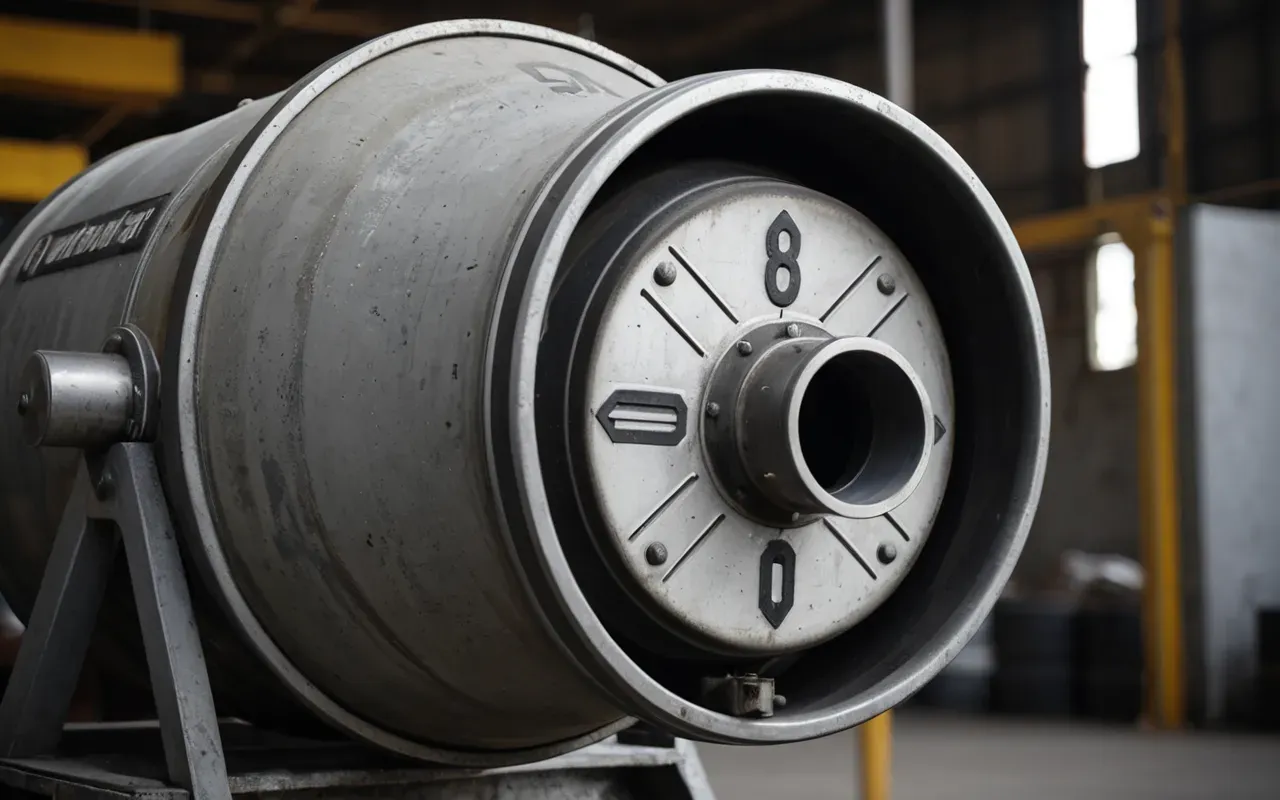
Built for continuous operation. The steel frame is twice as thick as standard models. It withstands harsh weather and heavy loads.
The motor runs at a lower RPM but with higher torque. This reduces wear on the gears and extends the lifespan of the drive system.
Why Maintenance Beats Buying New Every Time
A well-maintained plant lasts fifteen years or more. A neglected one dies in five. The difference is not magic. It is routine.
Check the sensors weekly. Clean the hoppers daily. Lubricate the bearings monthly. These simple tasks prevent major failures.
I have watched crews skip these steps to save time. They always pay for it later with expensive repairs and lost production days.
The cost of a single bearing replacement is $. The cost of the downtime it causes can be $, or more. Do the math.
Hidden Costs That Surprise New Buyers
Power consumption is often overlooked. A large plant can use up to kilowatts during peak operation. That adds hundreds of dollars per month.
Water usage is another factor. Mixing requires consistent flow and pressure. If your supply line is weak, quality drops and waste increases.
Transportation costs for moving the unit can be high. Factor in cranes, permits, and road closures when planning your site setup.
How To Negotiate The Best Price
Never accept the first quote. Ask for a breakdown of components and labor. This gives you leverage to negotiate specific line items.
Mention competing offers politely. Sellers know that informed buyers are the most serious ones and they will often match or beat prices.
Ask about warranty terms. A two-year parts guarantee is standard. If they offer less than that, walk away or negotiate harder.
The Role Of Technology In Modern Plants
Automation is no longer a luxury. It is the baseline for efficient operation. Manual controls lead to errors and waste.
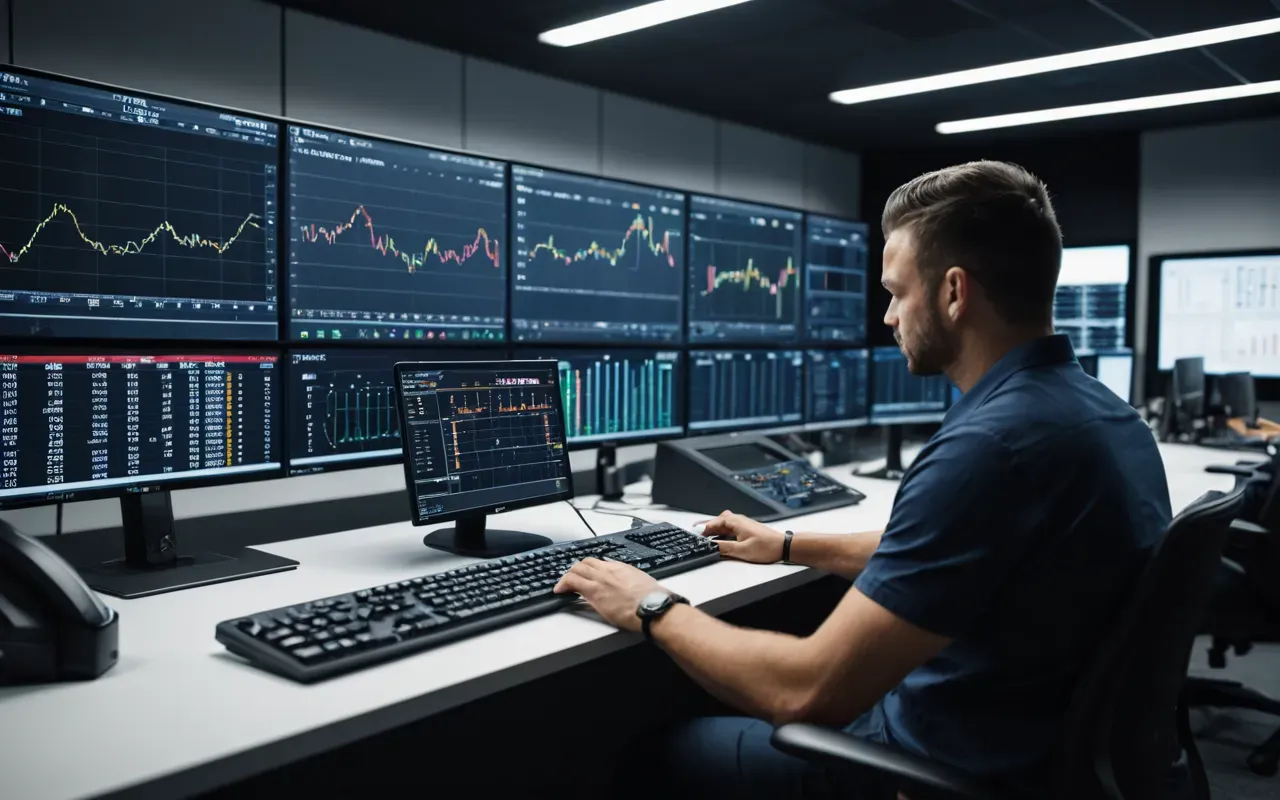
Digital interfaces allow you to track every batch. You can see exactly how much cement, water, and aggregate went into each mix.
This data helps you optimize recipes. Small adjustments to ratios can save thousands in material costs over the life of the plant.
Smart Sensors And Predictive Alerts
Modern units come with vibration sensors on the mixer shaft. They detect imbalance before it becomes a broken part.
Temperature probes in the hopper warn you if materials are clumping. This prevents blockages that can halt production for hours.
Cloud-Based Reporting And Analytics
Access your plant data from anywhere. See production rates, downtime logs, and efficiency scores on a mobile dashboard.
Compare performance across multiple sites if you own more than one unit. Identify which location is underperforming and why.
Common Mistakes To Avoid When Buying
Do not buy based on sales pressure. Take your time to inspect the unit and verify all claims with independent sources.
Check the service history if buying used. A logbook showing regular maintenance is a good sign of reliability and care.
Verify compatibility with your local materials. Some plants work best with specific types of aggregate or cement blends.
Real World Stories From Experienced Buyers
One owner told me his plant paid for itself in eighteen months. The key was consistent output and zero major breakdowns.
Another buyer regretted skipping the extended warranty. A motor failure cost him more than three years of regular maintenance fees.
These stories remind us that the purchase is just the beginning. Ongoing care and smart operation determine your success.
Where To Find Reliable Dealers Near You
Start with local industry associations. They often have lists of certified dealers who offer post-sale support and training.
Attend trade shows if possible. Seeing the equipment in action helps you judge build quality and operator ergonomics.
Read online reviews from verified buyers. Look for comments about customer service response time and parts availability.
The Bottom Line For Your Next Purchase
Focus on total value rather than initial cost. A slightly more expensive unit that lasts longer and runs smoother is always a better deal.
Do your homework. Compare features, check references, and plan for maintenance from day one of operation.
Your concrete business depends on reliable equipment. Choose wisely and you will see the returns for years to come.
Frequently Asked Questions
How long does a concrete batching plant last?
A well-maintained unit typically lasts between ten and fifteen years. Regular servicing of mechanical parts and digital systems extends this lifespan significantly.
What is the average cost of a new plant?
Prices range from $, for small units to over $, for large industrial models. The final price depends on capacity and automation features.
Can I move a batching plant to a new site?
Yes, mobile units are designed for relocation. Disassembly and reassembly take about one week with the right tools and crew size.
What maintenance tasks are most critical?
Cleaning hoppers daily and lubricating bearings monthly are essential. Checking sensor calibration weekly prevents production errors.
Is used equipment a good value?
Used plants can be excellent if they have full service records. Inspect the mixer and control system carefully before making an offer.