Why Mexico Is Quietly Replacing Your Favorite Excavator Brands With Chinese Ones
The Quiet Takeover No One Is Watching
Look. The biggest story in the Mexican construction sector isn't the massive highway projects you see on the news. It isn't even the booming mining operations in Sonora.
It's a subtle shift happening right under our noses. Chinese manufacturers are winning the contract bids that Caterpillar and Komatsu used to take for granted.
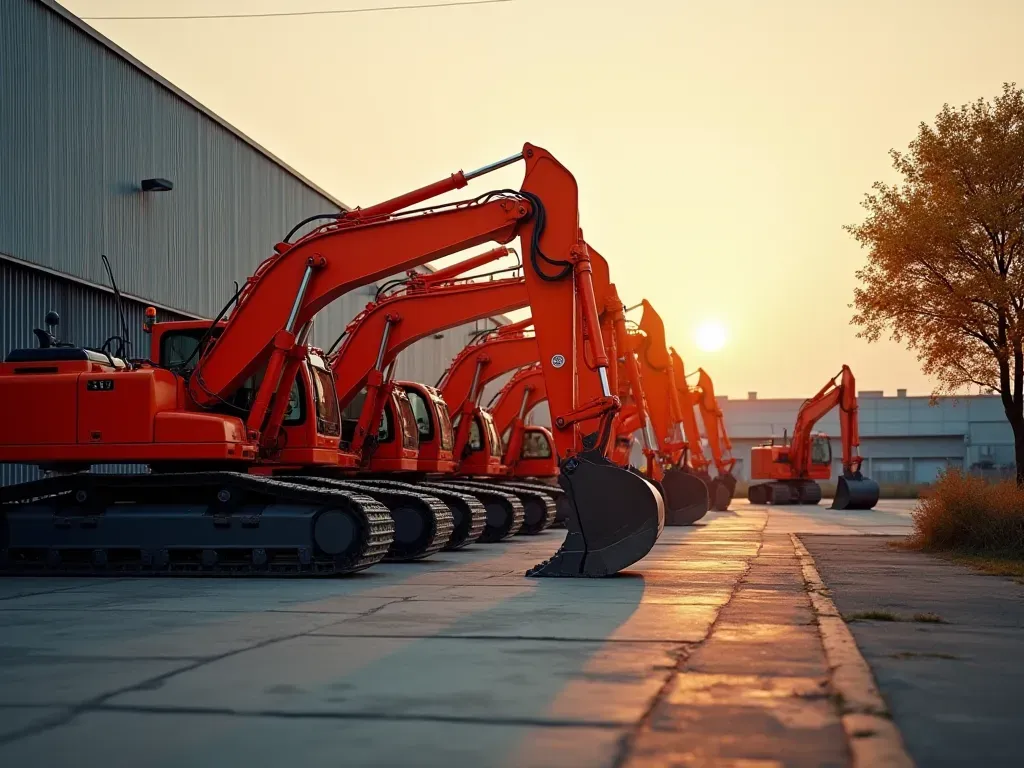
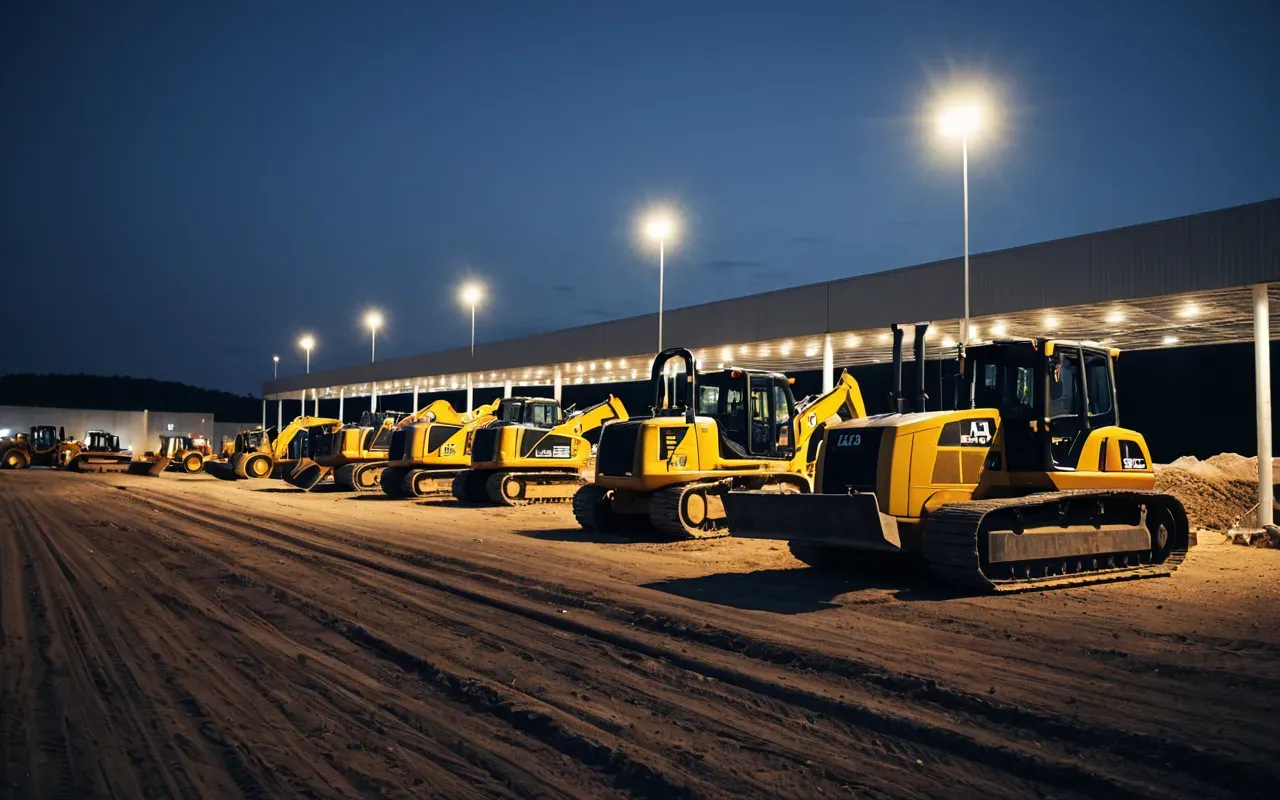
I was struck by how fast this happened. In just a few years, brands like XCMG and LiuGong have gone from budget alternatives to serious contenders for major infrastructure contracts.
This isn't about cheap equipment. It's about a fundamental realignment of supply chains that will define the next decade of heavy machinery purchases in North America.
The Nearshoring Boom Is Changing Everything
To understand why this shift is happening, we have to look at where the money is flowing. Manufacturing capacity is moving north from Asia into Mexico.
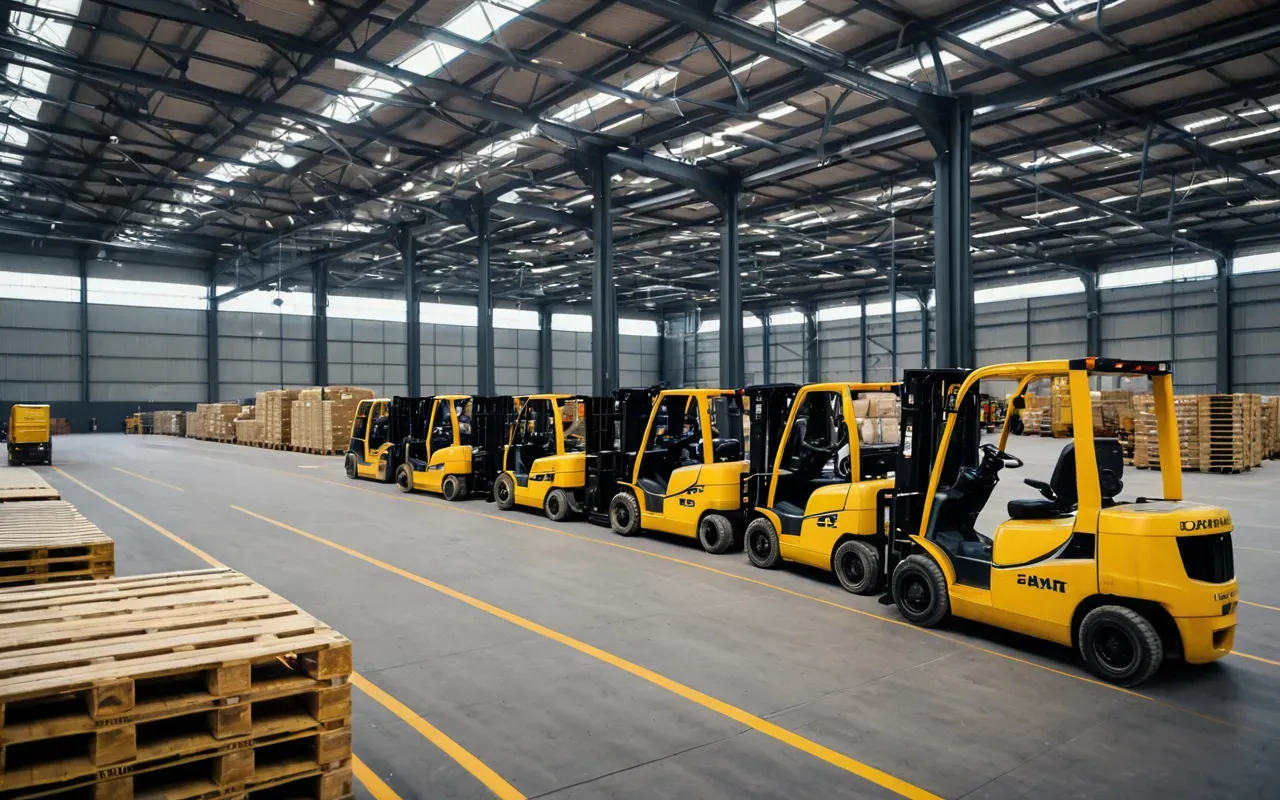
Companies are building factories in Monterrey and Saltillo to be closer to their customers. That creates a massive need for cranes, forklifts, and aerial platforms.
Amazon is a perfect example. They're investing billions in distribution centers that need to process hundreds of thousands of packages every single day.
This kind of logistics infrastructure requires reliable material handling equipment. And here's where the Chinese brands are stepping in with aggressive financing options.
Western buyers used to assume that local support and parts availability would keep them in the game. But Chinese OEMs are building their own service networks.
Mining Is The Hidden Engine Of Growth
While everyone talks about construction, mines are where the real heavy equipment demand is exploding. Copper and lithium extraction require massive earthmoving fleets.
In Sonora alone, the demand for excavators and haul trucks is outpacing supply in some regions. That creates a perfect market for new entrants.
The environmental angle is also pushing adoption of electric models. Cities are demanding zero-emission machinery for public works projects starting now.
This is a double-edged sword. It favors manufacturers who have already invested in electric technology. And that list includes both traditional leaders and new Chinese challengers.
If you're a contractor relying on diesel equipment now, the coming regulations will force a costly upgrade. It's time to start planning for that transition.
The Real Cost Of Ignoring This Shift
There's a danger in sticking to the brands you know. Loyalty can blind us to better value propositions that are emerging right now.
I've seen contractors lose bids simply because their equipment package was twenty percent more expensive than a competitor who used newer technology.
The lesson is clear. You need to evaluate machinery on total cost of ownership, not just the sticker price or the badge on the side.
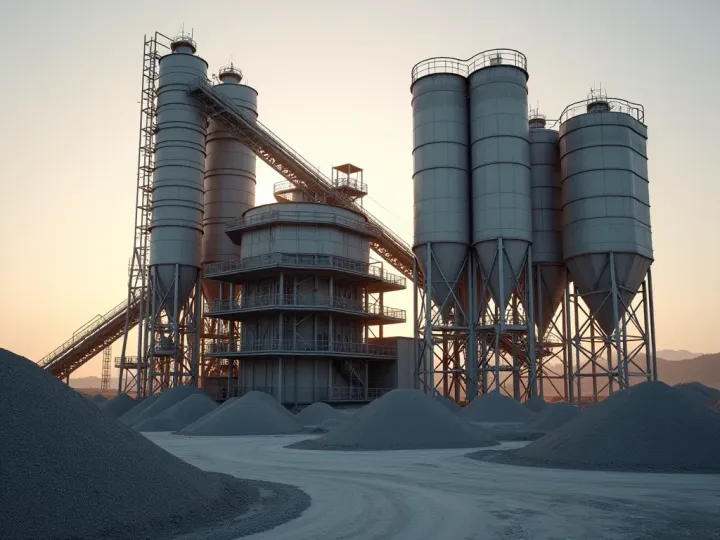
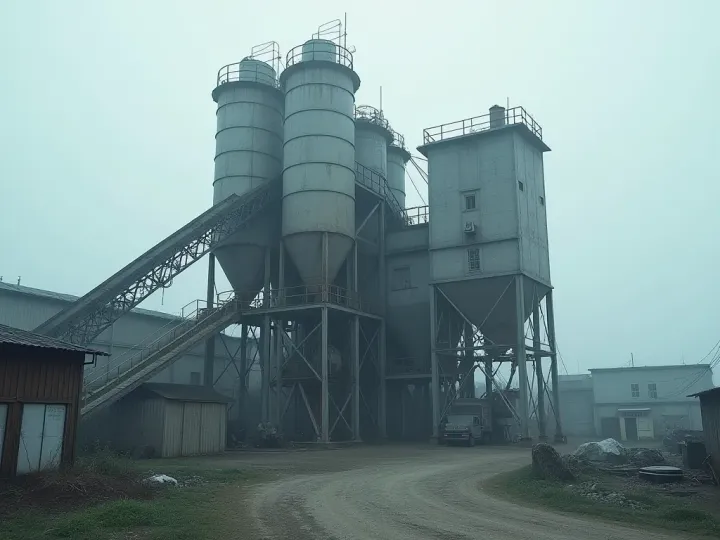
This applies to everything from small skid steers to large concrete batching plants. The logic is the same across all scales of operation.
If you're looking to optimize your concrete production efficiency, consider how technology upgrades can reduce waste and improve output. It's a similar mindset of value over brand.
Who Wins And Who Loses In This New Landscape
The winners are the flexible buyers. They're the ones who can adapt their procurement strategies to take advantage of competitive pricing and new technology.
The losers are the rigid ones. Those who refuse to consider new vendors because of habit or fear will find themselves paying a premium for outdated solutions.
It's not about switching to the cheapest option. It's about making an informed decision based on data, performance, and long-term reliability.
We're moving into an era where the best choice depends on your specific operational needs. There's no single winner anymore, just smarter buyers.
The market report data supports this view. Growth is steady, but the competitive dynamics are shifting faster than most industry analysts predicted.
What This Means For Your Next Purchase
Before you sign the next contract, ask yourself a few hard questions. Does this machine fit your workflow? Is the support network robust enough?
Consider the total lifecycle cost. Include maintenance, fuel, and potential downtime in your calculation. These often matter more than the initial purchase price.
If you're interested in seeing how other operators have navigated this shift, there's a lot to learn from recent case studies on fleet optimization.
For example, understanding how smart concrete batching systems compare to basic ones can reveal significant savings opportunities in your own operations.
The key is to stay informed. The landscape is changing quickly, and those who pay attention will be better positioned for success in the coming years.
The Road Ahead Is Paved With New Choices
Mexico is becoming a test case for the future of construction machinery. The lessons learned here will ripple out to other markets in North America and beyond.
Whether you're buying an excavator or a concrete mixer, the principles of smart purchasing remain the same. Do your homework and think long term.
The next decade will be defined by those who adapt. The question is not whether the market will change, it already has. It's about how you respond.
Stay sharp, stay flexible, and keep your eyes on the value. That's how you win in this new era of heavy equipment.