A Korean Engine Company Is Secretly Powering America's Biggest AI Data Centers
The Silent Power Behind the AI Boom
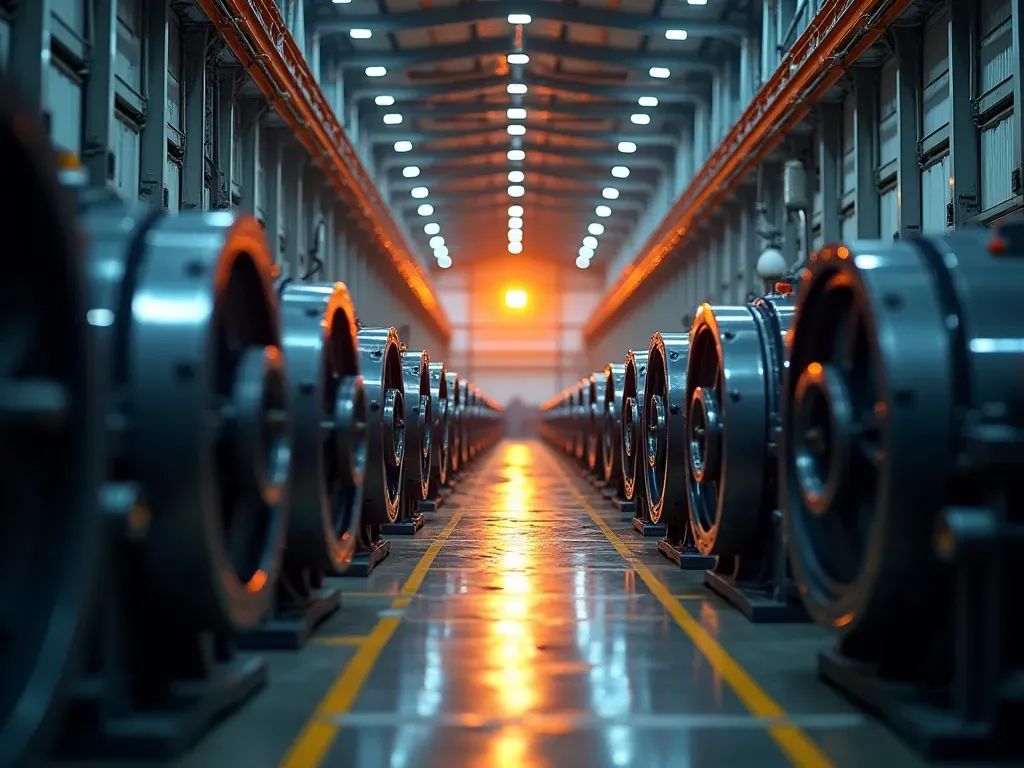
Picture a data center. Cold, sterile, rows of blinking servers — that's the image most people have. Almost nobody thinks about the humming outside. That noise? It's massive diesel engines burning fuel around the clock.
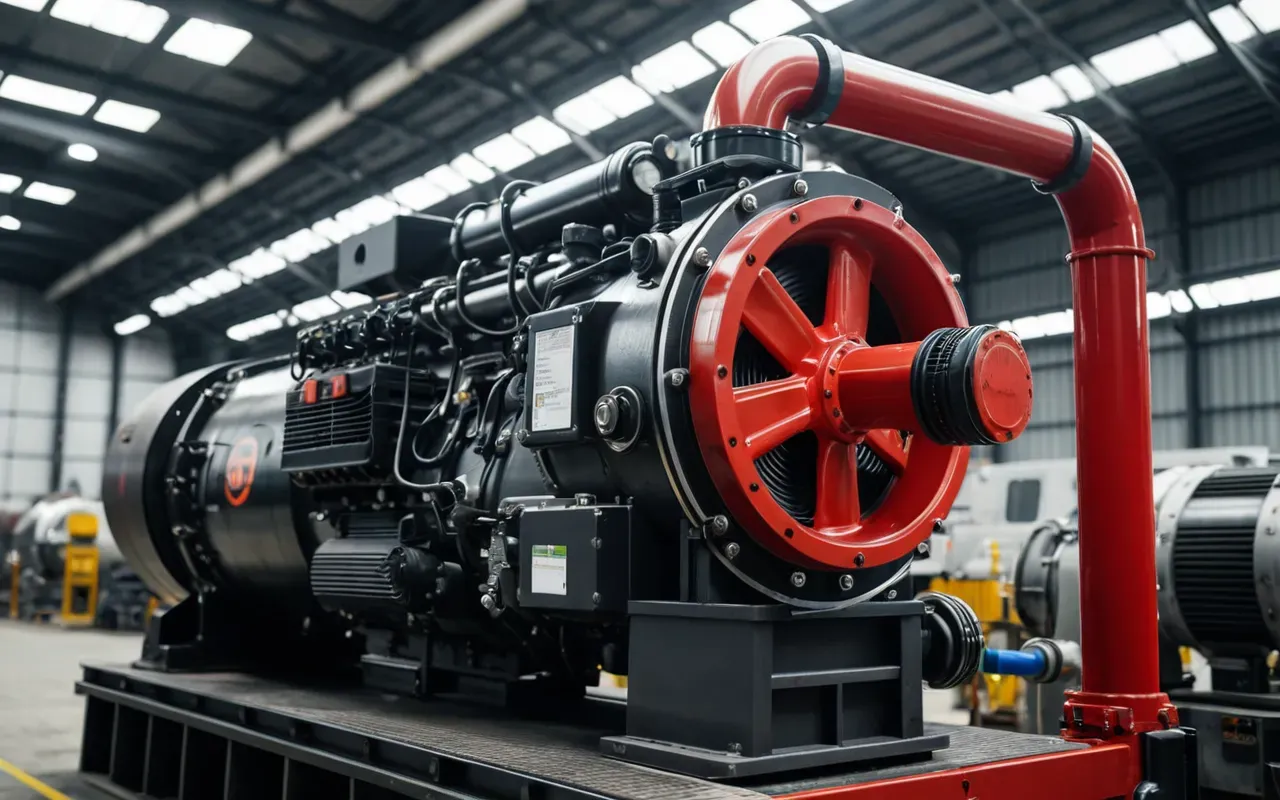
HD Construction Equipment just held a start-up ceremony for its new DX engine. This isn't some average construction machine part. It's a -liter beast built to output three megawatts of power.
Three megawatts. Sounds like a lot, right? It is — roughly enough to power , homes. Imagine all those lights flipping on at once because one engine started up.
Why Data Centers Need Big Iron
AI models are hungry. They pull electricity at a rate that genuinely scares grid operators. And cloud providers can't always sit around waiting for local utilities to upgrade lines.
So they build their own power plants. That's where heavy equipment companies come in. They supply the generators that keep servers running without interruption.
The DX is built for exactly this. It runs at high speeds and holds stable performance through long hours of operation.
It's also compact enough to fit in modular facilities. That matters — data centers usually expand phase by phase as demand grows.
A Factory in Gunsan Changes Everything
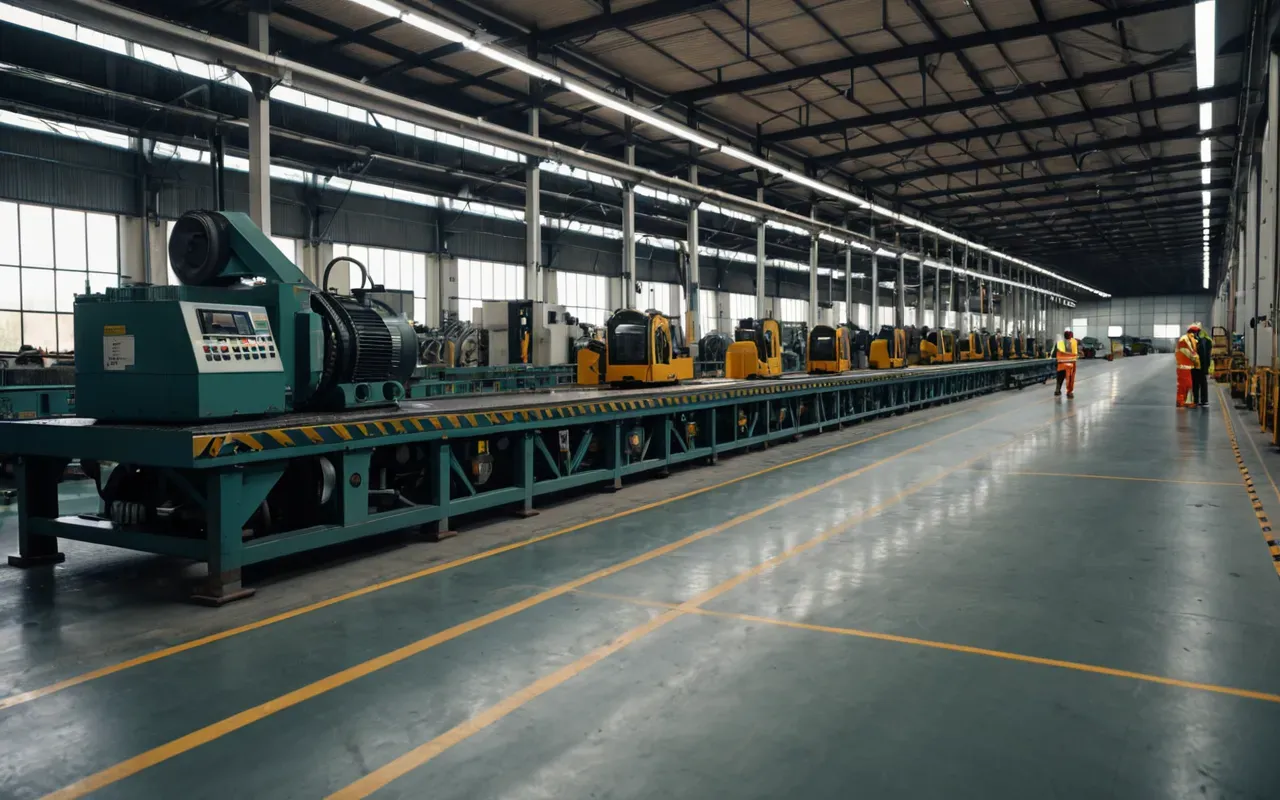
The ceremony took place at the company's facility in Gunsan. That location is turning into a key hub for their power generation strategy.
Plant completion is expected soon. Once it's operational, various engine classes will roll out sequentially starting in early next year.
The Road to Mass Production
HD isn't rushing, though. Mass production of the DX begins late next year, after thorough testing.
They'll also produce a smaller engine class in the near term. Add it up and you get a full lineup ranging from one to three megawatts.
That strategy covers different scales of data center needs. Everything from small edge sites to massive hyperscale facilities.
Smart move. Offer multiple sizes, and you lock in customers for the long term.
The $ Million Bet on Gas Engines
Here's the part that really grabs attention. HD signed a major deal with ERock in the United States.
The contract is worth about $ million. It covers supplying gas-fired engine long blocks over two years.
Those engines will run hyperscale data centers operated by major tech giants. Think the biggest names in cloud computing.
It's a shift away from pure diesel, too. Gas is cleaner, and it's often preferred for large installations.
Fuel Flexibility Is Key
The DX is designed to adapt. Diesel comes first, sure — but the architecture allows for gas and hydrogen later.
That future-proofs the investment. Operators can start with diesel and switch as the technology matures.
Honestly, it's a smart hedge against regulatory changes. You never know which fuel dominates in ten years.
Maintenance That Saves Time and Money
Downtime is the enemy here. Every hour an engine stops costs thousands in lost processing power.
So HD extended the filter replacement interval to one thousand hours. For operators, that's a huge deal.
Fewer stops mean less labor and fewer parts to buy. The maintenance schedule gets significantly simpler.
They also promise an industry-leading warranty. That reduces risk for buyers who are unsure about new technology.
High-Strength Materials Matter
The engine uses high-strength alloys. These withstand the stress of continuous high-speed rotation.
A high-efficiency cooling system keeps temperatures in check. Over time, that prevents thermal damage.
Those details sound minor. They're not — they define long-term reliability. You want your engine to last for decades.
What This Means for the Construction Industry
And this isn't just a tech story. It changes how we view heavy equipment manufacturers.
They're no longer just selling excavators and cranes. They're powering the digital economy.
If you work in construction or equipment sales, take note. The market for power generation is booming.
Understanding this trend helps you position your business better. It opens doors to new client segments.
The Bigger Picture of Energy Demand
AI isn't slowing down. If anything, it's accelerating. Every new model requires more compute power.
Grid infrastructure can't keep up fast enough. That gap is exactly what diesel and gas engines fill.
For the next decade, onsite generation will be critical. Companies that ignore this are missing out.
Conclusion for the Observer
HD Construction Equipment is making a bold move. They're betting that power demand will only grow.
A $ million contract and a new factory coming online — they're serious about this niche.
Whether you sell concrete plants or heavy machinery, watch this space. The lines are blurring.
The future of construction isn't just about building structures. It's about powering the world that lives inside them.
If you're curious about how other equipment choices impact your bottom line, consider why small machines might be losing money while large units generate profit.
Also, keep in mind the cost of ignoring maintenance schedules on your existing fleet.
Understanding these dynamics will help you make smarter decisions in a rapidly changing market.