The rental giant hiding a $50 million profit collapse while your competitors celebrate
The Silent Squeeze in American Heavy Industry
Scan the headlines and it all reads like a victory lap. Revenue up. Growth everywhere. The construction sector supposedly booming across every major market in the country.
But I've been tracking these numbers for years, and something feels off. The top line is climbing fast. The bottom line? Barely limping along, trying to keep pace with operational costs.
This isn't some corporate accounting trick. It's the reality facing every fleet manager and plant operator right now who's just trying to keep machines running.
Reading Between the Lines of Q2 Earnings
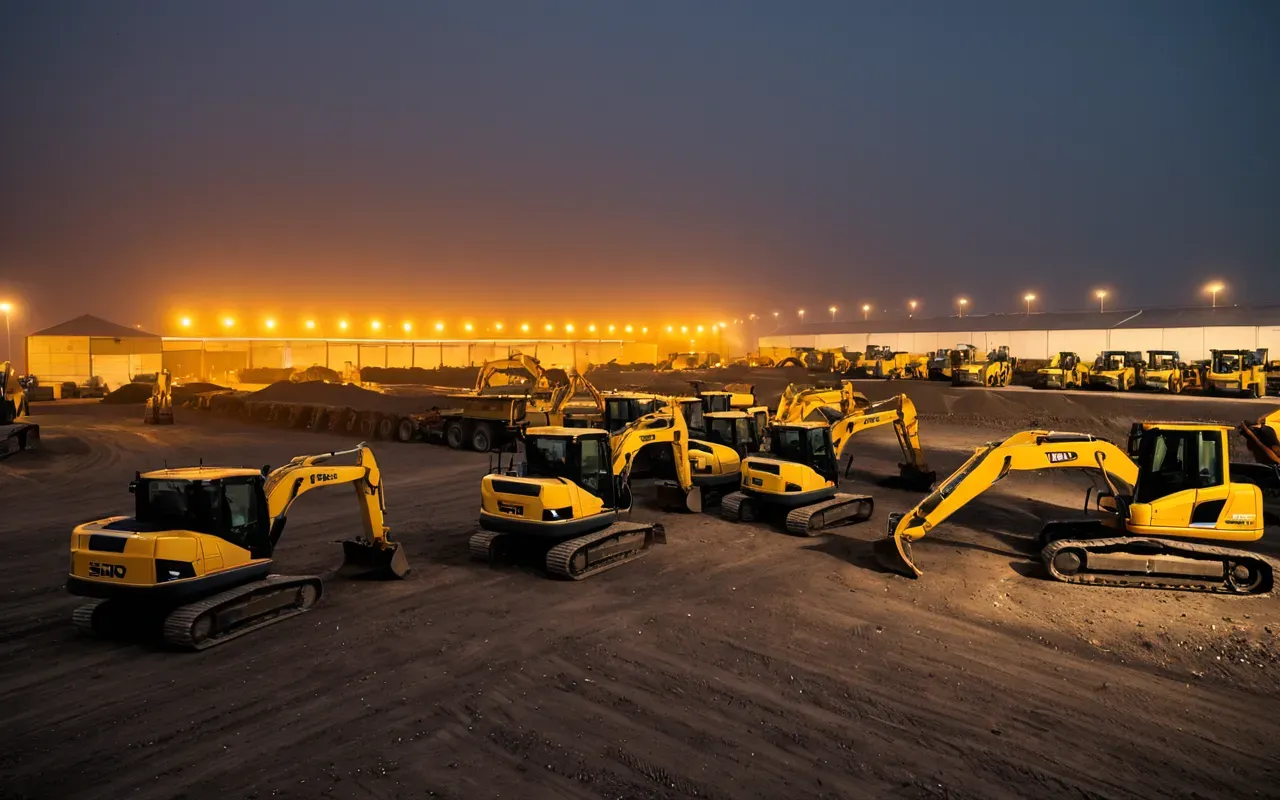
EquipmentShare reported $1.5 billion in total revenue for their second quarter. That's a twenty-six percent jump over last year, and yeah, it looks impressive on the surface.
Herc Rentals followed suit with $1.2 billion in revenue, driven by their acquisition of H&E and a surge in mega construction projects across the country.
United Rentals posted $4.4 billion in total revenue, which is an eleven point eight percent increase compared to the same period last year.
And then there's Sunbelt. Their consolidated revenue rose eight point nine percent to $2.8 billion — but their net income dropped thirty-one percent.
That gap between revenue and profit is where the real story hides. Making more sales doesn't automatically mean keeping more money. Not even close.
Why Revenue Growth Is Not the Same as Profitability
When a company grows its fleet rapidly, it often takes on more debt to buy those machines. Interest costs eat into the profits that new rentals generate.
Maintenance is another silent killer. As machines age and work harder in demanding conditions, the cost per hour of repair climbs steadily.
I've seen this pattern before in manufacturing and logistics. Scale looks good — until the operational drag becomes too heavy to ignore.
The Maintenance Trap That Everyone Ignores
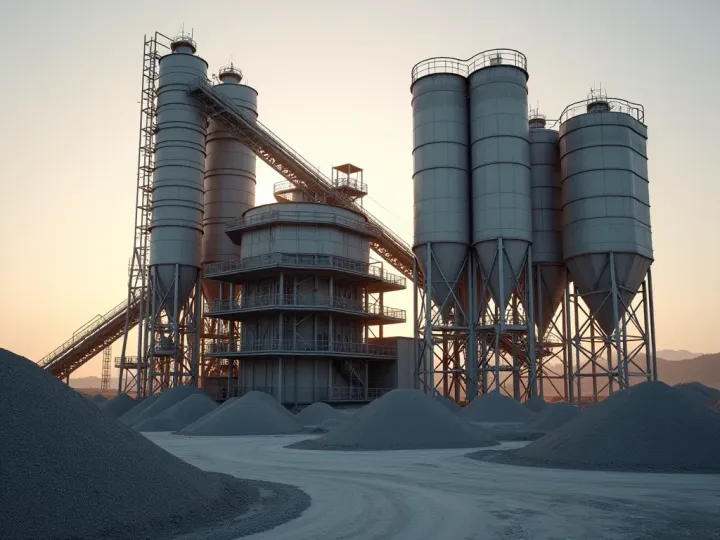
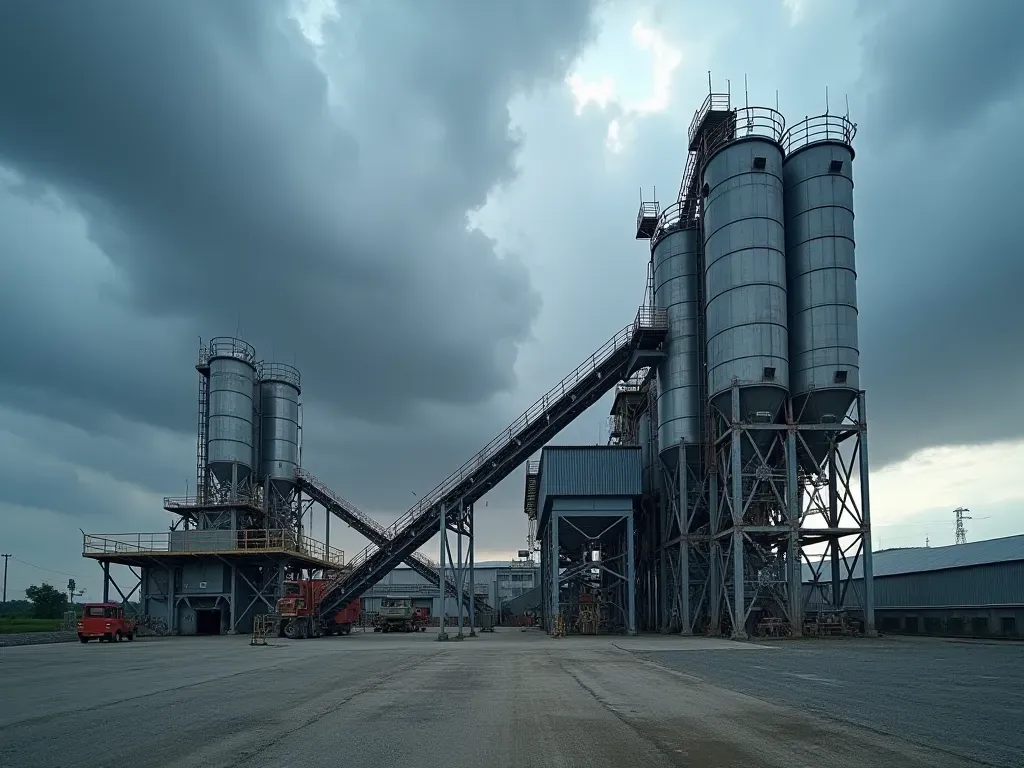
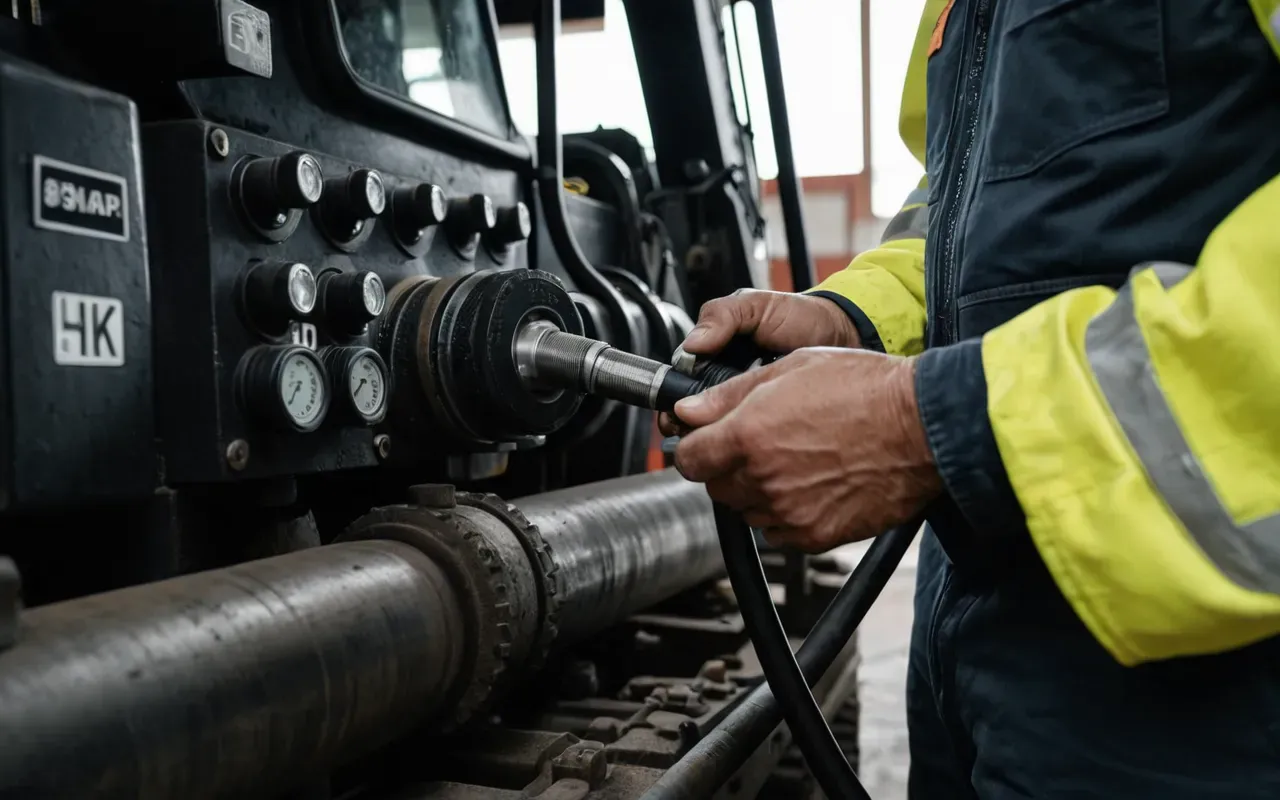
Here's the thing about modern concrete batching plants and similar heavy machinery. They're incredibly complex systems with thousands of moving parts.
Miss one small calibration check and the entire output can drift out of spec. That leads to wasted material and failed quality tests on site.
One plant operator I spoke with recently lost twenty-five thousand dollars in a single month because of sensor calibration errors.
This is not hypothetical. It happens every day in facilities that are trying to maximize uptime while cutting labor costs where they can.
The rental giants are no exception. They rent out the machines, sure — but they also bear a huge share of the long term maintenance burden.
How Calibration Drift Bleeds Money Quietly
Imagine your hopper feed is slightly off. Might only be a one or two percent variance. But over thousands of batches, that adds up fast.
You end up mixing too much cement or not enough aggregate. The result is either waste or a structural weakness that causes headaches later.
This is where technology should help. Often it just adds more data that nobody has time to analyze properly.
I believe the next wave of efficiency will come from simpler, more reliable systems that reduce human error at the source.
Who Actually Wins in This Market Shift
The big rental companies are winning on volume, but they may be losing on quality of earnings. Smaller specialized operators might have the edge.
These smaller firms often own their equipment outright, which means lower monthly costs and more flexibility in how they deploy assets.
They also tend to have closer relationships with their customers, which leads to better utilization rates and less downtime between jobs.
For contractors looking to buy or rent, this shift suggests that total cost of ownership is becoming more important than the sticker price.
You need to look at maintenance history, fuel consumption, and operator training before you sign that contract or buy order.
The Hidden Cost of Rapid Fleet Expansion
When a company like Herc acquires H&E, it brings in new machines and new customers — but also new problems and new maintenance schedules.
Integrating different machine models into a single fleet is tricky. Parts compatibility and technician training become major hurdles.
If you've ever tried to standardize a mixed fleet of excavators and loaders, you know this pain firsthand.
The big players are betting that scale will eventually solve these issues. But the short term pain is very real for their shareholders.
What This Means for Your Concrete Production
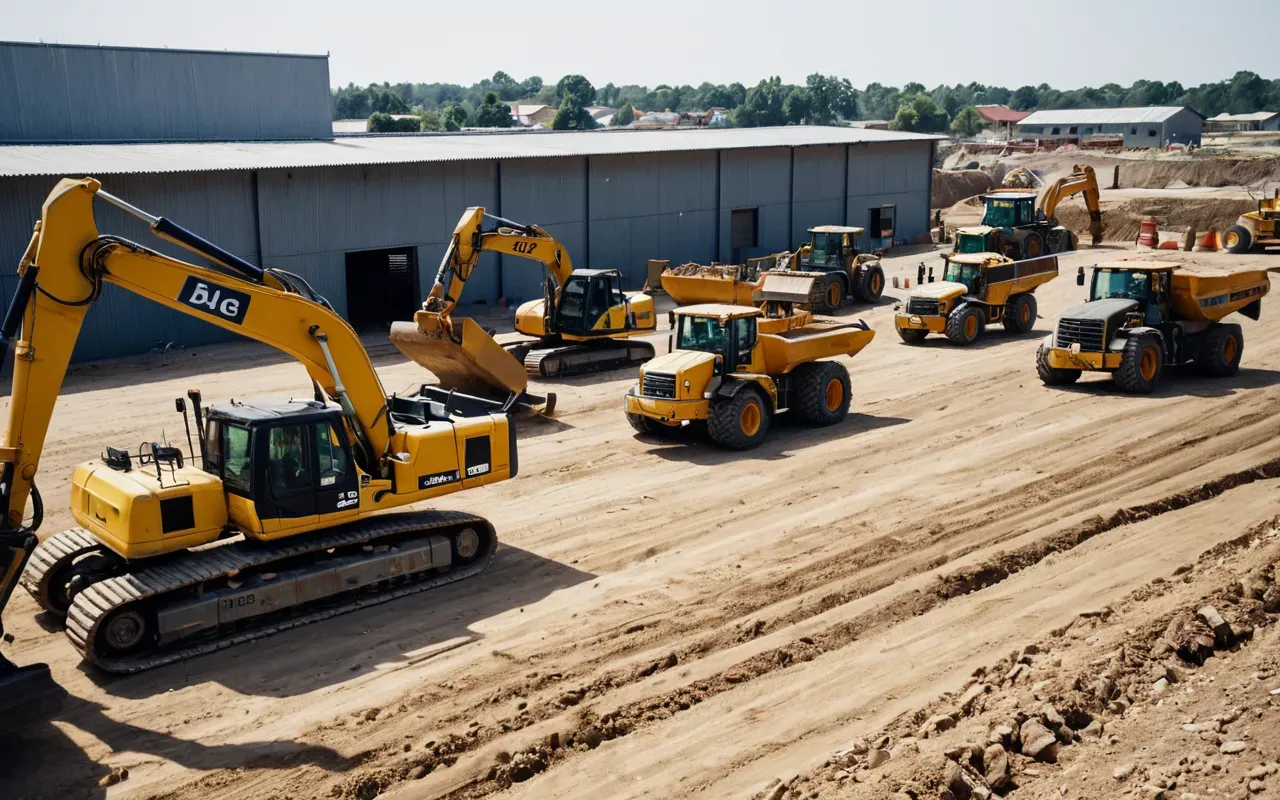
If you run a batching plant, this financial trend should worry you. The companies renting your equipment may be under more pressure than they admit.
They might push for longer rental periods or higher utilization rates to cover their fixed costs. That can put strain on your machines.
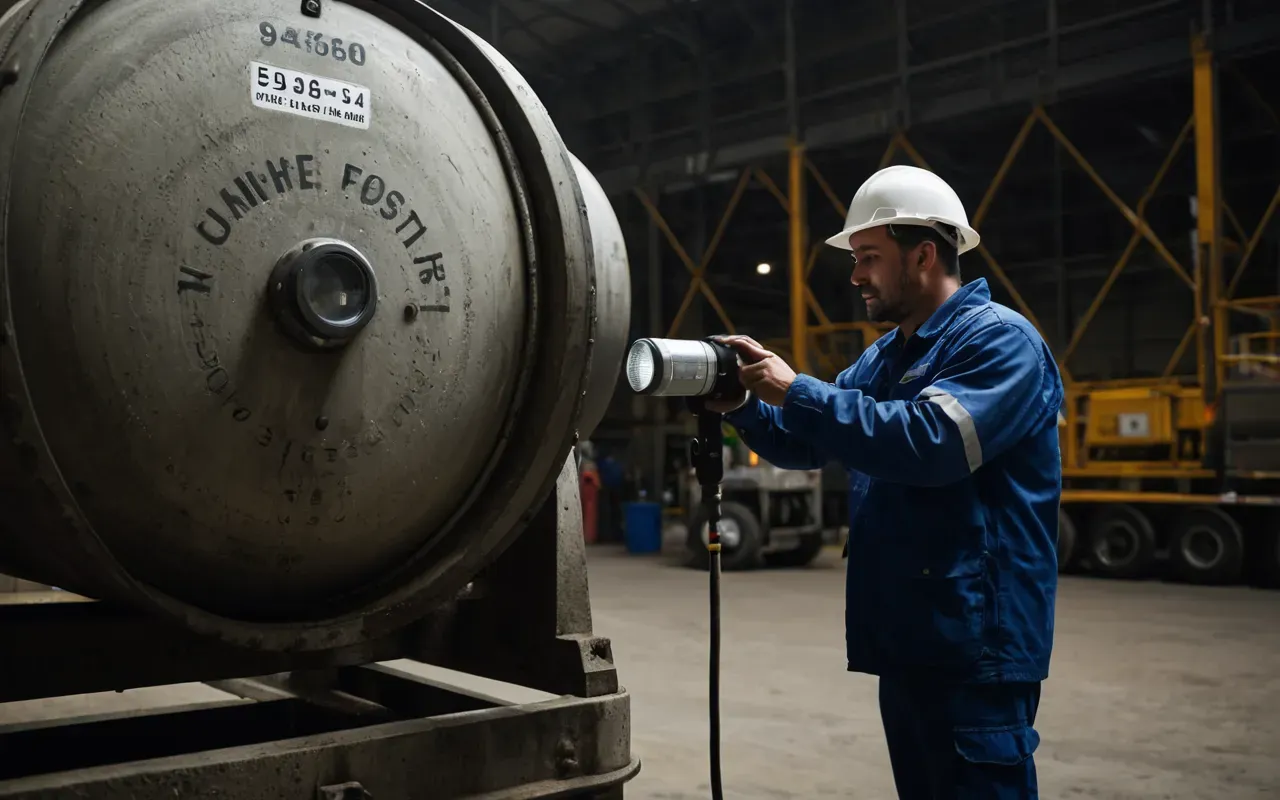
You need to be vigilant about wear and tear. Check your batchers, mixers, and conveyors more frequently than you think necessary.
A small repair today can prevent a major breakdown tomorrow. It's not always about saving money — it's about keeping production stable.
I recommend you review your service contracts and make sure they cover critical components. Don't assume the rental company has it all covered.
Practical Steps to Protect Your Output
First, audit your recent production logs for any subtle shifts in mix consistency or batch timing. Small changes often signal bigger problems.
Second, invest in real time monitoring if you haven't already. Data is your best friend when trying to catch drift early.
Third, talk to your suppliers. They often know about common failure modes and can suggest specific parts that need earlier replacement.
Finally, don't be afraid to push back if a rental machine is showing signs of stress. You have the right to safe, reliable equipment.
The Future of Equipment Rental Economics
I expect we'll see more consolidation in the next two years. Smaller players may struggle to compete with the pricing power of the giants.
But technology could change that. If AI and automation reduce maintenance costs significantly, the balance of power might shift back.
For now, the message is clear. Revenue growth does not guarantee profitability. You need to look at all the numbers.
The construction industry is strong, but it is not without its hidden weaknesses. Stay sharp and stay informed.
If you want to learn more about how technology is changing equipment purchases, check out this analysis on AI in construction buying decisions.
Also consider reading about autonomous operation in heavy machinery to see where the industry is heading.
The bottom line is that success in this sector requires more than just buying the biggest machines. It demands smart management and constant vigilance.
Keep your eyes on the profit margins, not just the top line. That is where the real truth lies in this complex market.