The four-generation secret hiding in plain sight at a major concrete plant
The National Tour That Stopped for a Small Town Giant
A national trade group doesn't usually stop in a mid-sized city like Erie. The Association of Equipment Manufacturers tends to stick to the massive industrial hubs. But this time, they came here.
They wanted to see Erie Strayer Company. This isn't some startup with flashy marketing. It's a four-generation family business that has quietly shaped the nation's infrastructure.
CEO Kyle Strayer welcomed the AEM Express with a simple goal: show why front-line workers matter. To him, they're the real reason the company succeeds.
Why Blue Collar Workers Are Now the Center Stage Attraction
Kyle Strayer said something that stuck with me. He pointed out how much it means for employees to get recognized publicly. It changes the whole dynamic of a factory floor.
For decades, these workers were invisible cogs in the machine. Now a national body is putting them on a pedestal. That shift says something about how we're starting to value skilled labor again.
The AEM guests mingled with staff. They learned how each part of the operation feeds economic growth. Not just a tour — more like an education session.
The Hidden Economics of Four Generations in Manufacturing
Four generations. That's no small feat. Most businesses don't survive their first decade. Erie Strayer has weathered recessions and market shifts.
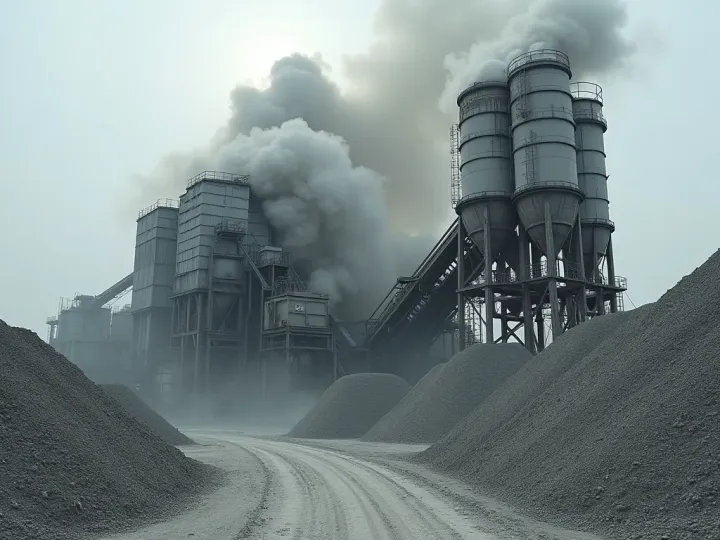
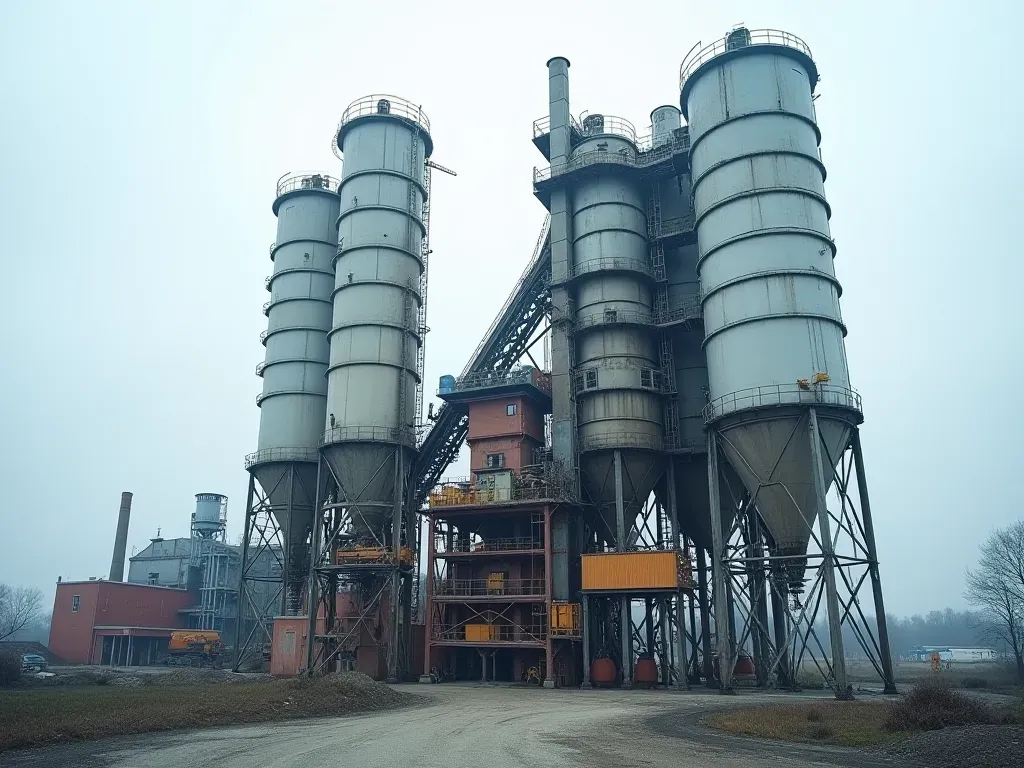
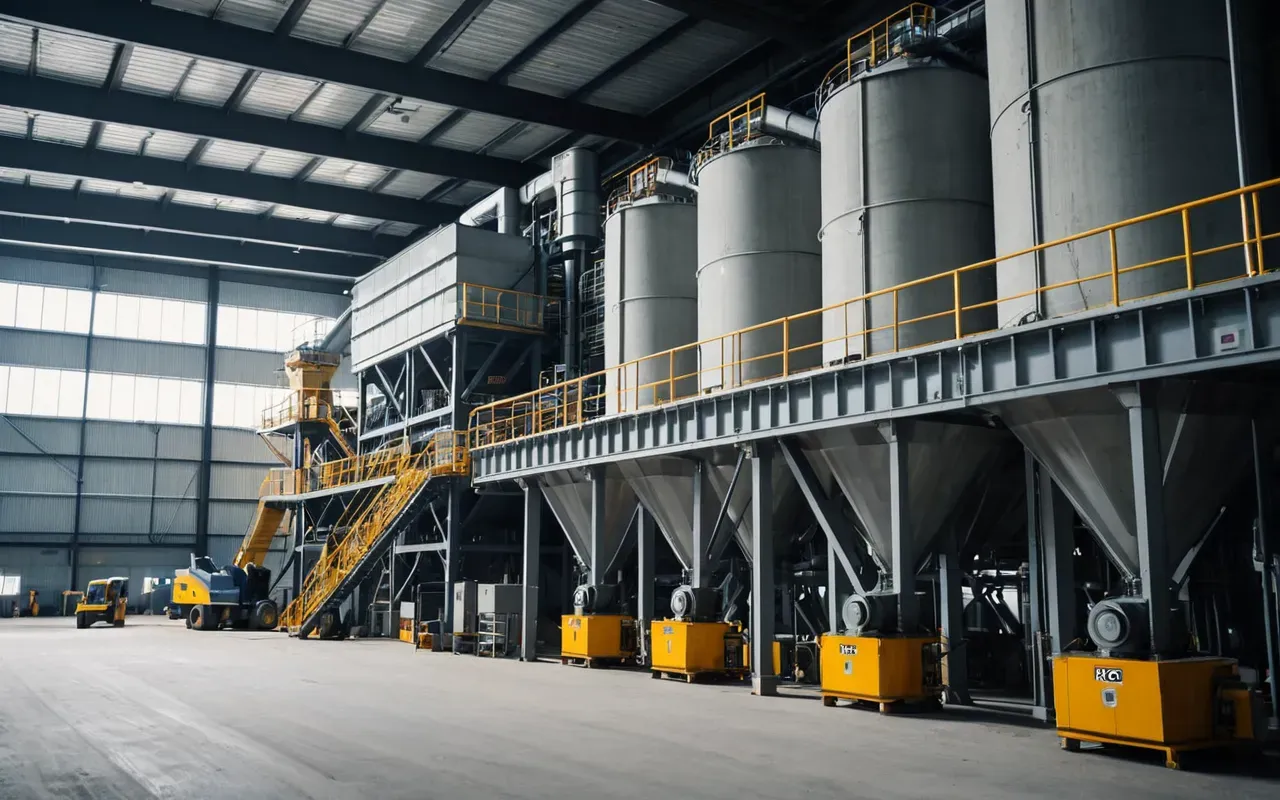
Their concrete batch plants build infrastructure all over the country. This isn't a niche product. It's the backbone of modern construction projects everywhere.
I've seen plenty of manufacturers claim to be leaders. Few can point to a legacy this deep. That kind of staying power suggests a stability younger competitors often lack.
What This Means for the Future of Infrastructure Investment
When national associations like AEM visit a local firm, it sends a signal. Regional manufacturers are critical to the national supply chain — full stop.
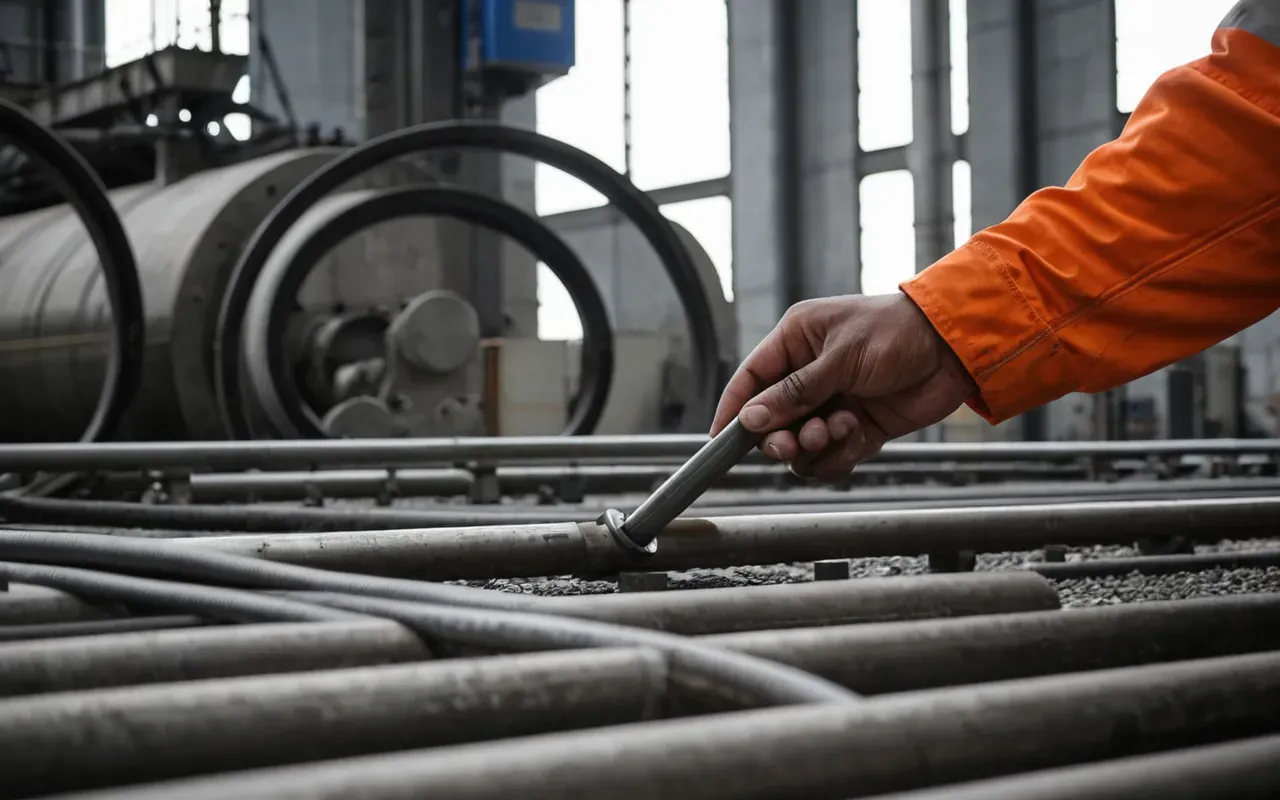
We talk endlessly about technology and AI. But those systems need physical hardware to work. Erie Strayer provides the essential machines.
If you're interested in how these systems work, check out this article on concrete batching plants that save money. It gives a great overview of the technology.
The Real Story Behind the AEM Express Tour Initiative
The AEM isn't just a trade group. It advocates for the equipment industry as a whole. Their tours are built to highlight best practices.
Choosing Erie Strayer for this visit was strategic. Quality isn't limited to the biggest cities. You can find it in dedicated regional hubs.
This recognition could pull more talent into the region. It puts Erie on the map as a center for advanced manufacturing and engineering.
How Maintenance Culture Drives Long Term Success in Plants
A plant is only as good as its upkeep. Erie Strayer stresses proper care and calibration of their equipment from day one.
That focus on maintenance cuts downtime. It saves clients money and keeps concrete quality consistent across their projects.
If you want to learn more about potential pitfalls in plant operation, read this piece on output loss hiding in hopper feeds. It's a crucial topic for operators.
Why This Local News Has National Implications for Builders
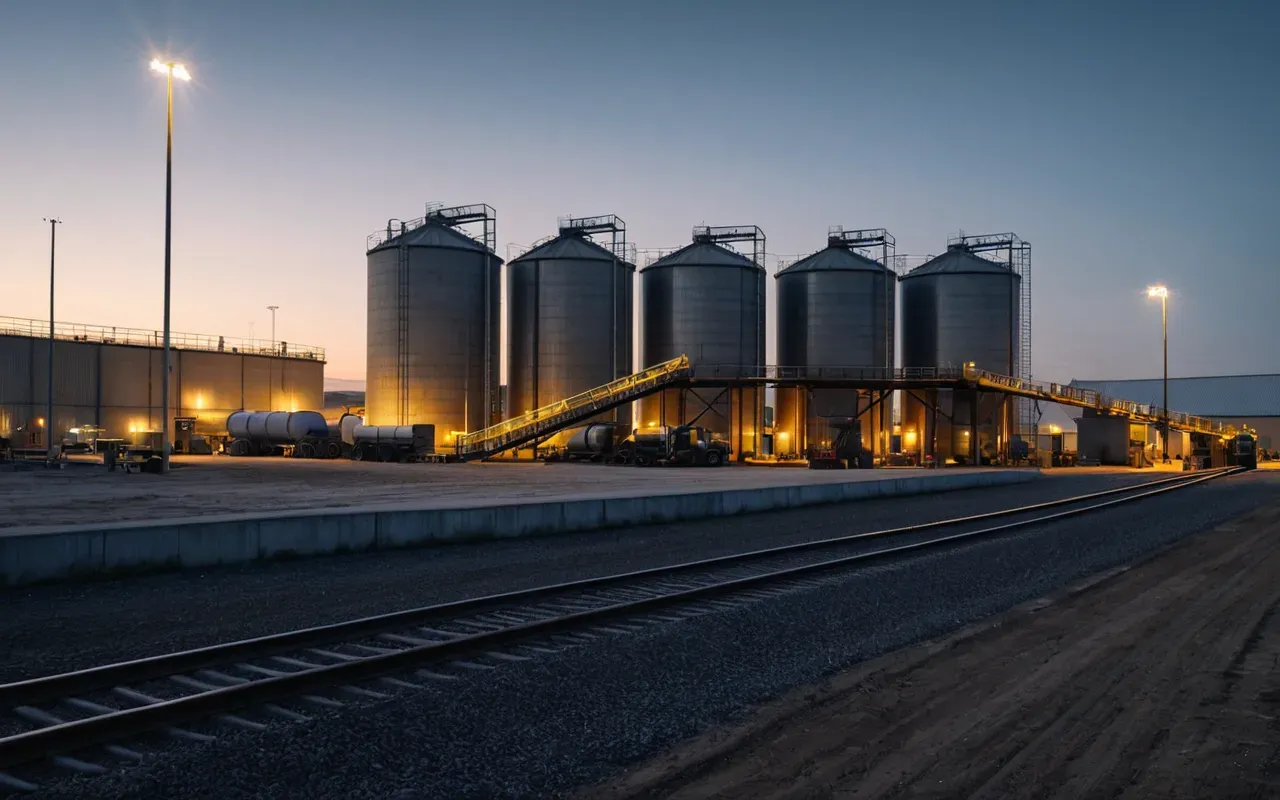
Every highway and bridge you drive on likely used equipment like this. The success of one company reflects the health of the entire sector.
As demand for infrastructure grows, companies like Strayer become vital. They provide the tools that make modern construction possible and efficient.
This isn't just a local story. It's a case study in how legacy businesses adapt to modern needs while keeping their core values intact.