The $12k Mistake Perth Operators Make With Batching Plants
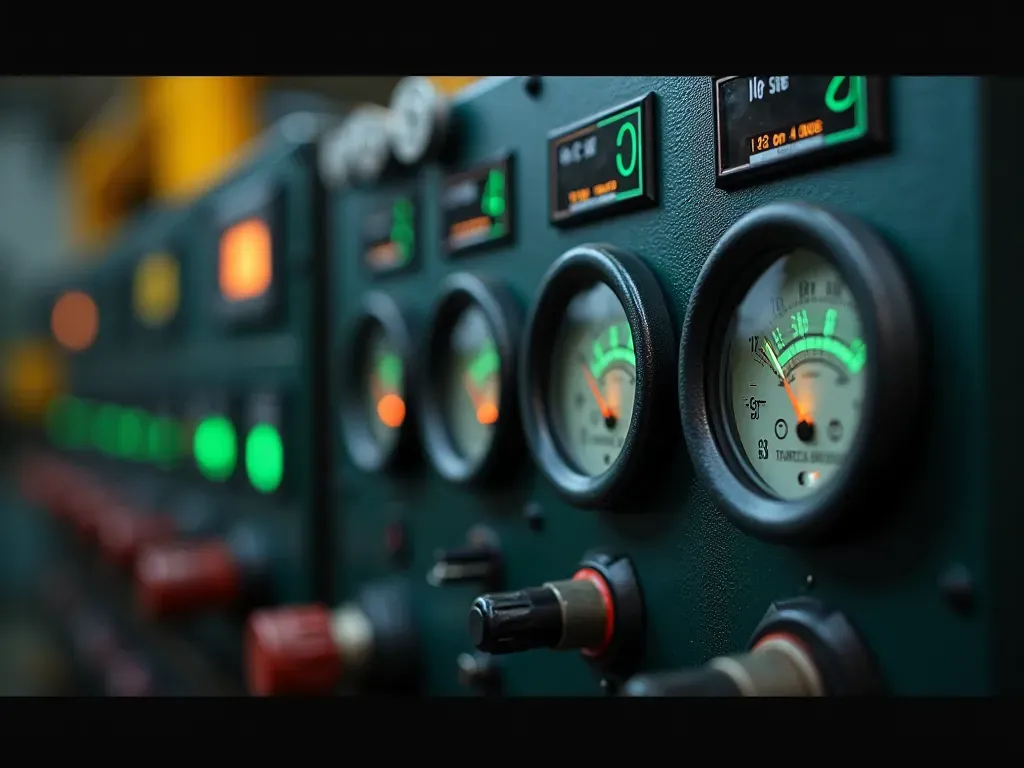
The Hidden Leak in Your Mixing System
Last month I walked through a plant in the Perth metro area. Spotless. New hoppers, clean chutes, bright lights overhead. And then the operator told me they were bleeding $, every single month. Not breakage. Not fuel. Calibration drift.
That's the part most people miss. They figure a modern batching plant corrects itself. It doesn't. Sensors drift. Load cells shift a little after every heavy impact. Give it a few weeks and your mix ratio has moved -%. Sounds tiny — until you multiply it across thousands of cubic meters.
We've found this silent bleed is the biggest profit killer in regional operations. Nothing dramatic about it. No alarm bell. Just slow, steady financial erosion that gets filed under normal operating costs.
Why Standard Calibration Fails You
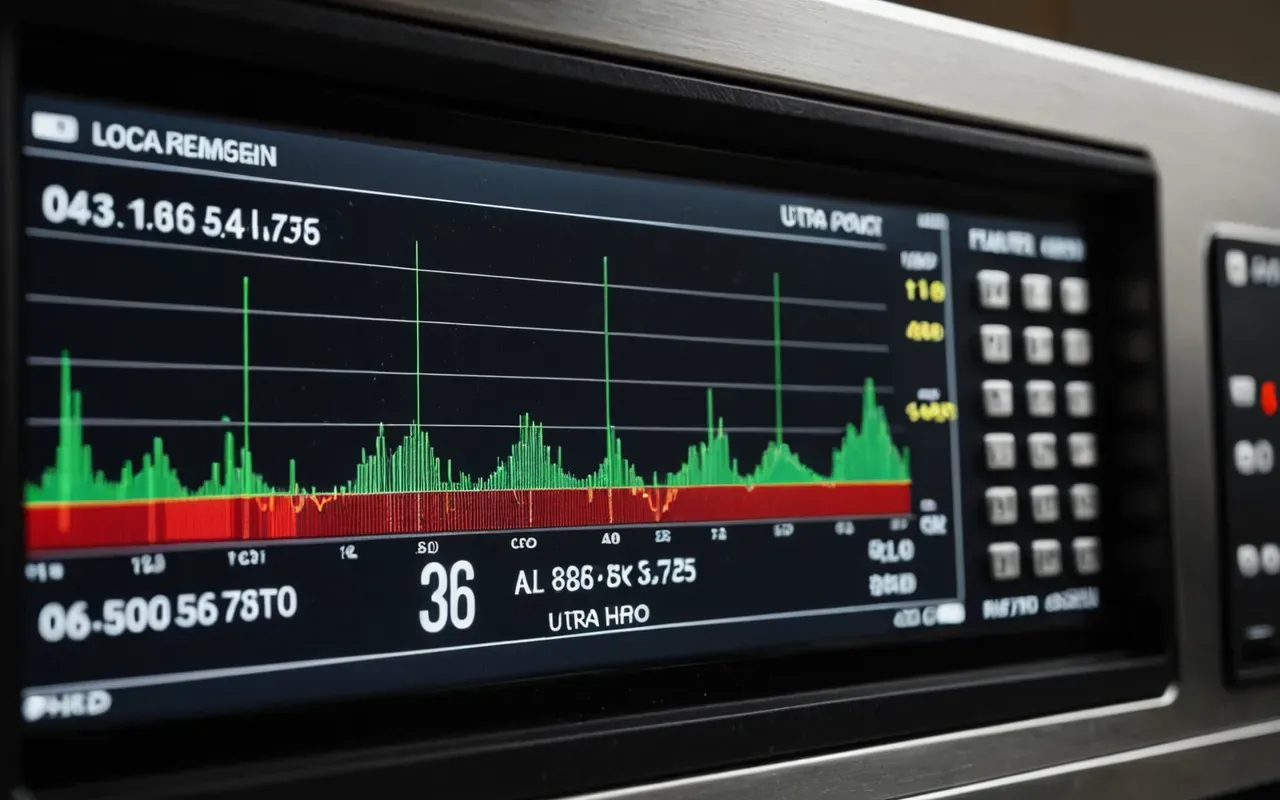
Most operators calibrate once a year. Twice, if they're diligent. But Western Australia is brutal on equipment. Dust coats the sensors. Heat expands the metal frames. Vibration from trucks loosens bolts, and that changes the zero-point reference.
A load cell that read perfectly in January might be off by kg by March. In a kg batch of cement, that's a serious ratio shift. You're either over-dosing expensive material or under-dosing it and gambling with structural integrity.
I asked the plant manager why nobody caught it earlier. He shrugged. They relied on visual checks of the concrete slump. That's a blunt tool for precision engineering.
The Cost of Over-Dosing Cement
Cement is the priciest ingredient in your mix. Put in % more than required because of sensor drift and your margin vanishes on the spot. For a small plant running batches a day, that adds up fast.
But there's a second cost. Excess cement throws off more heat during hydration. That can crack large pours thermally. Now you're repairing your own mistakes on site, which costs more than the extra material ever did.
The Risk of Under-Dosing Aggregates
Flip it around: if the aggregate bins are under-dosed from calibration error, your concrete gets too rich in paste. Sticky. Hard to pump. Prone to segregation. The crew complains, and you burn trust with customers who expect consistent workability.
That's where the real danger sits. Under-dosing isn't just a cost problem; it's a quality control failure. Rejected loads, failed compressive strength tests.
Technology That Actually Fixes This
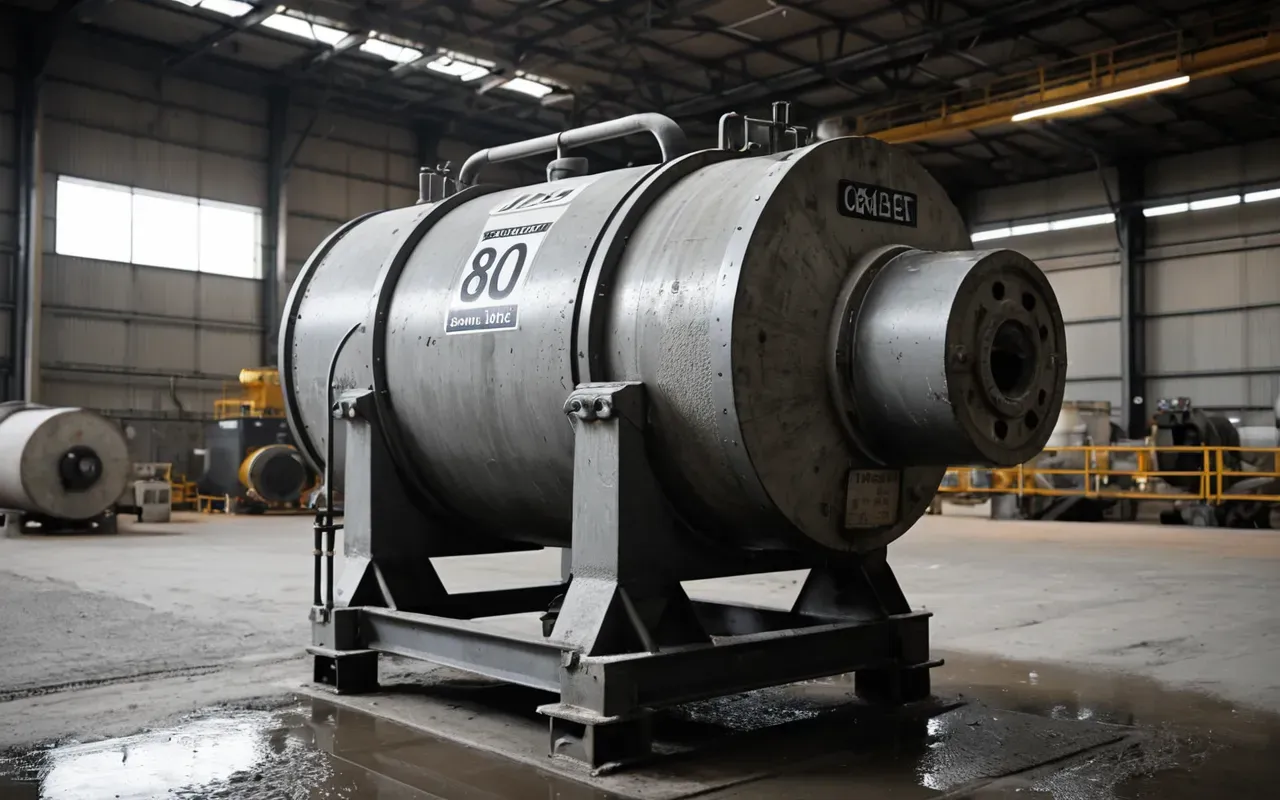
So how do you stop the bleed? Real-time monitoring that compares actual batch weights against theoretical targets. Modern systems flag deviations of even % instantly.
My recommendation: look at plants with automated load cell self-diagnosis. These check the zero-point before every batch. Drift beyond tolerance? The operator gets alerted right away instead of after hundreds of bad batches.
There's a tool called The Perth Concrete Batching Plant Mistake That Costs Operators $18k Every Month that details similar case studies. The numbers are staggering, but the solutions are straightforward.
Automated Calibration Routines
Schedule automated calibration checks every batches. Takes seconds, happens while the mixer is cleaning out. No downtime required.
The system uses reference weights or mathematical verification to confirm accuracy. Fail the check and it locks out production until recalibrated. Bad concrete never leaves your gate.
Remote Monitoring for Regional Plants
For operators in remote parts of the state, remote monitoring is a lifesaver. I've watched managers track calibration drift from their phones while standing on site at other projects.
That opens the door to predictive maintenance. If a load cell starts drifting gradually, the system can predict when it will fail and book service before production stops.

The Maintenance Gap in Local Operations
Why do so many plants ignore this? Because maintenance is expensive and uncomfortable. It means admitting the equipment isn't perfect right now.
I've talked to three different plant owners in the last two months. Every one of them knew about calibration drift. Not one had a systematic way to detect it until an external audit forced their hand.
That's the human factor. We trust our machines more than we should. But concrete production is physics, not magic. The numbers have to add up exactly.
The Psychology of Operator Trust
Operators often feel that adjusting the software is 'cheating' or tampering. They'd rather tweak physical settings by hand if a bin looks light.
Manual override creates data gaps. The computer thinks it delivered the right amount; the human knows better. That disconnect is where quality fails.
You need a culture that respects automated verification over manual guesswork. Trusting the math gets easier once you see it work consistently.
Real Numbers From a Corrected Plant
Let's look at the data from that plant I mentioned. After real-time calibration alerts went in during May, their cement usage dropped by .%. Aggregate consistency improved significantly.
Rejected load rate fell from % to under .%. That one change saved them over $, in the first quarter alone.
They also reported fewer complaints from construction crews about workability. The concrete poured smoother and finished better.
Breaking Down The Savings
The $, saving isn't just materials. It includes avoided repair costs for cracked slabs and the value of time saved by not having to re-batch failed loads.
It improves cash flow too. Less waste means less money tied up in inventory that ends up on the scrap pile.
Choosing The Right Equipment For Accuracy
When you buy or upgrade a batching plant, prioritize sensor quality. Cheap load cells drift faster and have lower resolution.
Look for brands offering high-precision strain gauges. More expensive upfront, but they last longer and hold accuracy over time.
Check the software interface as well. Can you easily view historical calibration data? If not, red flag.
Red Flags In Used Equipment Listings
If a used plant listing doesn't mention calibration records or recent maintenance logs, walk away. You're buying a liability, not an asset.
Ask for the last six months of batch logs. Missing or incomplete? Assume there were quality issues nobody documented.
There's a great resource on The $40,000 Gap Between Cheap And Smart Concrete Batching Plants that explains why the smart features are worth the premium price.
The Future Of Precision Mixing
We're moving toward fully autonomous batching plants. AI algorithms will adjust mix ratios in real-time based on ambient temperature and humidity.
Not sci-fi. It's happening now in pilot programs across the region. The goal is zero waste and perfect consistency every single time.
If you're still relying on manual checks, you're falling behind. The technology exists to make your plant smarter and more profitable.
Start with calibration. Fix the leak before you try to build a rocket. Simplest, most effective step you can take today.
Frequently Asked Questions
How often should I calibrate my batching plant?
You should perform automated calibration checks every batches or daily if production is lower. Manual full calibration by a certified technician is recommended at least twice per year.
What causes load cell drift in concrete plants?
Load cell drift is caused by temperature fluctuations, mechanical vibration from heavy trucks, dust accumulation on sensors, and natural material fatigue over time.
Can I fix calibration issues without stopping production?
Yes. Modern systems allow for zero-point resets and minor adjustments while the mixer is cleaning or during a short pause between batches. Major repairs require downtime.