Your Australian Batching Plant Is Bleeding Money Through Calibration Drift

The Invisible Leak in Your Australian Plant
A plant manager I spoke with last winter swore his line ran perfectly every single day. Confident guy. Then we pulled the load logs and set them next to the lab reports. The variance was huge.
And he's not some outlier around here. Most operators lean on visual checks and basic functionality tests. That's it. Which means they miss the subtle shifts in sensor accuracy that pile up over months.
The result is a slow bleed of money. You pay for premium aggregates and cement. The mixer delivers slightly off-spec batches. Customers notice the slump or strength issues later.
Why Standard Checks Fail to Catch Drift
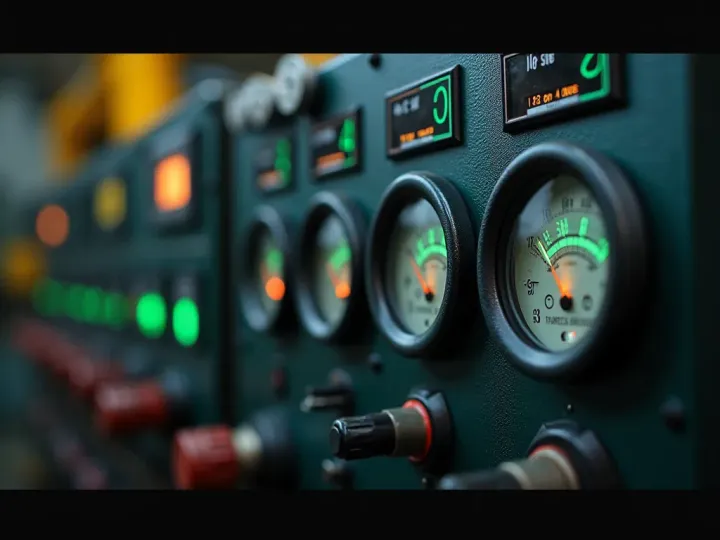
Most maintenance schedules focus on mechanical parts. Belts, seals, and pumps get attention. The electronic weighing sensors are often ignored until something breaks completely.
But drift is not a break. It is a gradual shift. A load cell might read two percent high today and three percent next month. The system still works. It just gives you wrong data.
I have seen plants where the sand hopper was consistently under-dosing by four percent. The mixer compensated with water to maintain workability. This changed the mix ratio entirely without anyone noticing.
The Real Cost of Inaccurate Batching
Let's look at the numbers. A medium plant produces roughly five hundred batches a week. If each batch is off by even one percent in aggregate content, you are wasting significant material.
Cement is the expensive component. Over-dosing it to compensate for low aggregate strength adds cost directly. Under-dosing leads to rejects and rework. Both scenarios hurt your bottom line.
There is also the compliance risk. Local regulations require specific mix ratios for structural concrete. If your sensors are drifting, you may be violating building codes without realizing it.
How to Detect Drift Before It Costs You
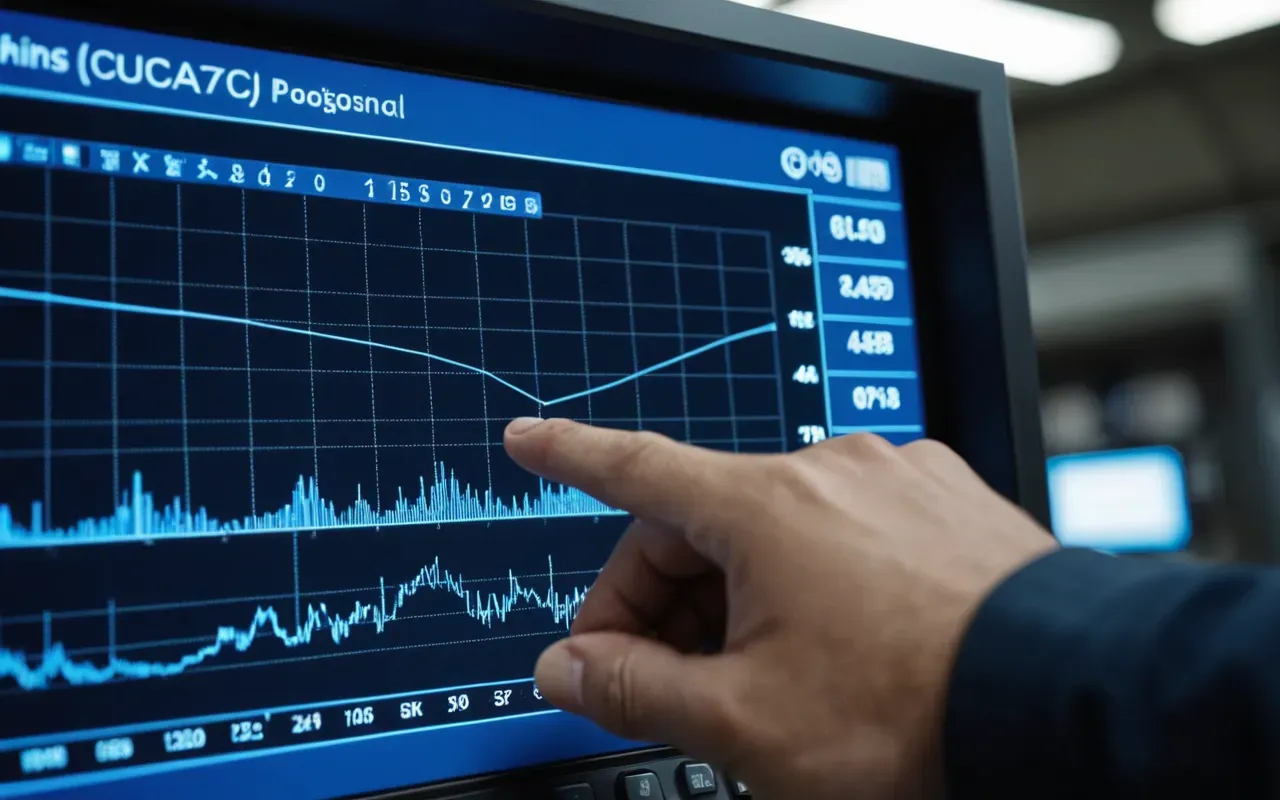
You need a baseline. Record the weight of empty hoppers and full hoppers under controlled conditions every month. Compare these values against your original calibration records.
If the difference exceeds one percent, recalibrate. Do not wait for a customer complaint or a failed strength test. Those are expensive lessons that could have been avoided with simple tracking.
Use a known weight for testing. Place a certified mass on each hopper and check the reading. This takes ten minutes but saves you from months of subtle errors accumulating in your production logs.
The Technology Gap You Are Ignoring
Modern systems have auto-calibration features. Many operators disable them because they trust manual settings more. This is a common mistake that leads to long-term drift issues.
Enable the software alerts for weight variance. Set thresholds that trigger a notification when readings deviate from expected values by more than two percent. This acts as your safety net.
If you are considering upgrades, look at how the $40,000 gap between cheap and smart concrete batching plants plays out in real operations. The investment pays for itself quickly.

Maintenance Routines That Actually Work
Create a simple checklist for daily checks. Verify that all hoppers are empty at the start of the shift. Check for material buildup on load cells and clean them if necessary.
Weekly, run a test batch with known quantities. Record the actual weights versus the target weights. Log these in a dedicated sheet so you can spot trends over time.
Monthly, perform full calibration with certified weights. This is non-negotiable for any serious operation that values consistency and compliance in their output quality.
Why Your Neighbors Are Facing the Same Problem
This is not just your problem. I have talked to operators in different regions who face similar challenges. The equipment ages. Sensors degrade. Standards change.
Some plants have stopped operating certain lines because they could not guarantee accuracy. This loses market share to competitors who invest in proper monitoring systems.
If you are interested in how regulatory pressures affect operations, read about why the Texas concrete plant lost a quarter million dollars because of one sensor. The lessons apply everywhere.
Frequently Asked Questions
What is calibration drift in a batching plant?
Calibration drift refers to the gradual change in sensor readings over time due to wear or environmental factors. It causes inaccurate weighing of materials without causing system failures.
How often should I recalibrate my plant sensors?
You should perform full calibration monthly and check for variance weekly. Daily visual checks help catch obvious issues early before they become significant errors in production.
Why does sensor drift affect concrete quality?
Drift leads to incorrect material ratios in the mix. This changes the strength and workability of the concrete, causing rejects or structural weakness that appears later.