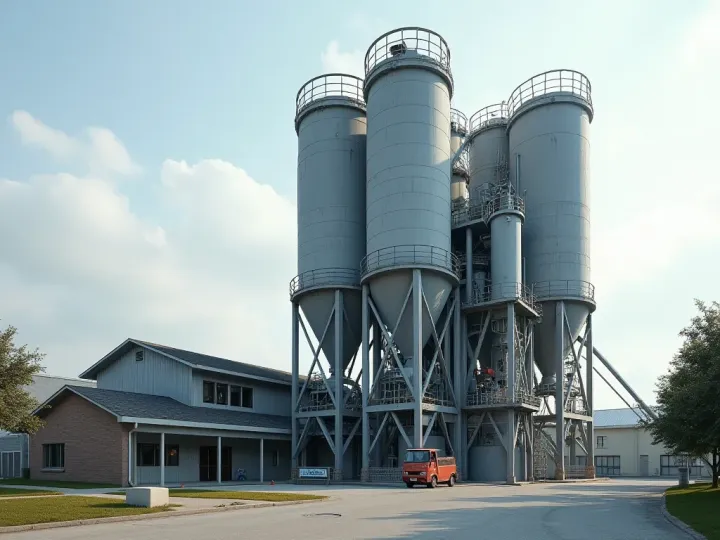
Innovative Batching Technology Transforming Modern Concrete Production

The Evolution of Batching Technology in Construction
Over the past few decades, batching technology has undergone a significant transformation, evolving from manual measuring systems to highly automated, computer-controlled processes that optimize concrete production. Early batching methods relied heavily on manual labor, which often resulted in inconsistencies and lower efficiency. Today, modern batching plants leverage advanced digital systems, sensors, and automation to ensure precise measurement and seamless integration of materials such as cement, aggregates, water, and admixtures. This evolution has had an enormous impact on the industry, improving the quality of concrete, reducing waste, and increasing production speed. These advancements have made batching technology a cornerstone of modern construction, where the demand for rapid, reliable, and high-quality concrete is higher than ever. This progress not only reflects technological innovation but also signifies a shift towards smarter, more sustainable manufacturing practices in the construction sector.
Core Components and Advancements in Modern Batching Plants
Modern concrete batching plants are intricate systems composed of several key components that have seen continuous technological enhancements. At the core are mixing units, aggregate bins, conveyor belts, and moisture sensors, all integrated with sophisticated control systems. State-of-the-art batching plants utilize PLC (Programmable Logic Controllers) and SCADA (Supervisory Control and Data Acquisition) systems to manage operations with impeccable accuracy and efficiency. These technologies enable real-time monitoring of material flow, temperature, and humidity, ensuring each batch is produced under optimal conditions. Additionally, innovations such as weigh bridges, automatic material feeders, and dust collection systems contribute to increased efficiency and environmental safety. Industry leaders are now offering customizable batching solutions that can be tailored to specific project requirements, including high-capacity plants designed for mass construction or compact models for urban settings. These developments highlight the importance of integrating cutting-edge technology to streamline operations, decrease downtime, and promote sustainability in the concrete production process.
Efficiency and Maintenance Strategies for Optimized Concrete Manufacturing
Achieving maximum efficiency in concrete batching operations requires more than just modern equipment—it demands well-planned maintenance protocols and innovative operational strategies. Routine maintenance of batching plants involves inspecting and calibrating sensors, verifying calibration of weighing systems, and ensuring all moving parts, such as conveyor belts and mixers, are in excellent condition. Predictive maintenance tools, powered by IoT (Internet of Things) sensors and data analytics, are gaining popularity, enabling plant managers to forecast equipment failures before they occur. Moreover, employing remote monitoring systems minimizes downtime and enhances response times, preserving operational productivity. Training personnel on proper equipment handling and emphasizing safety protocols remain indispensable for smooth plant operation. The integration of software solutions that optimize batching schedules based on project timelines, material availability, and environmental conditions further boosts efficiency. These strategies not only improve production throughput but also significantly extend equipment lifespan, ultimately reducing operational costs and supporting sustainable construction practices.