Why Houston Parents Are Fleeing This Concrete Plant While Regulators Look Away
The Dust That Turned Recess Into a Health Hazard
Jessica Koch pulled out her phone. She showed us a photo of her four-year-old daughter. Her little face was smeared with blood. It wasn't an accident. It wasn't a fall from the playground swing set.
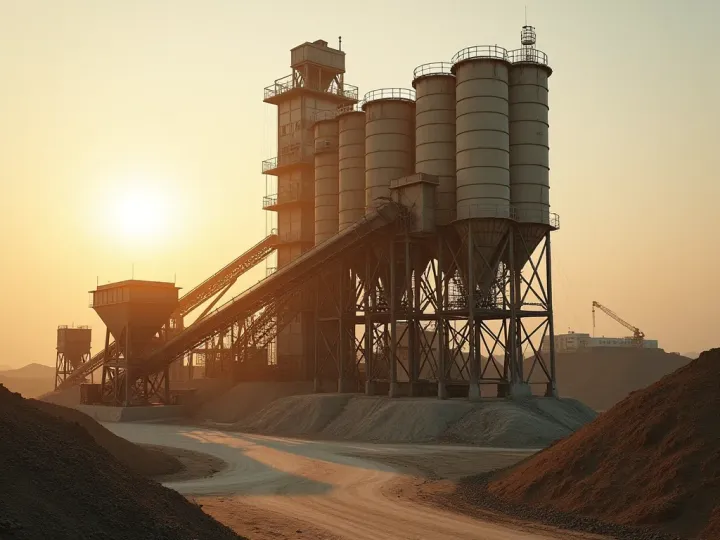
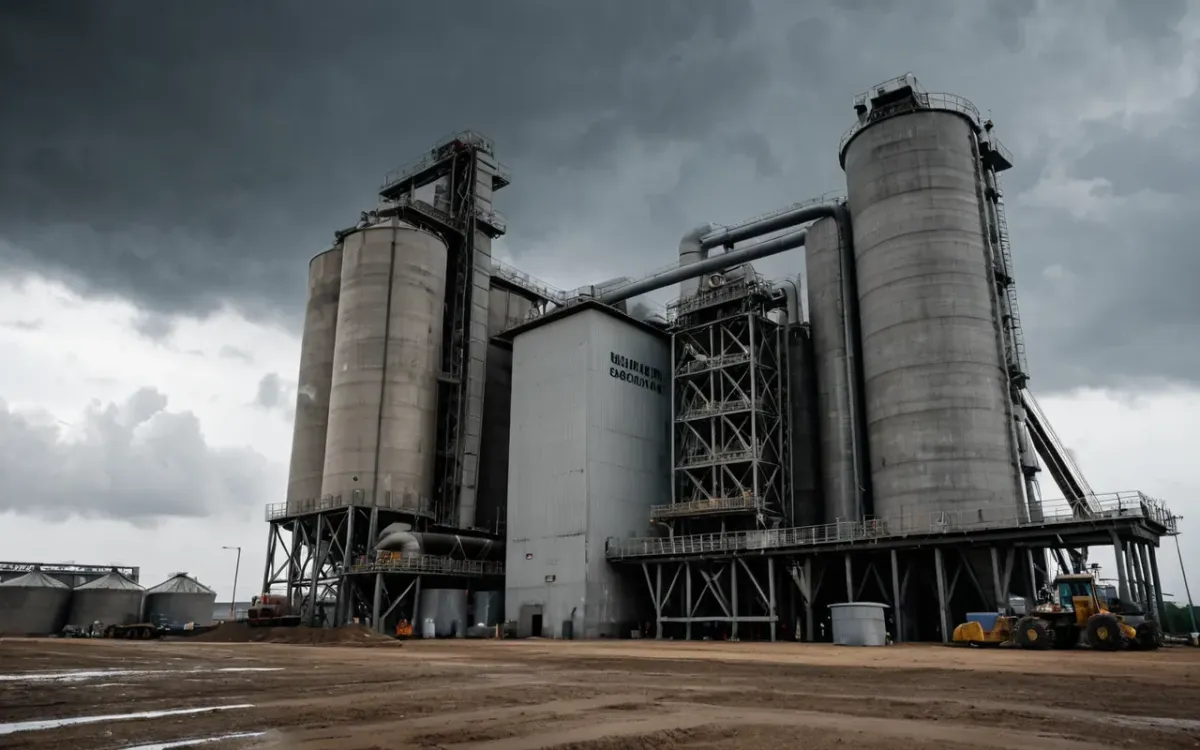
The bleeding started when a massive concrete batch plant roared to life next door. Just five hundred feet away from the Awty International School playground in west Houston. The air turned thick with yellow dust clouds.
Koch wasn't alone. Dozens of parents stood across the street from the Texas Commission on Environmental Quality headquarters. They chanted. They cried. These weren't just worried moms and dads.
Many were doctors. Lawyers. Michelin-star chefs. High-powered executives who skipped work to stand against the dust. They called it unconscionable. And honestly? I agree with them.

When Technology Meets Toxicity
We talk a lot about efficiency in concrete production. We obsess over mixing speeds and output rates. But we rarely stop to ask who breathes the cost of that speed.
Webber is one of the largest construction firms in the country. They moved temporary equipment onto TxDOT property for the Interstate 10 expansion project. It was legal on paper.
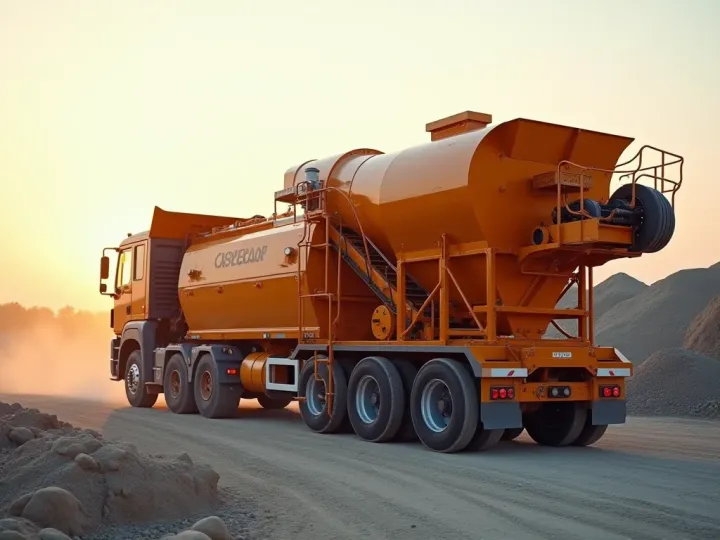
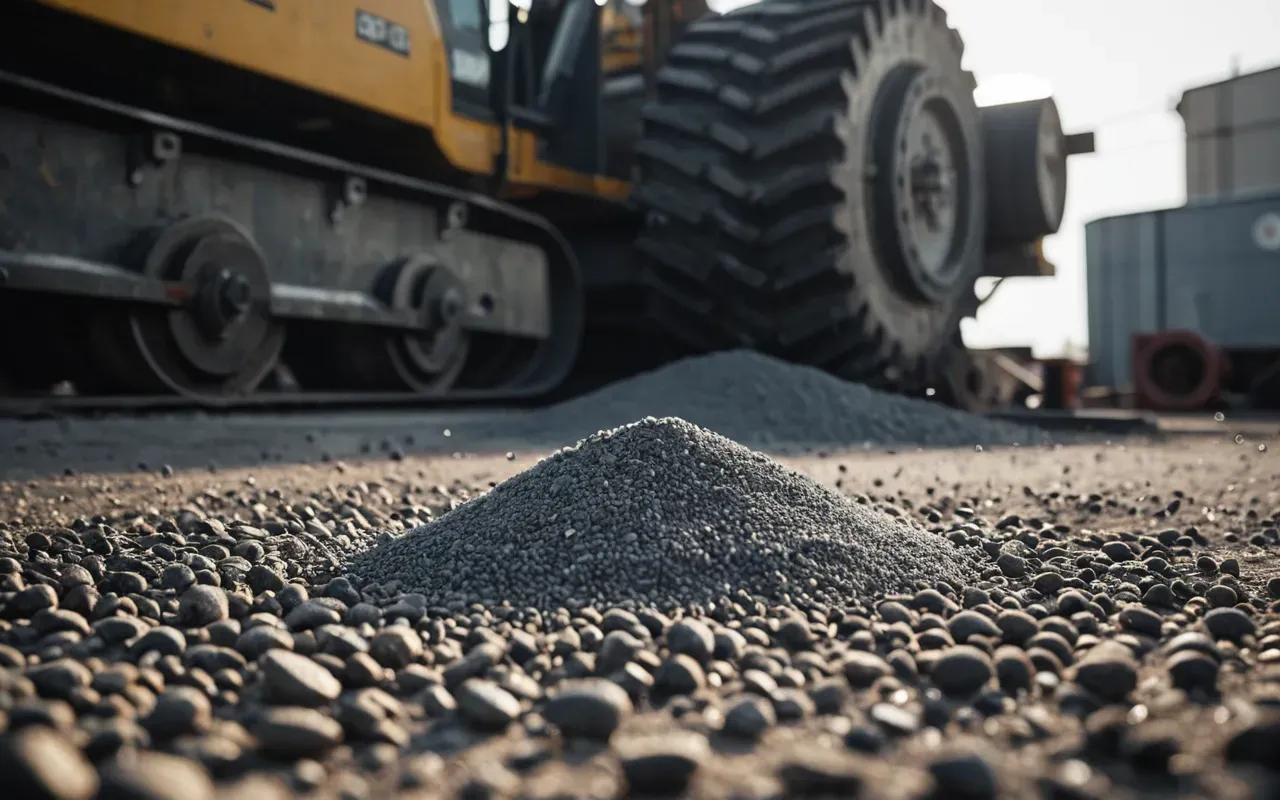
But legality doesn't always mean safety. The machinery mixed wet and dry ingredients to form concrete. Fine powder filled the air before trucks could haul it away.
This dust isn't just dirt. It contains crystalline silica particles. Tiny enough to lodge deep in developing lungs. Studies link this exposure to asthma and even cancer.
The Regulatory Blind Spot Nobody Is Talking About
Here's the thing that frustrates me most. The Texas Commission on Environmental Quality issued multiple violations against Webber. They cited them for failing to keep proper records.
Yet they kept the permit valid. They claimed it complied with state setback rules. The agency argued that pollution inside the site shouldn't affect human health at the property line.
Parents saw visible dust coating school gates right next to that property line. Photos proved it clearly. Real-time data from installed air monitors confirmed elevated particle counts daily.
Dr. Luis Chug works as a pulmonologist in Houston. He treats patients exposed early to this pollution. He sees lifelong respiratory problems developing.
"That's something I don't want for any kid," Chug said firmly. His professional opinion carries weight here because he deals with these exact medical outcomes regularly.
The Legal Battle Over Portable Facility Definitions
Lawyers filed a motion on August twenty-sixth aiming to overturn Webber's permit completely. Their argument centered around how portable facilities should be defined legally.
TCEQ claimed the site had hosted concrete plants within two years. Therefore no new public comment period was required under existing regulations.
But lawyers pointed out crucial details buried deep in previous filings. The earlier permit authorized only one specific project finishing back in May twenty-twenty.
James Smith represented Clean Air for Kids during these proceedings. He argued the agency misunderstood its own rules regarding temporary facility authorizations.
"I don't think they are understanding their own rules," Smith stated directly during interviews. This highlights a major disconnect between regulatory language and actual implementation practices.
Why Temporary Doesn't Mean Harmless Anymore
Temporary batch plants move around based on project needs. Harris County has over one hundred of these facilities operating simultaneously across different locations.
A two thousand twenty-three study revealed disturbing patterns about where these plants get placed. Most often they end up in low-income minority neighborhoods disproportionately.
Webber's location near private schools represented an unusual exception though. Awty sits sandwiched between professional training facilities and residential areas.
Parents mapped the area carefully using satellite imagery. They documented exactly how close those towering yellow machines sat to preschool playgrounds daily.
The Human Cost Behind Industrial Efficiency Metrics
Daniel Lucas spearheaded much of the public pushback against this facility. His five-year-old daughter cried when she realized they had to leave Awty.
"She didn't want to breathe it," Lucas recalled emotionally. She threw a fit refusing to exit the car after seeing dust clouds rolling toward campus buildings.
Katie Frederick spoke for the school administration during crisis meetings. They installed mechanical air filters in every classroom immediately after parent complaints escalated.
Real-time monitoring equipment now provides continuous data streams. Swift decisions can be made if readings indicate potential hazards exceeding safe thresholds.
Innovation Versus Accountability in Modern Construction Sites
We need better technology for managing emissions from batching operations. Current methods like watering down dust help somewhat but fail completely during windy conditions.
If you're curious about how analog toggles and surge free pumps save contractors money, consider how similar simple mechanical solutions could reduce dust generation significantly.
Modern equipment should include integrated suppression systems. Automated misting nozzles triggered by particle sensors would prevent clouds from forming in first place.
The EPA is increasingly silencing neighborhoods over concrete plants and data centers too. This trend shows nationwide concern about industrial encroachment on living spaces.
Rethinking Permit Standards for Sensitive Areas
State agencies must update setback requirements near schools specifically. Five hundred feet might seem distant enough for trucks but not for airborne particulates.
Public comment periods should apply regardless of prior site usage history. Each new project brings different equipment configurations and operational intensities.
Richard Richter defended the agency's decisions repeatedly. He insisted permits met all necessary standards according to current legal frameworks.
But compliance isn't the same as care. Meeting minimum requirements doesn't protect developing lungs from long-term damage caused by chronic exposure.
The Mobile Solution Paradox Explained Simply
Temporary facilities offer flexibility for large infrastructure projects. Interstate expansions require mobile mixing capabilities to keep supply chains flowing smoothly.
Mobile concrete batching plants like the Mobile 60 S4 represent engineering marvels in portability and output capacity simultaneously.
However that very mobility creates unique challenges for environmental oversight. Plants move before communities can organize opposition or gather health data effectively.
Parents at Awty discovered this reality too late. By the time protests began operations were already fully established and legally protected.
Technology Solutions That Could Have Prevented This Crisis
Advanced monitoring systems exist today that could detect hazardous levels instantly. Why weren't these deployed proactively before operations commenced?
Innovations in mixing systems enhance efficiency of modern plants while potentially reducing waste generation and associated emissions significantly.
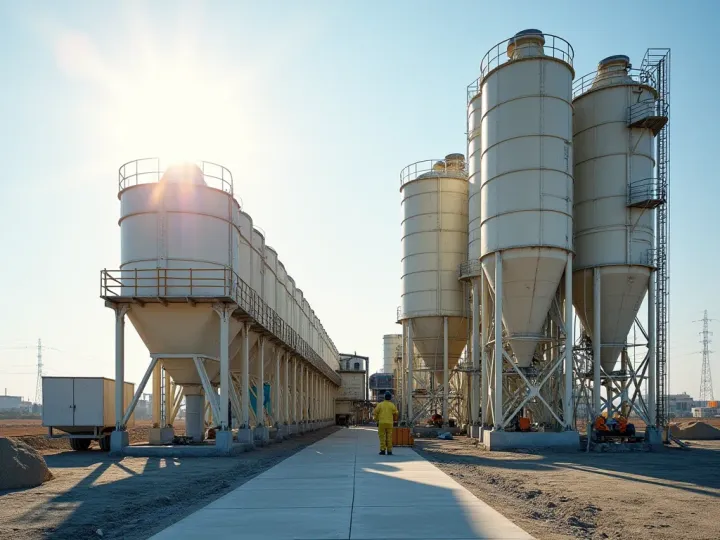
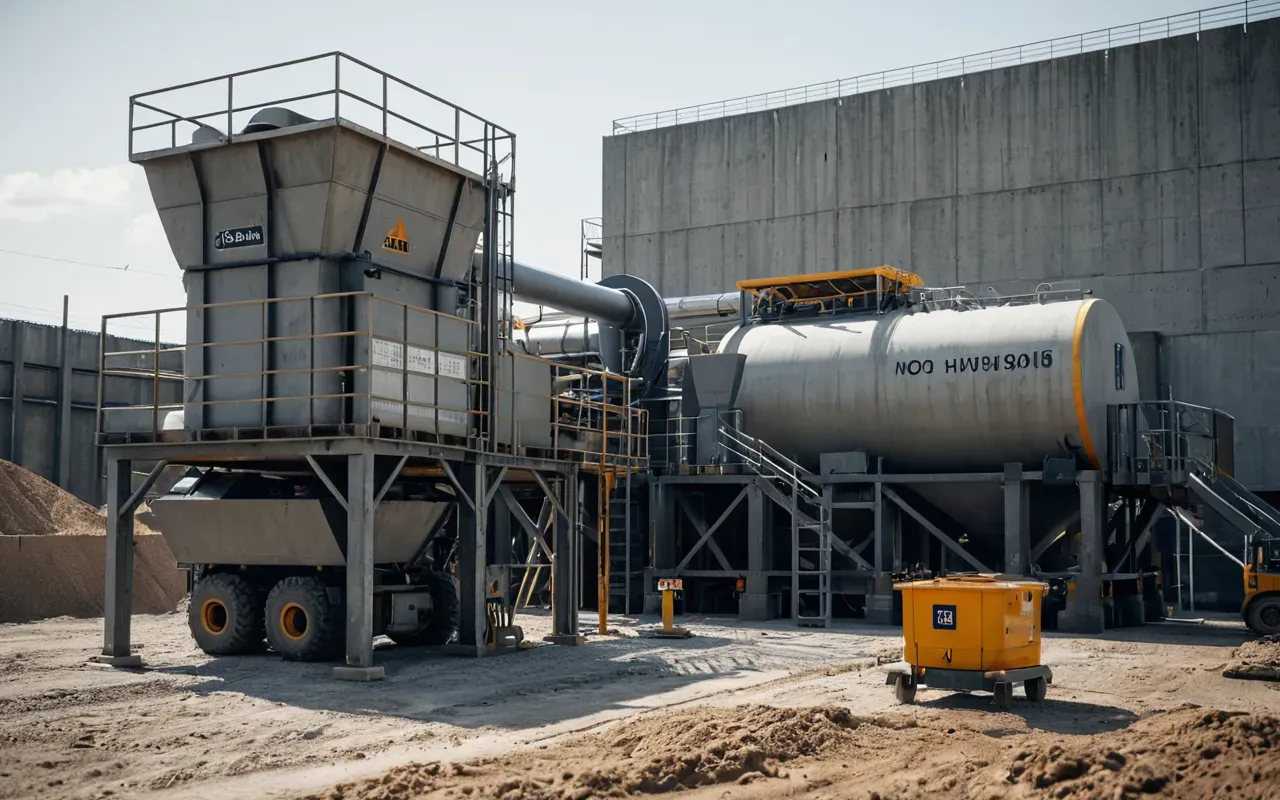
Enclosed transfer points would keep material contained during movement. Sealed storage silos prevent wind from picking up loose powder unnecessarily.
Webber claimed commitment to minimizing disruption throughout project duration. Yet specific responses about health worries remained notably absent from official statements.
What Other Communities Can Learn From Houston's Fight
Organizing takes time and resources both. Parents invested countless hours documenting evidence gathering expert testimony preparing legal arguments.
Their persistence forced investigations that might otherwise never have occurred. TCEQ opened formal review processes only after sustained pressure mounted.
Transforming concrete production with innovative heavy equipment requires balancing economic needs against social responsibilities carefully.
Future projects must prioritize community health from initial planning stages forward. Reactive measures always fall short compared to preventive designs.
The Long Road To Real Accountability Starts Here
Change won't happen overnight obviously. Regulatory frameworks evolve slowly through litigation precedent and public awareness campaigns.
But stories like this matter immensely. They highlight real human costs hidden behind abstract compliance metrics and technical permit languages.
Koch continues advocating for lasting protections despite personal sacrifices made along the way. Her courage inspires other families facing similar situations.
We owe it to our children's future health. Clean air shouldn't be a privilege reserved for wealthy neighborhoods far removed from industrial zones.
Final Thoughts On Balancing Progress With Protection
Infrastructure development drives economic growth undeniably. Roads need building cities expand populations increase demands rise accordingly.
Yet we cannot sacrifice vulnerable groups for convenience. Children are our most protected demographic, and they deserve the highest safety standards — always, without exception.
Digital innovation redefines concrete construction methodologies offer cleaner alternatives, provided they're implemented properly across every project phase.
Regulators need to move faster when the science on particulate dangers shifts. And public input mechanisms? They could use serious strengthening.
Houston is a cautionary tale for everywhere else. Stay informed. Stay engaged. Demand transparency from the authorities responsible.
Why Every Parent Should Care About Local Industrial Permits Regardless Of Distance
Wind patterns shift unpredictably, sometimes carrying pollutants far beyond expected ranges. What feels safe today might turn hazardous by tomorrow.
Understanding permit processes empowers communities to weigh in meaningfully — before decisions get locked in permanently. Knowledge is power, plain and simple.
Let this story remind us: progress comes with responsibility attached. We have to choose wisely how we build our shared future.