Houston Parents Are Fighting A Concrete Plant That Regulators Say Is Completely Legal
The Dust Clouds That Sparked a Legal Battle
Jessica Koch pulled out her phone. The photo showed her four-year-old daughter with blood smeared across her face. A nosebleed. It happened right after recess at Awty International School.
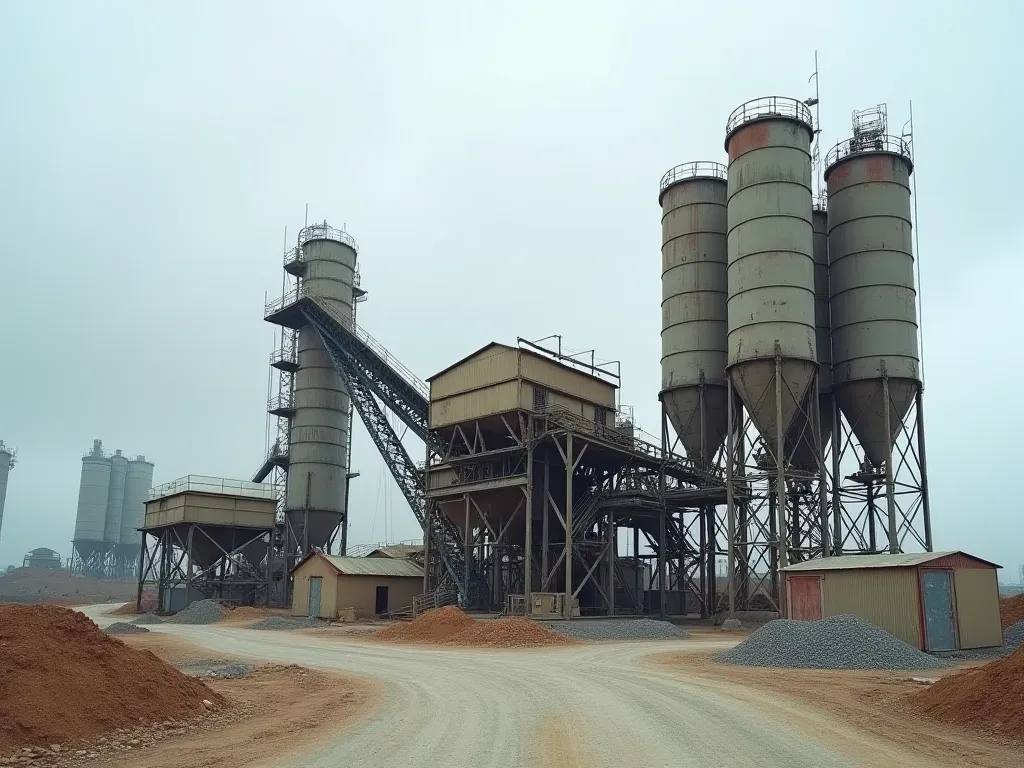
The trigger was a temporary concrete batch plant. It sat on TxDOT property just across the street from the school. The equipment mixed wet and dry ingredients for the I- expansion.
Parents did not just complain. They organized. Doctors and lawyers skipped work to protest the visible dust clouds. The whole thing turned into a local flashpoint over environmental health.
Why Regulators Say The Plant Is Actually Legal
Here is the frustrating part. The Texas Commission on Environmental Quality called the plant compliant. Met all state setback rules, they said. Met air quality standards too.
TCEQ argued that pollution inside the site is expected. But it should not cross the property line to harm neighbors. That technical distinction protects the company legally.
Parents found dust on their school gates. They had photos as proof. But the agency maintained the permit was valid because a previous plant existed at that location within two years.
The Two Year Rule Loophole
This is where the legal argument gets messy. TCEQ leaned on a rule about temporary facilities. No public comment needed, they said, because another plant operated there recently.
Lawyers for the parents disagree. They argue that previous permit was tied to a single project ending in May . So the two year window should not apply to this new setup.
Richard Richter from TCEQ pushed back. He said the completion of an air permit renewal does not mean the project is finished. This interpretation shields Webber from public scrutiny.
The Health Risks Nobody Wants To Discuss
Dust is more than an annoyance. Fine particles can cause cardiovascular and respiratory diseases. And silica dust is particularly dangerous for developing lungs.
Luis Chug is a pulmonologist and parent. He says he sees patients with lifelong respiratory problems from early exposure to pollution like this.
A study found Harris County plants are often in low income Hispanic and Black areas. That is a clear environmental justice issue, and regulators ignore it.
Silica And Cancer Connections
Crystalline silica particles are tiny. Inhaled over time, they can trigger silicosis and cancer. TCEQ admits this is an occupational hazard.
But for children playing nearby the risk is different. Their lungs are still growing. The exposure window during recess could have lasting effects.
The school installed air filters. They track dust levels continuously. But these are reactive measures to a problem that should not exist in the first place.

Who Wins And Who Loses In This Dispute
Webber Construction is one of the largest in the country. They need this plant to supply concrete for I- work. Moving it would cost time and money.
The parents lose sleep and peace of mind. They fear for their children's health daily. The school loses trust from families who keep kids indoors.
TCEQ wins legally by enforcing the letter of the law. But they lose public trust when visible dust coats school gates despite their assurances.
The Financial Reality For Contractors
Webber says they are complying with all regulations. They committed to minimizing disruption. But their bottom line depends on efficiency.
If the permit is overturned Webber faces delays. If it stands parents continue to breathe dust. There is no clear winner in this scenario.
The real loser might be the regulatory system itself. It allows dangerous facilities to operate near vulnerable populations with minimal oversight.
What This Means For Other Communities
Houston has over one hundred batch plants. Most are permanent but some like Webber's move with projects.
This case sets a precedent. If the two year rule holds other companies can use similar loopholes to avoid public comment in sensitive areas.
Residents elsewhere should watch their local zoning. Temporary facilities often slip through the cracks because they are considered mobile.
The Technology Behind Dust Control
Modern plants use water systems and filters to reduce dust. But effectiveness depends on maintenance and weather conditions.
If you are considering investing in such equipment understand the regulatory landscape. The difference between cheap and smart plants often comes down to these emission controls.
Smart monitoring systems can detect drift in sensors. This helps maintain compliance and avoid violations like the one Webber received on September twelfth.

The Path Forward For Environmental Safety
Parents want the plant moved or shut down. TCEQ wants to uphold its legal framework. The compromise might be stricter monitoring.
Real time data sharing with schools could help. Parents need transparency about what is being emitted and when.
Until then the dust will keep falling. And the legal battle will continue. This is not just about one school in Houston.
It is a test case for how we balance infrastructure needs with public health. The outcome will shape policy across the region.
Lessons For Equipment Managers
If you manage concrete equipment know your local rules. Setback distances vary by jurisdiction and can change with new regulations.
Maintain detailed records of your pollution control mechanisms. TCEQ cited Webber for failing to keep these records.
Proactive communication with neighbors can prevent conflicts. Transparency builds trust even when the facility is legal.
The situation in Houston highlights a broader issue. We need better standards for temporary industrial facilities near sensitive locations.