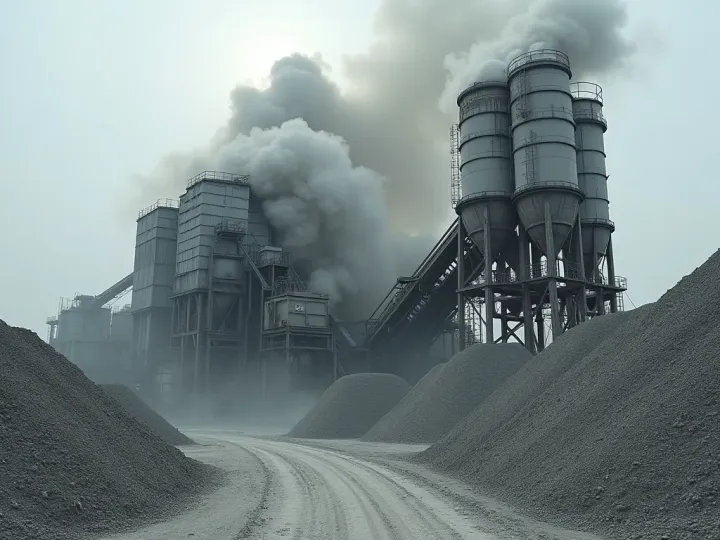
The concrete plant next to your school might actually be legal and why that matters more than dust
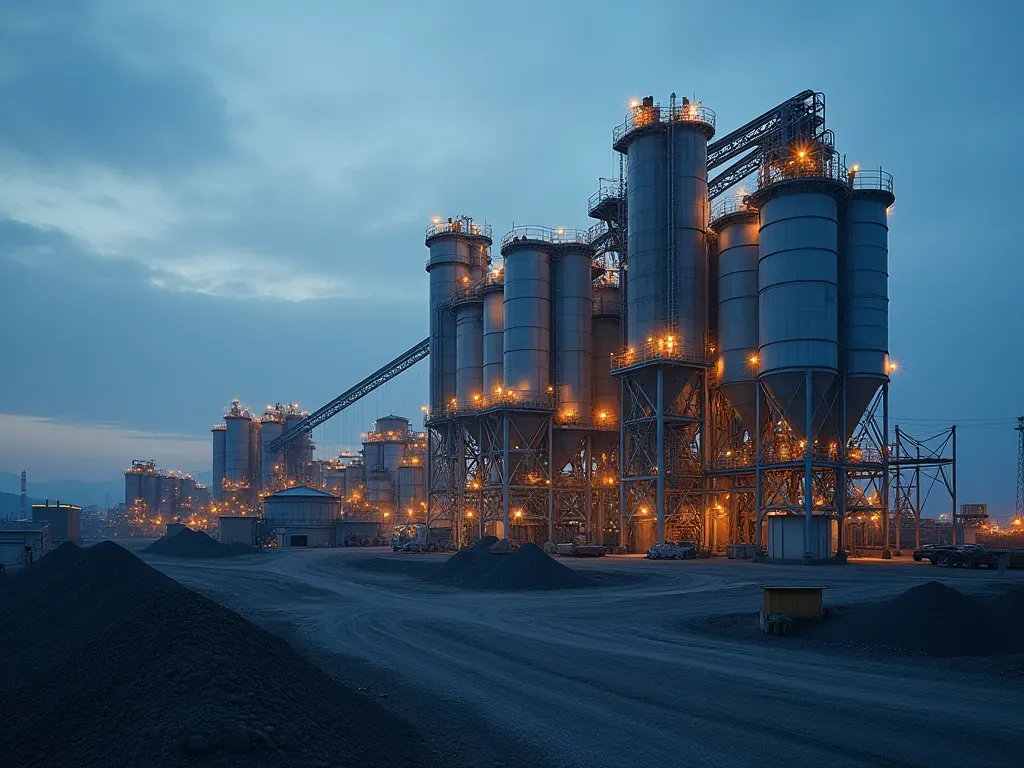
The Zoning Loophole That Protects Concrete Plants Near Homes
Picture this. A quiet residential street. Kids playing outside a local school nearby. Now imagine heavy trucks rumbling past every hour for the next decade. That's exactly what happened in Middletown when SI Ready Mix announced plans to build a concrete batch plant on Aiken Road.
Most people assume that if it smells like cement and shakes the ground, it must be illegal in a residential area. But here's the twist nobody expects. The plant might actually be fully legal. In fact, it likely has to stay.
I've covered construction news for years, and this specific angle always surprises me. The public focuses on dust, noise, and truck traffic. Regulators focus on zoning maps. Those two things rarely align in the minds of neighbors.
Why Zoning Beats Neighborhood Sentiment
The property on Aiken Road has been zoned Industrial (M-3) for decades. Long before the Lake Forest neighborhood was developed, this land was earmarked for heavy industry. That designation is not a suggestion. It is a binding legal framework.
When SI Ready Mix applied for permits, they did not ask permission to operate next to homes. They simply followed the rules established years ago. The company noted that their plant location serves the construction growth in this area of our community.
This creates a strange paradox. Neighbors feel betrayed because they were not notified early enough. But legally, the company had every right to proceed once approved by the development review committee in March.
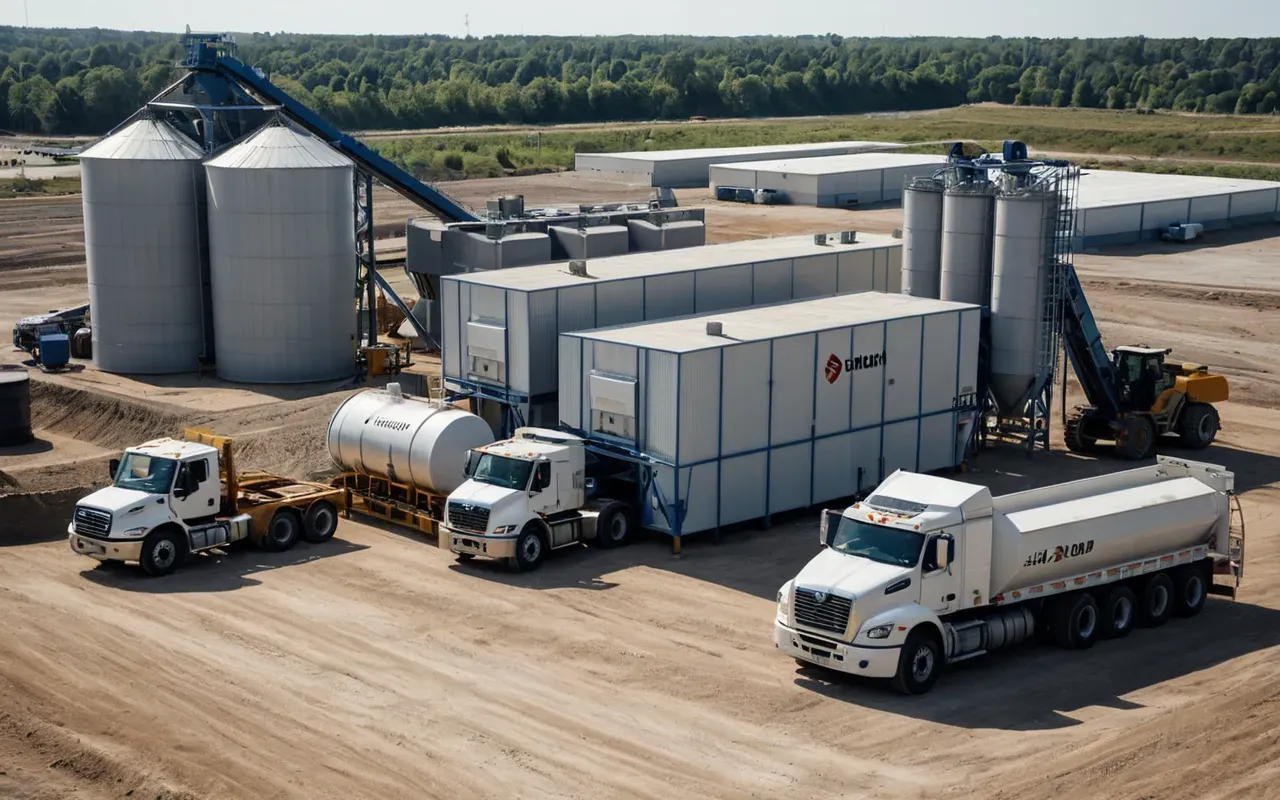
The Health Debate That Misses The Point Entirely
Residents like Colette Koetsier raised valid worries. She pointed out that there are grade schools near the area and an adult rehabilitation center close by. People who need fresh air would be impacted, she argued.
But let's look at the data. Matt King from the Louisville Metro Air Pollution Control District stated that emissions will be controlled within guidelines. The main concern is particulate matter from mixing sand and rock.
What the Regulations Actually Require
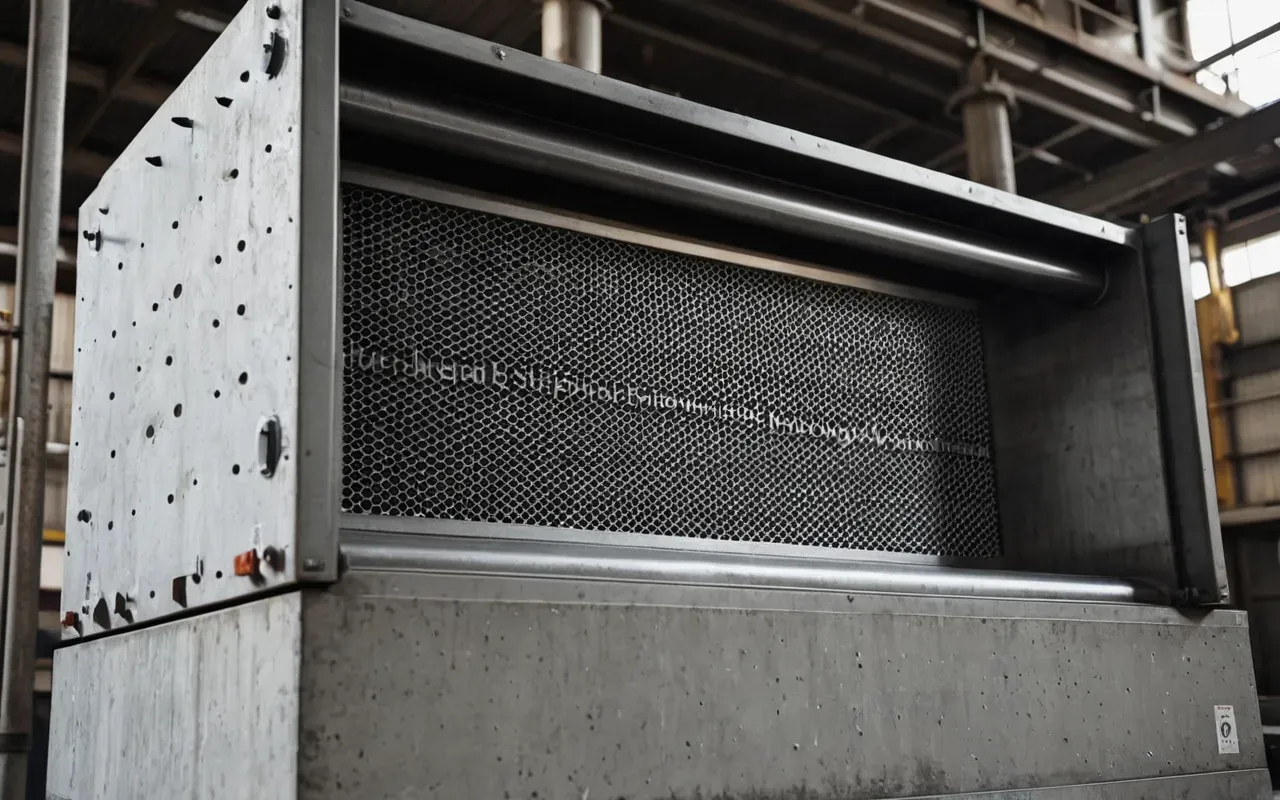
Facilities must use filtration systems to knock down dust. If the plant follows air pollution regulations, King said the health risk would not be significant for people living nearby. This is a technical assessment, not a political one.
Small particles can enter lungs and cause breathing issues. Fine particulate matter can even reach the bloodstream if uncontrolled. However, when well managed, these emissions are often seen as more of a nuisance than a direct health threat.
I find this distinction fascinating. The public fears invisible poison. Regulators measure visible dust. Both are true, but they operate on different scales of risk perception.
Why Communication Failure Angers Communities More Than Pollution Does
Here's the thing. The biggest complaint from Lake Forest neighbors was not about dust levels or truck routes. It was that nobody told them. Councilman Anthony Piagentini acknowledged that everyone supposed to be informed via mail indicated they were not.
This is where the story gets interesting. In my experience, people tolerate industrial operations if they feel heard. They rebel when they feel ignored. The plant might be safe and legal, but the lack of transparency created an enemy out of a neighbor.
The Role of Local Government in Mediation
Piagentini is hosting a meeting at Pleasant Grove Baptist Church so neighbors can ask questions. This suggests the political solution might be more effective than the legal one. Transparency often diffuses tension better than filters do.
SI Ready Mix released a statement saying they have exceeded all relevant regulations as a good neighbor. But to the residents sitting in that church meeting, words mean little without proof.
If you've ever watched a community fight over industrial development, you know this pattern. It's rarely about the immediate environmental impact. It's about control and agency.
The Bigger Picture of Concrete Demand in Growing Areas
Middletown is part of a larger trend. Suburban expansion requires massive amounts of concrete. Every new road, foundation, and sidewalk needs this material delivered quickly.
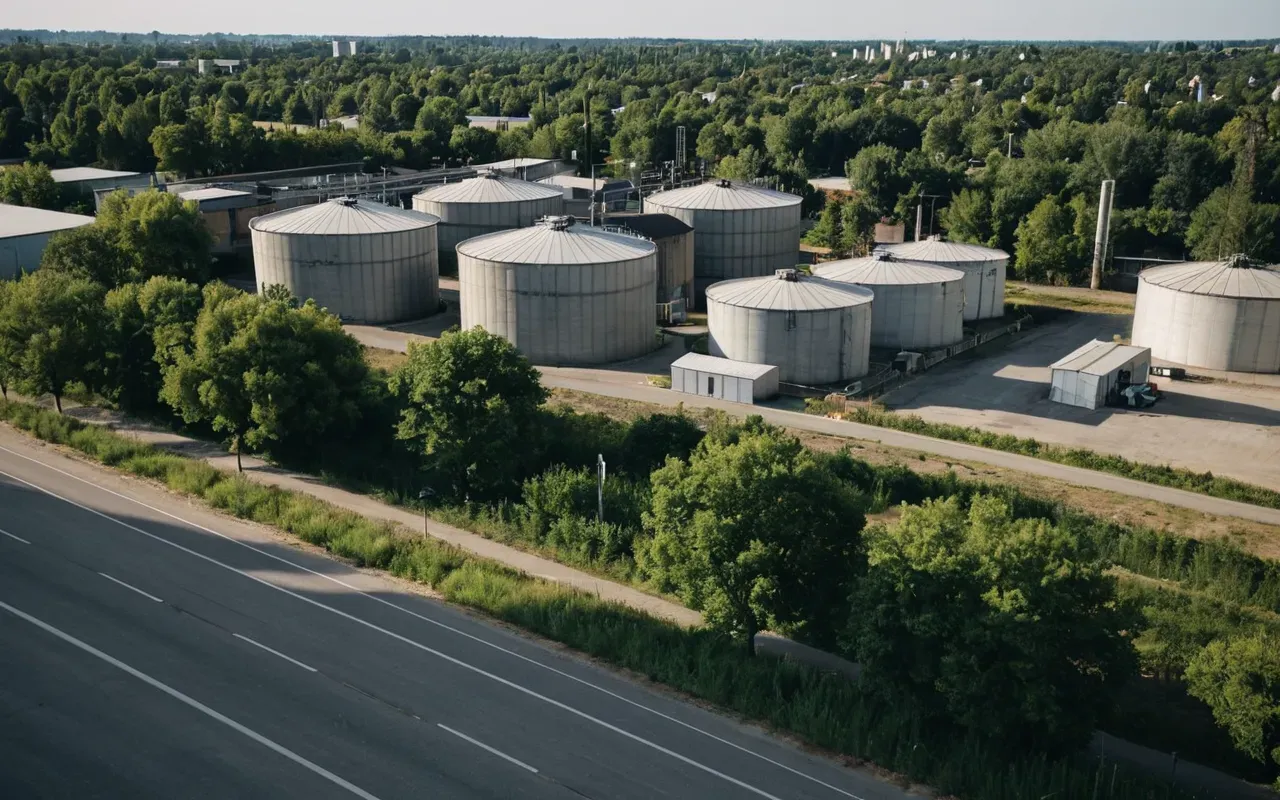
SI Ready Mix noted that the area already includes a rock quarry. This makes the location appropriate to serve the tremendous construction growth in this region.
How Proximity Affects Operational Efficiency
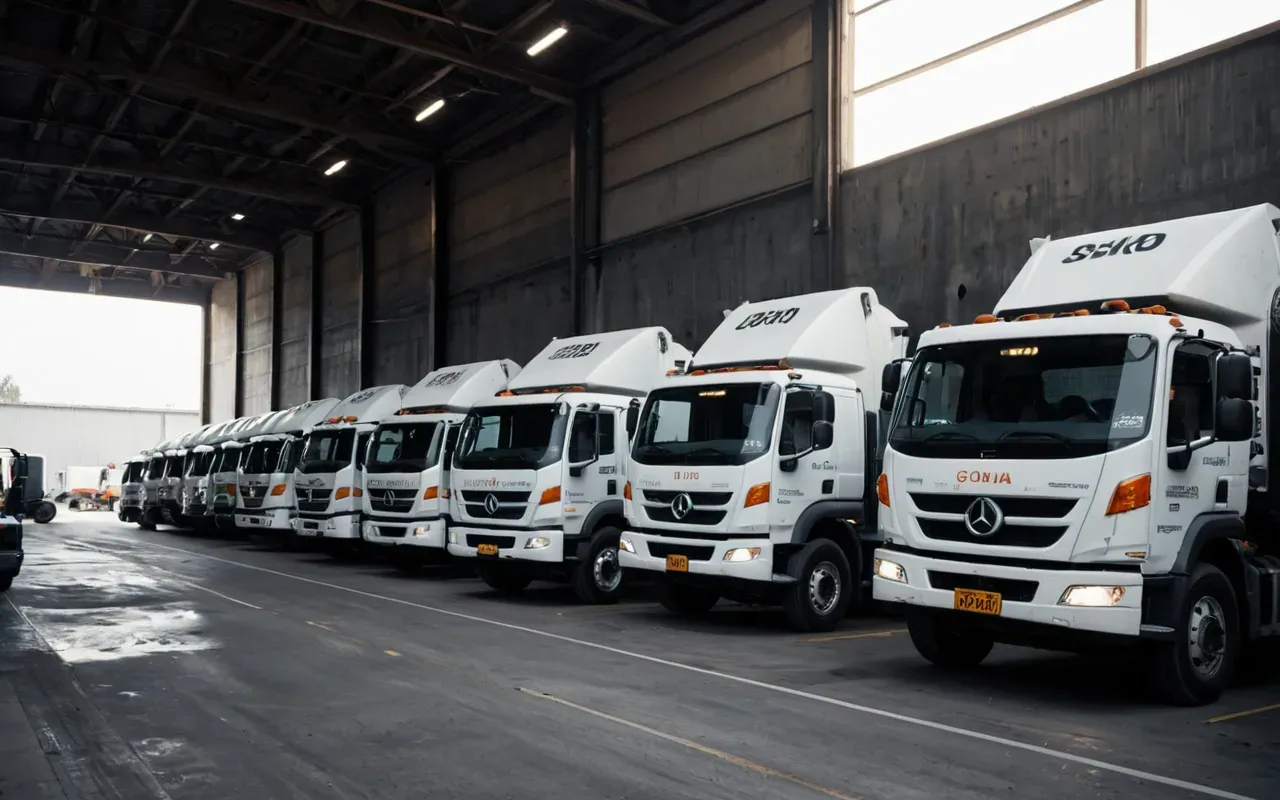
Concrete has a shelf life. It starts setting within minutes after mixing. This means plants must be located close to job sites. If the plant were ten miles further away, delivery times would double and quality risks would increase.
This is a technical constraint that many residents overlook. They see trucks and think of inconvenience. Engineers see time windows and think of material integrity.
If you're curious about the logistical challenges involved in moving heavy materials efficiently, check out how inventory management works in concrete production. The principles of speed and precision apply to both retail and construction.
What You Can Do If A Plant Is Proposed Near Your Home
First, understand the zoning. Check local records to see if your area is designated for industrial use. If it is, fighting the project legally may be futile.
Second, engage with air quality regulators. In this case, the Louisville Metro Air Pollution Control District is reviewing the permit application. You can monitor their draft permit for public viewing.
Practical Steps For Residents Worried About Emissions
Sign up for mailing lists from local environmental agencies. Attend public meetings where the permit is discussed. Ask specific questions about filtration systems and emission limits.
Be aware that while you can challenge a permit, stopping it is rare. As one expert noted, challenging the process is different from halting construction. Focus on compliance rather than prevention.
Finally, demand transparency. This is where residents have the most power. If officials and companies communicate clearly about what is happening and why, fear often turns into acceptance.
The Real Cost Of Ignoring Industrial Needs In Suburbs
If every suburb rejected nearby industrial facilities because of aesthetic or noise concerns, where would the materials come from? Long haul distances increase fuel consumption and carbon emissions.
Local production is often the greener choice. It reduces transport miles and keeps jobs in the community. This is a trade-off that needs to be weighed carefully.
Balancing Growth With Quality Of Life
The solution is not to ban concrete plants near homes. It's to ensure they operate with maximum efficiency and minimum impact. That requires strict enforcement of air quality standards.
It also requires honest communication from both sides. Residents deserve to know what's being built next door. Companies deserve a fair process when they follow the rules.
I believe we need more dialogue like this. Not just when a controversy erupts, but before permits are filed. Early engagement prevents the anger that fueled the Middletown dispute.
Final Thoughts On The Middletown Concrete Plant Controversy
The story of SI Ready Mix and Lake Forest neighbors is a microcosm of modern development. We want convenience without compromise. We want growth without disruption.
But the reality is messier. Zoning laws protect existing industrial uses even when residential areas expand around them. This creates friction that only communication can ease.
If you live near a construction site or industrial facility, stay informed. Check local regulatory websites and attend public meetings. Your voice matters more in the permit phase than after the first truck rolls in.
The concrete plant on Aiken Road is just one example. Similar debates are happening across the country as suburbs grow and industrial needs persist. Understanding zoning is your first line of defense.