Caterpillar's massive profit jump reveals a dangerous secret about concrete plants
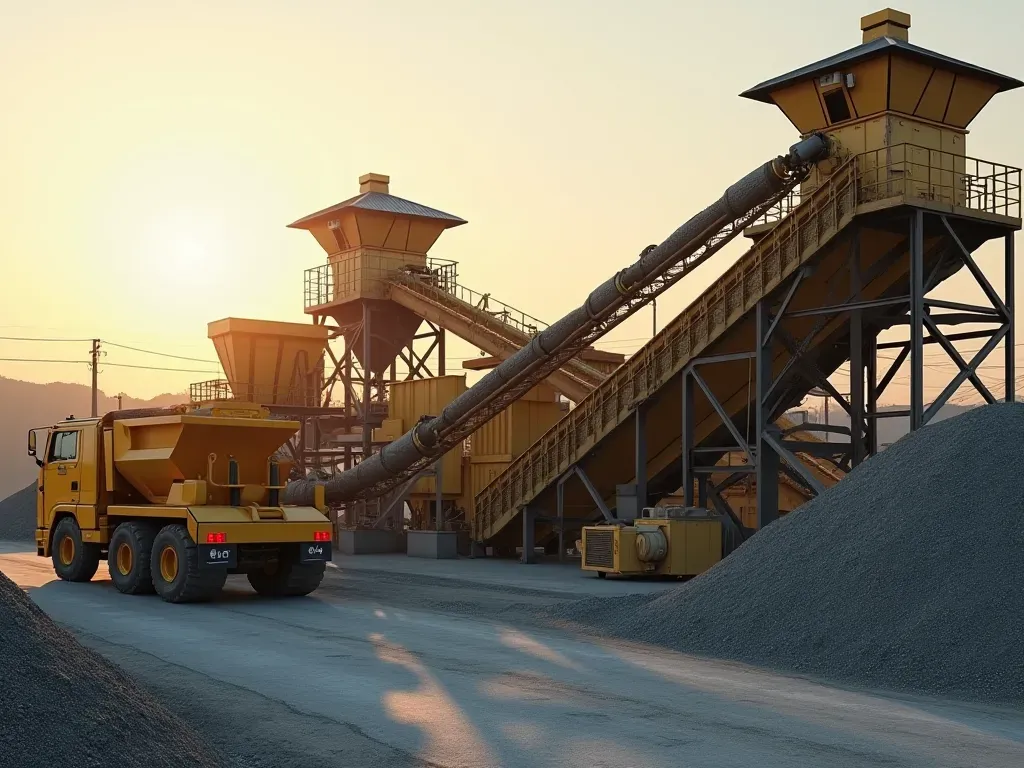
The Hidden Pressure Cooker Inside Modern Construction Sites
Look at the numbers again. Really look at them. Caterpillar just reported a twenty-four percent revenue surge to $20.54 billion in the second quarter of 2026. That is not a typo. And it did not happen by accident. The order backlog hit seventy-two point one billion dollars. This kind of growth usually signals pure economic optimism.
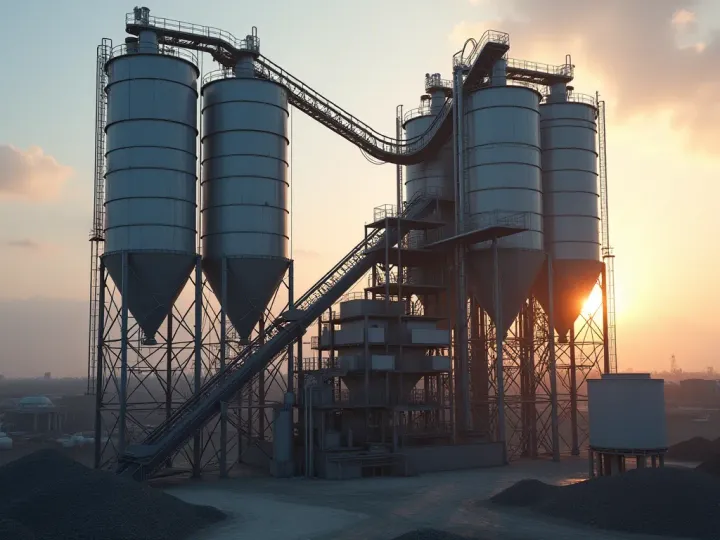
But here is the thing most people miss. This explosion in demand is driven almost entirely by one specific sector: data centers. The AI boom requires physical infrastructure. It needs power generators, excavators, bulldozers, and massive concrete pours to house these server farms. For operators of modern concrete batching plants, this changes everything about how we view our supply chain.
I was struck by the sheer velocity of this shift. CEO Joe Creed noted that non-residential investment in critical infrastructure is leading growth. When you see a fifty percent jump in retail sales in North America alone, you know the market has shifted from steady to frantic. We are not just building houses anymore.
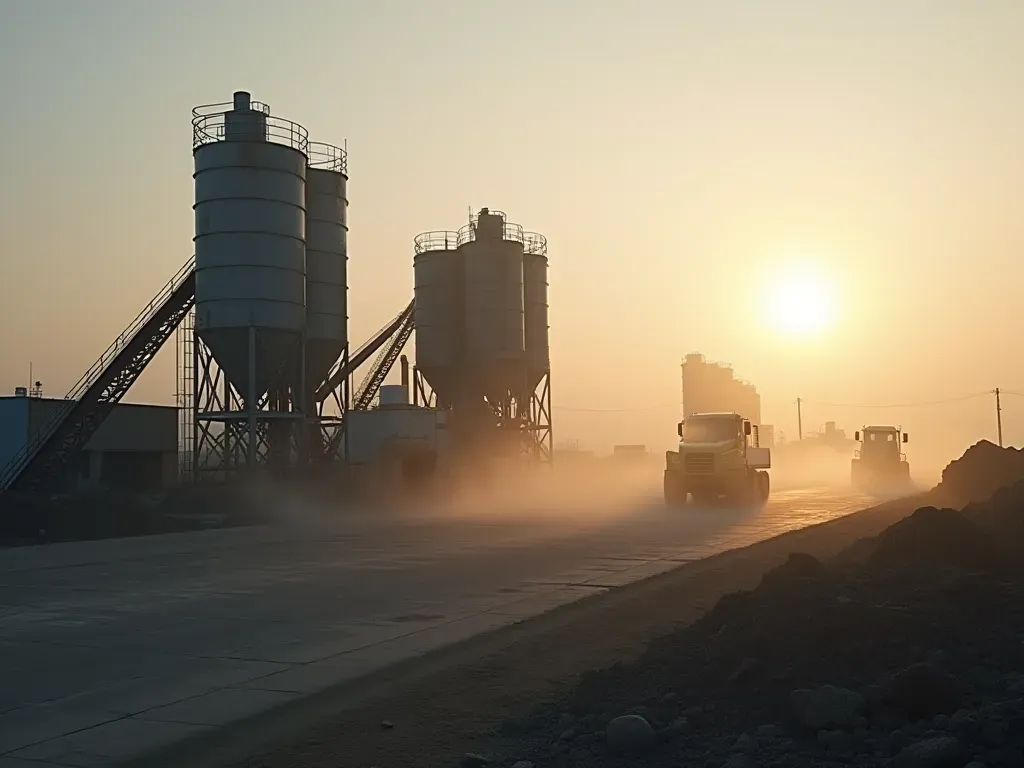
Why Your Batching Plant Might Be The Bottleneck Now
Let’s get specific about what this means for you. If Caterpillar is selling out of generators and earthmovers because data centers are popping up everywhere, who pours the foundations? Concrete batching plants do. But can they keep up with a thirty-five percent revenue growth in core construction segments?
The implication nobody is talking about is equipment scarcity. When the big players like CAT raise their sales growth targets, they tighten supply chains for parts and new machinery. If your batching plant relies on imported components or specific heavy engine models, you might face delays that did not exist last year.
I have seen this pattern before in industrial cycles. When demand outpaces manufacturing capacity, maintenance becomes the new growth strategy. You cannot just buy a new mixer or conveyor belt quickly anymore. The lead times stretch. And while you wait, your current assets take harder hits.
The Maintenance Crunch Is Real And It Starts Here
Think about your own plant’s wear-and-tear rates. With a seventy-two billion dollar backlog at Caterpillar alone, the pressure on concrete suppliers is immense. Projects do not wait for broken conveyors to be fixed with rare parts. They demand output. This forces plant managers into risky decisions.
So what is the solution? You have to optimize what you already own. The days of quick replacements are over for at least the next eighteen months. If your batching technology is aging, it needs to perform like new. Otherwise, you lose contracts to competitors who managed their inventory better.
And honestly? This is where many operators fail. They wait until a motor burns out or a scale drifts off. In a high-demand market, that downtime costs you millions in missed pours. The margin for error has vanished completely.
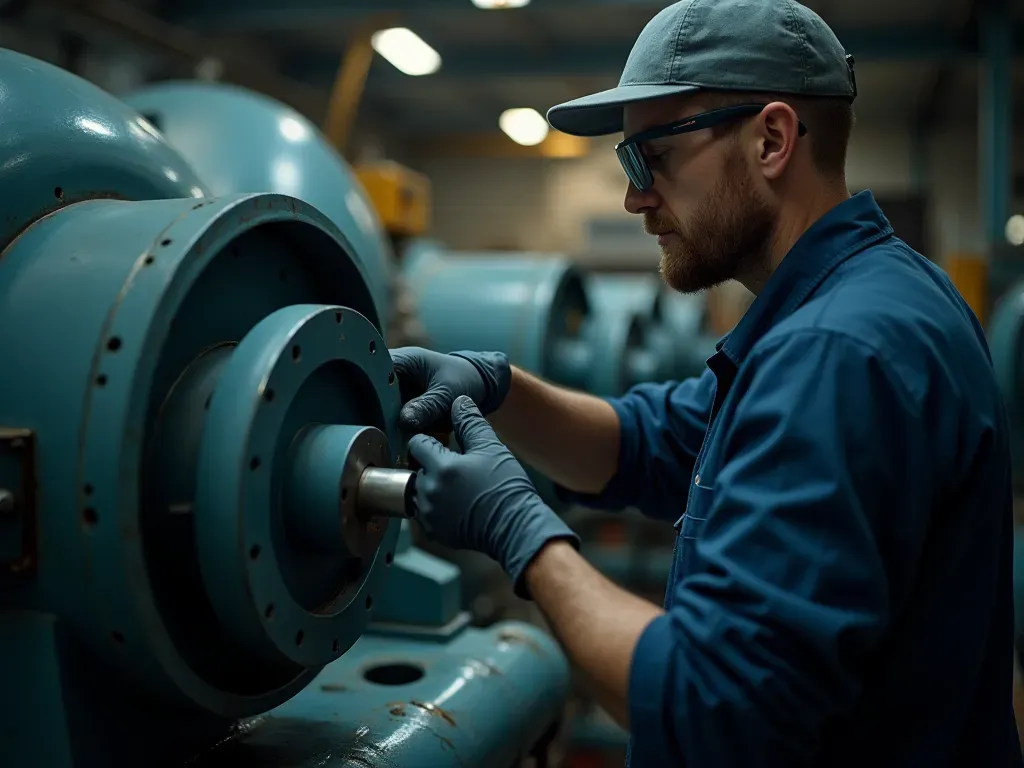
Technology Is No Longer Optional For Survival
Here is the thing about efficiency. It used to be a nice-to-have feature for forward-thinking companies. Now it is an absolute requirement if you want to survive this cycle. The data center buildout demands precision and speed that manual batching systems simply cannot provide consistently.
Consider the role of digital integration. If you are not tracking aggregate moisture in real-time or adjusting mix designs automatically based on ambient temperature changes, you are wasting materials. And waste does not pay for rising energy costs.
I often tell my peers that the smartest plants are those treating their software like they treat their steel. If your control system is outdated, it acts as a brake on your entire operation. Upgrading sensors and feedback loops can yield immediate efficiency gains without buying single piece of new heavy iron.
Adapting To The New Infrastructure Reality
Data centers are massive structures. They require high-strength concrete and rapid placement cycles. Your batching plant must handle large volumes without compromising quality control metrics. One bad batch can delay a whole floor of servers.
The pressure is on to deliver. And the window for error is closing fast. With CAT reporting an adjusted per-share profit of $8.17 against expectations of just $6.20, we know that companies leveraging their assets effectively are winning big.
But who loses in this scenario? The operators stuck with legacy equipment and reactive maintenance habits. They will find themselves stretched thin trying to meet demand while fighting constant breakdowns. It is a race against time.
Navigating The Tariff Landscape And Cost Pressures
Caterpillar cut its full-year tariff costs forecast to around $2.2 billion from previously expected higher figures. This is a critical detail for all of us in the heavy equipment sector. It suggests that while trade tensions remain, some cost recovery mechanisms are working.
However, do not get complacent. The overall cost environment remains tight. Energy prices fluctuate daily. Steel costs for plant structures and mixers remain volatile. You need to budget conservatively even if the big manufacturers see slight relief.
I always recommend reviewing your input costs quarterly. If you are sourcing aggregates locally versus long-distance hauling, the math changes drastically with fuel spikes. Optimizing logistics is just as important as optimizing the mix itself.
The Long-Term Shift In Heavy Asset Management
Look at the broader trend. The industrial economy is shifting towards digital-first operations. Caterpillar’s results signal that durability and core business strength matter more than speculative growth bets right now. Stability wins.
For concrete plants, this means investing in reliability over flashy new features that do not add measurable uptime. A simple robust system that runs twenty-four seven without crashing is worth more than a complex one that needs constant tweaking.
We keep seeing operators try to cut corners on maintenance schedules. It never ends well. When the demand hits like it has in Q2 2026, those shortcuts become catastrophic failures that halt production entirely.
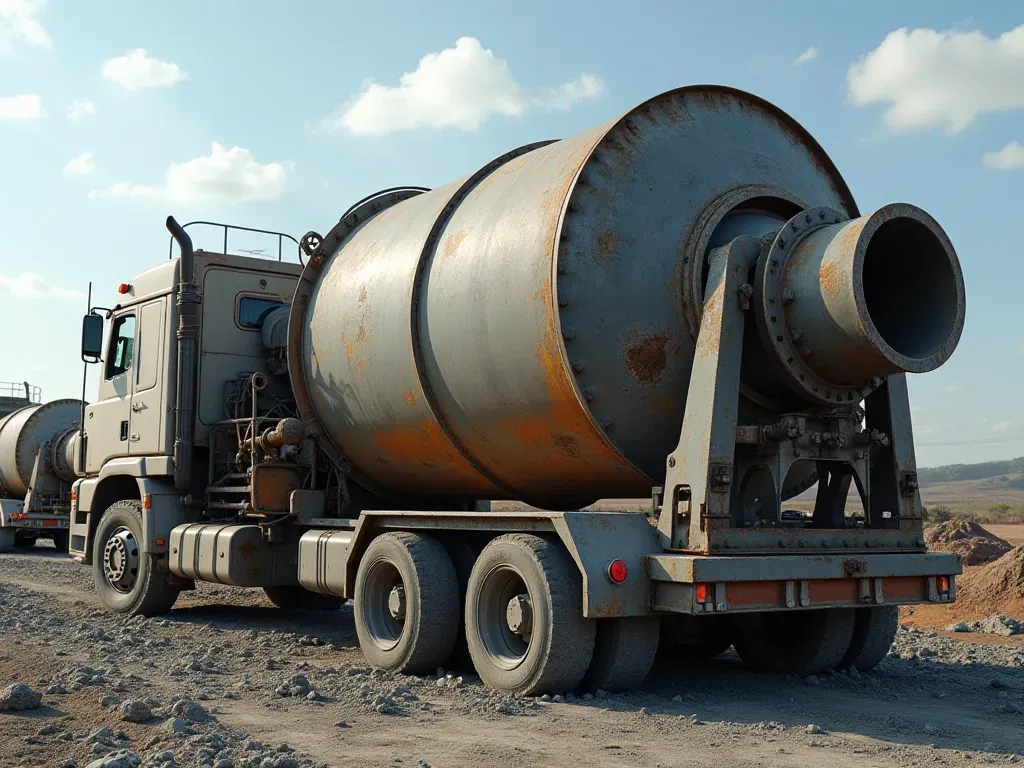
Strategic Moves For The Next Six Months
What should you do right now? First, audit your critical spare parts inventory. If Caterpillar can raise growth targets because of backlog strength, then suppliers are prioritizing their biggest accounts first. You need to secure those parts before the rush.
Secondly, evaluate your energy consumption per cubic meter. Data centers drive massive power demand which drives up electricity prices everywhere else in the grid. Your plant is not immune to these regional spikes.
Thirdly, train your operators on advanced diagnostics. If you have modern telemetry systems installed, use them to predict failures before they happen. This proactive approach saves thousands in emergency repair costs.
Finally, consider your environmental footprint. The EPA is paying closer attention to emissions from industrial sites near urban data center builds. Ensuring compliance now prevents massive fines later.
The Human Element In A High-Tech World
Do not forget about your people. With such high demand comes intense pressure on crews. Burnout is real in the batching industry during peak seasons. Retaining skilled technicians who understand both mechanical and digital systems becomes harder.
I have talked to many plant managers who struggle with staffing. They cannot find workers willing to learn the new automated interfaces while maintaining old-school mechanical intuition. You must invest in cross-training programs.
A well-rested team makes fewer mistakes. And in a high-stakes environment pouring foundations for billion-dollar server farms, one mistake can be devastating financially and reputationally.
Conclusion The Road Ahead Looks Rocky But Rewarding
The message from Caterpillar’s Q2 report is clear. The industrial engine is revving higher than anyone predicted just a year ago. Data centers are the new oil fields of construction activity.
But riding this wave requires preparation. It demands that you treat your batching plant as a precision instrument rather than a brute-force tool. Efficiency wins here.
Ignore these signals and you'll be playing catch-up while everyone else pulls ahead. The operators who move fast on tighter supply chains and tougher operational demands are going to eat the lunch of their slower competitors. That's just how this cycle works.
So ask yourself today. Is your plant genuinely ready for the next surge? Or are you secretly waiting for a breakdown to force your hand? The clock is ticking on this infrastructure boom, and it's not slowing down for anyone.
Remember, technology exists to serve people, not the other way around. Grab the best tools you can find and put them to work for your crew — that's how you boost output without ever compromising on safety or quality.
The concrete industry is standing at a genuine crossroads right now. One path leads to chaos, missed deadlines, and frantic phone calls. The other leads to lean, streamlined operations powered by a few smart choices.
Choose wisely. The stakes for heavy equipment operators and concrete producers have never been higher in this new era of digital infrastructure. I mean that literally.
Stay vigilant. Watch your metrics closely. And for heaven's sake, never underestimate what reliable maintenance can do for you when the market turns unpredictable. It'll save you more than once.
This is your moment. Grab it with confidence and a clear head.
The future of concrete production belongs to the folks who embrace innovation without ever forgetting the fundamentals that got them here.
Let's move forward together into this exciting — and honestly, a little nerve-wracking — chapter of global construction history.
Your success ultimately hinges on how well you adapt and keep your cool under pressure.