Why Your Next Excavator Will Be Built Just Across The Street And Why That Changes Everything For You
The Supply Chain Is Moving Inward And Your Fleet Needs To Adapt
For decades we assumed big machines crossed oceans to reach our job sites. That era is ending fast. And honestly, the shift isn't just about trade policy or national pride. It's a logistical earthquake that will reshape how you buy and maintain concrete production equipment.
I've spent years watching the heavy equipment world, and the pattern is unmistakable now. Giants are building closer to home because they know distance kills profits. If you run a batching plant or a concrete fleet, this matters more than any spec sheet ever will.
Here's the thing — you need to understand the real stakes. When a machine is built three thousand miles away, every delay compounds. A rusted bolt in Asia becomes a stopped pump in Texas two weeks later. Local manufacturing breaks that chain of uncertainty before it ever starts.
Volvo CE Is Betting Big On Pennsylvania And It Shows In The Numbers
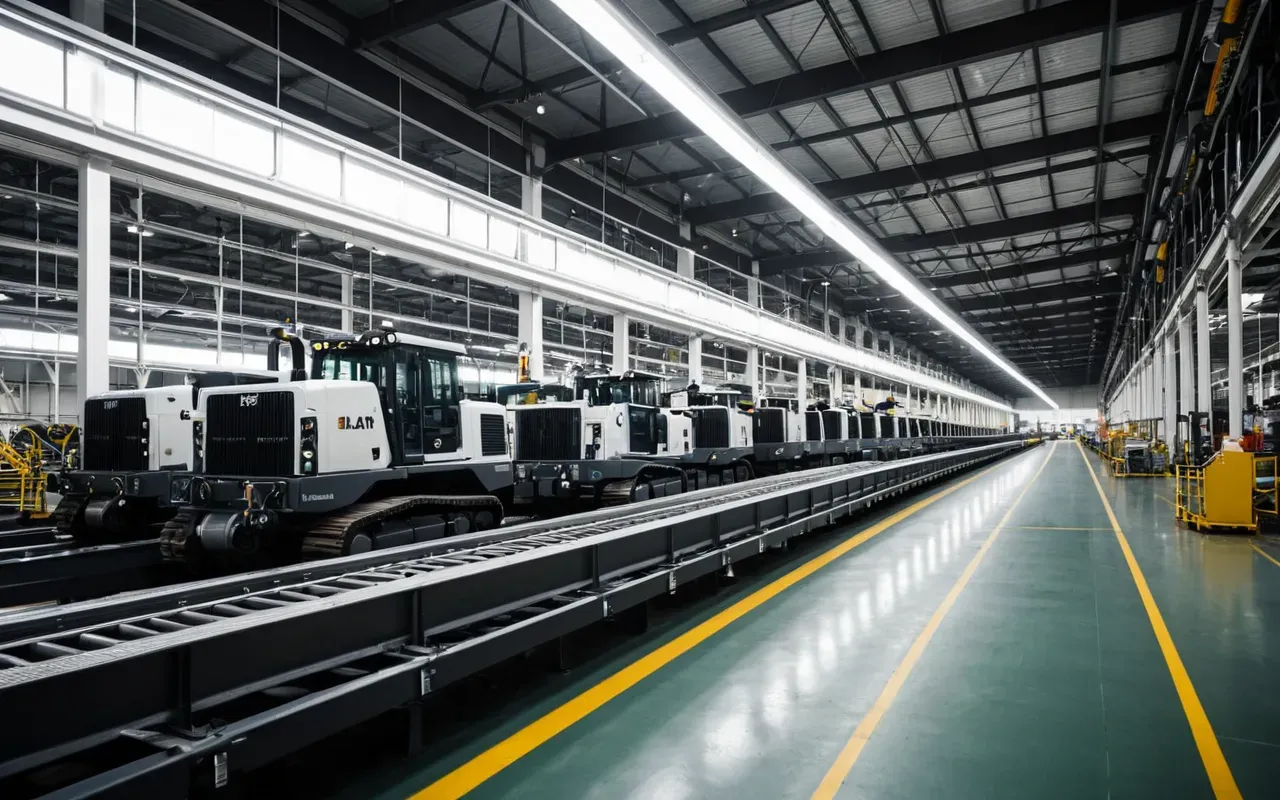
Let's look at the numbers, because they tell a story of massive commitment. Volvo Construction Equipment has poured over $1.4 billion into its Shippensburg facility since buying it in 2007. That is not a token gesture. It is a bet on the region.
Now over half of their North American machines roll off that Pennsylvania floor. They just added eleven new excavator and loader models to the mix. The plant now produces thirty different types of heavy iron for the local market.
Here's a detail most people miss. They reworked their entire assembly footprint to handle large wheel loaders that require thirty percent more parts complexity on the same line. That requires serious engineering skill and local workforce training.
They even pulled in a counterweight supplier to invest $1.5 million right next door. This is the supply chain tightening up like a well-maintained engine. If you value reliable concrete batching plants near you, this local supplier model is exactly what keeps your production moving.
Why Local Training Beats Remote Shipping For Equipment Quality
Employees at the facility logged over 180 hours of individual training. Some even traveled to sister plants in Sweden and Brazil for specialized skills. This investment in human capital creates a quality loop that remote sourcing cannot match.
When the people building your machine understand exactly what they are doing and live near you, accountability skyrockets. You get a product that reflects local standards of care rather than generic global output.
Komatsu Just Hit A Milestone In Tennessee That Proves Local Roots Matter
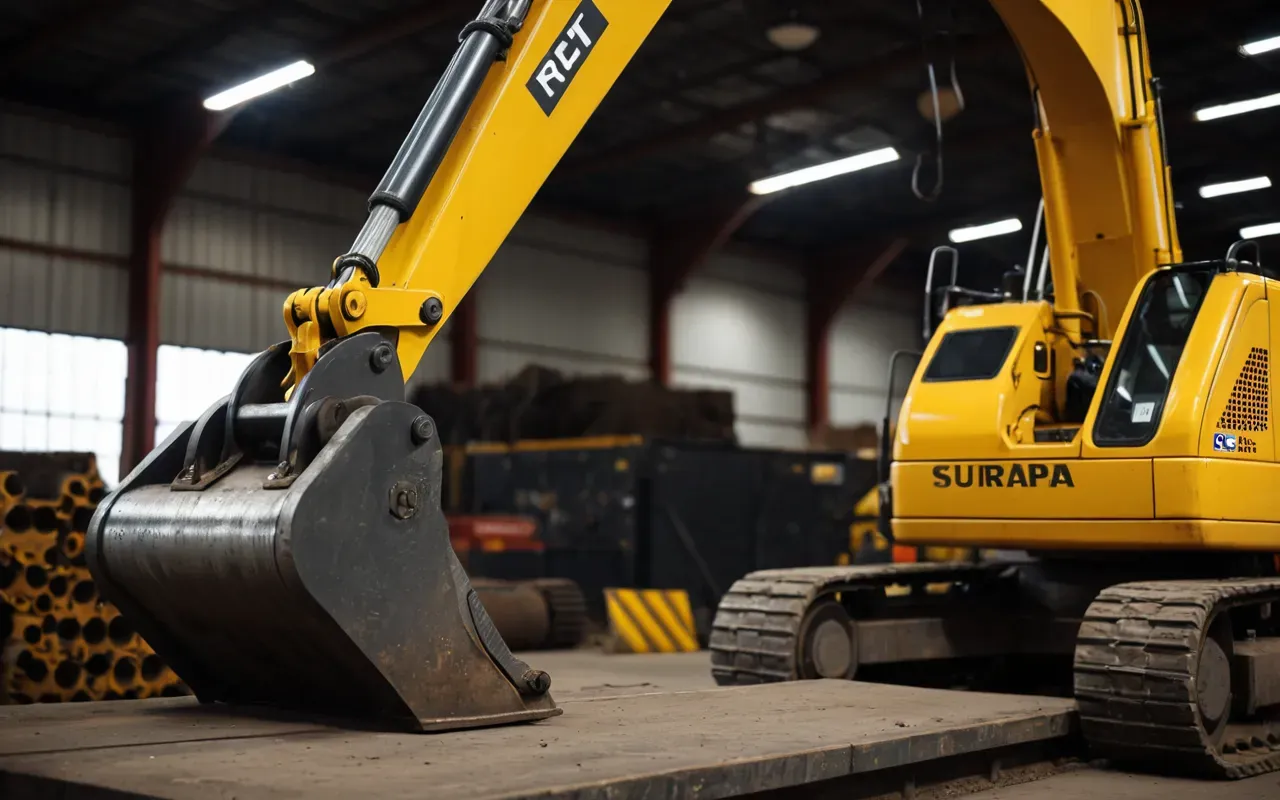
Komatsu's Chattanooga plant just celebrated forty years of building machines in the United States. They rolled out their sixty-thousandth excavator there recently. That is a massive volume of heavy iron produced by local hands.
The plant builds about eight excavators a day. They make roughly two thousand five hundred machines every year for the North American market. This includes articulated dump trucks that move massive amounts of concrete and aggregate.
Komatsu has invested over $5 billion in North American manufacturing in the last decade. They are expanding parts centers and remanufacturing facilities all across the region. This is a web of support that shrinks your downtime.
They opened a new parts distribution center in Arizona and bought a remanufacturing specialist in Kentucky. This means when your concrete plant needs a part or repair, the solution is already on your doorstep.
How Remanufacturing Changes The Economics Of Your Concrete Fleet
Most contractors ignore remanufacturing until they are desperate. Komatsu is betting big on it because it extends equipment life dramatically. For a concrete batching plant operator this means lower replacement costs and higher uptime.
I have seen fleets that run on new machines every three years. They bleed money like water from a cracked pipe. Remanufactured parts can restore performance to near-new levels at a fraction of the cost.
Kubota Is Turning Kansas Into A Compact Equipment Powerhouse And You Should Pay Attention
Kubota has been quietly expanding in Salina Kansas since they bought Great Plains Manufacturing back in 2016. They started with attachments but now they are building full compact track loaders right there.
The first SVL75-3 just rolled off the line there. It shares a mixed-model production line with smaller loaders. This flexibility allows them to adjust output quickly based on what contractors actually need in your region.
Kubota claims this is the number one selling compact track loader in the United States based on sales data from recent years. That dominance gives them leverage to invest more heavily in local infrastructure.
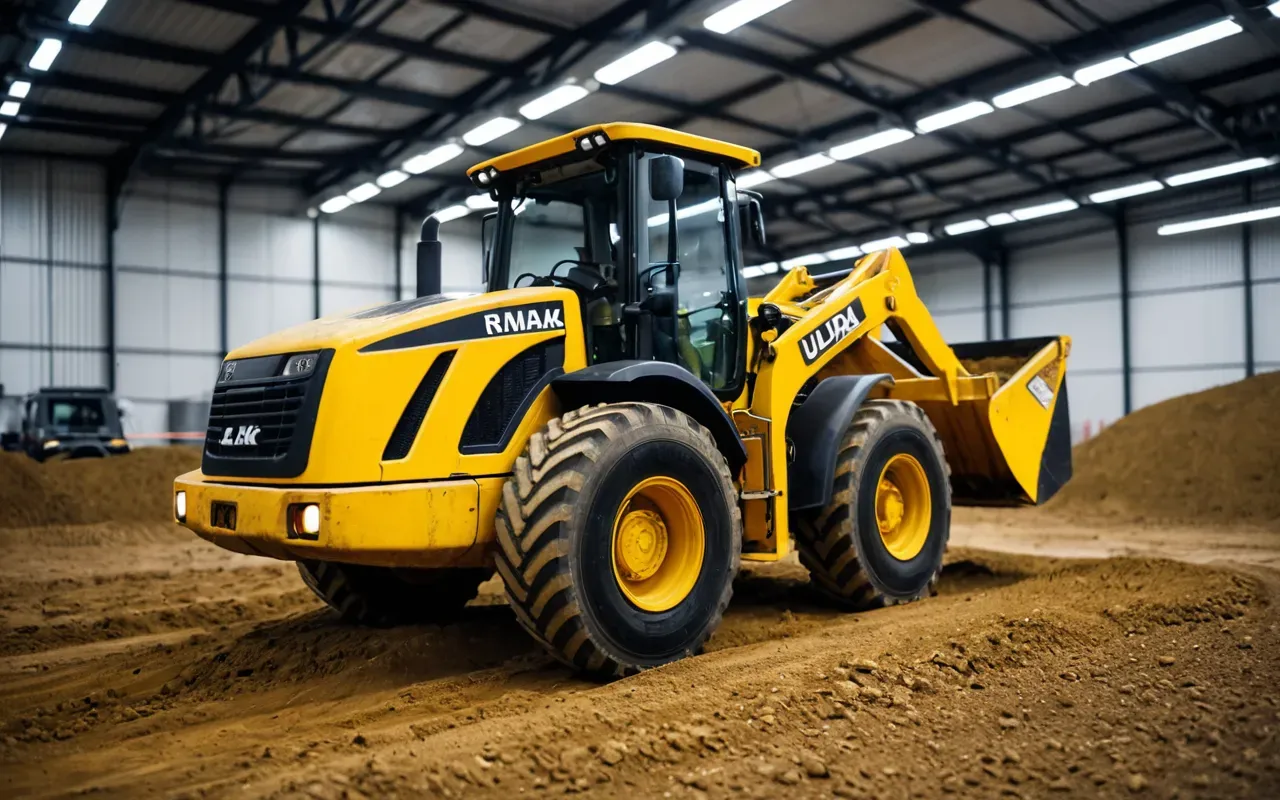
They are building a $30 million test center in Salina that will cover fifty-seven thousand square feet. Engineers there will perform durability and reliability testing specifically for North American construction applications.
This is huge. It means the machines they sell to you are designed and tested for your specific conditions. No more guessing if a European design handles American humidity or dust levels properly.
The Hidden Advantage Of Regional Engineering For Concrete Work
When a manufacturer tests in your climate they catch failures before you do. A hydraulic seal that cracks in Kansas heat might not show up in a cooler test environment elsewhere.
For concrete production this is critical. Your mixers and pumps work in extreme temperatures every day. Equipment built with that reality in mind lasts longer and performs better.
What This Means For Your Concrete Batching Plant Efficiency
Efficiency isn't just about speed. It's about avoiding the downtime that kills your schedule. Local manufacturing means faster parts delivery and quicker service response when things go wrong.
If you are struggling with common batching plant mistakes, remember that equipment reliability is often the root cause. Local support networks fix these issues faster.
The Real Winner Here Is The Contractor Who Understands Local Supply Chains Now
So who wins this shift? Not the manufacturers. They are already winning with their investments. The real winner is you if you start thinking about equipment as a local asset rather than an imported commodity.
I've seen contractors lose contracts because a part was stuck in customs for two weeks. That doesn't happen when the factory is three hundred miles away and the dealer network is thick.
You need to build relationships with local dealers who have direct access to these new production lines. Your mileage may vary but I promise you the response time will be dramatically faster.
The concrete industry is moving toward greater efficiency and lower costs. Local manufacturing is a key piece of that puzzle. It's not just about patriotism. It's about physics and economics working in your favor.
If you ignore this trend you will keep paying premium prices for global logistics. If you lean in you get better machines faster and with less headache. That is a trade any smart contractor should make.
Look at the bigger picture. The entire construction ecosystem is tightening up. Suppliers are moving closer to end users. Manufacturers are building closer to suppliers. It's a convergence that benefits those who adapt.
Your concrete batching plant is the heart of your operation. Keep it fed with reliable equipment and local support. The giants are making that possible right now in your backyard.
Don't wait for the next shortage to realize you needed local stock. The shift is happening now and it's only going to accelerate as more companies see the profit in proximity.
Start researching which manufacturers have local presence near your job sites. Ask about their parts inventory and service teams. This is where the real value lies in this new era of heavy equipment.
The future of concrete production is local. It's faster cleaner and more reliable than the global shipping model we used to accept as normal.