Innovative Mixing-Systems Transforming Modern Concrete Production

The Evolution of Mixing-Systems in Concrete Production
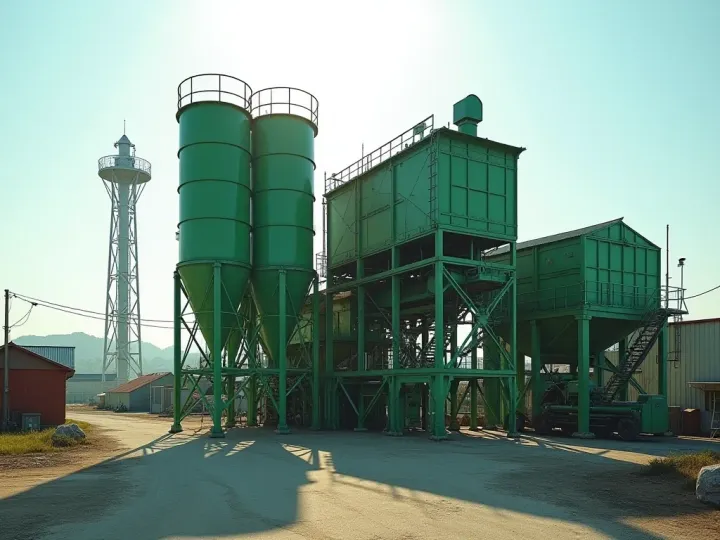
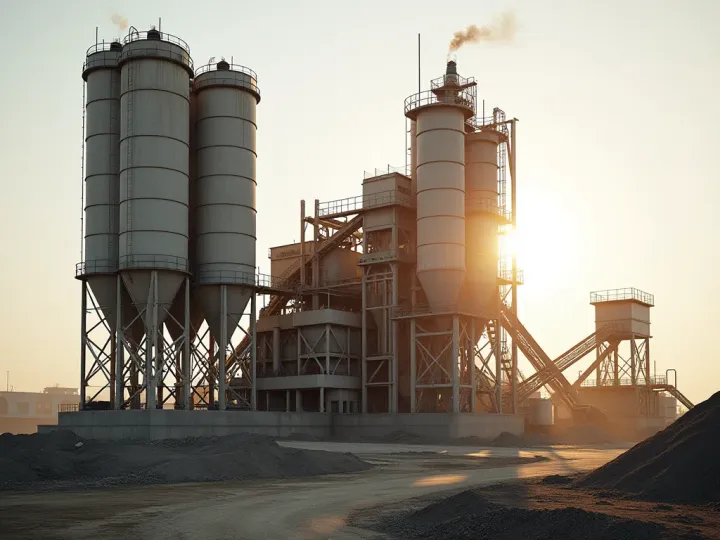
The landscape of concrete production has seen remarkable advancements over recent decades, with mixing-systems playing a pivotal role in boosting efficiency, consistency, and environmental compliance. Traditionally, manual mixing methods and basic mixers limited production capacity and compromised uniformity. Today, modern mixing-systems incorporate state-of-the-art technology such as planetary, twin-shaft, and pan mixers, which ensure thorough and consistent blending of cement, aggregates, water, and additives. These innovations have not only increased productivity but also minimized waste and reduced environmental impact. As construction projects grow in scale and complexity, the demand for high-quality, reliable, and fast mixing solutions continues to rise. Manufacturers worldwide are investing heavily in research and development to deliver systems that are more efficient, environmentally friendly, and easier to maintain, reflecting the changing needs of the industry.

Technological Innovations Driving Efficiency in Mixing-Systems
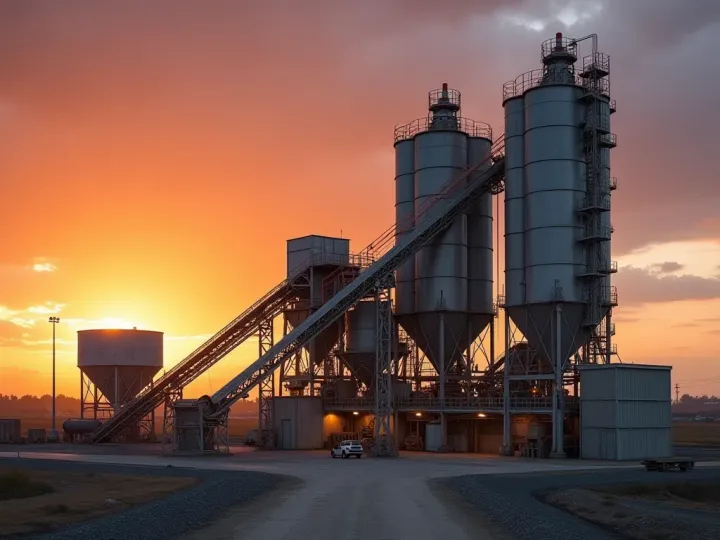
The integration of advanced technology has revolutionized how mixing-systems operate within concrete batching plants. Contemporary systems utilize real-time sensors, automated control panels, and predictive maintenance algorithms to optimize performance. For instance, digital twin technology allows operators to simulate and monitor mixing processes continuously, identify inefficiencies, and make adjustments proactively. As a result, concrete mixtures achieve precise consistency, and production cycles shorten significantly. Furthermore, innovations like variable-speed drives and energy-efficient motors contribute to reducing operational costs and environmental footprints. These advancements are crucial in maintaining competitiveness and meeting increasingly strict construction deadlines. Additionally, some manufacturers are exploring hybrid systems that combine traditional mixing with automated robotic handling, further elevating productivity and safety standards on-site.
Maintenance Strategies for Optimal Mixing-Systems Performance
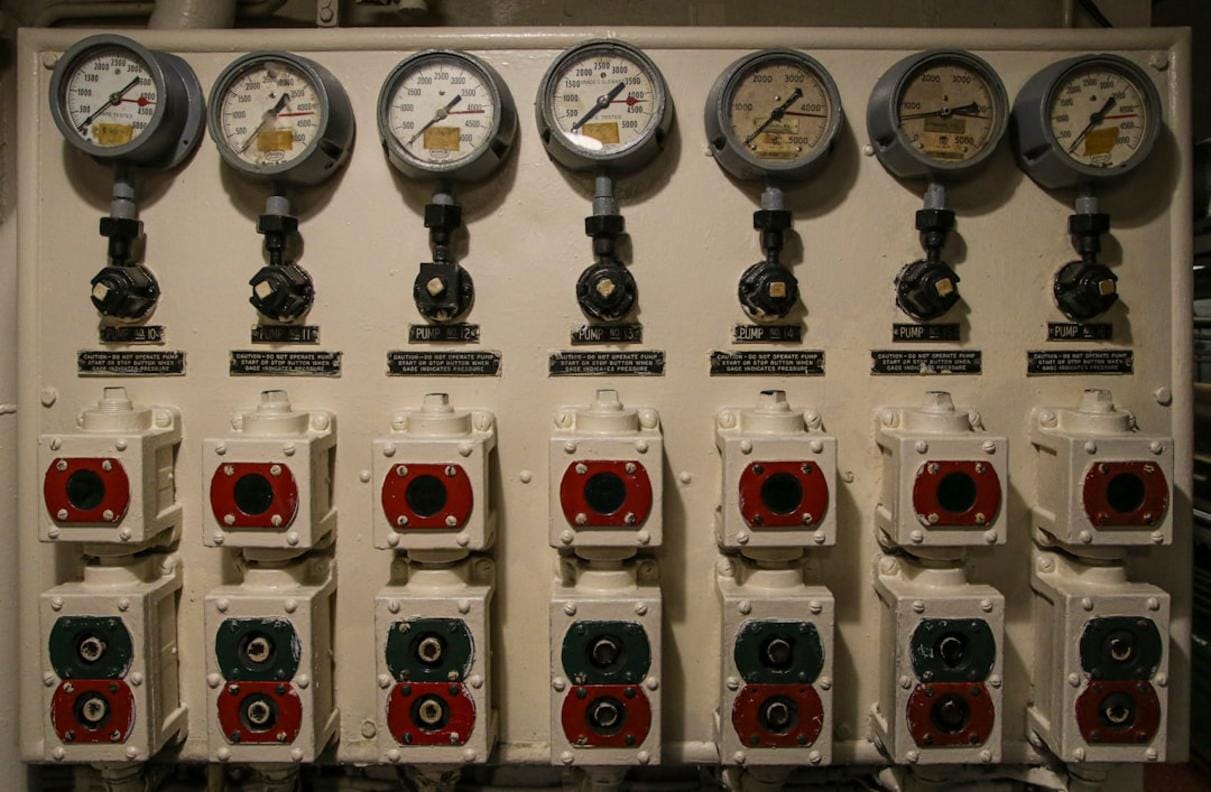
Maintaining the efficiency and longevity of mixing-systems requires a strategic approach to maintenance that incorporates both preventive and predictive practices. Regular inspection of gearboxes, mixing arms, and lubrication systems helps prevent unexpected breakdowns and ensures smooth operation. Modern batching plants often feature remote monitoring capabilities, enabling technicians to track equipment health continuously and predict potential failures before they occur. Implementing a routine cleaning schedule is essential, as residual materials can cause wear and compromise mixing quality. Additionally, keeping spare parts on hand and following manufacturer-recommended guidelines ensure system reliability, reduce downtime, and extend the lifespan of key components. Many operators are also embracing digital maintenance management tools, which streamline scheduling and record keeping, ultimately leading to better performance and reduced operational costs.
Future Perspectives and Sustainable Innovations in Mixing-Systems
Looking ahead, the future of mixing-systems in concrete production is firmly rooted in sustainability and innovation. Researchers are exploring eco-friendly materials and practices, such as utilizing recycled aggregates and reducing water consumption through advanced admixtures. Innovations like energy recovery systems from motor heat or exhaust gases aim to minimize environmental impact further. Smart mixing systems equipped with IoT connectivity will become the norm, enabling real-time data analytics for continuous optimization. The integration of renewable energy sources, such as solar or wind power, is also anticipated to power concrete batching facilities, reducing carbon footprints. As construction standards evolve toward greener practices, mixing-systems must adapt, balancing high productivity with environmental responsibility. This trajectory not only promises operational efficiencies but also aligns with global efforts to achieve sustainable development goals in the construction industry.