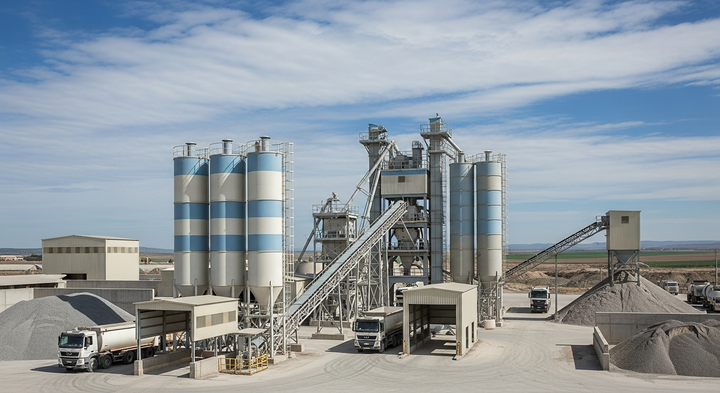
Innovations in Mixing Systems Enhance Efficiency of Modern Concrete Batching Plants
The Evolution of Mixing Systems in Modern Concrete Batching Plants
The landscape of concrete production has undergone significant transformation over the past few decades, primarily driven by technological innovations in mixing systems. Traditional drum mixers, which once dominated the industry, have now given way to highly efficient, computer-controlled twin-shaft paddle mixers, planetary mixers, and innovative continuous mixing systems. These advancements not only enhance the quality and consistency of concrete but also dramatically improve productivity and reduce operational costs. Modern mixing systems are designed to handle increasing demands for higher output, quicker turnaround times, and stricter quality control standards. The integration of digital controls allows precise adjustments of mixture proportions, ensuring uniformity across batches and reducing material waste. Furthermore, energy-efficient motors and environmentally friendly features have become a standard, underscoring the industry’s shift toward sustainable practices. When evaluating the latest machinery, it’s essential to consider factors such as mixing time, power consumption, maintenance requirements, and scalability to match project demands. As construction projects grow in complexity and scale, the role of advanced mixing systems becomes even more critical in maintaining project timelines and ensuring the durability of structures. These innovations serve as a testament to how the industry continuously pushes the boundaries of what is possible in concrete production, ultimately benefiting construction companies, engineers, and clients alike.
Technological Advancements Driving Efficiency in Concrete Mixing
The push towards increased efficiency in concrete production is largely powered by cutting-edge innovations in mixing technology. Modern concrete batching plants leverage automation, real-time data monitoring, and smart control algorithms to optimize each phase of production. For example, digital twin technologies allow operators to simulate and perfect mixing cycles before actual operation, minimizing errors and optimizing mix quality. The advent of high-shear mixers and high-performance paddle mixers has revolutionized the rate at which concrete is produced without compromising mixing quality. These systems enable rapid blending of components, reducing cycle times significantly and increasing overall throughput. In addition, sensors embedded in mixers provide continuous feedback on parameters such as temperature, humidity, and moisture content, enabling adaptive adjustments for each batch and ensuring consistent concrete strength and workability. The deployment of these advanced systems reduces waste and energy consumption, which is crucial for sustainable construction practices. As the demand for large-scale infrastructure projects rises, the ability for batching plants to operate efficiently and reliably becomes a true competitive advantage, encouraging manufacturers to invest in state-of-the-art mixing technology.
Maintenance and Reliability Ensure Long-Term Performance of Mixing Systems
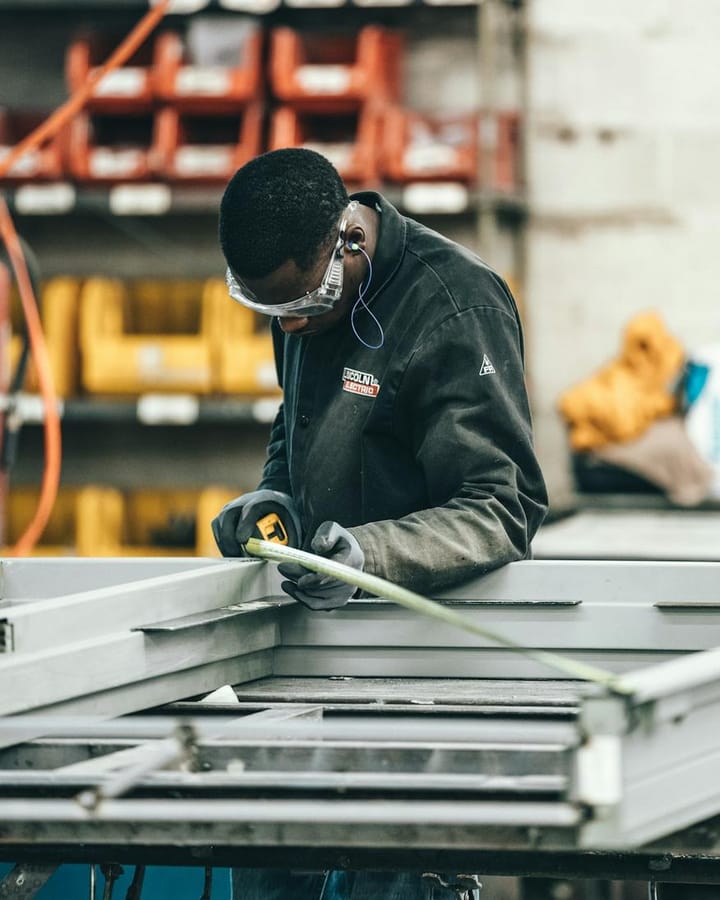
While technological innovation drives performance, effective maintenance remains vital to the longevity and reliability of mixing systems in concrete batching plants. Regular inspection routines, lubrication schedules, and preventative servicing help prevent costly downtime and extend equipment lifespan. Modern mixing systems are often equipped with diagnostic tools that can predict potential failures before they occur, allowing proactive maintenance strategies. For instance, vibration analysis and temperature monitoring can identify early signs of bearing wear or motor overheating, signaling the need for intervention. Manufacturers now offer comprehensive maintenance packages and remote diagnostics, enabling operators to address issues swiftly, often before they impact production. Proper maintenance not only preserves the operational integrity of the equipment but also ensures the safety of plant personnel. As concrete batching plants are often situated in demanding environments, robust construction and weather resistance are additional considerations when selecting or designing mixing systems. Continued investment in maintenance and reliability protocols is essential for ensuring consistent concrete quality, maximizing return on investment, and reducing lifecycle costs.
Conclusion The Future of Mixing Systems Promises Greater Sustainability and Performance
In summary, the evolution of mixing systems for modern concrete batching plants exemplifies the ongoing pursuit of efficiency, quality, and sustainability in construction technology. As the industry increasingly adopts automation, digital controls, and innovative materials handling, the future of mixing systems looks promising for even higher productivity and lower environmental impact. Continued research and development are expected to introduce smarter, more adaptive mixing solutions that can respond to changing project requirements in real time. Additionally, as sustainability becomes a core principle within construction practices, future mixing systems will likely incorporate renewable energy sources, waste recycling capabilities, and lower emissions. These advancements will help the industry meet stricter regulatory standards while improving the overall lifecycle performance of equipment. Contractors and plant operators should stay informed about the latest innovations and prioritize investments that enhance system efficiency and reliability. Embracing these technologies will not only improve project outcomes but also contribute to building a more sustainable future for construction. The integration of AI, IoT, and machine learning into mixing systems is poised to revolutionize concrete production, making the process more intelligent, sustainable, and efficient than ever before.