Innovations in Mixing Systems Elevate Modern Concrete Production

The Evolution of Mixing Systems in Heavy Equipment
Over the past few decades, mixing-systems in heavy construction equipment have undergone significant transformation, driven by technological innovations and the increasing demand for higher efficiency and sustainability in concrete production. Traditionally, mixing involved simple drum mixers that offered limited control over the process, leading to issues with uniformity and quality control. Today, modern mixing-systems leverage advanced technologies such as computer-controlled batching, real-time monitoring, and high-efficiency agitators that ensure a consistent mix every time. These systems are integrated into sophisticated concrete batching plants that can handle large volumes with minimal manual intervention, drastically reducing human error and increasing operational speeds. The evolution has also seen the adoption of environmentally friendly practices, including dust control and energy-efficient motors, aligning with global sustainability goals. As construction projects become more complex and deadlines tighter, the importance of reliable, innovative mixing-systems has never been greater, propelling the industry towards more automated, precise, and eco-conscious solutions.
Technological Advancements Powering Modern Concrete Batching Plants
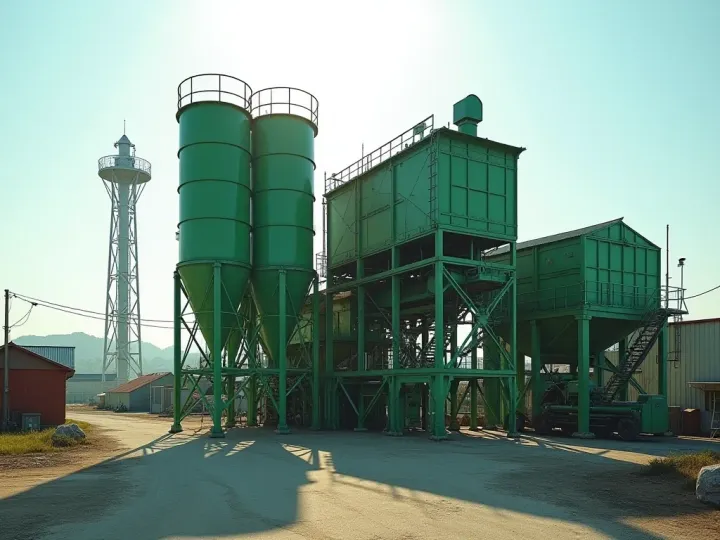
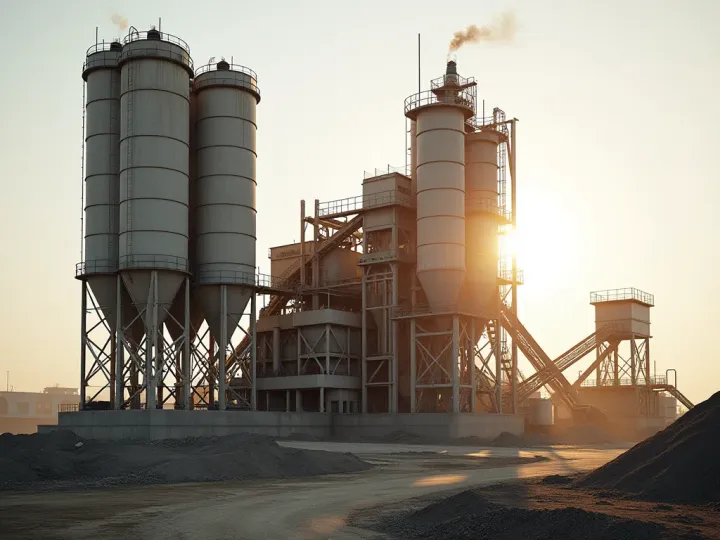
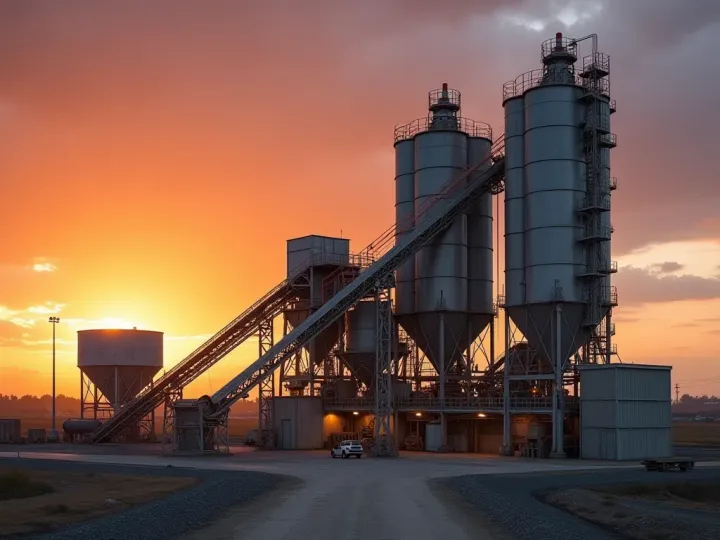
Modern concrete batching plants are impressive feats of engineering that epitomize technological progress in construction. These plants utilize a combination of automated control systems, digital scales, and innovative mixing components to optimize the entire concrete production process. Central to their operation are programmable logic controllers (PLCs) that synchronize raw material proportioning, mixing times, and discharge sequences, ensuring precision and consistency across batches. Advanced weighing systems provide real-time data to operators, allowing for quick adjustments and reducing waste. Additionally, the integration of connectivity features enables remote monitoring and diagnostics, which are crucial for maintaining high uptime and efficient operations. Cutting-edge mixing systems within these plants often feature twin-shaft or planetary mixers, which guarantee thorough mixing and homogeneity for even the most demanding construction projects. By embracing such technological innovations, construction companies can significantly enhance productivity, reduce operational costs, and uphold quality standards.

Efficiency and Maintenance Strategies for Long-term Performance
Achieving optimal efficiency in mixing-systems requires not only advanced technology but also rigorous maintenance protocols. Regular inspections of mixing components, such as agitators, bearings, and motors, are essential to detect wear and prevent unexpected breakdowns. Implementing predictive maintenance—leveraging sensors and data analytics—allows operators to foresee potential issues before they escalate, reducing downtime and repair costs. Furthermore, routine calibration of weighing systems, and timely replacement of wear parts, sustain the accuracy vital for producing high-quality concrete. Modern systems often come with integrated monitoring software that provides real-time alerts and reporting features, aiding maintenance teams in efficient scheduling and resource allocation. It is also wise for companies to invest in training programs ensuring that personnel operate and maintain equipment correctly, extending the lifespan of critical components. All these strategies combined enhance the reliability and efficiency of batching plants, ultimately leading to increased productivity, minimized operational disruptions, and consistent high standards in concrete production.