How Innovation in Concrete Batching Is Reshaping Sustainable Construction
The Hidden Power of Modern Concrete Technology Changing Construction Forever
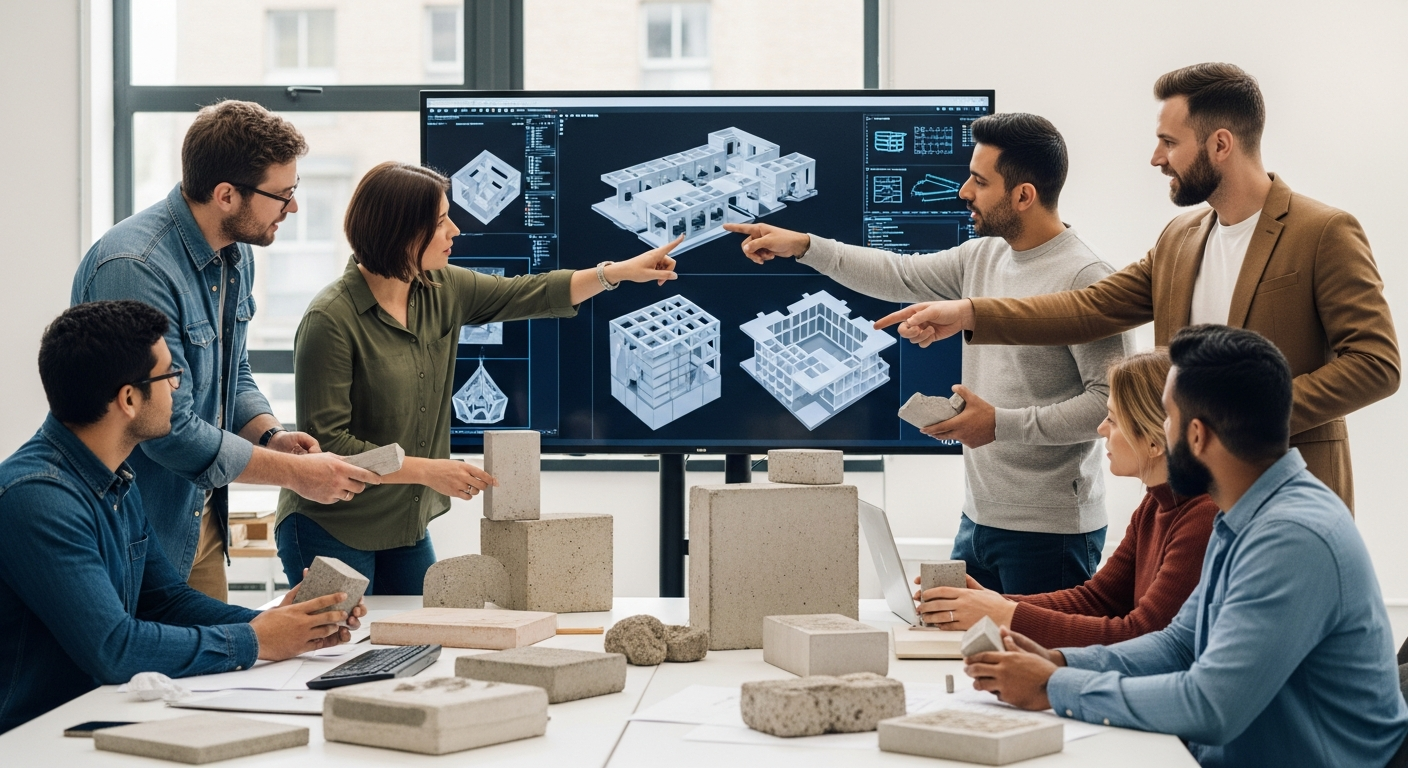
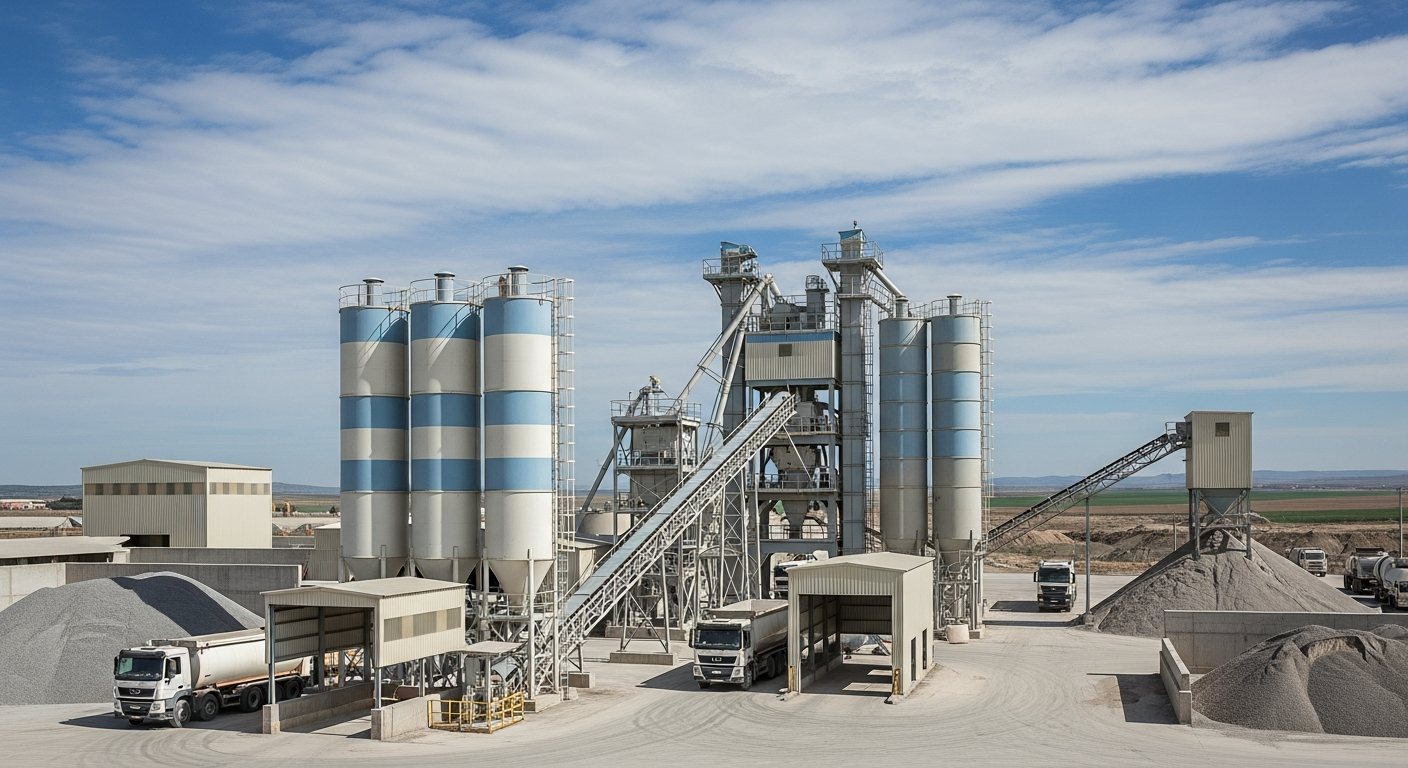
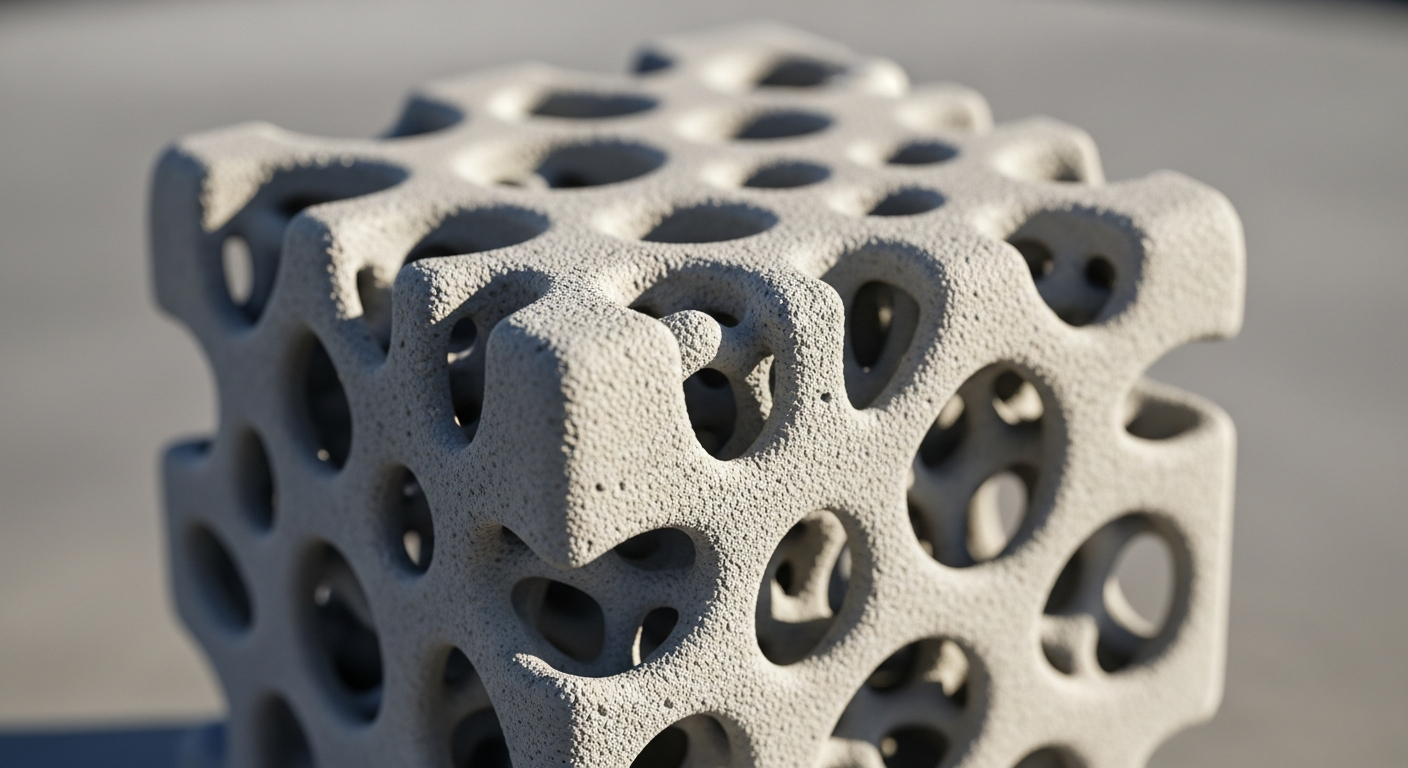
On any bustling construction site today, towering cranes and advanced heavy equipment dominate the landscape, but beneath their impressive exteriors lies a quiet revolution in how concrete is produced and utilized. Contrary to common perception, the real game-changer is not just about making cement faster or cheaper; it’s about fundamentally rethinking the very materials that form our urban environments. Recent breakthroughs in concrete batching technology reveal that we can significantly cut down on carbon emissions while boosting structural efficiency through innovative uses of materials like diatomaceous earth. This porous, fossil-derived mineral is taking center stage, not only as a filler but as a catalyst for absorbing CO₂ directly during the curing process. These developments could craft buildings that are not just resilient but active participants in combating climate change, turning concrete's historical role as an environmental villain into a part of the solution. When component design leverages complex geometries like triply periodic minimal surfaces, structures become simultaneously lighter, stronger, and more eco-friendly, demonstrating that efficiency is no longer at odds with sustainability.
Why This Innovation Matters Beyond the Construction Sector
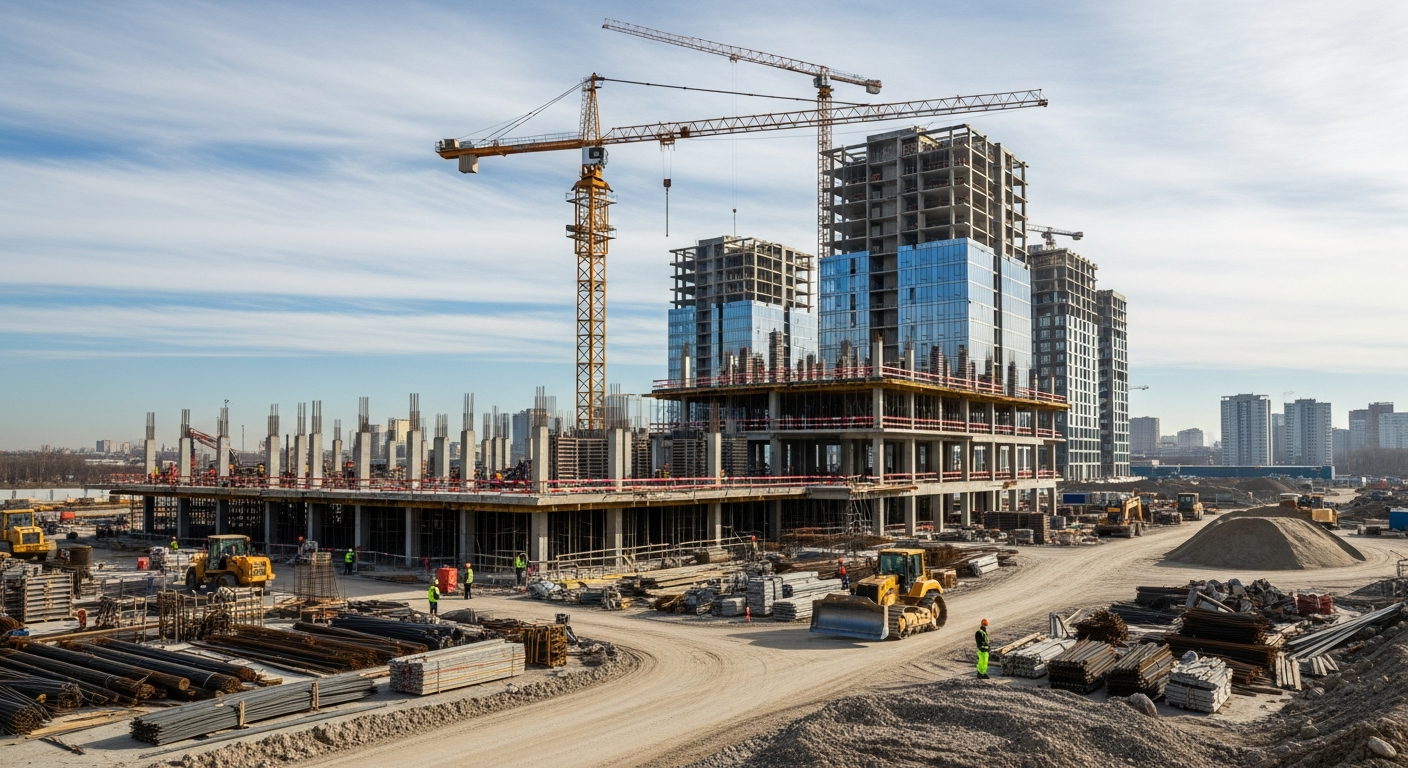
The breakthrough in concrete technology extends far beyond building skyscrapers or bridges; it signals a potential paradigm shift in environmental stewardship within the construction industry. Innovative batching systems that incorporate CO₂-absorbing materials are poised to reduce the sector’s carbon footprint substantially. By utilizing additive manufacturing—particularly 3D printing—engineers can now craft complex geometries that maximize surface area for optimal carbon capture while reducing material usage by up to 60%. This not only curtails resource consumption but also lowers costs and accelerates construction timelines, which could have ripple effects across global infrastructure projects. Furthermore, these advancements hold promise for marine rehabilitation initiatives, such as artificial reefs or oyster beds, where eco-friendly materials promote biodiversity while absorbing pollutants. Essentially, the way we think about concrete—once viewed as a static, pollution-heavy material—is evolving into a dynamic component of climate resilience and ecological restoration.
Who Might Gain or Lose in This Concrete Revolution
As with any technological leap, the new frontier of eco-friendly concrete batching will inevitably reshape the landscape of industry stakeholders. Construction firms adopting these advanced materials and methods stand to gain a competitive edge—offering clients not just durable structures but also ones aligned with green standards that are increasingly demanded by governments and consumers alike. Conversely, traditional concrete manufacturers and older construction practices risk obsolescence unless they adapt swiftly. While architects and engineers are empowered to push design boundaries through innovative geometries, the supply chain for materials like diatomaceous earth might see a surge in demand, influencing global markets. Environmental groups and policymakers could also benefit from reduced urban pollution levels, but fossil fuel-dependent industries might view this shift as a threat. Ultimately, this revolution favors those embracing innovation and sustainability, potentially leaving behind the entrenched interests reluctant to change.