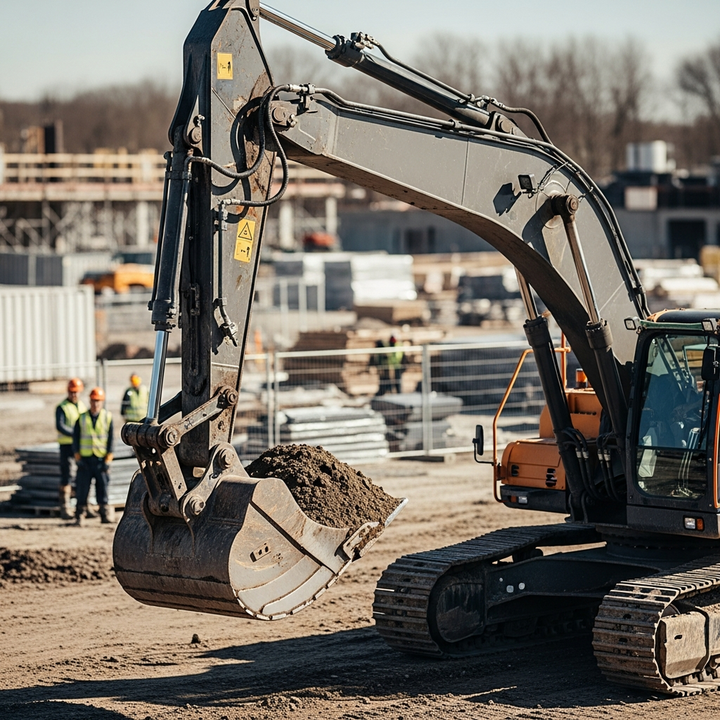
Virginia's Fredericksburg District Continues Intensive Snow and Ice Removal Operations to Restore Road Connectivity
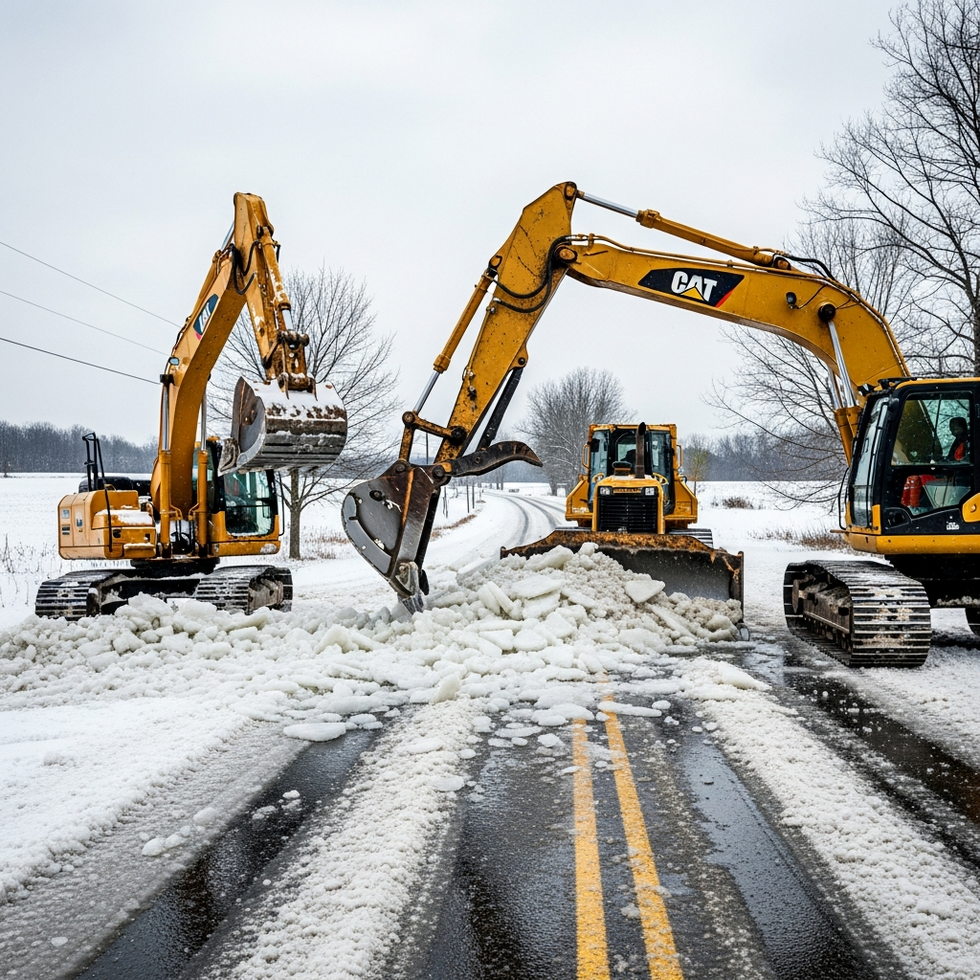
Virginia's Fredericksburg District Battles Winter Storm Aftermath
Snow piled up fast when winter hit hard near Fredericksburg. VDOT’s local district stretches across fourteen counties - Caroline, King George, Stafford among them - and crews never stopped battling ice and drifts. Cold snapped strong, turning roads slippery just as holiday travel surged. Daily drives slowed, ambulances delayed, businesses paused without warning. Snowplows moved out by the dozens, not alone but linked with salting crews and sand haulers working under low light conditions. Above sixty machines roared up snowbanks while truck after truck delivered grit onto frozen lanes. Attention turns beyond main routes such as I-95 toward quieter side roads and home zones, making sure movement returns for everyone nearby. As days pass under constant recovery, VDOT teams stay active around the clock - shifts changing frequently - to keep progress steady without rush. Unwinding access matters just as much for routine trips as it does for urgent care reaching distant spots where paths are narrower, reflecting long-term pledges around safety and strength within public systems.
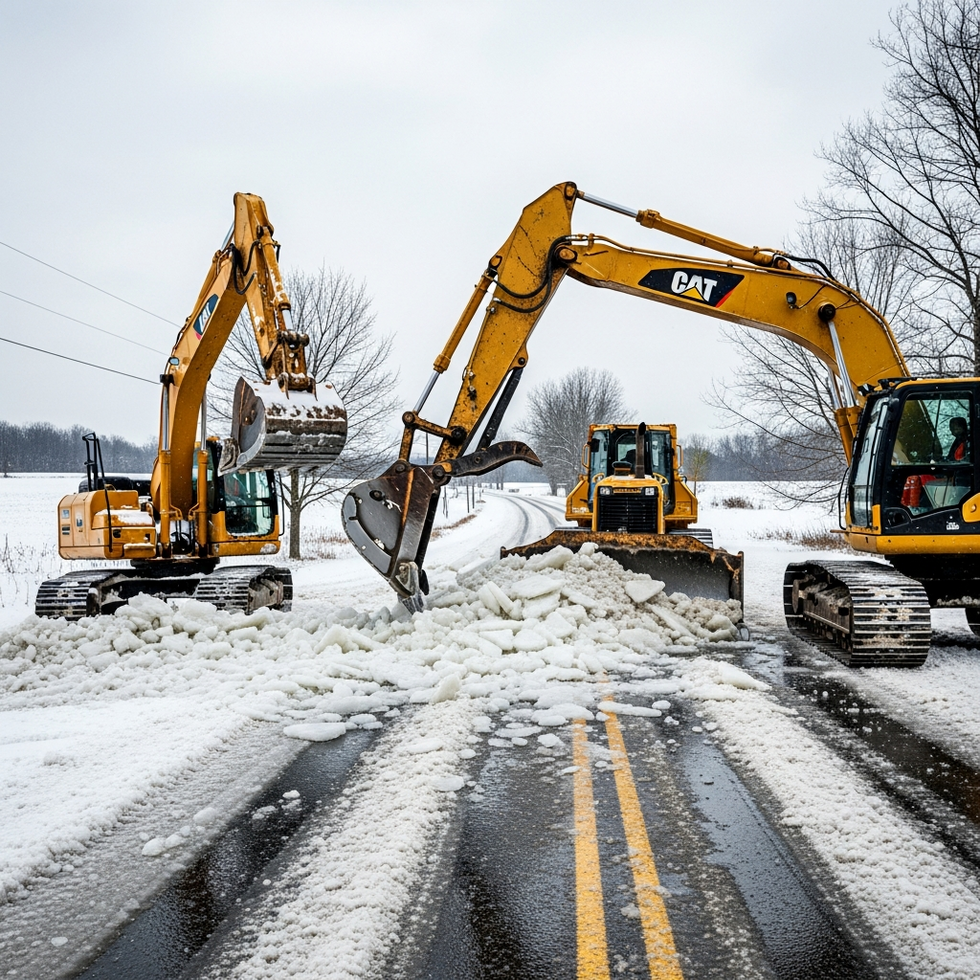
Strategic Focus on Roads and Critical Intersections to Fully Restore Traffic Flow
What stands out for the Fredericksburg District is how extensively they cleared major intersections, turn lanes, and road shoulders along routes like I-95 and similar busy side roads. Once the first shock of the storm faded, attention turned toward lifting massive piles of snow, addressing frozen spots blocking roads, and restoring access to blocked turn areas. For daily traffic patterns, timing mattered - workers heading into town needed room to move without extra holdups. Under darkness, machines tackle key spots - shifting massive snow blocks away from crossing points during nighttime shifts. Heavy duty tasks unfold when temperatures dip, freeing up access routes piece by piece. Most highways sit open today, though repairs still run alongside clearance efforts. Crews stay focused, watching how cold nights might turn wet roads brittle again. Access spreads across districts, though nobody claims it's done until every road behaves smoothly. People move toward centers, yet safety remains non-negotiable - slippery surfaces or buried lanes invite missteps if unchecked.
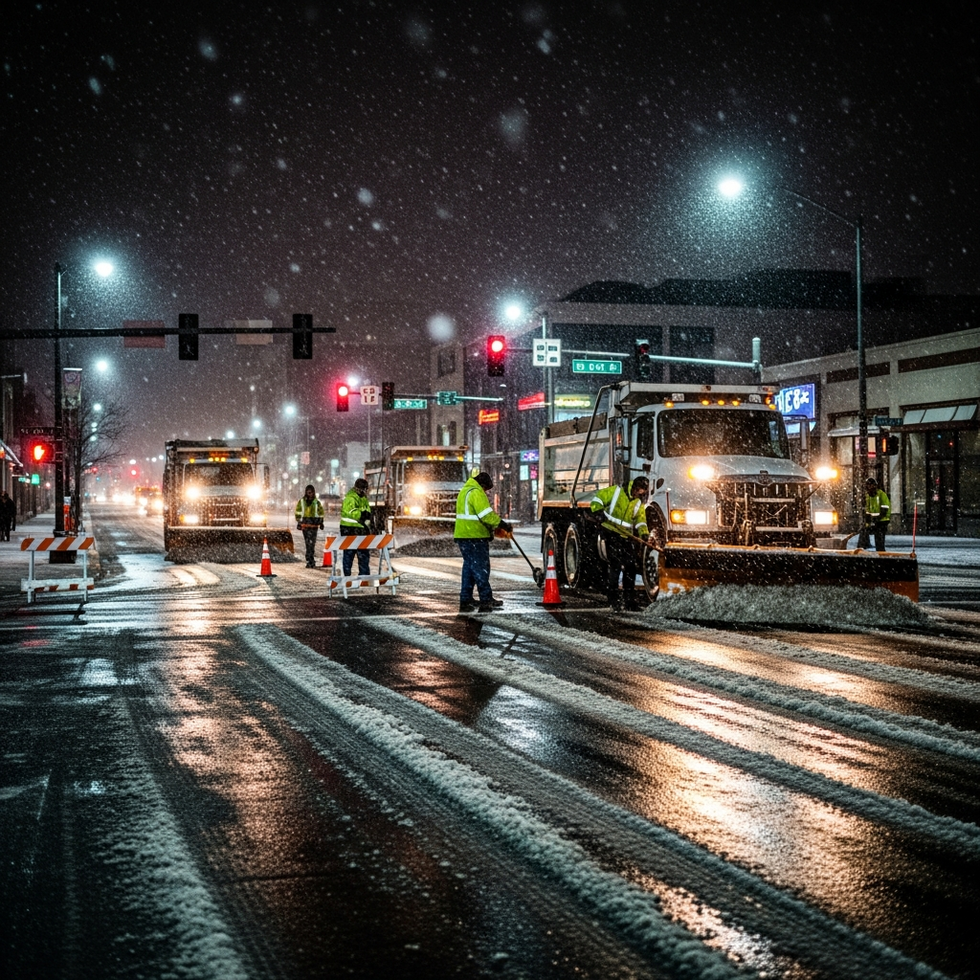
Supporting Commuters with Updated Parking and Safety Information
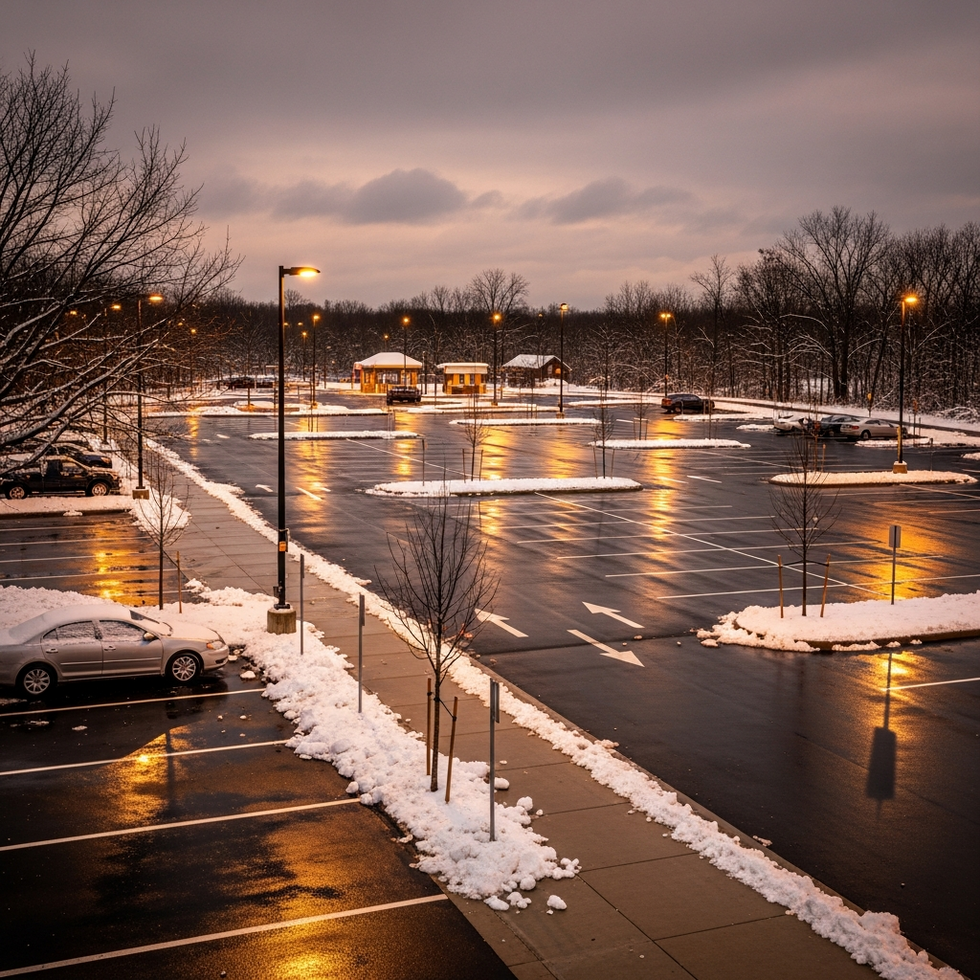
A key part of Virginia's comeback work lies in how the state handles parking areas linked to buses for travelers in the Fredericksburg region. Right now, about three-fourths of the spaces where cars usually park are open again - giving people who drive to work a way in. Crews from VDOT will keep removing snow and applying ice-preventing treatments there until Tuesday. Their goal? More spots ready for use by evening rush. More parking spots help plenty of neighbors park close to home when leaving for work, which means fewer cars jamming nearby streets and less risk of accidents. To stay informed, people in Virginia can check 511Virginia online, a site that shows current traffic pictures and alerts straight from official sources. When cold weather hits again at night, roads might freeze fast, so drivers need to slow down, leave extra space between vehicles, because slippery surfaces make stopping tricky. Around the clock, first responders along with upkeep crews stay reachable - just like before - through the usual digital hub or by calling 800-FOR-ROAD - ready to handle sudden issues on the ground while snow keeps pressing down.
Dealing with Nighttime Freezing Risks and Continued Emergency Response
When daylight allows roads to improve, freezing again at night still poses danger. After dark, cold temperatures return, transforming smooth sections into slippery surfaces. This nighttime chill leads to more crashes, slowing down crews already stretched thin. Crews from VDOT stay active through the night, spreading salt and sand where ice might form. When it's dark outside, drivers ought to slow down, leave more space between vehicles, yet remain alert. Because they keep watching and adjusting, these actions stop problems before they start - particularly where roads curve into shadow or span icy zones fast. What happens daytime fades if nothing changes at night; so constant care matters most. In Virginia, those who manage roads stress awareness first: check real-time conditions often, follow trusted warnings closely - this phase demands attention.