Transforming Construction with Innovative Heavy Equipment and Modern Concrete Batching Technologies
Advancements in Heavy Equipment Driven by Construction Innovation
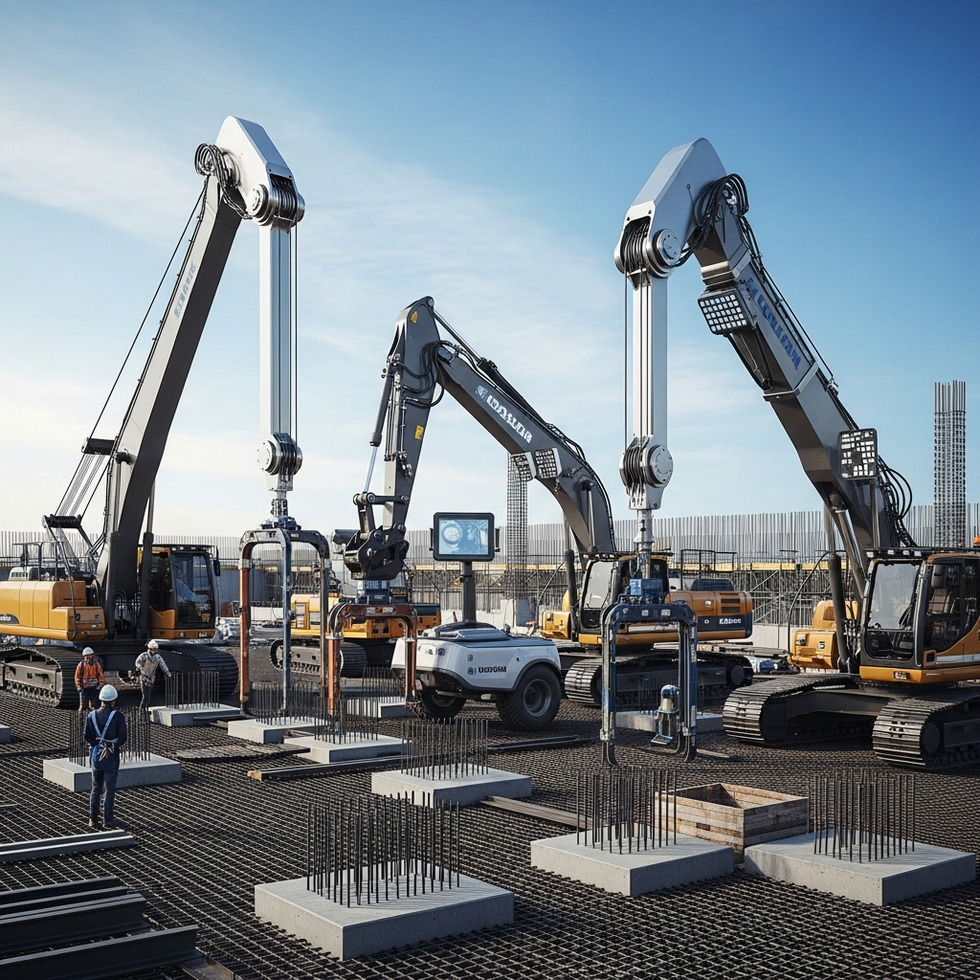
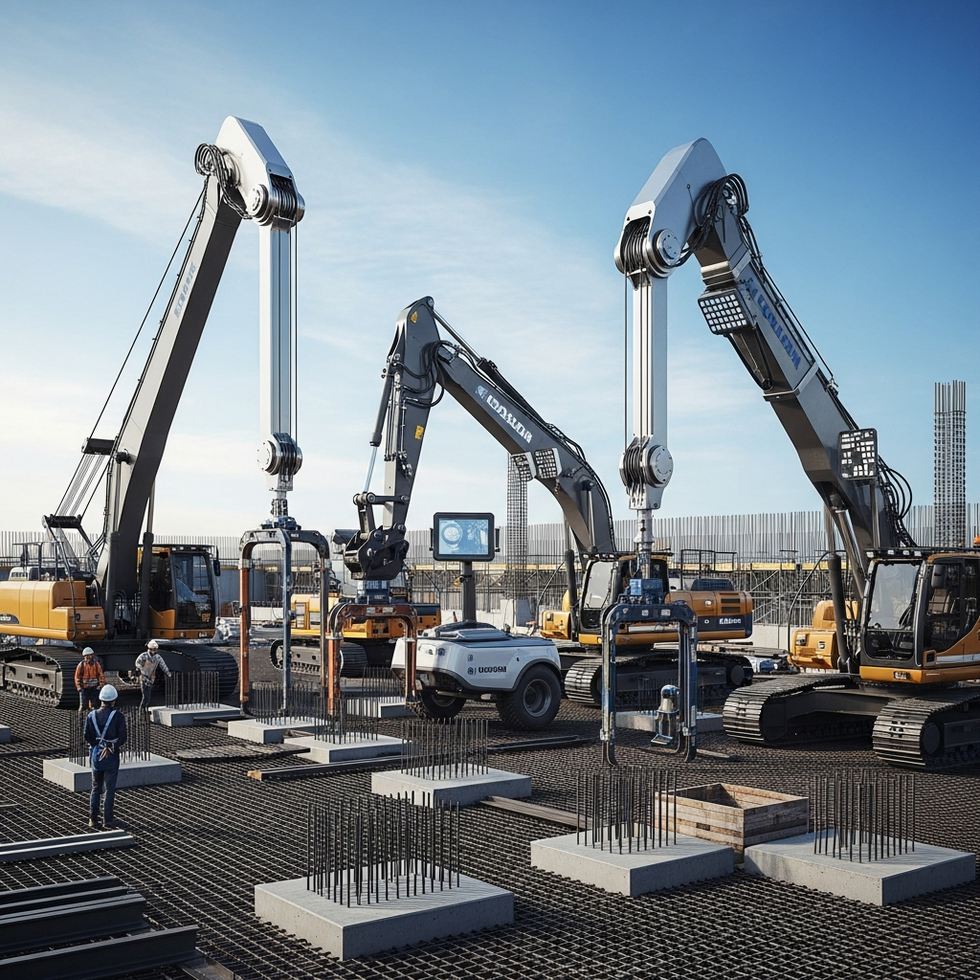
Over the last ten years, construction has changed fast because new heavy machines kept appearing. Thanks to smarter tools on site, work now moves quicker while staying safer and cutting expenses. Now firms spend big on high-end diggers, graders, crane setups, and dump trucks loaded with tech like internet-linked sensors, self-activating weight detection, and shifting machine responses. With these advancements, workers handle jobs more accurately, getting more done in less time while cutting down on excess. Take guided machines - they place materials exactly where they need to go, especially useful on massive sites such as span bridges or urban skyscrapers. Automation in big tools keeps moving forward, bringing machines that run partly on their own, if not completely without human oversight, which could soon reshape how everything runs. Machines now do smarter things by linking up better, showing how construction is changing fast because people rely on digital tools more each day. Instead of waiting, teams make choices using live information while spotting issues before they grow, keeping sites running without delays. With every update, work moves quicker, follows safer routines, runs on cleaner energy - all building paths others might follow later.
Modern Concrete Batching Plants and Their Role in Construction Efficiency
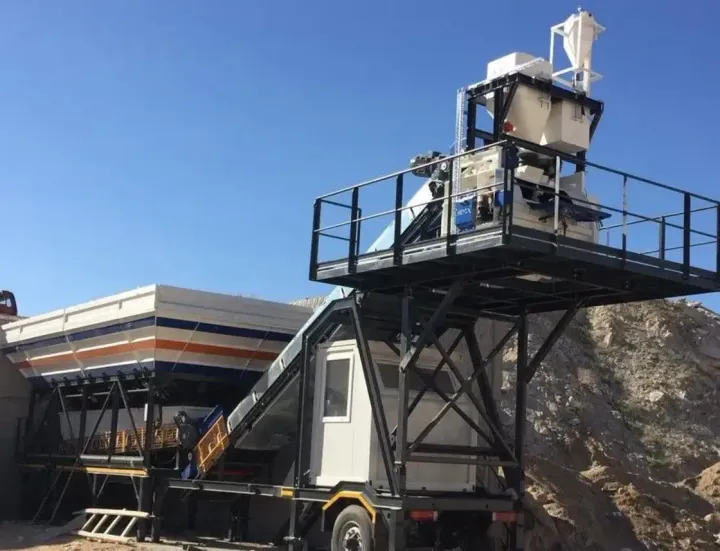
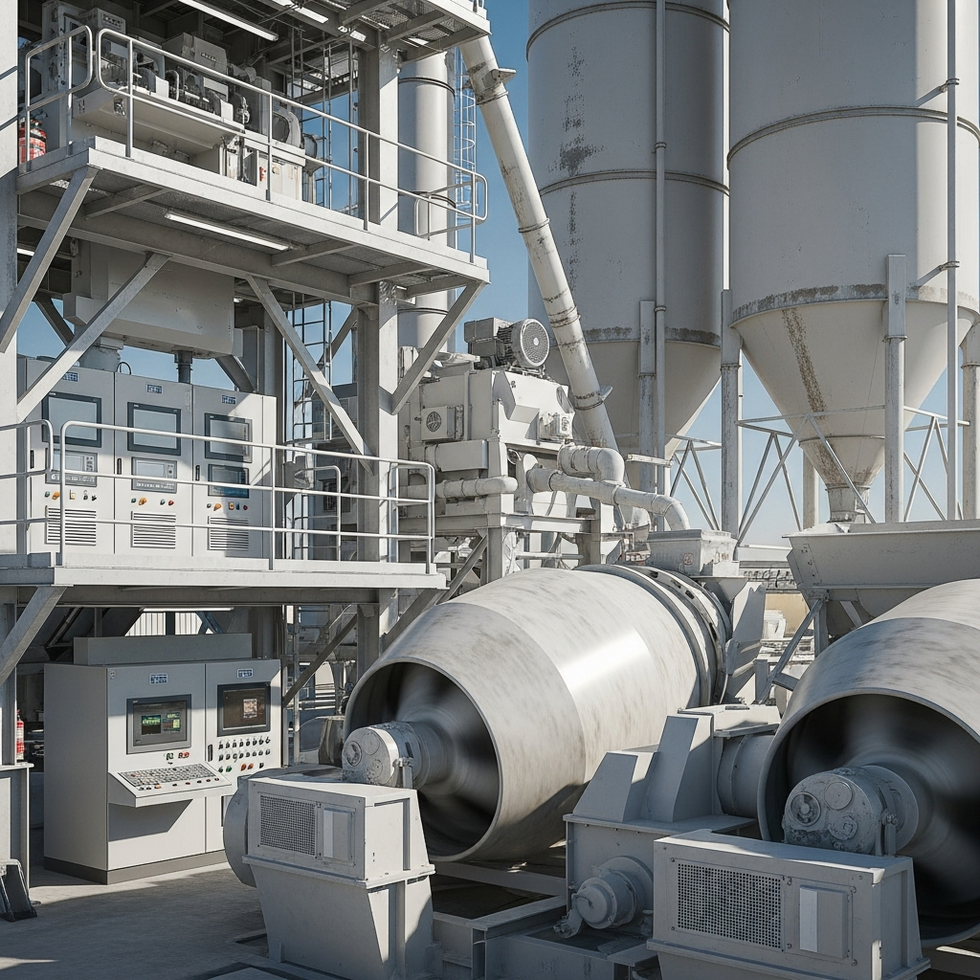
What stands out now is how far concrete batching plants have come - becoming central to making reliable, top-grade concrete. Instead of old-style handovers and paper logs, today’s setups run on smart automation, turning raw materials into concrete at scale while keeping output steady and accurate. You see features like live weight tracking, weather-adapted environments inside the unit, sensors linked directly to networks - all watching each step unfold during blend operations. With each upgrade, control tightens; outcomes improve quietly behind the scenes. With tech merging like this, shifts happen fast - concrete mixes get fine-tuned for exactly what a job needs. Mobile setups do the work, showing up where needed whether it's high-rise city builds or far-off land developments. Because supply keeps pace with demand, piles of material shrink, deliveries drop, nature stays undisturbed. Nowhere is sustainability more visible than in how plants design their spaces - with energy-saving mixers quietly humming, reusing every drop of water. Bigger builds mean tighter deadlines; that is where smart batching steps in, cutting downtime while tossing less material into landfills. Concrete strength grows not just in ingredients but in precision, shaping lasting work that holds up without cracks.
Maintenance and Sustainability in Construction Equipment Technology
Heavy machines and automated tools in building work grow more dependent on constant care. Keeping them well-run keeps life span long, along with steady output, security, plus matchups with rules. New methods like forecasting trouble ahead use sensor data and number crunching to spot issues early - cutting delays and fixes. Take vibrations or oil checks - they show trouble before it worsens, especially in motors or fluid setups. Machines run cleaner now thanks to eco-friendly choices spreading through operations. Things like low-power engines, combined power units, or washback water filters in mixing facilities cut down harm to nature. More builders now train workers - drivers, fixers - to get better at using modern tools. With tougher rules spreading across countries, blending green ideas into high-tech upkeep helps firms meet planet targets. Such advances together shape a sturdy, productive site setup ready for today’s challenges without straining nature.