Tragedy at Suncor Fort Hills Facility Results in Fatality and Sparks Workplace Safety Debates
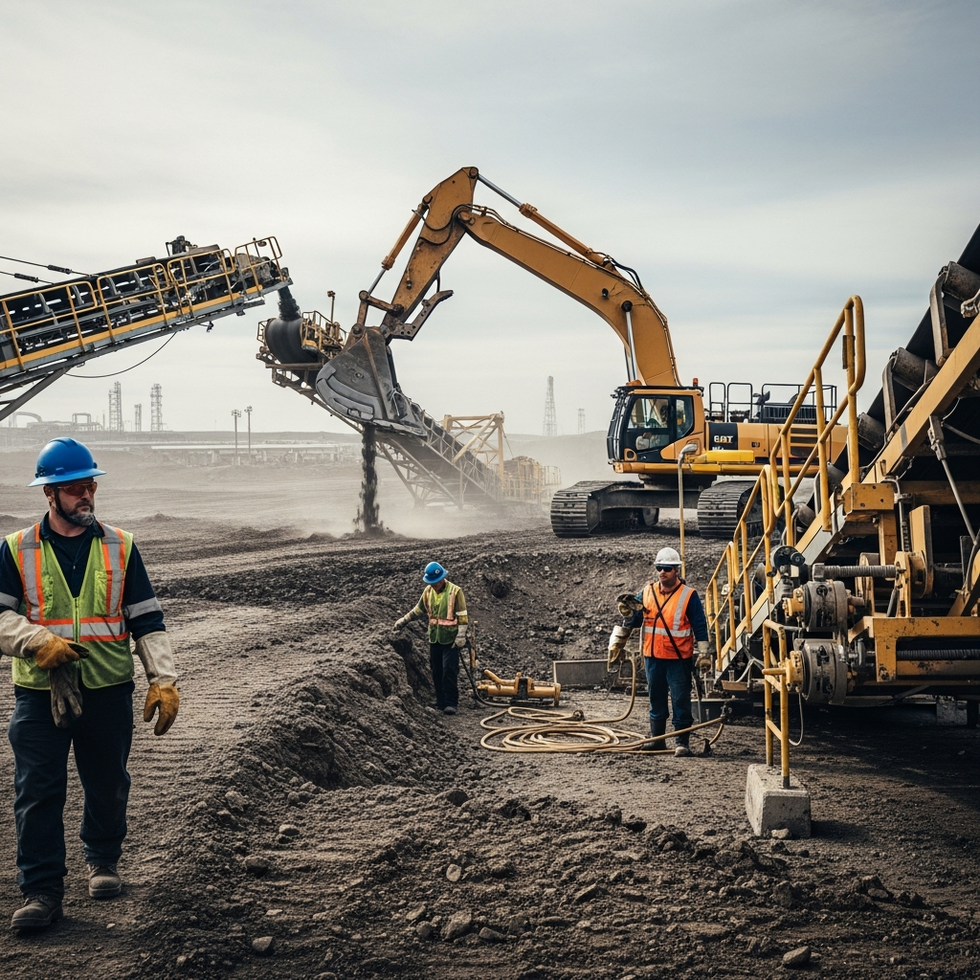
Worker Fatality at Suncor Fort Hills Sparks Industry-Wide Safety Conversations
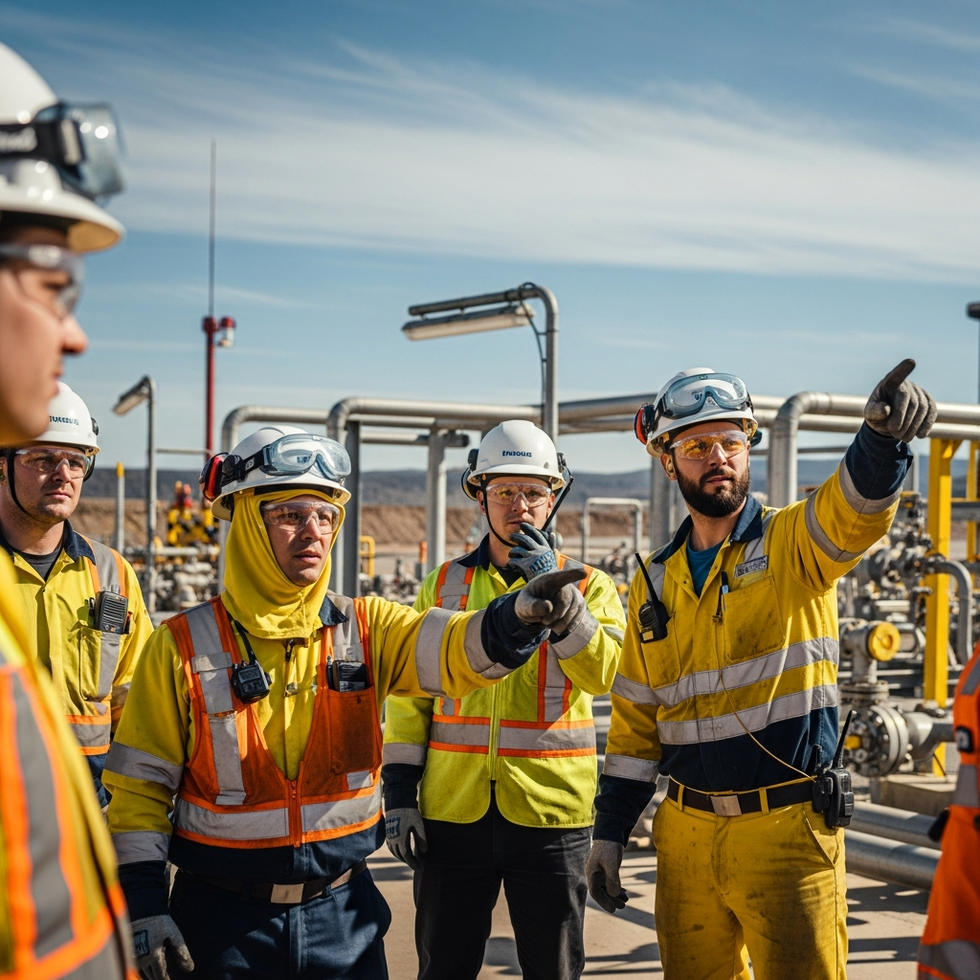
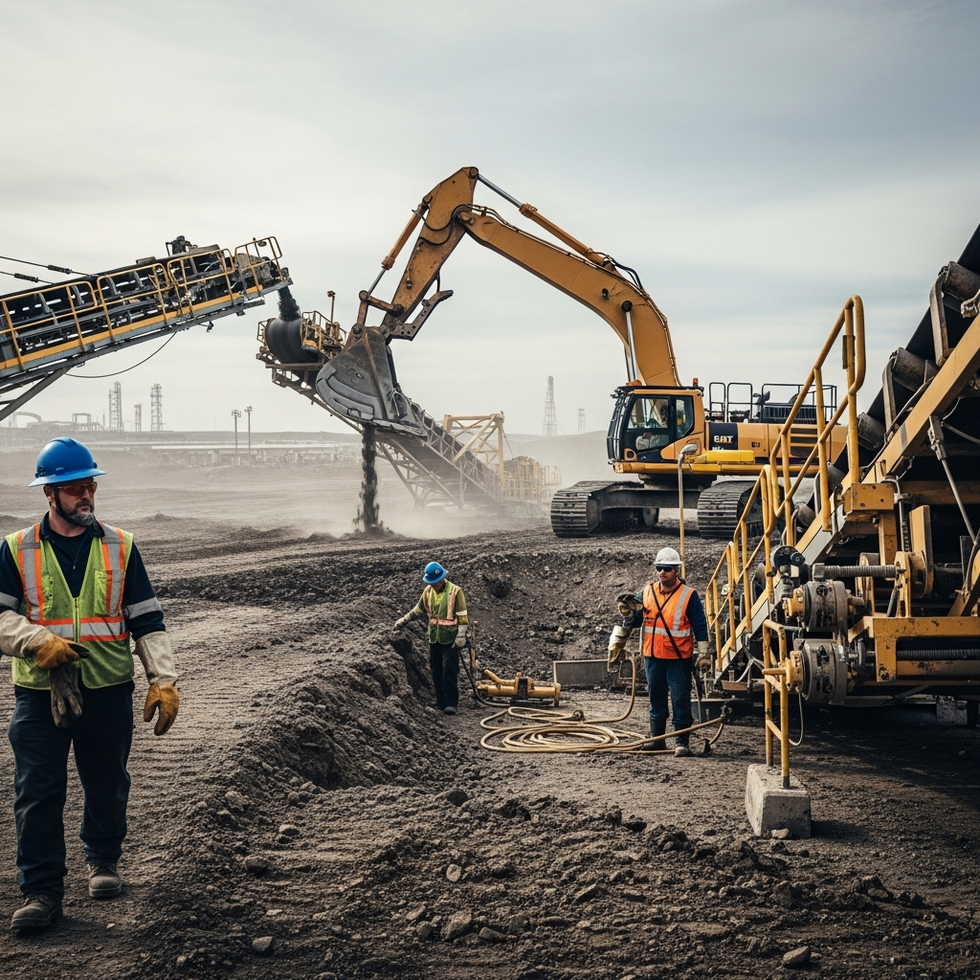
A life was taken lately when tragedy struck during normal activities at Suncor Energy’s Fort Hills oil sands site in northern Alberta. Located deep in Canada's energy heartland, the plant runs under everyday conditions - yet loss occurred anyway. News of the event rippled fast across mining and drilling circles, pulling safety talk out of corners it rarely visits. Workers died while performing standard duties, no warning signs involved, just routine turned fatal. Safety practices at massive industrial zones - particularly those handling dangerous processes - have long drawn suspicion. This event adds weight to long-standing doubts hanging over such places. Even with tough rules in place, mishaps occur now and then, pointing to problems beneath the surface - ones that must be fixed before more disasters happen. Pressure is building on the firm and oversight agencies alike to take another look at safety procedures without rush, making certain safeguards are actually working in these dangerous job zones. This event, quiet but heavy, drives home just how fragile people are when doing tough industrial work, underscoring why safety checks must stay sharp and rules followed without exception. Workers face growing dangers on the job, prompting calls from safety groups and industry watchdogs for stronger rules and clearer guidance. With each new incident, questions rise about whether today’s safeguards can handle the risks involved in high-pressure operations at key energy sites across Canada. How deeper reforms might protect people doing this kind of work remains under scrutiny as events unfold further.
Implications for Industry Safety Protocols and Future Measures
After the disaster, people involved in Canada's energy industry began looking harder at how safe their operations really are. What happened brought attention back to problems that keep showing up - like poorly serviced machines, unprepared staff, and shaky crisis plans. Some analysts now believe smarter tools, like automated systems or instant danger alerts, might help cut down dangerous events in factories and plants. These days, Suncor along with several peers face closer watch from authorities and citizens who expect clear proof of safety priorities. With pressure building, officials might push tougher rules while stepping up checks at oil sands sites to make sure standards stick. Talk around these issues matters deeply because progress depends on weighing revenue targets against responsible treatment of employees. Nowhere is openness and responsibility clearer than in how factories handle danger. Leaders must lead by putting safety ahead of output goals - people matter more than numbers. When something goes wrong, it pushes change forward instead of slowing it down. This event lights a path toward better working conditions, especially where jobs shape much of Canada's economy.