The Evolution and Significance of Heavy Construction Equipment in Modern Infrastructure Development
Understanding the Evolution of Heavy Construction Equipment
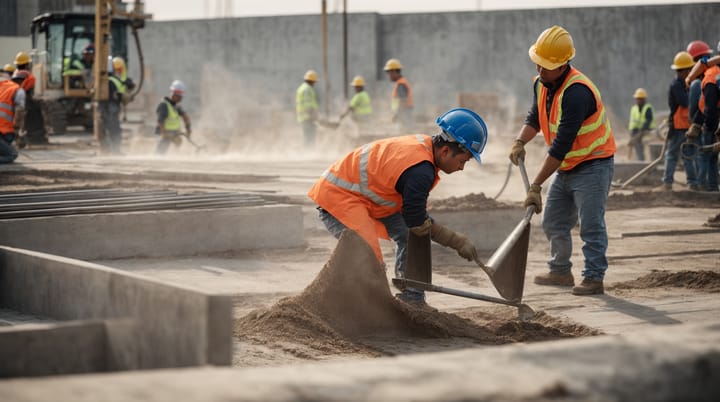
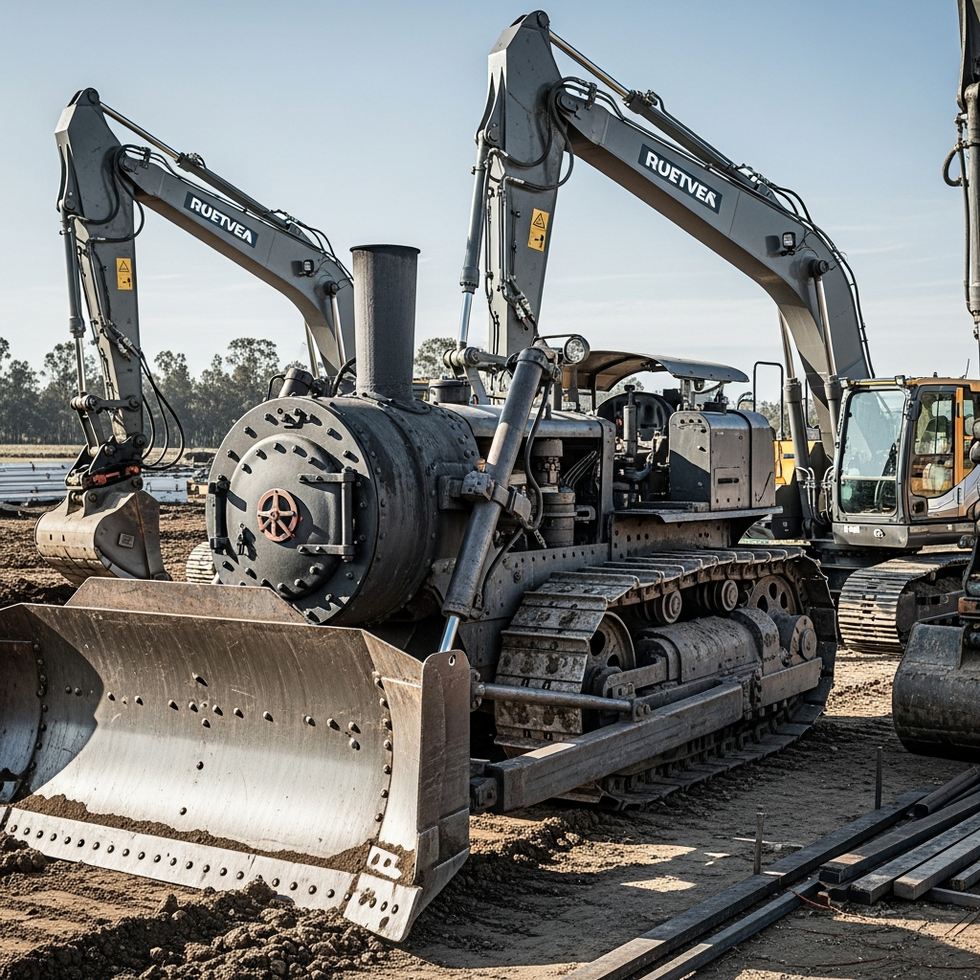
More than one hundred years ago, big machines started changing how buildings and roads get built across countries. Back then, people did most of the work by hand on busy job sites. With time came factories, then came engines - first ones ran strong in the 1900s, making tasks quicker and reducing risk. Machines like slow-moving pushers, tall lifters, and digging tools arrived gradually, reshaping how much could be done in bigger areas with less delay. For many years, tech moved fast - bringing hydraulic setups, digital command systems, and green fixes meant to boost output while lessening nature's toll. Now, latest building gear packs sharp automation, GPS steering, and long-distance operation access, sharpening work accuracy while shielding crews. Grasping how far things have come shows construction forever chasing better tools to handle rising needs for eco-friendly projects, speed, and security across global infrastructures.
Key Types and Functions of Modern Construction Equipment
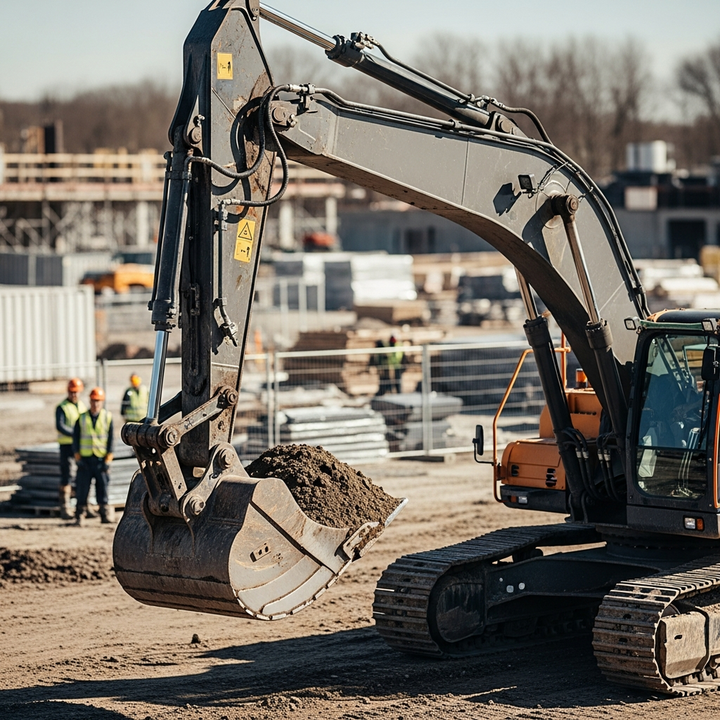
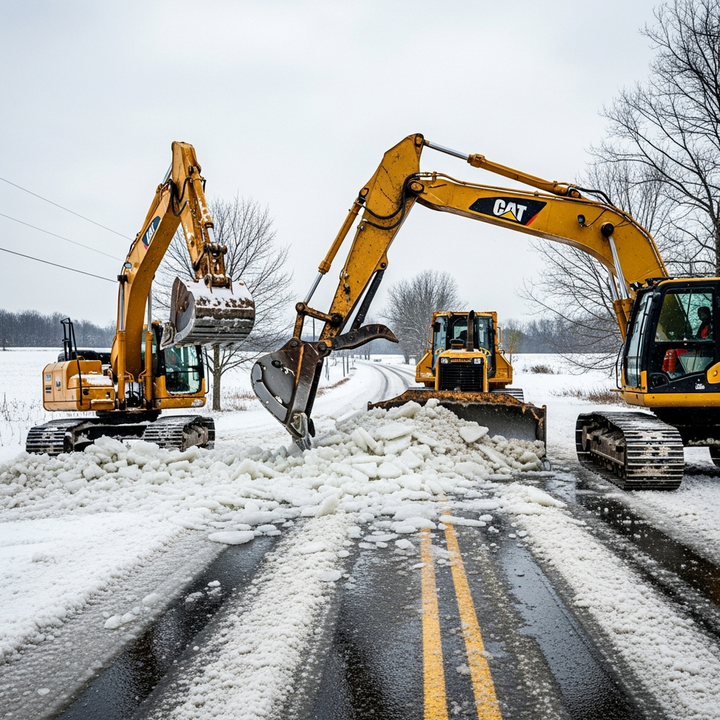
From digging holes to moving heavy loads, today’s building tools cover every job site need. Among them, excavators do many functions at once - handling dirt, breaking down walls, lifting stuff without fuss. Machines like wheel loaders tackle vast amounts of soil or wreckage, smoothing out ground shapes while preparing where buildings will rise. Bulldozers work alongside them, pushing surfaces into place with strength and control. From towering frames to bridge spans, cranes handle key lifts - tower types or on wheels - moving construction forward. Working alongside them are tools built for specific tasks: compactors firm up soil, graders shape uneven ground, while pavers lay down roads quickly. Different machines come into play depending on land shape, how big the job is, or whether time presses hard. Outfits choose these tools so work flows better, fits tighter schedules, adapts easily. Lately, gains have gone toward blending engine types or adding smart features that cut down on fuel. People working in building sites need clear grasp of how each works - knowing this shapes successful outcomes and long-term vision.
Innovations Driving the Future of Construction Machinery
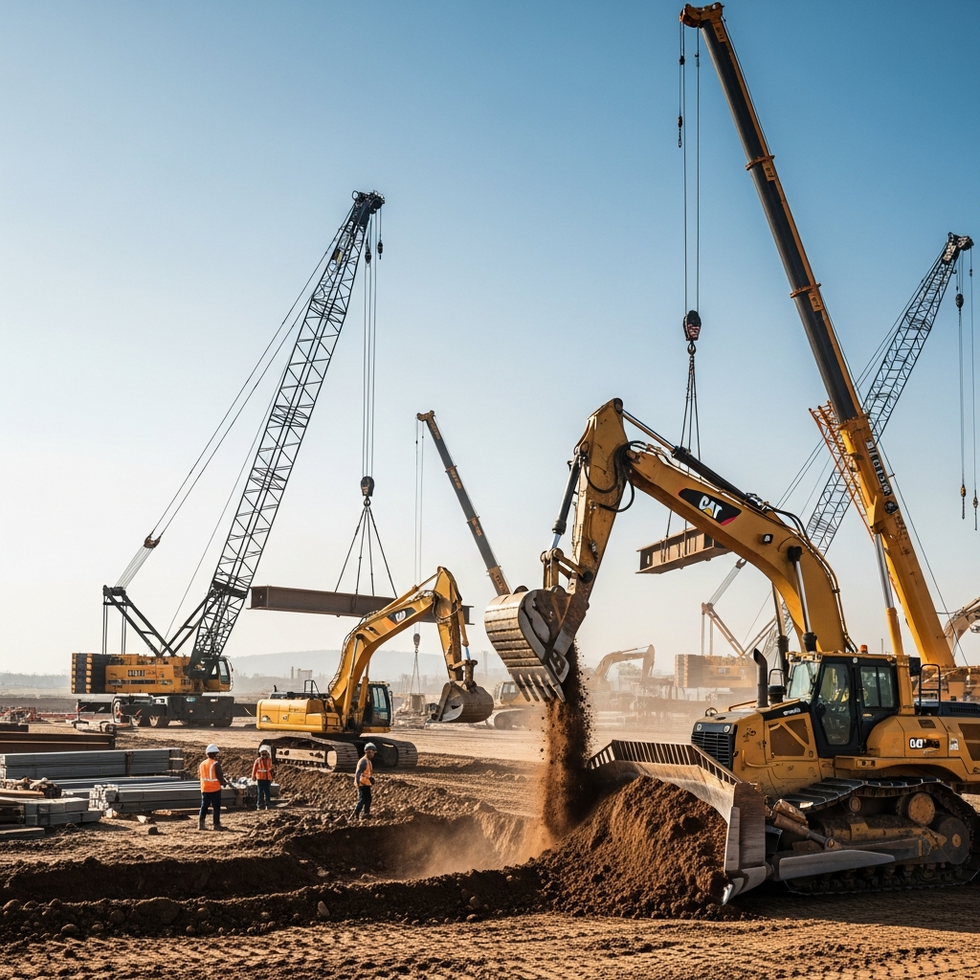
A fresh wave of tech is reshaping construction, changing how machines are built, used, and fitted into building work. With automation growing stronger, operators now often manage tools without being nearby, which cuts risks while speeding things up. When sensors feed smart algorithms, equipment adjusts automatically to shifting situations, uses less fuel, stays ahead of problems. This shift means less time wasted fixing things, smoother operations overall. Nowhere is change more clear than in how machines run - electric and hybrid sets are spreading because they cut pollution and expenses. With GPS woven into workflows, along with BIM shaping designs, every move on location becomes sharper, smoother, aligned. Out of this setup grows machine intelligence that gathers insights instead of just running tasks, turning activity into real-time feedback for smarter decisions later. With tech moving forward, coming years may bring construction machines that think for themselves, run cleaner, leave less impact, while linking up better - changing how work gets done on site, focusing less on risk, more on gentle use of resources and smooth operations.